Cooking for Health

Cooking for health

Cooking healthy meals

Recipes and cooking methods can be modified to help meet current healthy eating messages.


It is important that pupils have a good understanding of the current healthy eating messages and that they can then apply these when planning recipes and meals. Nutritional analysis of recipes enables pupils to demonstrate their knowledge, understanding and application of current healthy eating messages.

For other Cooking topics, click below:

Cooking for health: 7-11 years

Use these four activities to run sessions on cooking in your classroom. 

Refresh children‘s knowledge of the Eatwell guide. Review its 5 food groups.


This could be further extended by looking at how diets can be planned to meet the principles of the Eatwell Guide.  


Use the Needs of different people presentation to highlight that people have different food needs.  Question the children to see if they can suggest what these needs might be, for example:

  • age – babies have different diets from adults;
  • preference – likes and dislikes;
  • vegetarian – some people choose not to eat meat or fish;
  • where you live – some foods only grow in a hot climate;
  • religion – some religions restrict certain foods;
  • allergy – a small number of people have an allergy to a food, e.g. peanuts;
  • information – about food, e.g. Red Tractor.

To consolidate learning, ask the children to consider and plan the food needs for a number of different people. Use the Needs of different people worksheet to act as a stimulus. This work could make a great display.

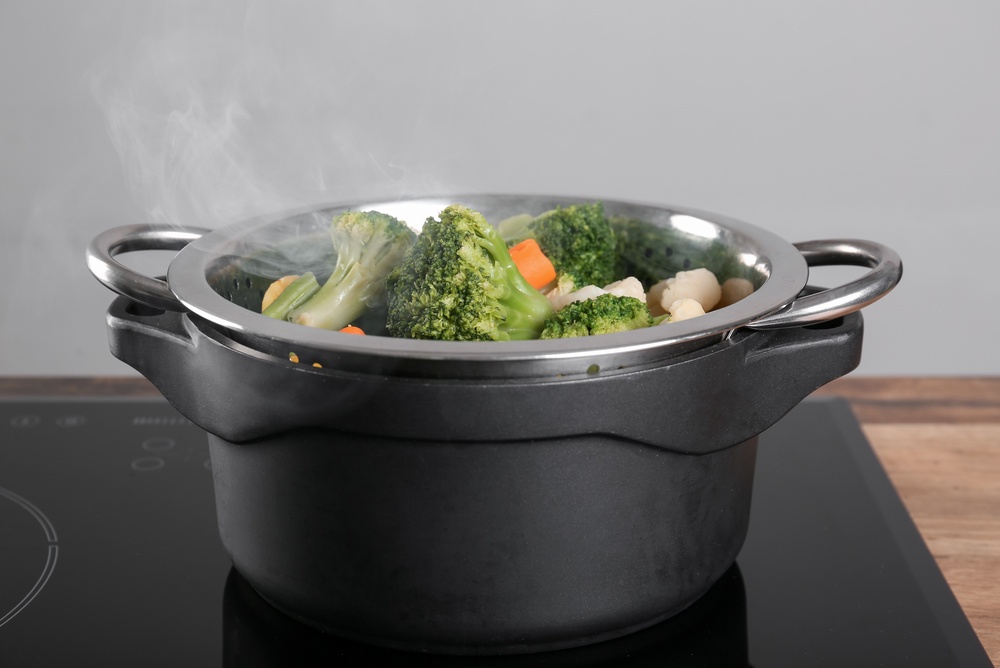
Explain to children that food can be prepared and cooked in a number of ways to promote health. Use the Healthier cooking presentation to highlight different healthier ways to cook and serve food. For example:

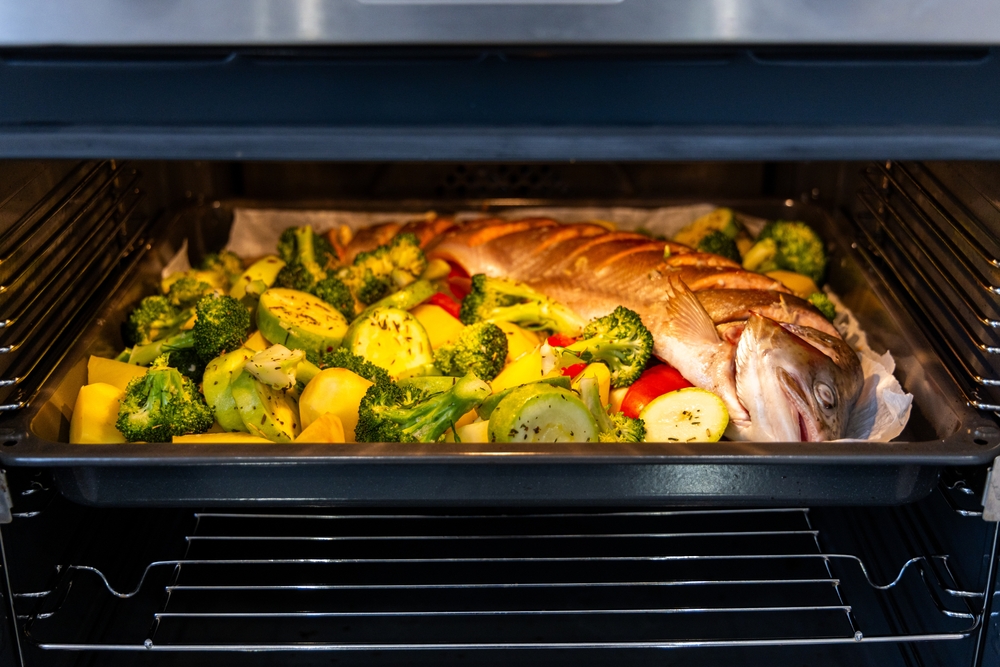
  • cooking method, e.g. baking or grilling fish instead of frying;
  • not adding salt to food, perhaps using different ingredients for flavour, e.g. herbs, garlic;
  • adding fruit or vegetables, e.g. extra carrots in a soup or stew;
  • removing, adding or changing an ingredient, e.g. having a low fat yogurt rather than a luxury yogurt;
  • changing the portion size, e.g. having a smaller dessert or a mini muffin.

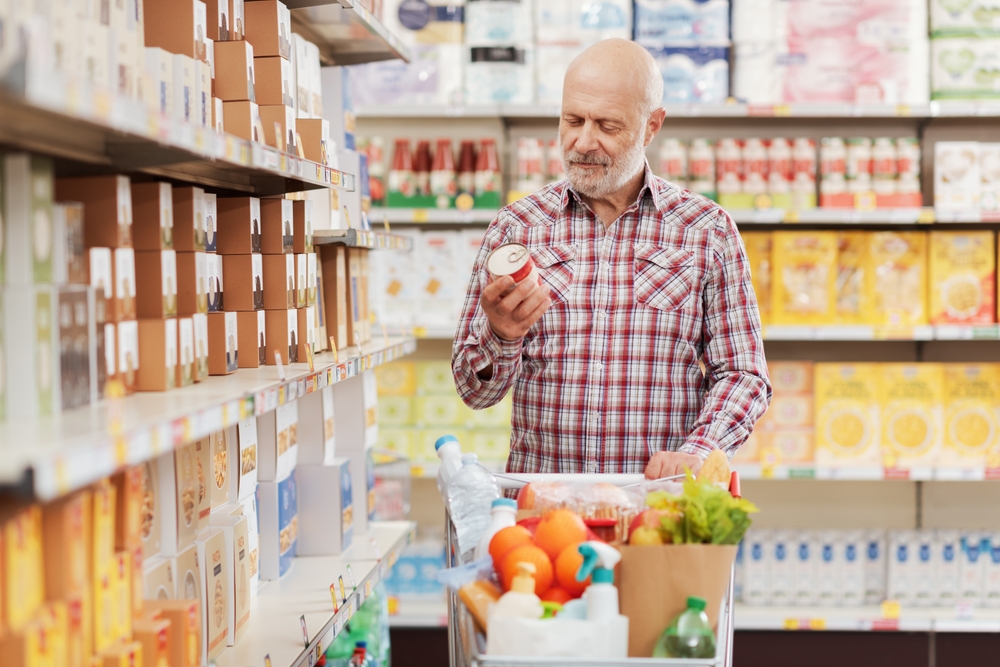
Explain to children that food packaging often displays nutrition information which can help people make choices. Use the Food labels presentation to highlight how this information is presented and how it can be used.


Ask the children to collect and bring in from home food packaging, showing nutrition information. Create a display of food packaging to highlight nutrition information.

Investigate foods prepared for a range of different occasions.

Ask the children:

  • What celebrations or festivals can you name?
  • What type of food is served?
  • What special occasions have you attended?
  • What food was served?

Use the Occasions presentation to highlight a number of different celebrations and festivals which include specific food, e.g. Passover and Matzo crackers, Christmas and turkey.


In small groups, organise cooking activities to raise awareness of a range of different occasions. For example:

  • Birthday;
  • Chinese New Year;
  • Harvest festival.

Plenary

Recap with children:

  • Healthy eating, the Eatwell Guide, along with people’s food needs, should be considered when planning and cooking.
  • There are a number of simple healthier ways to prepare and cook foods.
  • Lots of food packaging has basic nutrition information which can help us to make a healthier choice.
  • There are many different festivals and events which celebrate with special foods.

Further activities

Invite a parent or grandparent to come into school to talk about and demonstrate some traditional foods.


Create a display showing examples of the different festivals and events which celebrate with special foods.

Cooking for health resources for 7-11 years

Cooking for health for 11-14 years

The lessons and resources below will cover:

  • Modifying recipes
  • Using healthier cooking methods
  • Analysing the energy and nutrients provided by recipes/dishes

Modifying recipes

To explain the underlying principles of recipe modification and the simple changes that can be made to improve the nutritional content of dishes, show the Recipe modification and cooking for health presentation.


To encourage team working, divide the class into groups of four. Give each group a piece of flipchart paper and a pen and ask them as a group to suggest ways to modify recipes to meet government healthy eating recommendations, e.g. reduce saturated fat, increase fruit and vegetables, increase fibre, eat more oily fish. Allow the group 5 minutes to write down as many ideas as they can and then ask them to report back to the other groups.  If the pieces of paper are neat enough, they could be used as part of a display or as a revision resource.


To develop a greater understanding of the fibre content of a variety of food and how preparation and cooking methods can influence this, complete the Fibre line up (Fibre line up answers) Print off two sets of the food cards, divide the class into two groups and ask each group to place the foods in the order they think has the least fibre to the most fibre. Go through the answers and ask the pupils to place the foods in the correct order. Discuss what they have found out. Did anything surprise them? How might they use this information to increase the fibre content of a recipe?


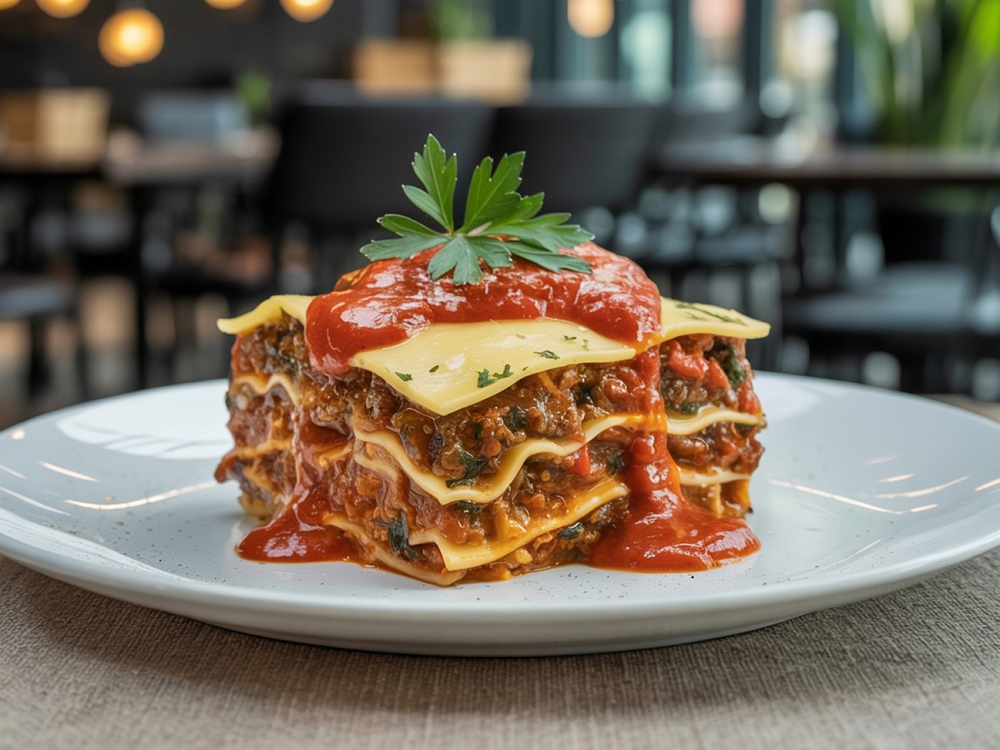
To illustrate the application and understanding of modifying a recipe to improve its nutritional profile, task the pupils to complete the Change for health worksheet. Pupils are asked to review a lasagne recipe and indicate the changes they would make to reduce total fat and increase fibre content.


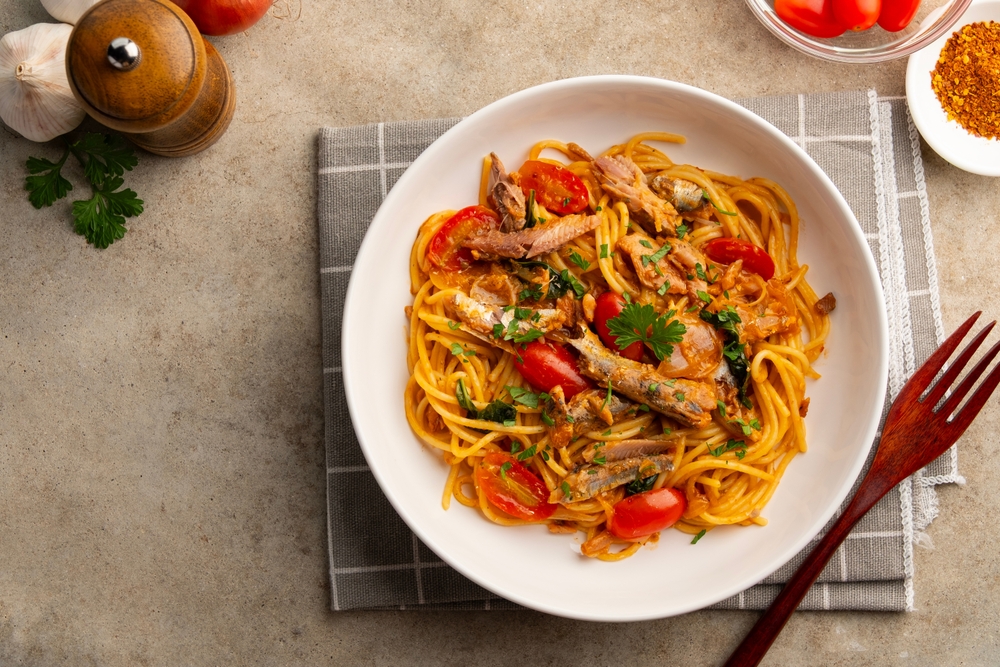
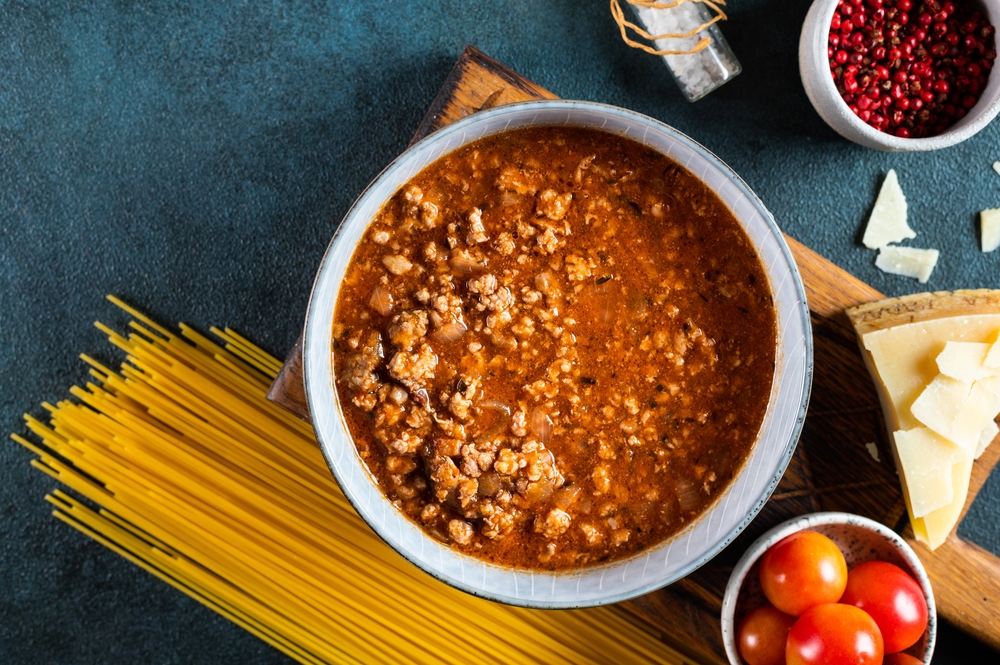
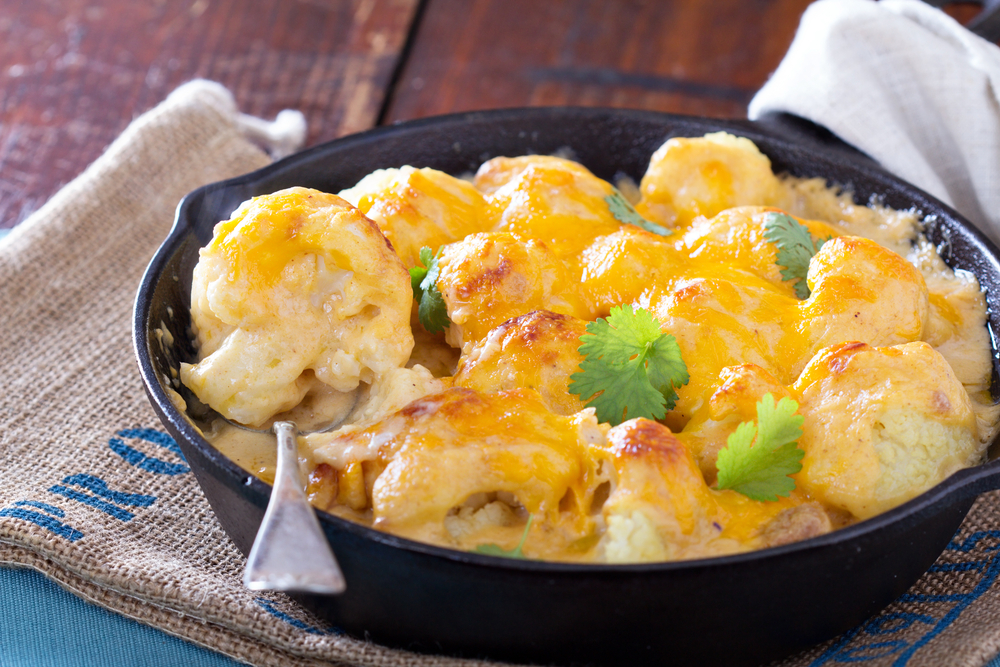
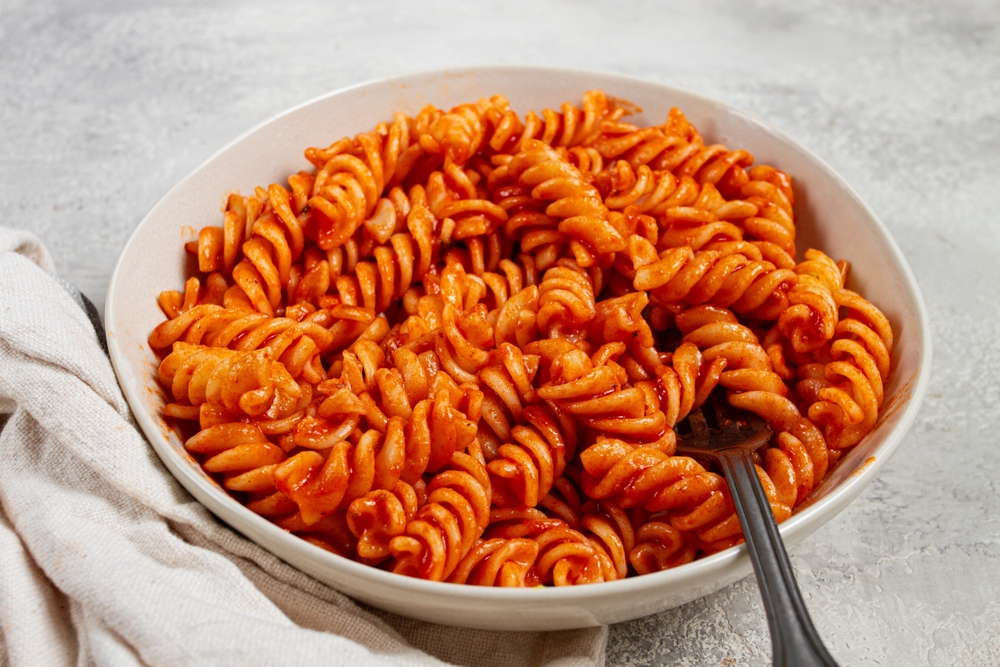
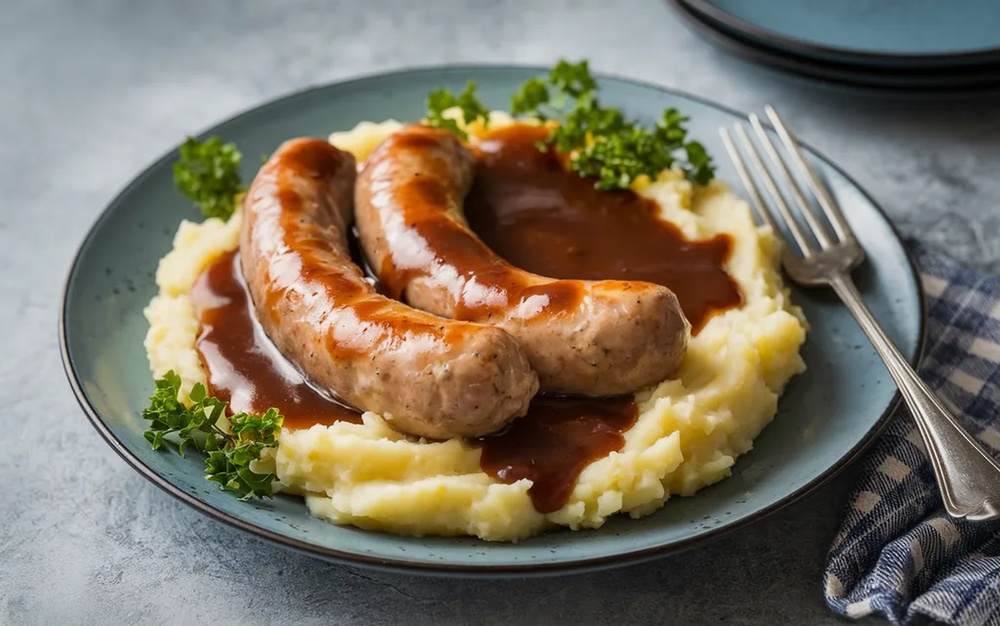
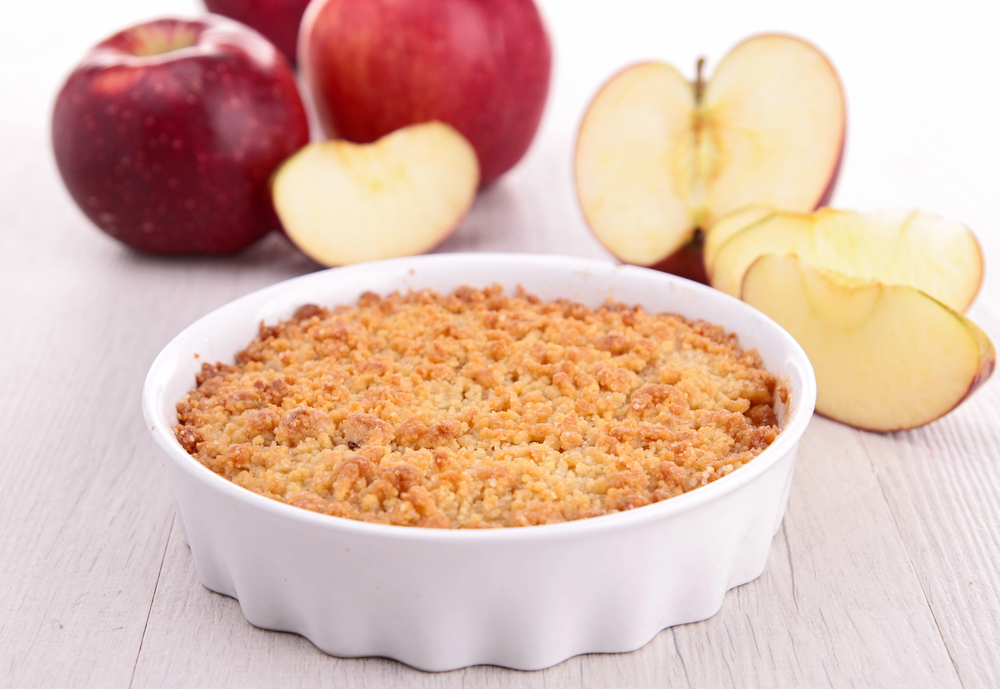
Modifying recipes is one strategy to improving health. Recipes can be modified to include more fruit and vegetables, contain more fibre, and /or contain less fat, free sugars or salt. Task the pupils to complete one of the recipe modification worksheets to demonstrate their understanding and application of healthier eating. There is a choice of five worksheets: Modifying recipes – bolognaise, Modifying recipes – cauliflower cheese, Modifying recipes – pasta and tomato sauce, Modifying recipes – sausage and mash, Modifying recipes – apple crumble. The Small change Big difference worksheets could also be used as an alternative activity.


To enable the pupils to apply their knowledge, show the Twist the dish! presentation and use the Twist the dish! Cards. Then set the challenge of creating a dish that exemplifies a particular healthy eating message, e.g. reducing saturated fat intake, reducing salt or free sugars or eating more fruit and vegetables.
Modifying recipes resources for 11-14 years

Healthier cooking methods

To recap on cooking methods and heat exchange, show the Heat exchange presentation. Task pupils to complete the Heat exchange worksheet.


To identify healthier ways to cook food, show the Healthier cooking methods presentation. Ask pupils to list the healthier cooking methods and for each method, suggest at least two different recipes.


To demonstrate understanding of healthier cooking methods, challenge the pupils to modify the cooking method for a particular food or recipe and evaluate the results. Examples of practical activities could be cooking an egg in a variety of ways, e.g. boiling, scrambling in a pan or a microwave, poaching and frying, or cooking sausages or burgers in a frying pan, under the grill or in the oven.


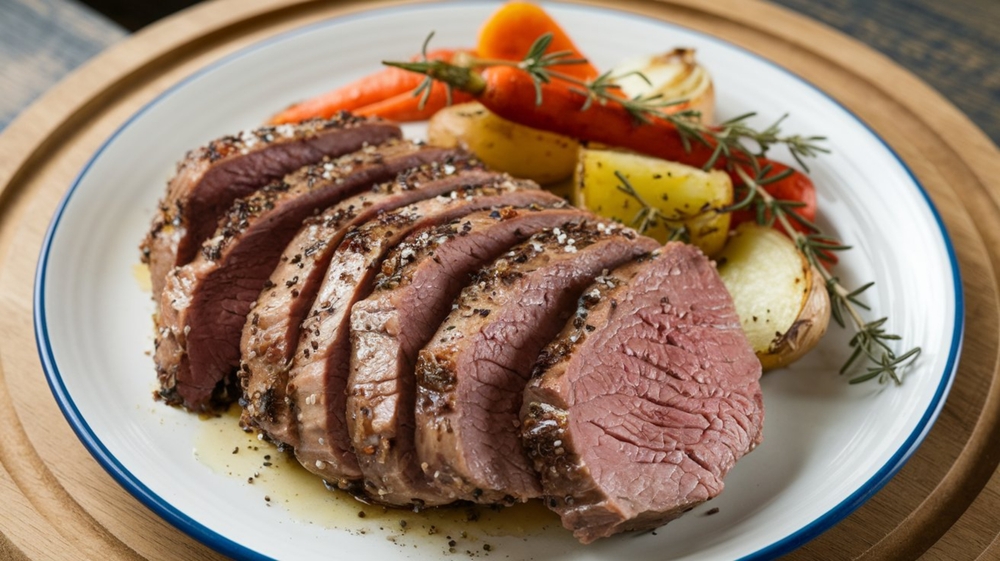
To check understanding of healthier cooking methods, task the students to complete the Cooking with red meat worksheet.

Healthier cooking methods resources for 11-14 years

Did you find this page useful?

We'd love to hear your feedback. If you would like a response, please contact us at [email protected]