Food availability
Geography, seasonality, weather and climate influence the availability of food and drink.
Where and when food is grown, reared or caught has an impact on its availability. Seasons primarily dictate the food being grown or caught, although weather and climate also have an impact.
Pupils should be able to discuss how these factors influence the availability of food and drink.

For other Where food comes from topics, click below:
Seasons for 3-5 years
Scroll through this carousel to see how you can teach about the seasons to pupils aged 3-5 years:

Learning
The aim of this session is for children to:
- explain that different fruit and vegetables are ready to eat at different times of the year (in different seasons);
- assemble their own seasonal salad by selecting and combining ingredients.
Click the arrows to see more!

You will need:
- Sensational seasonal salad recipe – choose ingredients from the season in which this session is run
- Season cards
- Get ready to cook cards
- Setting up a cooking session guide

Before session preparation
Prepare the ingredients and equipment in advance. What you will need is listed on the Sensational seasonal salad recipe.
Refer to the Setting up a cooking session guide to help you organise your session.

Listen and respond
Use the questions below to see if the children know the name of the current season and what the other seasons are called:
- What time of year is it now?
- What time of year is it when leaves turn orange and start to fall off the trees? (Autumn.)
- What time of year is it when all the leaves have fallen off the trees, and it’s colder? (Winter.)
- What time of year is it when it is warmer and some people start to wear t-shirts? (Summer.)
- What time of year is it when it can be quite cool, but new flowers like snowdrops are starting to appear? (Spring.)

Explain
Explain that there are four different times in a year and these different times are called the seasons – Spring, Summer, Autumn and Winter. Show the Season cards one at a time and read the name of the season. Talk about the months that are included in this season and who amongst the children has a birthday in those months.
Ask the children what foods they can see and explain that this is the seasons when these fruits and vegetables have finished growing and are ready to eat (in the UK). Go through each season again in turn, and ask the children which is their favourite Spring/Summer/Autumn/Winter food on the card.

Have a go
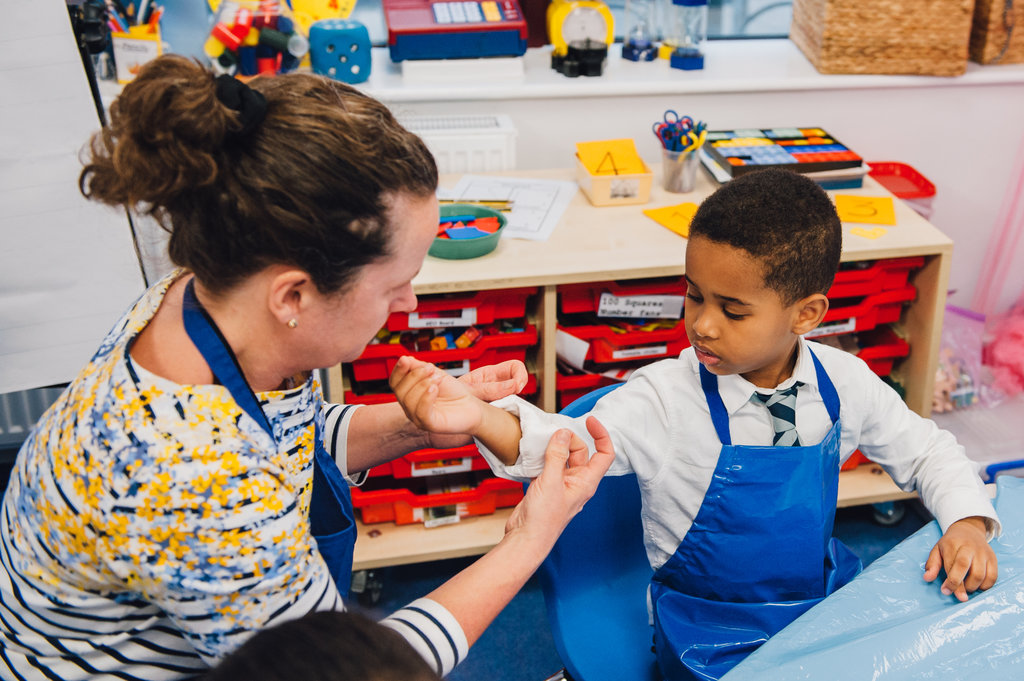
Organise the children into groups of four. Each group can take turns to work with an adult to make a seasonal salad. Make sure the children are ready to cook by using the Get ready to cook cards to talk through steps they need to take. Refer to the Setting up a cooking session guide for more information about why each step is important.
Explain to the children that they will be making a Sensational seasonal salad. Explain that you have fruit and vegetables from the current season and that they will be choosing from them to make their salad. Talk through the foods and show the children how to assemble their salad. Let the children make their own salads, selecting the ingredients they wish to add. Encourage the children to describe how the salads taste.

Consolidate
Arrange a visit to a farm or allotment or a walk where children will be able to see fruit or vegetables growing, e.g. blackberries on bushes, apples on trees, carrot or potato plants.
Listen to songs or read stories about the seasons.
Places for 3-5 years
Scroll through this carousel to see how you can teach about the places food is grown and sold to pupils aged 3-5 years:

Learning
The aim of this session is for children to:
- name and discuss places where food comes from, e.g. shops, supermarket, garden, allotment.
Click the arrows to see more!

You will need:
- Different shops sheets - laminated (optional)
- Food from shops cards – cut out, laminated (optional)

Listen and respond
Question the children to get them to talk about places where their food comes from.
- What have you eaten today?
- Where did that food come from? (shops, supermarket, allotment, garden)
- Who bought or grew the food?
- Have you ever been shopping /collected food from the garden or an allotment?
- What did you see?
- Shop /supermarket- shopping baskets, freezers, chilled areas, fruit and vegetables, meat, bread.
- Garden/allotment – soil, spade, shed, fruit, vegetables, people digging/watering).

Have a go
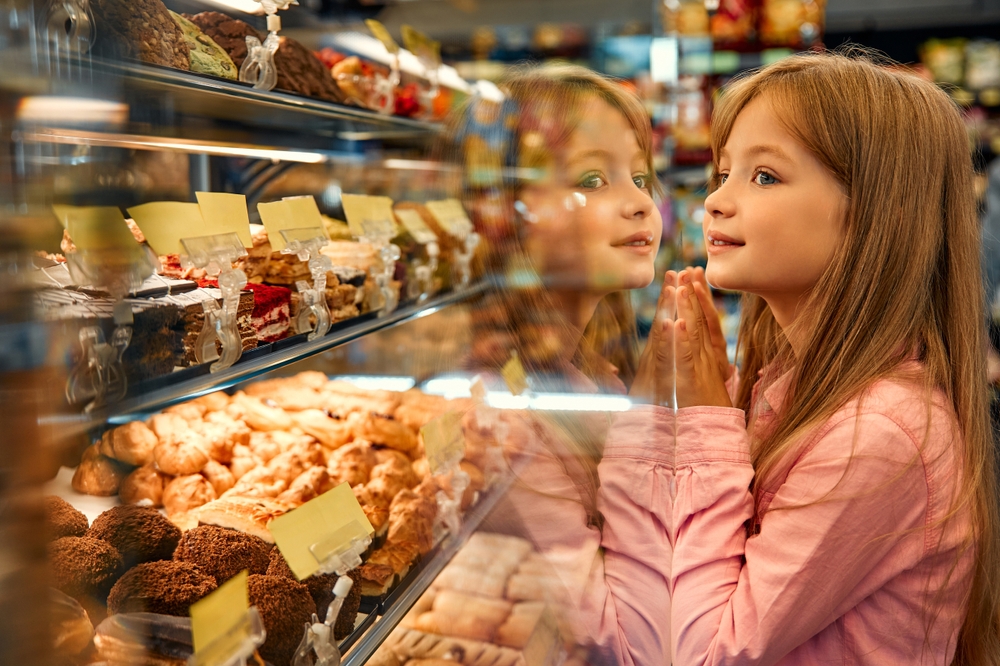
Talk to the children about the types of foods you might buy in a shop or supermarket/grow in the garden or allotment. Explain that sometimes we can go to shops which sell just one type of food, e.g. bread and cakes - bakery, meat – butchers, fruit and vegetables - green grocers, fish – fish mongers. Explain that in shops and in supermarkets all these different foods can often be bought together.

Activity 1
Four players. Give each child one of the Different shops sheets. Talk about what the different shops are called, e.g. butchers, and ask them to name some of the foods they can see. Ask them if they have been in any of these types of shops, or if they have seen places like these in parts of a supermarket or shop. Spread out the Food from shops cards. Take each card and ask the children to name the food and decide if it comes from the shop on their sheet. If the food does belong on a child’s sheet, they can put it on one of the square spaces. Continue until the children have each covered all of the squares on their sheet.

Activity 2
In a small group. Work with the children to create 3D models of foods which can be bought in shops or supermarkets or grown in allotments or garden. The children could make their models from dough, which could then be painted and used in an imaginary shopping /gardening game. You could give different groups a theme, e.g. foods from a bakery, a butchers, a green grocers, fish mongers. As the children make their models, talk to them about their individual experiences of shopping or harvesting food.

Consolidate
Set up a supermarket or individual shops in the imaginary play area. If you have toy foods you could use these, or, if they are suitable, models of foods the children made. Demonstrate an imaginary shopping trip/gardening activity with the children. Ask some of the children to take the role of a parent or carer, a child and a cashier. Role play a visit to the shop/allotment with the children to get them started. Let the children create their own games based around this idea.
Food availability for 11-14 years
The lessons and resources below will cover:
- Where food is grown, reared or caught around the UK, Europe and rest of the world
- Seasonality and food choice
- The impact of weather and climate

Where food is grown, reared or caught around the UK, Europe and rest of the world
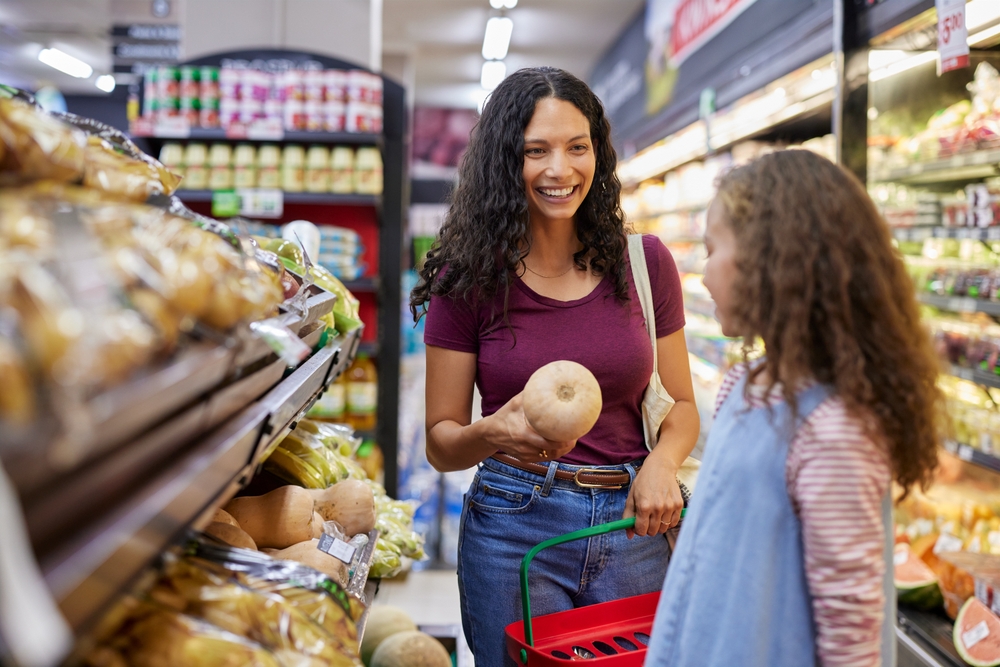
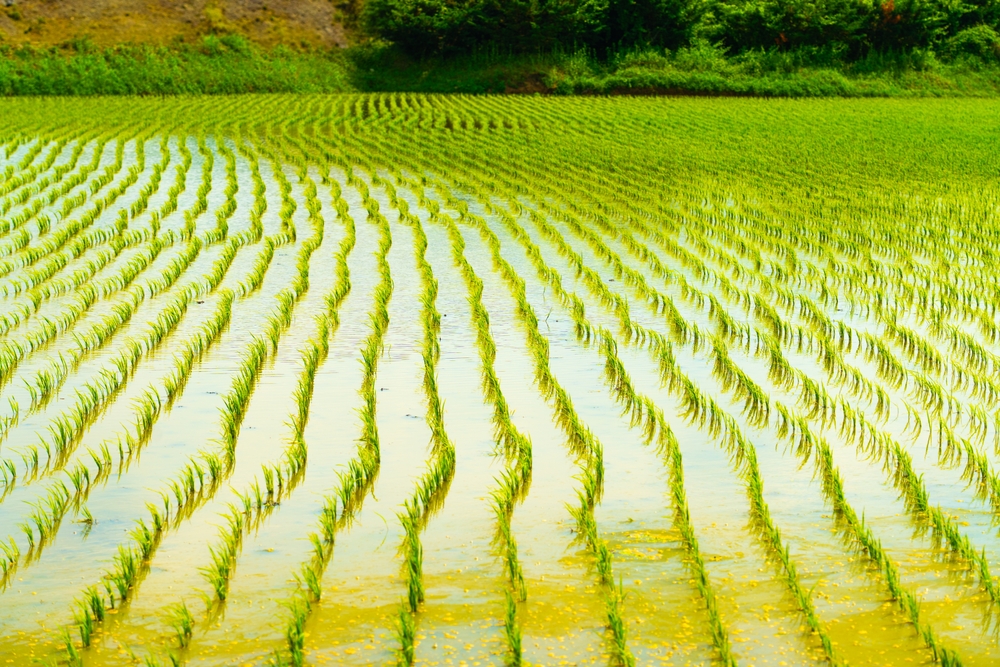
Pupils may live in areas where food is grown, reared or caught and may be familiar with the foods that are local to them, others may live in cities or towns and fields of crops or animals grazing may be a less familiar sight. Use the Where is my food from? presentation to highlight where foods are grown, reared or caught around the world.
On a UK map, task the pupils to locate 20 foods that originate from the British Isles.

To encourage the pupils to think further about where their food comes from, ask them to complete the Where is my food from? activity. They should look in their food cupboards at home or in their fridge or freezer and find five products. They should look at the packaging to see where the product has come from and then use the internet to find out how many miles the products have travelled, e.g. India to England is approximately 4,200 miles. They should then suggest a possible alternative which would not have to travel as far from the place of production, e.g. oranges from Spain rather than from Florida.
The Eatwell Guide recommends that starchy carbohydrates should make up just over a third of what we eat. There is a wide range of starchy carbohydrates available that can be used to make creative and exciting dishes. Task the pupils to research starchy carbohydrates and complete the Around the world activity worksheet. Challenge them to make one of the recipes they found.
Provide a range of ingredients or images of foods from different countries. Ask the pupils to match the name against the ingredient. Discuss why the foods are found in different countries and the effect of weather and climate.
Challenge the pupils to create a traditional recipe from an area or region in the UK. Task them to research the food history, traditions and produce of their chosen region or area.
Where food is grown, reared or caught resources for 11-14 years
Seasonality and climate
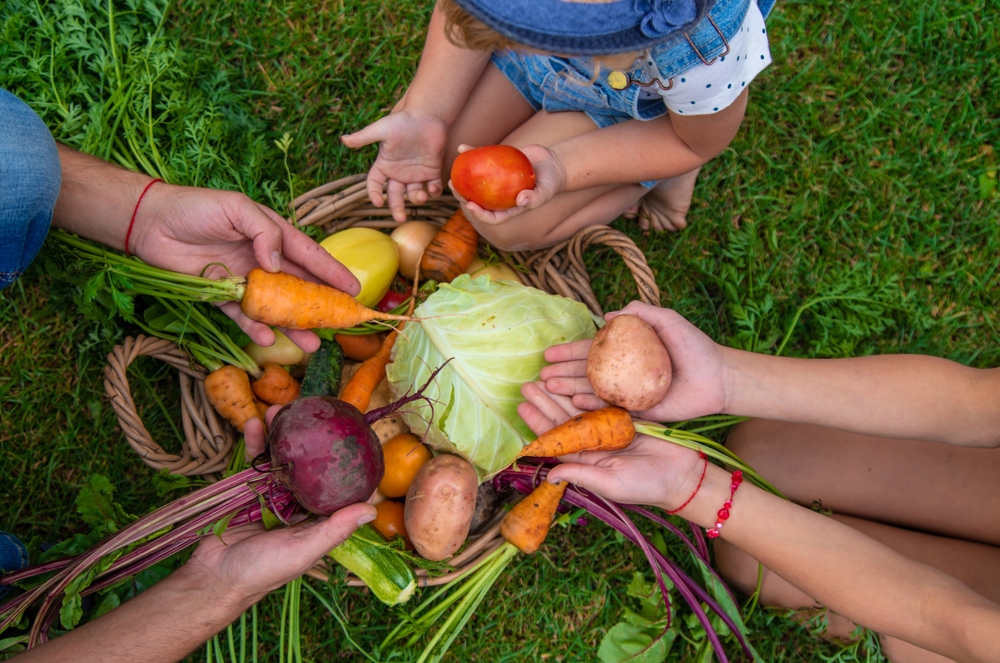
The best time to buy fruit, vegetables and some animal products is when they are in season. The foods are often cheaper and fresher and buying seasonally, and especially locally, supports British farmers and producers. To highlight the different produce that is available through the seasons, show the Seasonality presentation.
Create a chart showing the four main seasons. Ask the pupils to list ten food items available in the UK in each season.
Set the pupils a challenge to list all the fruit and vegetables that they eat in a week. Where were they from? Were the fruit and vegetables in season in the UK or grown somewhere else in the world?
Set the pupils a practical challenge using seasonal ingredients. Remind pupils that it is not just fruit and vegetables that are seasonal. Food from animal sources can also be seasonal such as spring lamb, game (such as grouse or pheasant) and fish and shellfish.
Challenge the pupils to create a presentation that explains the benefits of local more seasonal food.
Ask a local farmer or food producer to talk to the pupils about the seasonal produce grown in the local area.
Set a sensory evaluation challenge for the pupils using fresh local ingredients, such as strawberries, and compare them with strawberries that have been imported, dried, frozen or canned. Carry out a preference test to see which they prefer and why. Also discuss the cost of the different products and the reason why some foods are imported, dried, frozen or canned.
All foods will begin to deteriorate as soon as they have been killed or harvested. Preservation techniques are used to extend the shelf life of products. Preservation techniques, such as freezing, can also help to retain the nutrients in vegetables such as peas. Task the pupils to research how peas are harvested and frozen ready for sale.
Some pupils may not have experienced fresh produce such as peas or broad beans in their pods, corn on the cob still wrapped in its leaves or Brussel sprouts still on the stalk. If you have access to a fresh produce market, why not buy a selection of these foods to show the pupils? The pupils could carry out a taste test and compare them with a frozen or tinned version of the produce.
Buy a selection of seasonal food, perhaps focusing on your local area, and set the pupils a ‘ready steady cook’ style practical challenge.
The weather and climate impacts where and how food is grown, reared or caught. Changes in the weather or climate can seriously affect the food available and also people’s lives. To highlight the issues around food production and weather/climate, show the Food production, weather and climate