Cooking skills

Cooking skills

A broad range of ingredients, equipment, food skills and techniques, and cooking methods are used to achieve successful results. 


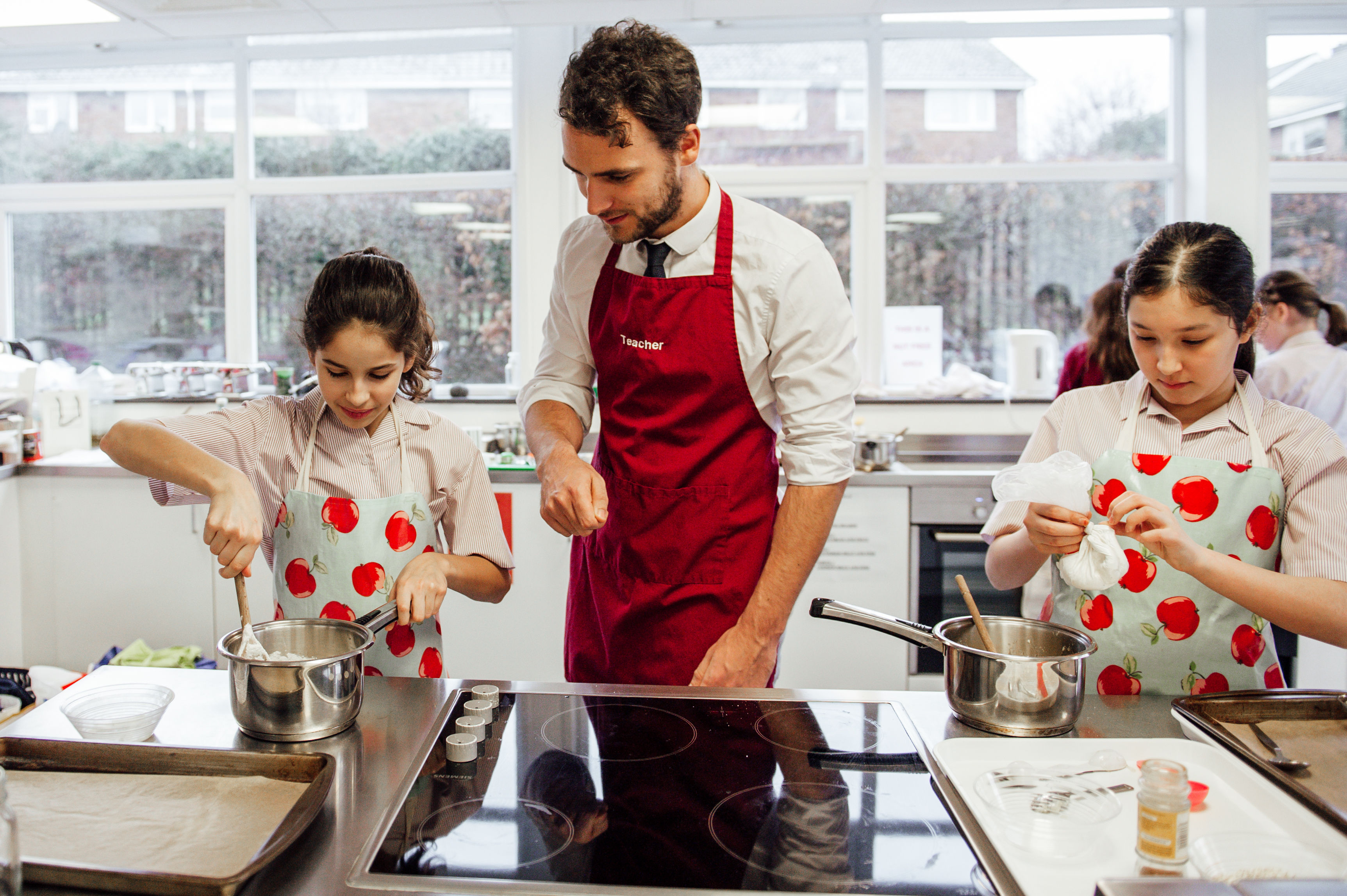
Cooking activities are a great way for pupils to apply their knowledge and skills in a practical, visible way. Pupils should become competent in a range of increasingly complex preparation techniques and cooking methods, using a broad range of ingredients and equipment.  Ingredients should be handled, prepared and cooked following safe and hygienic practices and pupils should be provided with opportunities to make choices and demonstrate creativity.


Dishes made should be predominately savoury and reflect current healthy eating advice.


Pupils should be able to demonstrate and apply their knowledge and practical skills in an increasingly complex way, safely and with precision.

For other Cooking topics, click below:

Cooking for 3-5 years

The aim of this session is for children to:

  • make a simple dish using basic food skills;
  • name the skills used to prepare the recipe;
  • explain how ingredients change when they are prepared.

You will need

  • Setting up a cooking session guide
  • Get ready to cook cards
  • A recipe and corresponding presentation - recipes are available from the Food – a fact of life website in the Recipe section. You will need the equipment and ingredients listed on the recipe.

Listen and respond

Before the session you will need to organise your cooking area. Refer to the Setting up a cooking session guide to help. You will also need to gather and organise the ingredients and equipment needed to make the dish. Each recipe states how many it will serve or make. You will need to multiply the ingredients depending on the number of children who will be making the recipe. 


Explain to the children what they will be cooking. Question them to see if they can remember what they need to do before they get ready to cook. You could use or display the Get ready to cook cards to remind the children.  Show the presentation which corresponds with the recipe the children will be making. You could show this on a computer or interactive whiteboard.  Alternatively, print out the presentation, show or display each printed slide, and talk about how the recipe is being made. Question the children:

  • What food can you see?
  • What equipment can you see?
  • What is happening/what skills are being used?
  • How is the food changing?

Have a go

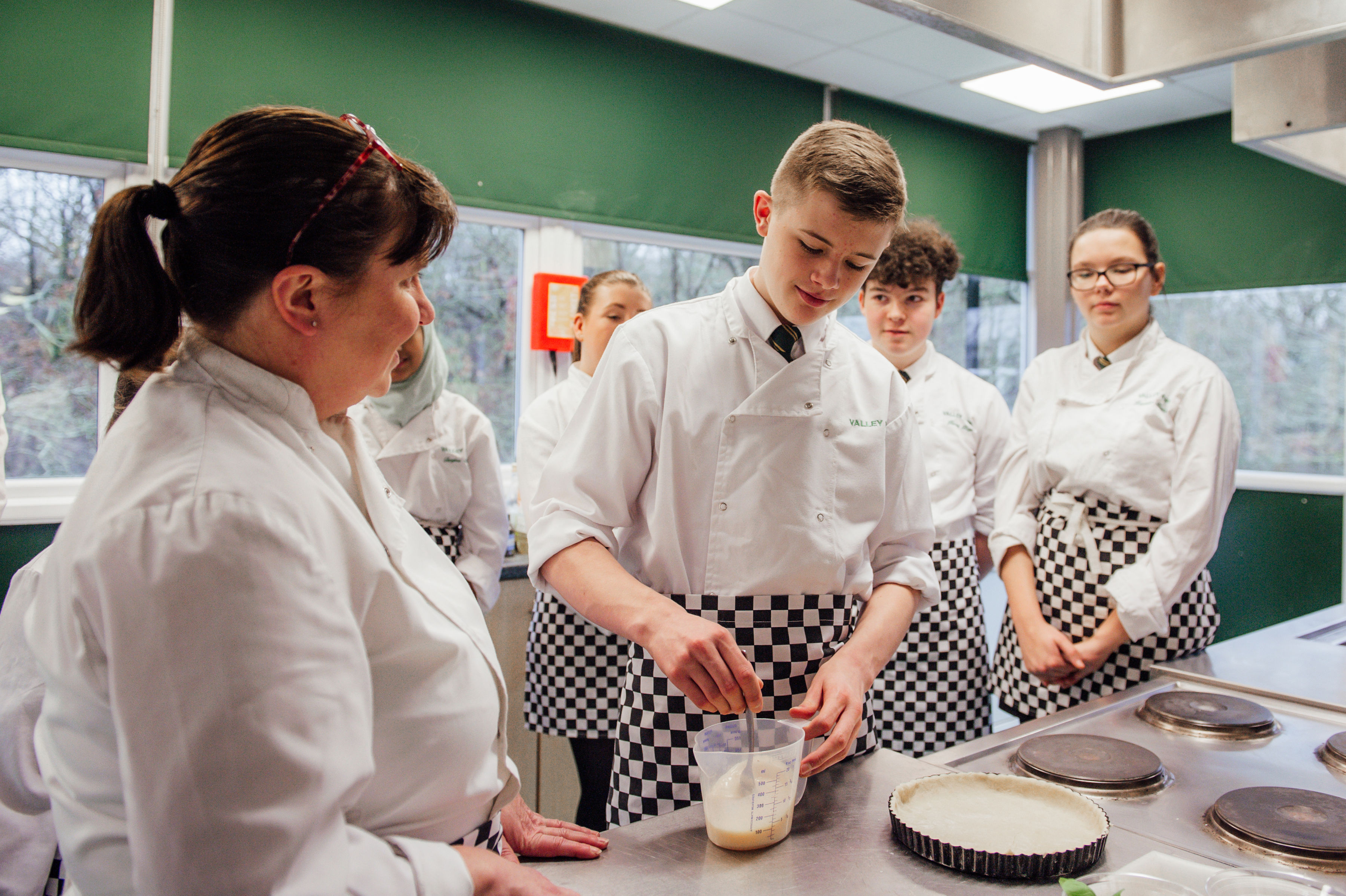
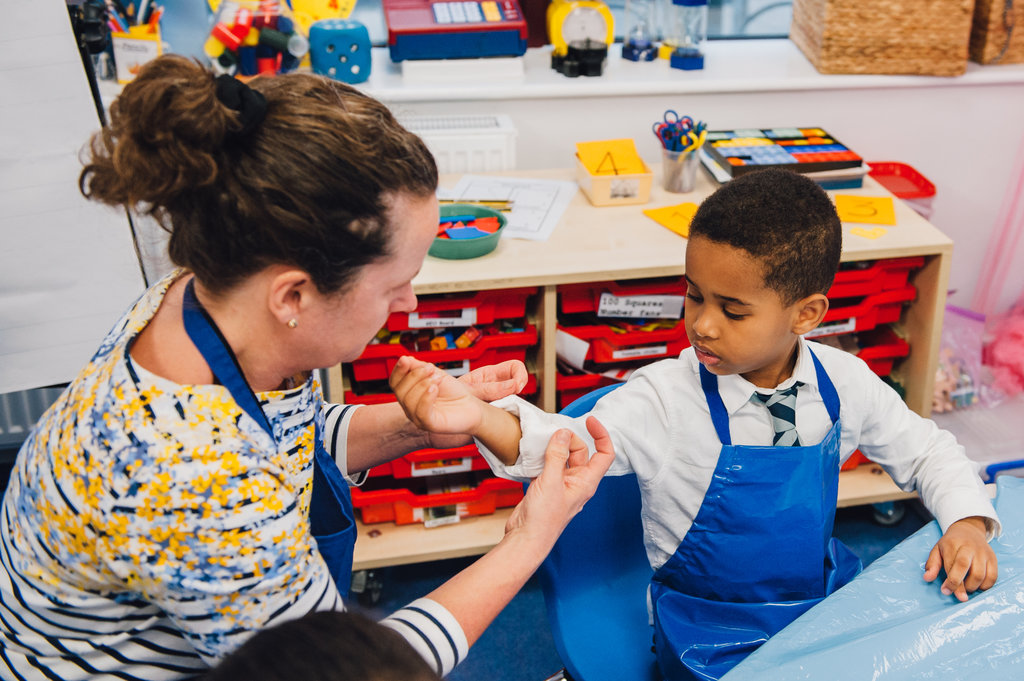
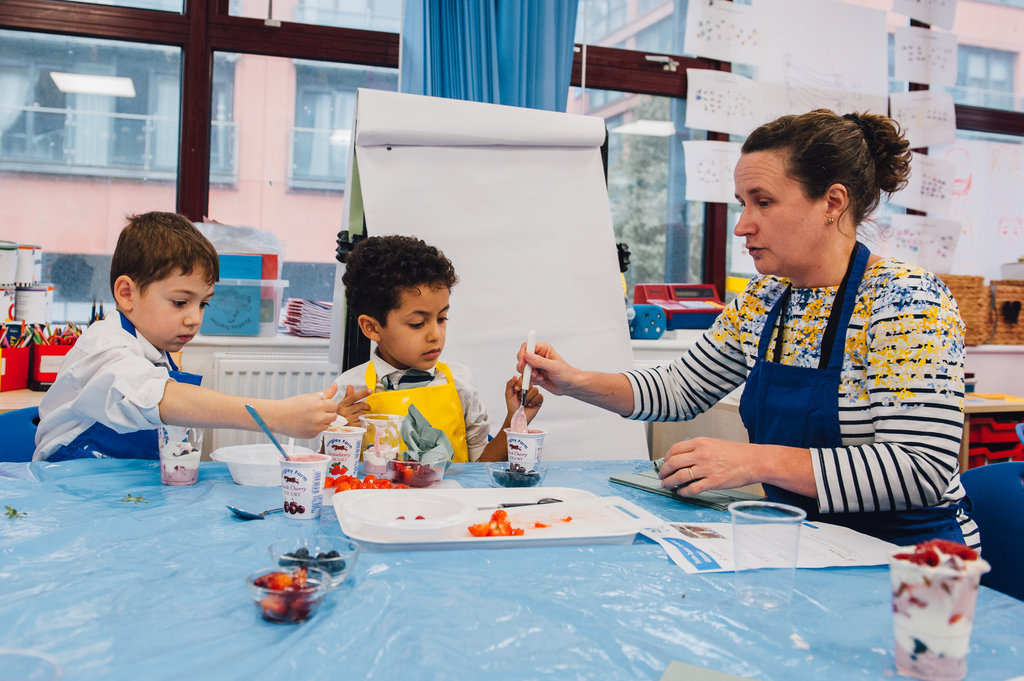
Work with the children in groups of four to prepare the recipe.  Get yourself ready to cook and help the children get ready. Work with the children to make the dish. Talk about working carefully, and show them how to use the equipment safely. As you make the dish with the children, challenge them to name equipment and skills being used. Talk about the effect the preparation is having on the ingredients by questioning the children as each ingredient is prepared, e.g. What are we doing to this food? What equipment are we using? How is the food changing? Ask the children to tell you what the ingredient looked like before and after and how it has changed. Why do we need to change the ingredient?

Consolidate

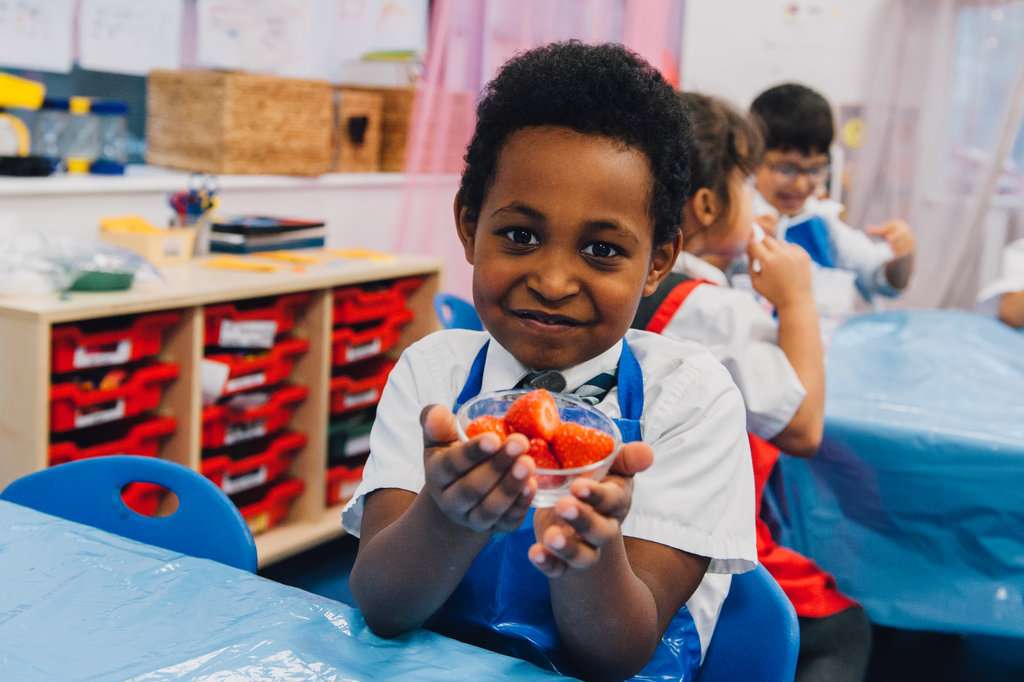
Let the children taste what they have made.  Discuss how it looks, smells and tastes.  The children could fill in the ‘I have tried these foods’ sheet from the My food book (from the Food and drinks – choices session). Repeat this cooking activity another time with a different recipe.

Cooking for 5-7 years

The key learning objectives are:

  • when planning to cook, the time of day, person and occasion need to be considered;
  • there is a variety of ingredients that can be used for cooking;
  • there are lots of different pieces of equipment used in cooking, some of which have special jobs;
  • it is important to store, prepare and cook food safely and hygienically;
  • there are a number of basic food skills which enable a variety of dishes to be made.

Activity 1 - There are a range of basic cooking skills

Explain to the children that we need certain skills to be able to make snacks and meals.  Ask them to recall some of the skills they used last session when making their playtime snacks. For example:

  • washing;
  • peeling;
  • juicing;
  • grating;
  • cutting (with scissors).

You could make a list of these or display the appropriate Actions cards.


Ask the children to think of other food skills which might be needed for cooking.  What have they seen others do when cooking?

Show some or all of the following videos:

  • Coleslaw;
  • Cous Cous Salad;
  • Fruit Salad;
  • Sandwiches;
  • Smoothie.

As you show each video, ask the children to identify two or three key skills needed for each recipe and keep a list, which can be seen by the whole class, of these skills under the heading of each recipe. 


The children should decide on two of the recipe videos they have seen and, using the Cooking skills worksheet, illustrate two or three key skills needed in those recipes.


Click the arrows to see more!

Activity 2 - Basic cooking skills are required to make a dish

In advance of the lesson, decide on one or two non-heat cooking activities that will require children to use a knife, e.g. sandwiches, fruit salad, dip.


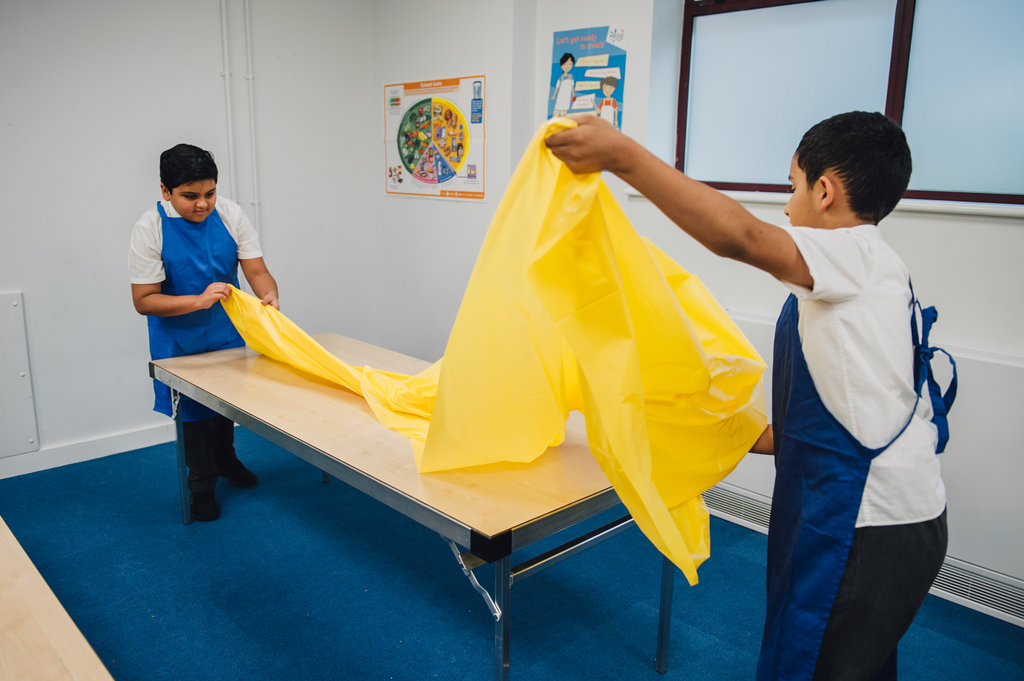
Organise the classroom, equipment and ingredients to allow a cooking session to take place.  Plan how you will work with the children, e.g. half a class at a time. See the Setting up a cooking session guide.


Explain to the children what they will be making.  Talk through the hygiene rules for cooking.  Use the Hygiene and safety checklist in the Setting up a cooking session guide for reference and display the Let’s get ready to cook poster for the children to see. 


Talk through the recipe and demonstrate what the children will have to do.


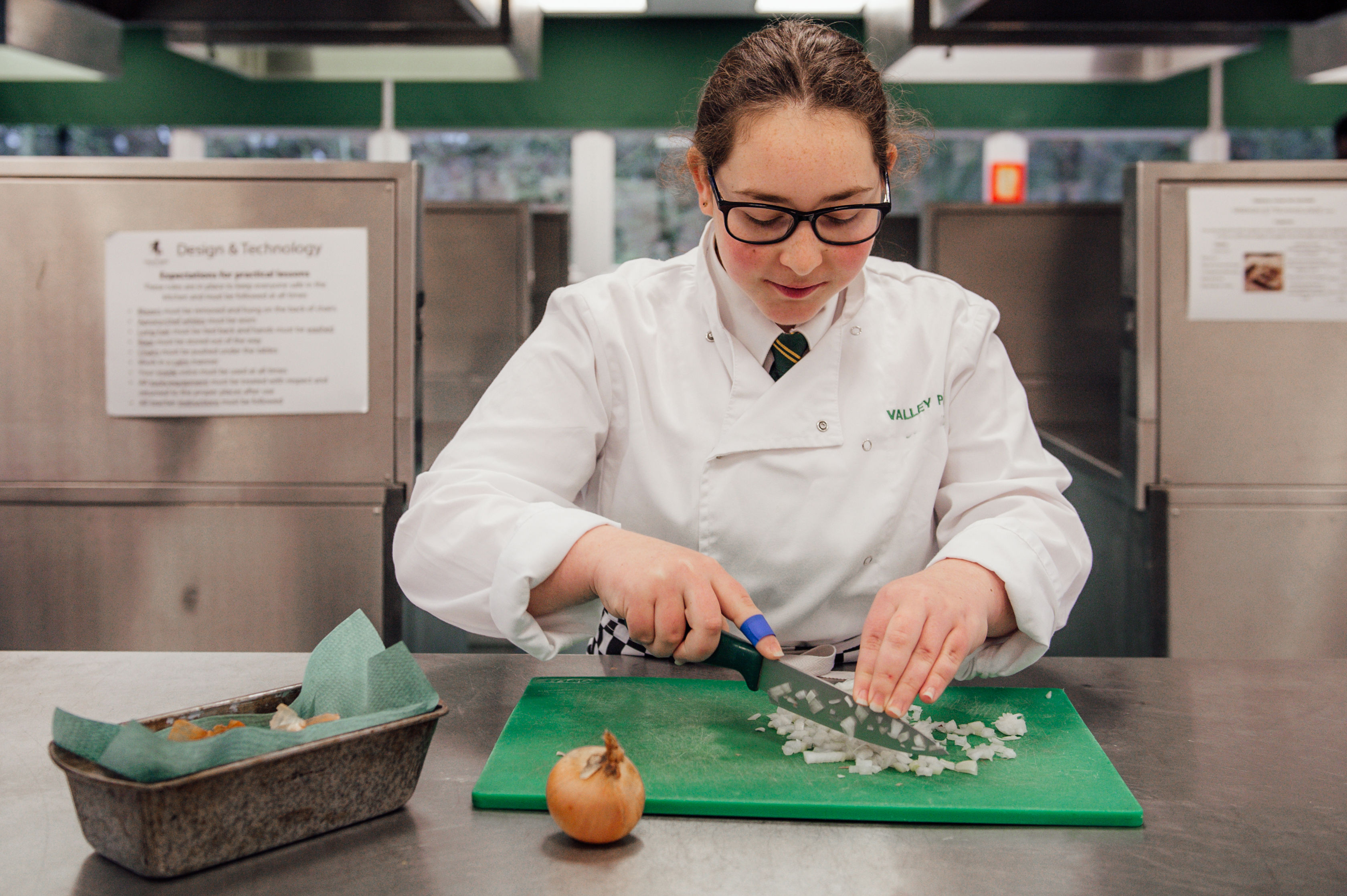
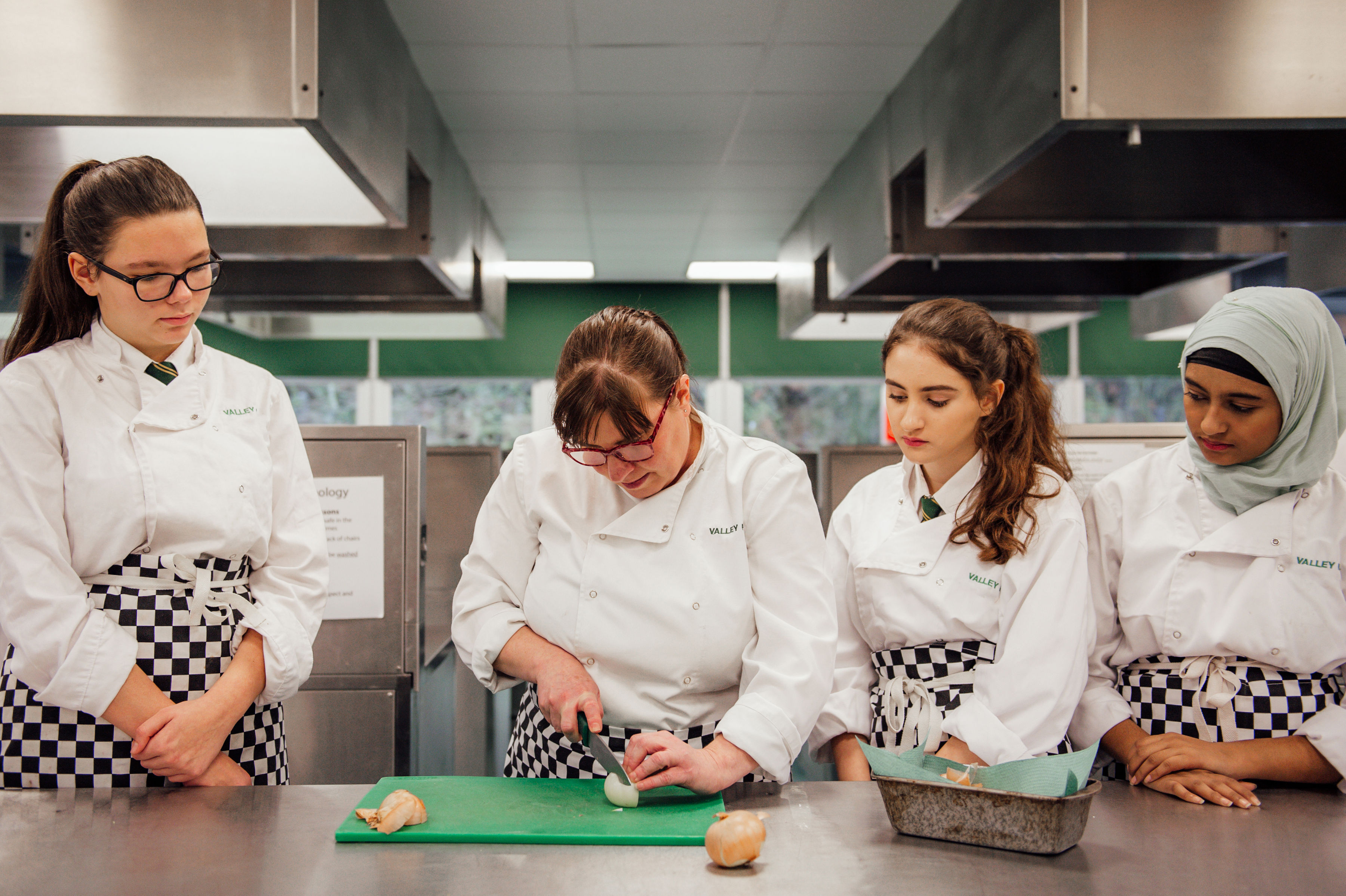
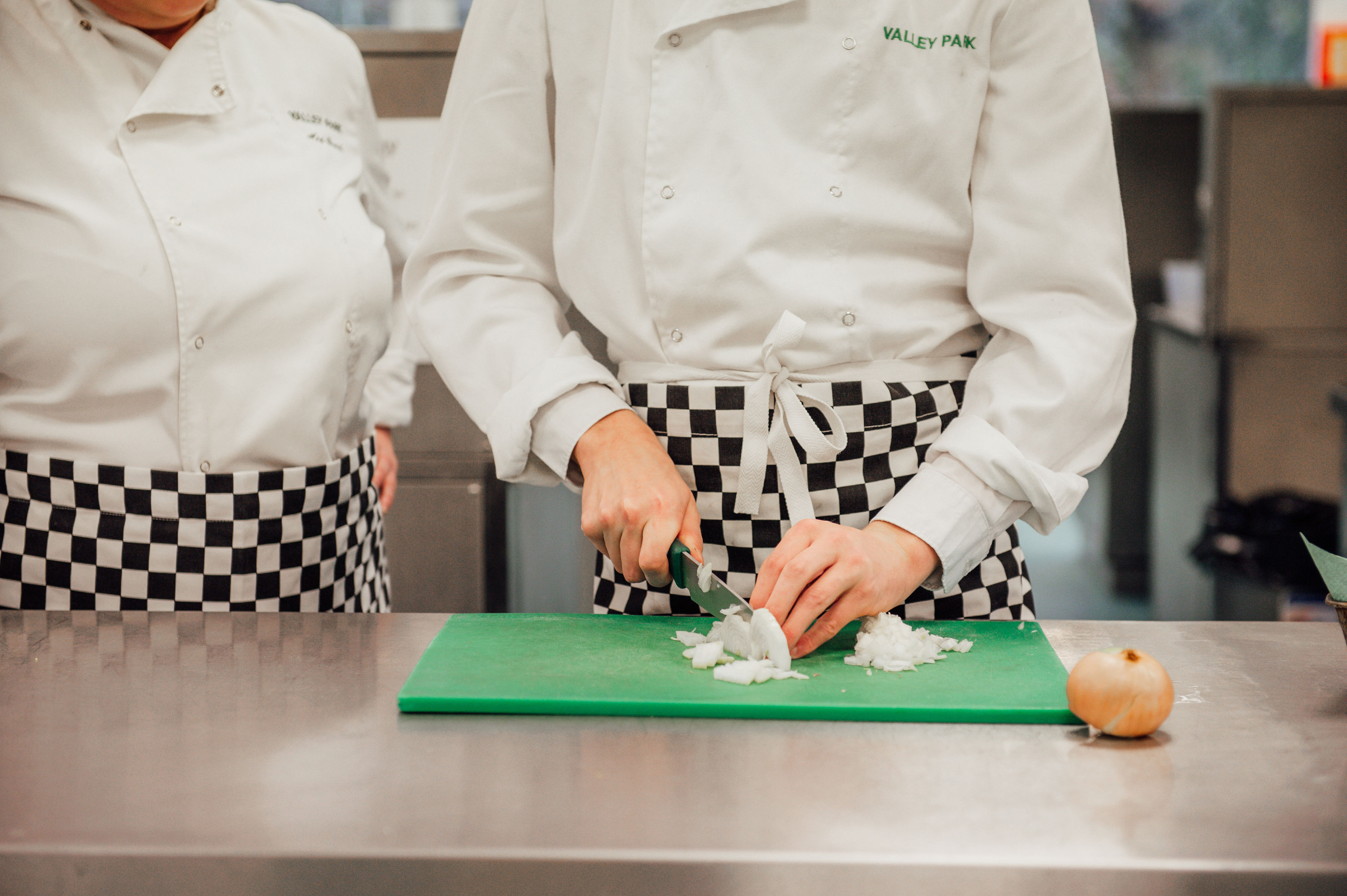
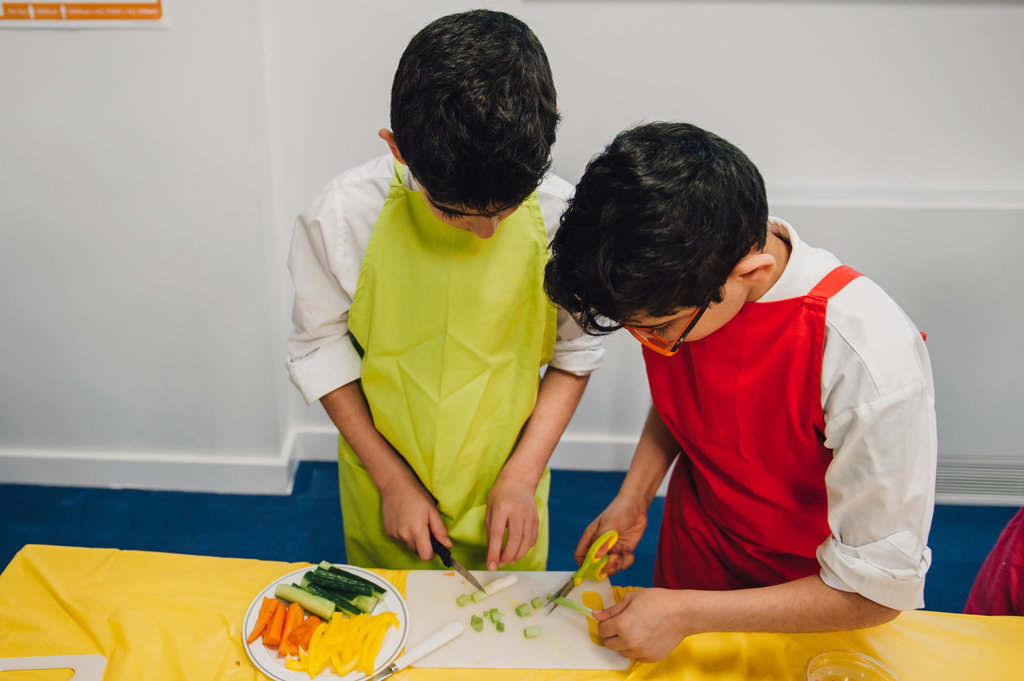
Be clear and precise when demonstrating how to use the knife in a safe and appropriate way.  See Skills guide. Demonstrate:

  • bridge hold;
  • claw grip;
  • fork secure.  

Use the Bridge Hold video and Claw Grip video to reinforce good practice.


Ensure children understand that when they finish cutting, they must put the knife down.  They should not hold it while they do other things or move around the room.  This rule also applies to other sharp or pointed equipment. 


Allow the children to carry out their cooking activity. You can use the How do you make soda bread worksheet, Make a potato salad worksheet or the How to make a sandwich lesson plan as examples of what can be made. 


Gather the children to look at what they have made. Question them:

  • Did you enjoy making this?
  • Would you make it again?
  • Would you do anything differently?
  • What equipment did you use?
  • How did you use it safely?
  • What can you do now that you had not done before?

Allow the children to taste what they have made. Remember to instruct the children on how to do this hygienically.

Further activities

  • Ask different children to come to the front of the class and mime a food skill, e.g. grating cheese, washing grapes.  See if other children can guess what they are doing. For each skill guessed, ask if anyone can name another food this skill could be used with.
  • Get the children to talk about the rules for tasting, being hygienic while cooking and using a knife safely. 
  • Use other non-heat recipes which allow children to explore different food skills. To help create time for more food work, link it into other curriculum subjects. 
  • Use the Make a super sandwich worksheet, Cooking potatoes worksheet and the How potatoes change when they are cooked worksheet to allow children to explore what happens when food is cooked.

Cooking for 7-11 years

The key learning objectives are:

  • When planning to cook, it is important to select the most suitable ingredients, equipment and food skills for successful results;
  • Around the world people use a range of different ingredients, equipment and cooking techniques to prepare food;
  • When planning to cook consideration should be given to current healthy eating advice, the needs of different people and occasion;
  • Buying, storing, preparing and cooking food safely and hygienically are vital for health;
  • There is a range of additional food skills and cooking techniques which enable a wide range of dishes to be made.

There are a number of basic food skills which enable you to prepare a variety of simple dishes.

This learning objective should be taught through practical food preparation and cooking experiences.

Recap with the children the basic food skills they have already learned. These should include:

  • the Bridge Hold;
  • the Claw Grip;
  • grating;
  • peeling.

Show the videos of these skills in action. Ask the children:

  • Who has used these skills?
  • What did you make?

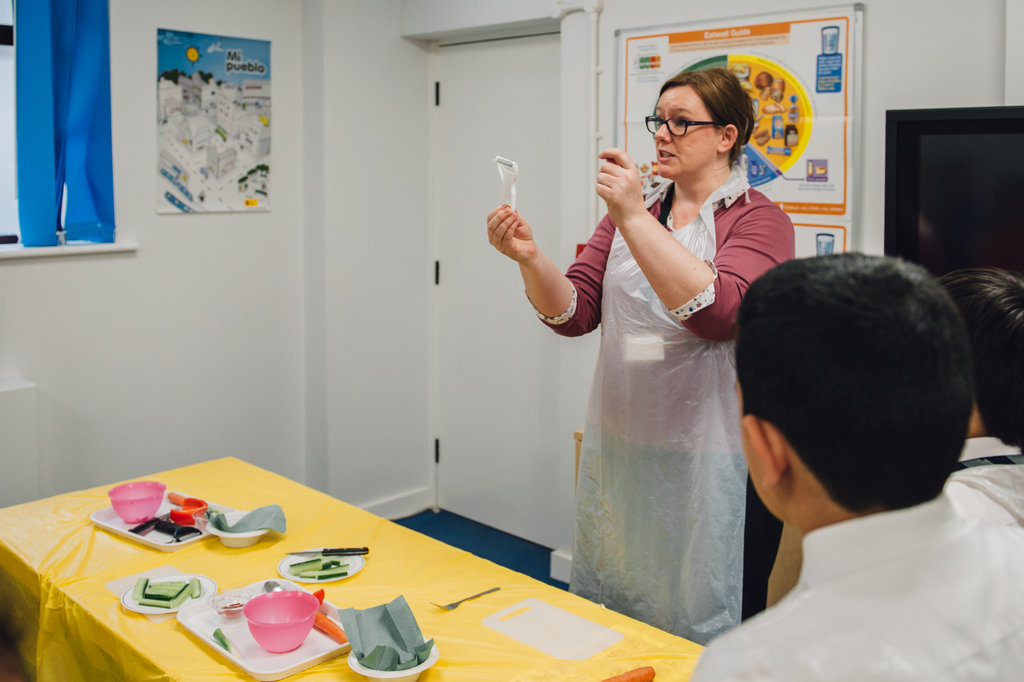
If time allows, demonstrate these skills to the class – this will not only create excitement, but will enable children to understand what is required at first hand. See the Demonstration guide for support. Involve the children by allowing several volunteers to help. Ensure that good personal hygiene and safe techniques are followed at all times. Go through each skill carefully to ensure that all children understand the safety aspects. See the Cooking guide to support.


You may wish to consolidate this previous learning by viewing additional recipe videos and/or setting up basic cooking activities.

For example you could show and/or make:

  • Fruit Salad – using key skills to prepare a delicious and colourful salad;
  • Simple Sandwiches – practicing slicing and spreading skills;
  • Coleslaw – using slicing, grating and combining skills;
  • Fruit Smoothie – using a blender, with supervision.
  • Veggie Snacks – a hummus/yogurt mix in cucumber and pepper shells;
  • Layered Salad – a colourful layered salad.

To further extend their range of skills and cooking techniques, introduce children to the following recipes.

This set of recipes builds on their basic skills, but also involves the use of heat in preparation and cooking:

  • Cous Cous Salad – slicing and chopping, using a kettle to cook the cous cous, combining;
  • Vegetable Kebabs – slicing foods and threading vegetables safely;
  • Chunky Soup – different vegetable preparation, using a hob.

Although your school may not have the facilities, children could also be introduced, either through a demonstration or video, to:

  • Stir-Fry Prawns – root ginger preparation, orange segmentation and stir-frying;
  • Curry in a Hurry – Quick Lamb Rogan Josh and Mushroom and Chickpea curries.

These skills can be further enhanced by the teaching and learning of the following recipes to introduce new experiences and skills:

  • Bread – accurate weighing and measuring, kneading, proving, shaping and baking;
  • Fruit Scones – sieving, rubbing-in, combining, rolling out, cutting, baking;
  • Gingerbread People – melting, combining, rolling out, cutting, baking, decorating;
  • Fancy fish fingers - dusting, dipping, coating;
  • Smoked haddock samosas - combining, assembling, folding.


These could be extended through:

  • Delicious Dough: Pizza – rolling out, choosing traditional toppings, arranging and Chelsea Buns – rolling out, sprinkling, rolling up, slicing, baking;
  • Cheese Straws – sieving, rubbing-in, grating, combining, cutting, baking;
  • Blueberry Muffins – measuring, combining, sharing equally.

Additional ideas are also available as recipe cards and PowerPoint, including:

  • Haulomi kebabs – grilled cheese and vegetable kebabs;
  • Tomato, bean and pasta soup – a tasty Italian inspired vegetable soup.

All recipes stated above include suggested modifications, e.g. to promote fruit and vegetables or reduce fat or salt. Not all recipes need to be used – be selective and choose those best suited to the needs/abilities of the children you teach and the facilities you have in your school.

Plenary

Recap with children:

  • There are a number of basic food skills which enable you to prepare a variety of simple dishes.
  • There are lots of other food skills and techniques which enable you to extend the dishes you can already cook.

Further activities

Create a class or school recipe book featuring all the dishes that are cooked. Use a digital camera to record the results, along with action sequences of cooking.


Cook a variety of dishes on a theme, e.g. 5 A DAY, World War 2, countries around the world.


If your school has a gardening/growing area, see if you can use the vegetables or fruit in your cooking sessions. Raised beds, pots and hanging baskets are perfect for smaller schools or those with limited gardening space.

Cooking for 11-14 years

The key learning objectives are:

  • Current healthy eating advice, dietary needs, socio-economic factors, preferences, occasion and cost need to be considered when planning to cook;
  • Ingredients are selected for their nutrition, functional and sensory characteristics, as well as provenance and seasonality;
  • Recipes and cooking methods can be modified to help meet current healthy eating messages;
  • Good food safety and hygiene practices are essential to reduce the risk of food poisoning;
  • A broad range of ingredients, equipment, food skills and techniques, and cooking methods are used to achieve successful results.

Cooking activities are a great way for pupils to apply their knowledge and skills in a practical, visible way. Pupils should become competent in a range of increasingly complex preparation techniques and cooking methods, using a broad range of ingredients and equipment. 


Ingredients should be handled, prepared and cooked following safe and hygienic practices and pupils should be provided with opportunities to make choices and demonstrate creativity.


Dishes made should be predominately savoury and reflect current healthy eating advice.


Pupils should be able to demonstrate and apply their knowledge and practical skills in an increasingly complex way, safely and with precision.


This area covers:

  • use of a variety of utensils and electrical equipment;
  • demonstration of an array of techniques and cooking methods;
  • use of leftovers.

Use of a variety of utensils and electrical equipment

Many pupils will have weighed and measured ingredients at home or at primary school. However, some may not.


Using measuring spoons, measuring jugs, digital scales and balance scales (if you have them), task the pupils to weigh and measure ingredients, such as water and flour.


To ensure accuracy in measuring, impress upon the pupils the importance of accurate measurements as too much or too little of an ingredient may impact the quality of the final dish.


There are three short video clips to support this activity: Weighing ingredients, Measuring liquids and Measuring with spoons.


Click the arrows to see more!

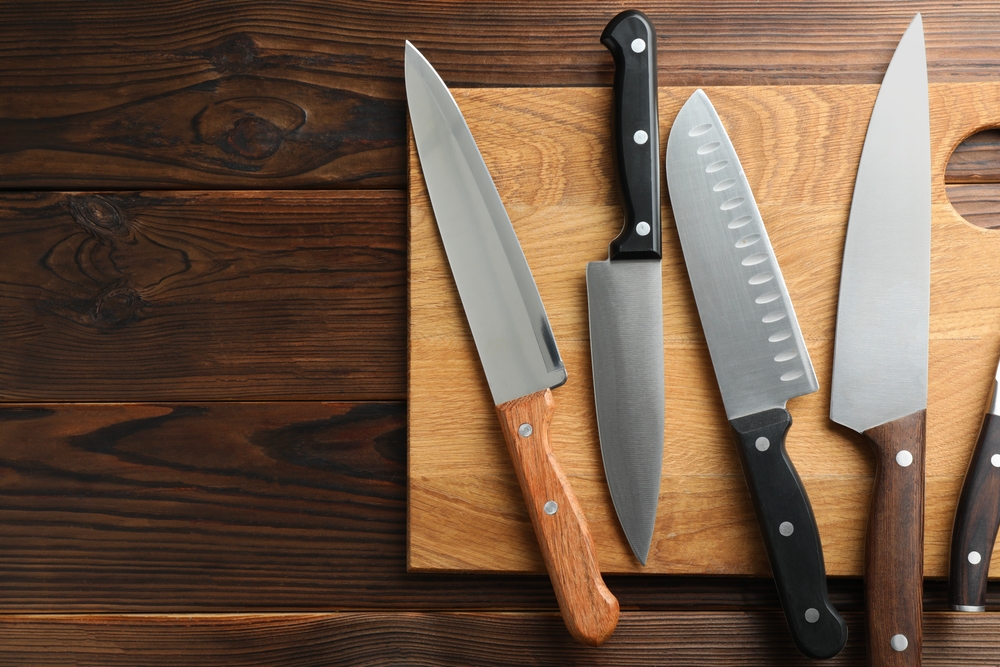
Demonstrate the safe way to use sharp knives using the Safe cutting techniques information sheet to support. Challenge the pupils to make a simple recipe, such as fruit kebabs, dips and crudités, coleslaw or an interesting sandwich, to consolidate this learning. For recipe ideas, go to the Recipe area.


To highlight the importance of the safe use of equipment, discuss the hazards and risks associated with utensils and equipment and task the pupils to complete the Using equipment safely activity.


Challenge the pupils to make a simple recipe using the grill and complete the Cooker safety practical knowledge triangle. The activity sheet is based on a grilled sandwich but can be edited. There is also a Blank Cooker safety knowledge triangle.


Use the Cooker safety certificate task and/or alternatively use the Cooker safety challenge and record sheet. Award successful pupils with a Certificate.

Using a recipe that the pupils will be making in school, ask them to identify the equipment needed and practical skills that will be used. The Identify the equipment needed activity uses a pizza swirl recipe as an example.


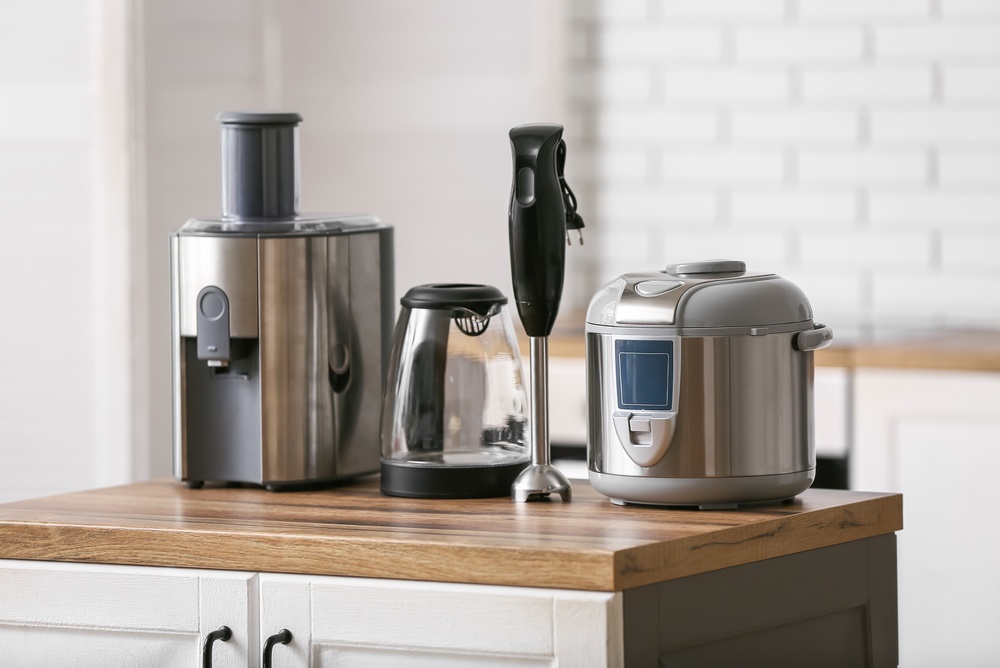
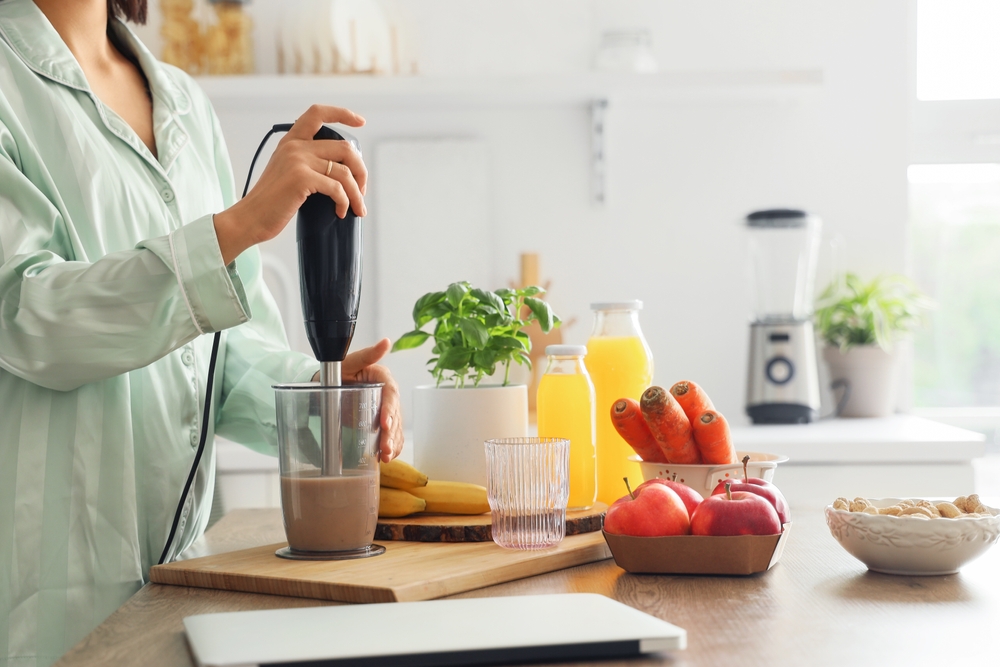
Using the Using electrical equipment to modify textures activity, challenge the pupils to make a simple tomato sauce recipe and then modify the texture using a stick blender, liquidiser or food processor. They should then conduct a sensory evaluation.


Using the Kitchen equipment cards, test the pupil’s knowledge of kitchen equipment and how it is used. Ask one pupil to the front of the class and show them an equipment card, the pupil should then describe the piece of equipment without saying what it does or its name.


Over a series of lessons, ask the pupils to keep a kitchen equipment diary. They can record what they have used, what is was used for and aspects of safety.

Demonstration of an array of techniques and cooking methods

Pupils should be able to demonstrate an increasingly complex range of practical techniques and cooking methods. Practical tasks and recipes used will be dependent on space, equipment and time available as well as the level of manual dexterity of each pupil. Use the practical skills videos during the lesson as part of a demonstration or for flipped learning/homework.


Using the Skills quiz presentation test the pupil’s knowledge of practical food skills. Challenge the pupils to name a dish that is prepared using each of the skills.


Demonstrate the safe use of knives and then challenge the pupils to prepare ingredients accurately and with precision. Use the Knife skills activity mat to showcase the pupil’s cutting skills. If time is short, choose one or two cuts that the pupils should demonstrate. Alternatively, ask the pupils to work in pairs with one as the instructor and one as the demonstrator. The instructor should give clear instructions to the demonstrator as to how to produce each vegetable cut.


To track practical skills and enable pupils to self-assess, use the Food skills audit.


Click the arrows to see more!

Food is cooked using three main methods of heat transfer: convection, conduction and radiation. Use the Heat exchange presentation to explain these methods.


Use the What happens when meat is cooked? activity sheet and What happens when meat is cooked? teacher's notes to explain the three methods of heat transfer. Use the What happens when meat is cooked? information sheet to extend knowledge further.


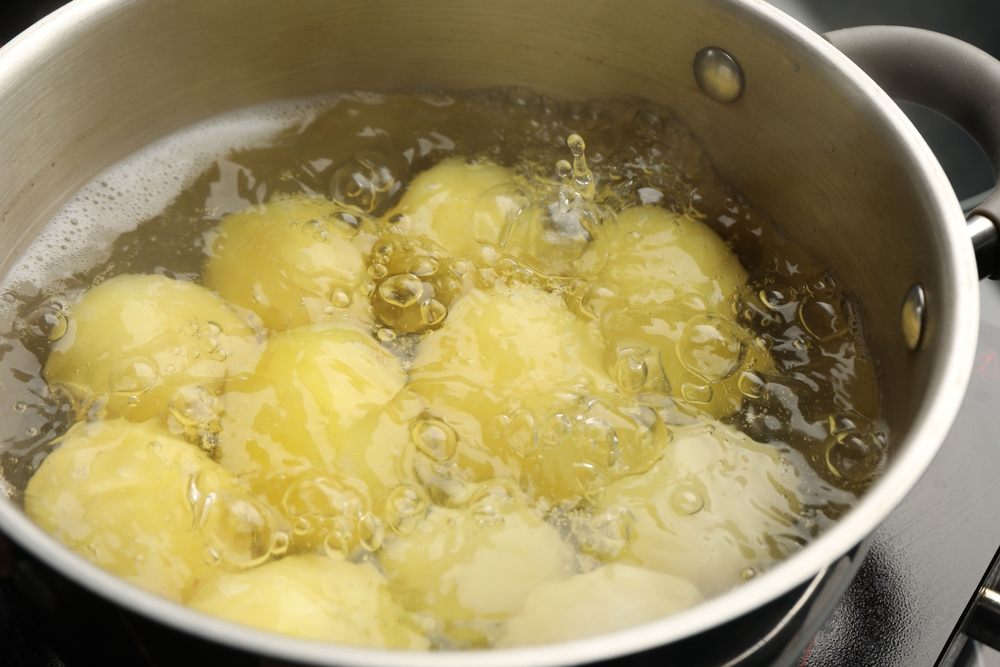
Use a simple food commodity, such as a potato, to explain the science behind various cooking methods using the Cooking potatoes fact sheets.


Writing a recipe for a dish enables pupils to think carefully about the order in which tasks need to be done, especially simultaneous tasks, to ensure that all elements of the dish, meal or menu are ready at the right time. Use the What is a recipe?, Order it!, and Sort out the recipe activities as a starting point.  To stretch and challenge the pupils, the Time plan plan activity can be used to plan the making of a dish in detail. If more than one dish is being made, pupils can practice the activity of dovetailing by producing a plan for each dish (perhaps in a different colour). They should then cut out each step and then stick them in the order they are required to be done to ensure everything comes together at the right time. For example, when making cottage pie the potatoes should be prepared and put onto boil before the meat layer is made so that the cooked potatoes can be mashed and ready for the time the meat is cooked.

Another way to help pupils manage their time in a practical lesson is to task them to produce a flow map of the recipe they will be making. The Recipe flow map worksheet includes a simple example of a flow map for a mixed salad.


Pupils should be encouraged to be creative with their cooking activities and not just follow a recipe. Allowing pupils to choose ingredients to add to a basic recipe is one way of developing creativity but with the reassurance that the dish will be successful.  The Burger challenge, Kofta challenge (and supporting Dip selection) and the Sausage challenge can all be used to stimulate creativity and provide pupils with choice.


For more information about practical techniques, skills and cooking methods, go to the Cooking for health area. There are also twelve 50 Minute lesson packs in the Activity pack area which you might find useful. The packs contain a beef, lamb or pork recipes which can be made within an hour along with teacher’s notes and two pupil activities.

Using leftovers

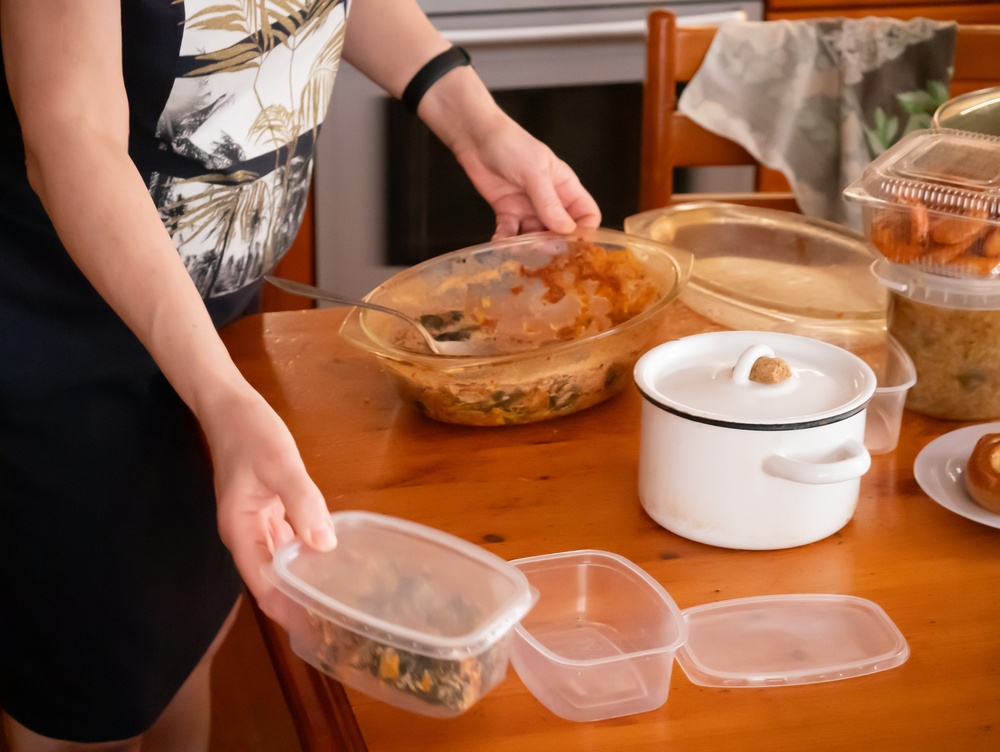
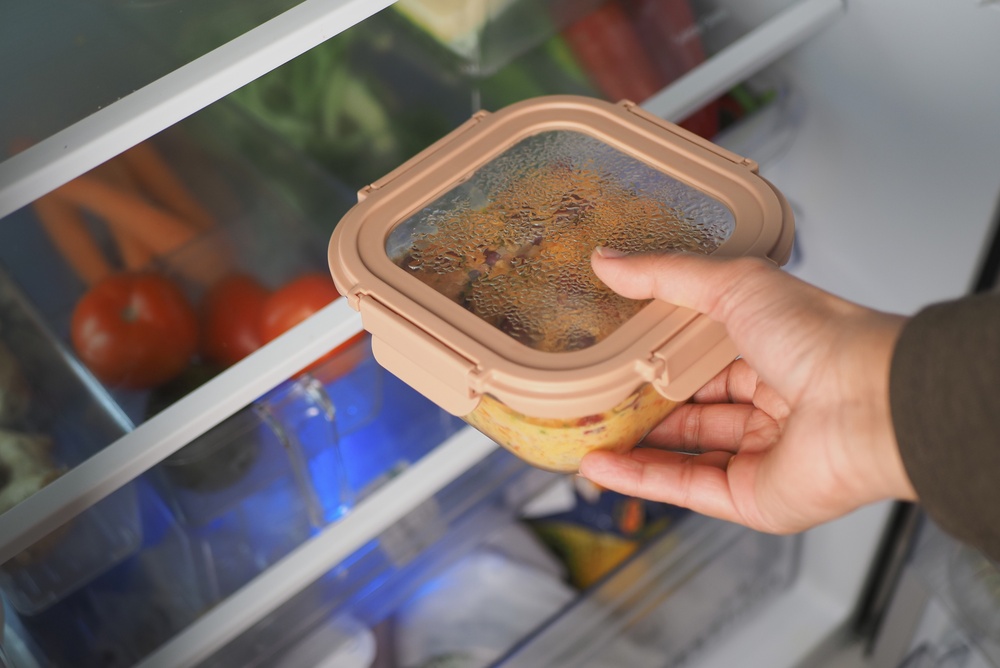
Partly used ingredients and left over food can be used to make fantastic, creative dishes. Why not highlight on recipes used in school how any partly used ingredients could be used to make other dishes? For example, left over yogurt or crème fraiche could be used for homemade dips or spare mashed potato used to make fish or bean cakes, and pasta or vegetables could be made into a frittata.


To encourage creativity when using leftovers, challenge the pupils to identify a dish they could make using random foods. A list of foods could be written on the board, e.g. tomatoes, herbs, roast chicken, carrots, parsnips, pasta and baked beans. Alternatively, cut out the Leftovers food cards, place them in a bag and ask pupils to choose four at random. What would they make?


Food waste is a global public policy issue and the UK Government has acknowledged that food waste requires urgent action throughout the world. Encourage pupils to consider the impact of food waste and how using leftovers can helps towards reducing the amount of food wasted by households each year. Show the Using leftovers presentation and challenge the pupils to research the impact of food waste and the different ways this can be reduced.


Challenge the pupils to create a dish at home which uses left over ingredients. It is important to bear in mind that cooked foods should only be reheated once so it is not advisable to carry out this type of activity at school if the dish would require reheating to eat again in the evening.

Cooking for 14-16 years

The key learning objectives are:

  • When planning to cook, consideration should be given to how the dish contributes to a healthy, varied, sustainable, and balanced diet;
  • Ingredients chosen can impact on the nutrition and characteristics of a dish. Diversity and inclusion should be considered when choosing ingredients;
  • Recipes can be modified to make them healthier, more cost effective and appealing, by changing ingredients or using different cooking methods;
  • Good food safety principles must be applied when buying, storing, preparing, and cooking food;
  • Using a broad range of ingredients, food skills and techniques allows for healthy, varied, and balanced dishes and menus to be planned and made;
  • Reducing food lost or wasted is an economic, social and environmental priority for individuals and supply chain businesses at local and global levels.

The resources in this section are suitable for learners in England and Wales (Key Stage 4, years 10 and 11), Northern Ireland (post-primary, years 11 and 12) and Scotland (S4-S5).

It is important that students understand the factors that influence food choice to help develop the knowledge and skills they need to make practical decisions about food, taking account of their own health, personal needs, preferences, budget, culture and wider circumstances, as well as the needs of others.


Choose a recipe and identify the equipment needed, explain how to use it safely and demonstrate safe working practices before starting to cook. 


Identify different knives and cutting techniques, practise safe cutting techniques and choose the most appropriate knife and method for a particular ingredient. 


Investigate which foods are in season at different times of the year and design a dish that makes the most of seasonal ingredients. 


Investigate a cuisine or food culture, explore its ingredients, cooking techniques and traditions, and design or prepare a dish inspired by your findings. 


Choose an ingredient such as lamb and investigate how it is used in different cuisines, then develop an original dish inspired by one of these culinary traditions. 


Investigate how changing an ingredient or cooking method affects the final product, making predictions, carrying out a fair test and evaluating the results. 


Explore different ways of making and thickening sauces, investigate how ingredients affect texture and consistency, and develop a sauce for a particular dish. 


Investigate the role of ingredients in bread, cakes or pastry, then use your knowledge to explain why a recipe works and how it could be adapted. 


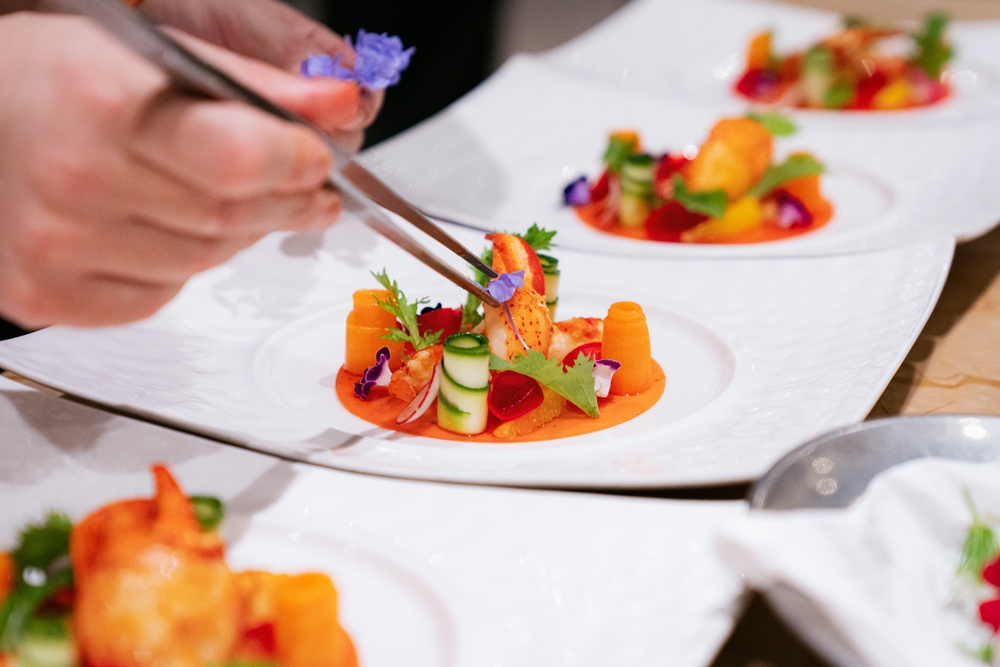
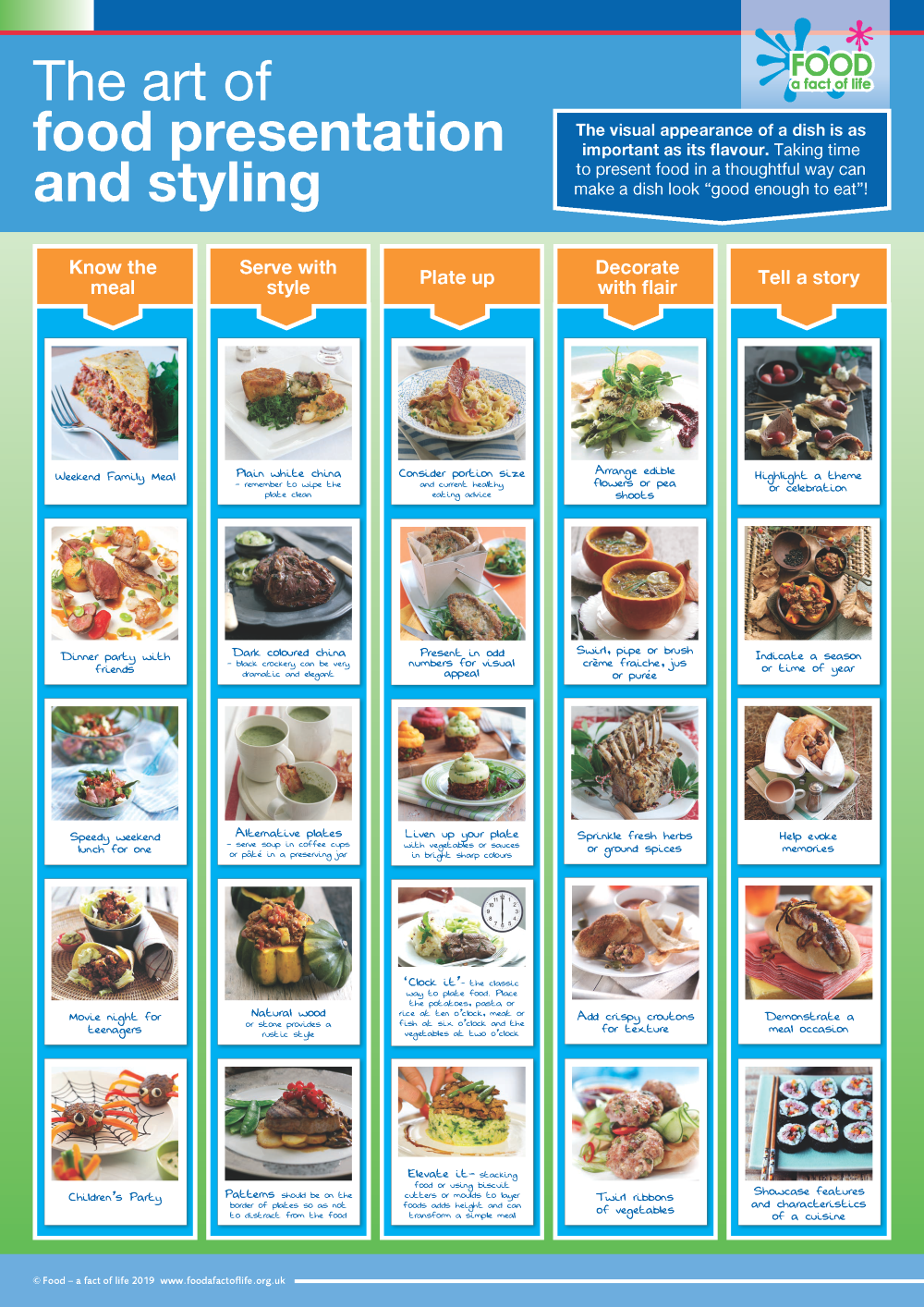
Explore different approaches to presenting food and then style a dish to make it visually appealing, considering colour, shape, texture, portioning and garnishing. 


Plan the order and timing of tasks needed to prepare a dish, create a recipe flow map and then see how effectively the plan works in practice. 


Cost a recipe, calculate the cost per portion and explore how ingredient choices, seasonality and portion numbers can affect the overall cost. 


Investigate a cooking problem, e.g. ‘what went wrong’, identify what might have caused it, explain the food science behind what happened and suggest ways to improve the result next time.


The resources and pupil activities can be used to support teaching and learning about the factors that affect food choice and how these should be considered when planning what to cook. 

Equipment resources for 14-16 years

Developing students’ practical food skills and learning how to use equipment safely and effectively helps them build the knowledge, skills and confidence they need to plan, prepare and cook food safely and successfully. As they progress, these skills help them prepare more complex recipes and use more advanced techniques, providing a strong foundation for GCSE or equivalent food and nutrition qualifications.

Practical skills and food styling

Did you find this page useful?

We'd love to hear your feedback. If you would like a response, please contact us at [email protected]