Planning what to cook

Planning what to cook

Planning to cook

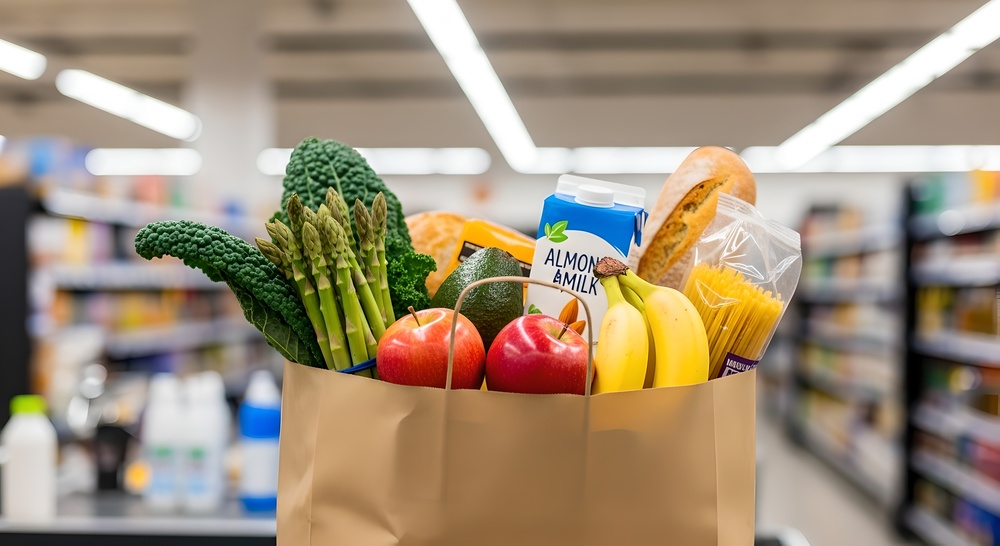
Current healthy eating advice, dietary needs, socio-economic factors, preferences, occasion and cost need to be considered when planning to cook.


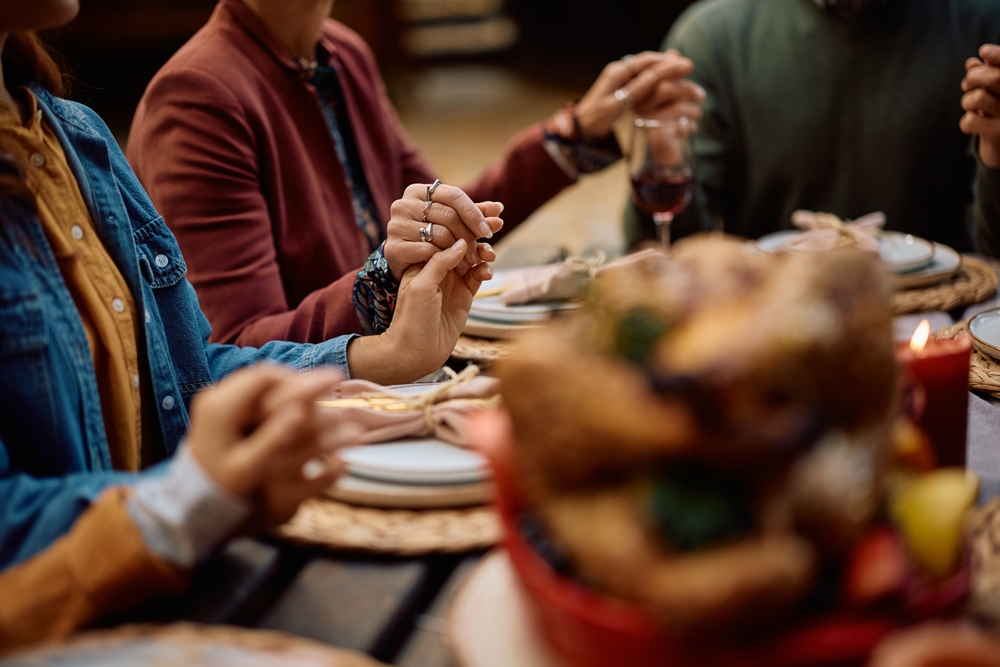
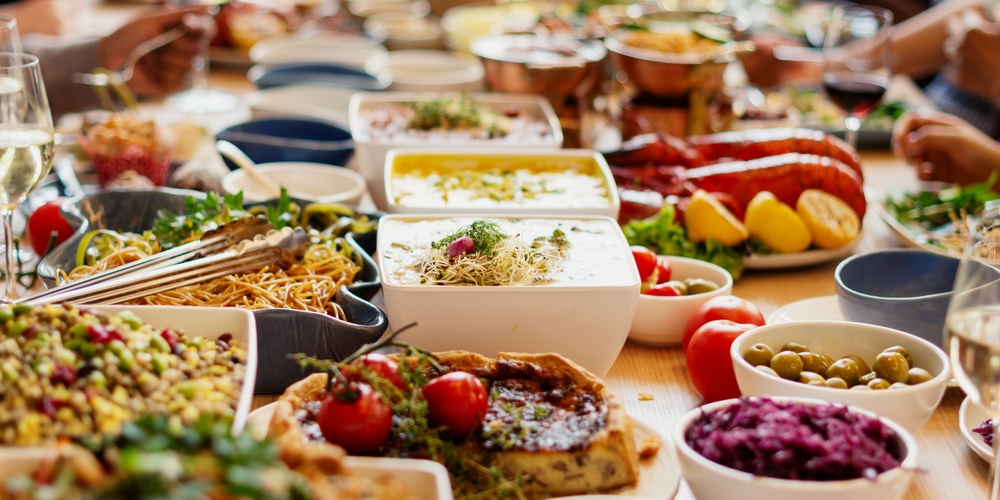
Deciding on what to cook or eat, whether for yourself or someone else, requires making a number of decisions. These include meal occasion, who will be eating, whether the food will be eaten out or at home, dietary needs, religious, cultural or ethical beliefs, the cost and availability of ingredients; current healthy eating advice and/or personal preferences.  Marketing, advertising, promotion, role models and social media may also play a role.


Pupils should be able to identify and take into account the factors that affect planning what to cook.

For other Cooking topics, click below:

Tasting: 3-5 years

 loading=

Learning

The aim of this session is for children to:

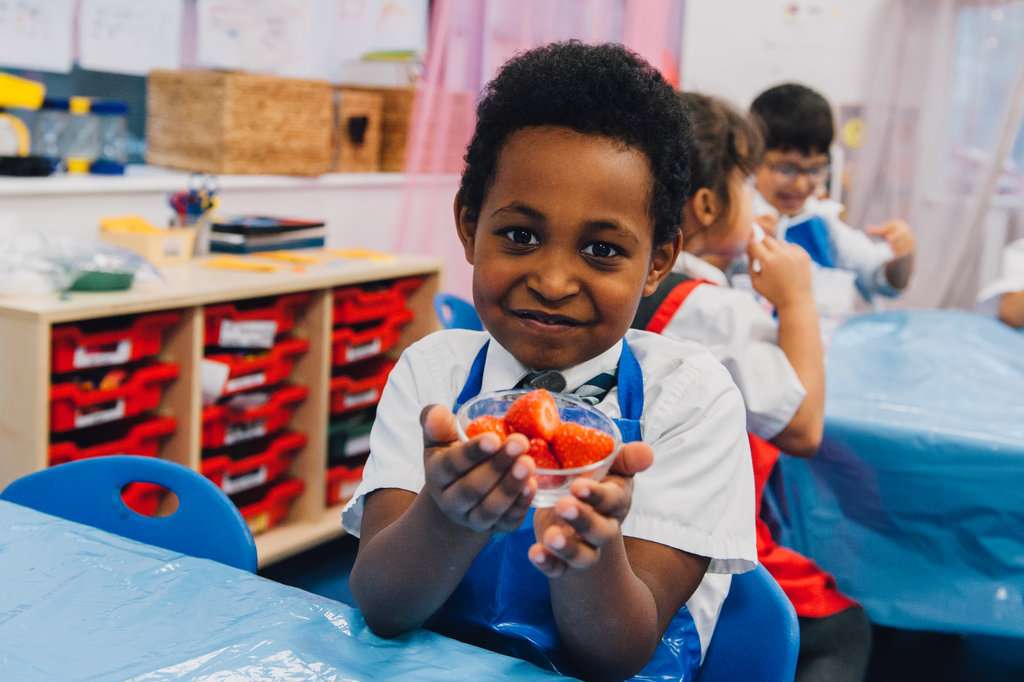
  • taste new food, willingly; 
  • recognise that sometimes we need to try a new food a few times to find out if we like it.


Click the arrows to see more!

 loading=

You will need:

  • Ingredient check letter – send home to parents/carers before the lesson
  • Two or three different fruit and vegetables for tasting
  • Tasting guide
  • My food book – ‘I have tried this food’ page
  • Equipment to prepare, present and serve the food to be tasted
  • Paper towels/kitchen roll
  • Colouring pencils
  • Super taster! certificates
 loading=

Before session preparation

Prepare the fruit and vegetables so you have a whole and chopped example of each. Before you prepare the samples, read the Tasting guide. Ensure the samples are prepared and stored hygienically so they are safe to eat.


(You could run a tasting session with any food you would like the children to try, e.g. different cheese, bread.)

 loading=

Listen and respond

Explain to the children that they will be tasting fruit and vegetables. Talk to them about the importance of trying different food to find out what they enjoy and have new experiences. Explain that sometimes we might think we do not like a food, but we need to try it again, perhaps a few times, because what we think can change. 


Show the children how to do the tasting task.

  • Use a spoon or fork to serve yourself a sample onto a paper towel or piece of kitchen paper. Explain to the children that you do this so you are not touching the samples that others will eat. You use the spoon/fork to take your piece and then only touch it when it is on your paper towel/piece kitchen paper.
  • Talk about how its looks and smells. Try it and explain what you taste, e.g. it is quite soft, it is juicy, it is crunchy, it is sweet.
  • Show the children the ‘I have tried this food’ tasting page from the My food book and demonstrate how you are going to fill it in, e.g. stick a picture of the food in the book, or draw it. Shade in the face to show what you thought of the food. 
 loading=

Have a go

can remember what they have tasted and if they like the food or if they need to taste it again another time. Let the children see a food sample and talk about what it looks like. 


Ask them what they think it might taste and feel like in their mouth. Let them serve themselves a sample and then smell the food.  Ask them to explain its smell. Finally, let them taste it.  Encourage positive responses. Task the children to record what they think on the ‘I have tried this food’ page.  They may like to draw the food, or you could provide images for them to stick in their books.  Let them colour in a face to show what they think.  Smile = I like it.  Straight mouth = I’m not sure if I like this.  Sad face = I don’t think I like this now, but I’ll try it again another time.


Repeat this activity with the children on a number of occasions, with different food.  Each time they try a new food, help them to fill in their My food book or a copy of the relevant page, so you can keep a record of what they have tried. 

 loading=

Consolidate

Talk with the children about what they have tried.  Praise them for tasting the food sensibly.  Reinforce the importance of re-tasting food that they think they do not like, perhaps three to five times to see if they change their mind.  Present the children with a Super taster! certificate.  Tell them to take them home and tell their parents/carers how well they have done to try different food. 

Equipment: 3-5 years

Use this carousel to see how you can teach about cooking equipment - for pupils aged 3-5 years:

 loading=

Learning

The aim of this session is for children to:

  • name a range of kitchen equipment;
  • explain how different pieces of kitchen equipment are used.


Click the arrows to see more!

 loading=

You will need:

  • A range of kitchen equipment, e.g. measuring jug, chopping board, mixing bowl, kitchen scissors, rolling pin, cutters, oven gloves, grater
  • Kitchen equipment cards – if you do not have kitchen equipment available, you could use these cards
  • A box in which to hide the equipment – with a lid or piece of material to cover the contents
  • Kitchen equipment jigsaws – cut out (and each piece of equipment cut into three parts), laminated (optional)
  • Terrific tuna tarts recipe (if undertaking Activity 2) - you will need equipment and ingredients to make this recipe. Alternative recipes are available from the Food – a fact of life website in the Recipes area.
 loading=

Listen and respond

Explain to the children that you have some equipment in the box and you are going to see if they can guess the name of each item. Slowly lift a piece of kitchen equipment from the box so the children can see a small part, e.g. a handle.  Ask them to guess what the item is. Reveal the item and discuss it with the children using the following questions:

  • What is this called?
  • Have you seen it before? If so, where?
  • What does it do?
  • Does it have any sharp parts that we would need to be careful with?
 loading=

Choosing equipment that does not have any sharp parts, ask for a volunteer to come and mime how the piece of equipment would be used, e.g. stirring with a spoon.  Ask them to explain what food they could prepare with this piece of equipment, e.g. I could stir cake mixture with a spoon.


Repeat this with all the equipment asking different children to help.  You could just use six pieces of equipment and repeat this activity another time with the rest of the equipment.

 loading=

Have a go

Activity 1 - small groups.  Ask the children to complete the Kitchen equipment jigsaws. You may wish just to use a few of the jigsaws at one time. Mix up the different parts of each piece of equipment and get the children to match the parts correctly. Question the children to reinforce what each piece of equipment is called, e.g. what do you think this jigsaw will be when you have found all the parts? As the children become more familiar with the equipment, you could use more jigsaws at one time. 


Activity 2 – Set-up a cooking activity so the children have the chance to use different pieces of kitchen equipment. You could start with Terrific tuna tarts which uses a selection of equipment, including a chopping board, cutters, patty tin, oven gloves, mixing bowl and kitchen scissors. This simple recipe will give the children chance to practise naming some simple pieces of equipment and learn how they are used.


 loading=

Consolidate

Call a child to the front to choose a Kitchen equipment card, without showing the other children.  Get the children to mime using the piece of equipment and see whether the other children can guess what the child is doing and the piece of equipment he or she is using. 

Resources for 3-5 years

Planning to cook for 5-7 years

Use the activities below to run sessions for pupils aged 5-7 years in your classroom! You can find more activity ideas and related resources below.

Draw four columns on the board headed: Breakfast, Lunch, Evening meal and Snacks.


Show the children each of the Mealtime cards in turn and ask them to name the food or meal and say which heading they think the card should be placed under. 


Ask the children to explain their reasons for putting the food and meal images under particular headings.


Question the children:

  • What do you eat at these different meal times?
  • What do other people you know eat at these times e.g. baby brother or sister, grandparent?
  • Does what we eat change if it is the weekend, holiday or special occasion, e.g. a birthday party, Passover, Eid, Pancake day?
  • Why do these events change what we eat? (More time to prepare and eat meals, it’s a celebration, once a year occasion.)

Establish that what people eat depends on the time of day, who they are and the occasion.
Help children understand that some foods are traditionally eaten at certain times of day.  Ask the following questions to elicit this:

  • Would you eat spaghetti bolognaise for breakfast? Why not?

Too much first thing, too long to make in the morning.

  • Would you just eat an apple for your lunch? Why not?

Not enough to keep your body working properly. During the day you need food so you can learn and be active.

  • Would you have toast for your evening meal?

You might do if you have had larger meal at lunch time.

  • Would you eat a vegetable curry and rice for a snack?

No, this is too large for a snack.

Question the children about how the food and meals shown could be made healthier:

  • Do they all include a drink?
  • Do they all include fruit or vegetables to help towards 5 A DAY?

You could use the Mealtime presentation instead of the cards if you wish.


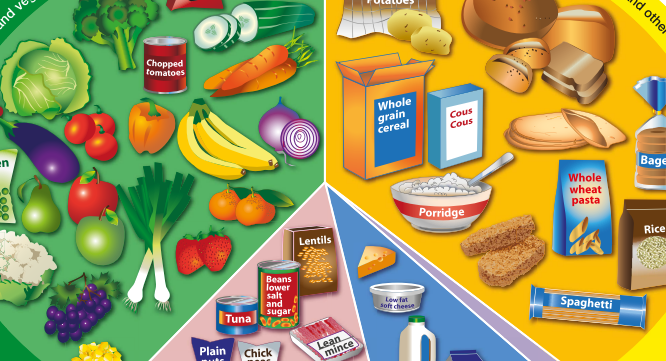
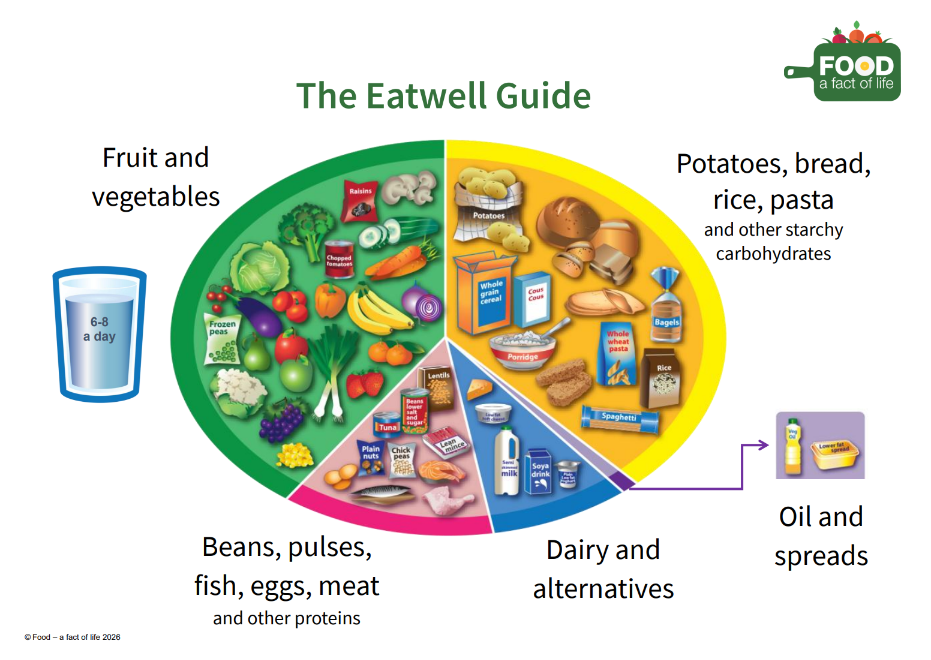
If you have taught pupils about The Eatwell Guide previously, display The Eatwell Guide poster (basic) and ask the children to say where the different ingredients seen in the food on each image belong on the Eatwell Guide.


Each group can work alone or in pairs to design a meal or snack appropriate for the time of day they have been allocated. They must also decide who this will be for and the occasion before they begin.  The meal could be for themselves, a baby brother or sister, a parent or grandparent. The occasion could be a weekday, weekend, special event, religious festival. Remind the children that each meal or snack should include a drink and fruit or vegetables to help towards 5 A DAY. Split the class into four groups. Allocate one of the three meal occasions or the snack to each group.


The children could use art materials or a computer programme to present their ideas.


When they have finished the task, ask the children to present their work and explain their reasons for designing what they have.


Display the work with captions from the children explain who the meal is for, when it is to be eaten and why, e.g. I eat this for my breakfast so I can learn and be active, I eat this bigger lunch when I am on holiday because I have more time to enjoy it, my baby sister eats this for a snack because it is just the right amount to stop her being hungry until she has her evening meal.
This is a practical activity so you may wish to return to this when the pupils have completed more of the activities in the Cooking area, e.g. the hygiene and safety activities.


The purpose of this activity is to help children consider how the time of day, person and occasion determines the food or meal that is made and eaten.


Set the situation for the children. 

  • We will work in small groups to plan and make an after school snack for a class in the school.
Talk to the children about what needs to be considered.

  • What sort of food would be appropriate for this time of day and why? (Will a lot of food or a smaller amount be needed at this time of day?)
  • What food would be appropriate for the people in this class? (How old are they? Are there any special dietary needs/allergies?)
  • What would be appropriate for this occasion? (Is this a casual or formal occasion? Will cutlery be used or is it a finger food occasion?)

Ask the children to suggest ideas for what could be made to suit this time of day, the people and occasion.


Introduce the following dishes as possibilities and note them on the board.

  • Sandwiches;
  • Dip and dippers;
  • Yogurt and fruit dish;
  • Fruit kebabs.

These dishes provide plenty of opportunity for adaptations so the children can tailor them to the requirements.


Show the children recipes for these dishes (available in the Recipe area) and then hold a class vote to decide which of the four dishes will be made.


Organise the children into small groups and ask them to plan any changes they will make to the recipe to make it suitable, e.g. changes to ingredients, portion size. Provide the children with copies of the Recipe planning sheet to write or illustrate their adapted recipe.


Close the session by asking the groups to talk through the changes they have made to the original recipe and the reasons for the changes. Revisit the time, people and occasion for which this dish will be made and check the recipes are suitable.


The children will need to make their dishes on another occasion to allow you to organise the ingredient and equipment. Here is a list of resources to help you organise the practical activity:

  • Setting up a cooking session guide
  • Get ready to cook cards
  • Food skills guide – to show how to teach safe food preparation skills.

This will be a tasting session based on the dish the children planned in Activity 2. Ensure you have checked for any sensitivities to ingredients. You could send home the Ingredient check letter if you don’t already have this information from parents/carers.


Before this session, review the children’s recipes to help organise the food that will be needed.


You may like to include some of the ingredients the children have planned to use alongside alternatives they might like to consider. For example, if the class voted to make sandwiches in Activity 2, you could plan to taste different breads. If the class voted to make a dip and dippers, you could taste a selection of different vegetables for the dippers.


Look at the Tasting guide to help plan your session.


Start your session by explaining to the children that they will be a tasting ingredients that could possibly be used in their recipes.  Explain that this is to help them decide if they are happy with the ingredients they planned to use or if they wish to make changes.


Run the tasting session. Show the Tasting presentation to help talk the children through how to taste the food. This also includes a useful word bank of sensory vocabulary. 


Children can record their thoughts on the Tasting ingredients worksheet.


At the end of the tasting session, question the children about the samples they have tasted and discuss if they will make any changes to their recipe based on this. 


Question the children to check they have thought about the time of day, person and occasion when making their choices.


Allow the children to update their recipes.

Set up a cooking session for children to make their dish. 


Before food work begins, cover the following information with the children.

  • Explain the getting ready to cook steps and display the Get ready to cook cards as a reminder.
  • Cover any classroom safety rules which must be followed, e.g. not walking around with cooking equipment.
  • Safely demonstrate the cooking skills be used, e.g. bridge hold, claw grip, fork secure. The skills are explained in the Food skills guide.
  • Recap the audience and occasion for which the dish is being made and how this has influenced the recipe.
  • Talk to the children about the presentation of their dish. The final dish should be well presented and look appetising.

Ensure the children are clear about what they are doing and have copies of their recipes nearby. Allow the children to make their dish.


When the dishes are ready, the children could either serve these to the intended audience or alternatively taste the dishes and evaluate them with a view to recreating an improved version to serve to the audience another time.


If the children are tasting their dishes, remember to instruct them on how to do this hygienically, see the Tasting guide for more information.


Question the children about their dish:

  • Was this right for the time of day, person and occasion?
  • Do you think you need to make any change to the recipe to make the dish more suitable?

  • Plan to invite the audience for which the children have created their dish to come and enjoy this. You could decorate your classroom in the style of a restaurant or café for the occasion.
  • Use the planning and making activity to support a larger piece of cross curriculum work with children writing recipes and invitations (literacy), calculating ingredient costs (numeracy) as well as preparing the dish for the event.
  • Children could carry out research on pupils and staff in school to answer questions such as:
  • What is the most popular breakfast?
  • What do people like to eat as a snack?
  • What do people eat for lunch at the weekend?
  • Children could research what people in other countries eat at different times of the day and why.

Planning to cook resources for 5-7 years

There will be an opportunity for tasting in this session. Ensure you have checked for any sensitivities to ingredients. You could send home the Ingredient check letter if you do not already have this information from parents/carers.


Show children a variety of different equipment. Or use the Kitchen equipment cards or the Kitchen equipment presentation.


The equipment cards include:

  • Knife, fork, spoon;
  • Chopping board;
  • Peeler;
  • Grater;
  • Mixing bowl;
  • Cutters;
  • Kitchen scissors;
  • Weighing scales;
  • Measuring spoons;
  • Measuring jug;
  • Mixing spoon;
  • Vegetable knife.

Question the children:

  • What is this piece of equipment called?
  • What is it used for?

Demonstrate how some of the equipment is used by making a guacamole dip: 

  • Halve avocado and lime – knife and chopping board;
  • Squeeze the lime – juice squeezer;
  • Combine ingredients – bowl and fork.

Show the children the Dips video and ask them to spot what equipment is needed to make the hummus dip and how it is used.


You could allow the children to taste some of the dip. Refer to the Tasting guide.


Use the Kitchen equipment presentation to show the children how to match items to their names and functions.


Sort the children into groups of two or three and give them the What is it? cards, cut out (you may wish to laminate them as well). The children need to match the pictures of the equipment to their names and functions.  Tell the children that this is the same task that was demonstrated on the presentation. For younger or less able children you could omit the function cards. 


The cards could also be used to play a pairs activity.  This is done by taking the pictures of the equipment and their names, shuffling them, and spreading them out face down.  Children then take it in turns to choose two cards and see if they go together.  If they do not, they must replace the cards but if they do, they win the cards.


Extension: give children the What’s that? worksheet.  They need to identify what the equipment is and then draw in the rest of it.

Organise the classroom so that you can demonstrate to the children how to use some equipment.  Look at the Setting up a cooking guide for tips on how to organise your classroom. 


Demonstrate the following using best practise, see Food skills guide:

  • Sieve;
  • Cutter;
  • Scissors;
  • Peeler;
  • Grater;
  • Juice squeezer.

Discuss each skill.  Question children:

  • Have you seen this equipment/skill used before?
  • Do you know what can be made using this skill and equipment?
  • How can we make sure this is done safely?

Show some of the videos which show these skills and being used in recipes. Get children to complete the Using equipment worksheet.  


The worksheet requires them to draw hands using the equipment, food being prepared and also asks children to indicate any safety considerations.

Organise the classroom and the children for food work.  See the Setting up a cooking session guide for tips on how to organise your classroom.


Explain to the children that they will be preparing some playtime snacks using some of the equipment they have learnt about previously, and some new equipment. 


Demonstrate, using best practise, the skills you will be asking the children to use. You can use some or all of the activities from the following list: [Consider instead the children moving around work stations doing a different bit of food prep which is then assembled to create a salad…]

  • Grapes [choking…] being washed in a colander, rest the colander on a plate after to prevent dipping;
  • a carrot being peeled with a peeler;
  • an orange being juiced with a juice squeezer;
  • cheese being grated with a stand up grater (this can then be arranged on crackers);
  • kitchen scissors being used to cut pepper slices (deseed and half the pepper lengthways, first).
  • kitchen scissors, a bowl and spoons to make a cheese dip.

Note: these activities deliberately do not include knife cutting skills as these will be taught in following sessions.


You could also show the skills videos Peeling and Grating for reinforcement. 


As you show each skill, talk to the children about what you are doing and highlight the safety points. Demonstrate how to present the food well, e.g. in an attractive arrangement.


Plan this task so that each child will be able to experience working with at least two pieces of equipment.


When the activity is complete, arrange what has been made on one table and ask some of the children to talk about what they did and name the equipment they used.


Allow the children to eat what they have prepared.  Remember to instruct the children on how to do this hygienically. Use the Setting up a cooking session guide.


Note: children will look at food hygiene in more detail in the following lesson. For the food work in this session, instruct the children on what they must do, save discussion for following lessons.


Plenary

Revise the names and uses for different piece of equipment.  Use some of the activities suggested in the Cooking plenary, but substitute the ingredients for the equipment.


Further activities

Create a wall display of ingredients and equipment to remind the children what different equipment is called and how it is used.

Equipment resources for 5-7 years

Planning to cook for 7-11 years

Use these three activities to run a session on planning to cook in your classroom. 

Set up a sensory tray for the children. Have the following foods (or similar) on a tray:

  • lemongrass;
  • root ginger;
  • fresh basil;
  • lime;
  • fresh coriander.

Allow the children to touch and/or smell each food. Question the children:

  • What is this called?
  • Who has tasted this before?
  • How is this food used in cooking?

If you do not have the ingredients, use the Fruit Cards or Vegetable cards to aid discussion about different food.


You could set up a tasting session, perhaps tasting different varieties of the same food, e.g. bread, cheese, fruit. Send home the Ingredient check letter before the session. Support for carrying out a tasting session can be found in the Tasting guide.


Extend the activity by asking:

  • Who can name an ingredient they think is interesting?
  • Where does it come from?
  • How is it prepared?
  • How does it taste?
  • How might you eat it?

Gather the responses on the board. Use the New food presentation to help facilitate discussion about interesting food.


Give the children a selection of food categories, e.g. bread, cheese, fruit, vegetables, fish, meat. Task them find examples of food for this category that they have not tried before, and information about the food. They can choose the food they find most interesting and record this on the New food worksheet.

Use the World diets presentation to look at the types of food eaten by different people around the world that make up their diet.


Ask the children:

  • What types of food are eaten?
  • Can you identify any similarities?
  • Can you group the food?

Remind the children about the Eatwell Guide. Display the World food cards and explain to the children that they will look at each meal and write the names of the food in the correct group on the Blank Eatwell Guide worksheet.


Children should be able to explain that although there are many different types/varieties of food, they all come from basic food groups. For example, most diets in the world comprise:

  • fruit and vegetables;
  • potatoes, bread, rice, pasta and other starchy carbohydrates, e.g. yam, plantain, couscous (sometimes these are known as staple foods, forming the bulk of the diet);
  • dairy and alternatives;
  • bean, pulses, fish, eggs, meat and other proteins.

Although there is lots of different food, diets around the world are based on similar food groups to help people to stay healthy.

Talk to the children about how food is prepared around the world. Discuss how people from different countries and cultures prepare, cook and eat food in a variety of ways.


Use the World food presentation, show children how food is prepared, cooked and eaten differently in a variety of countries.

  • What type of food is being prepared?
  • What equipment are they using?
  • How is the food being cooked?
  • How is the food eaten?

Working in pairs or small groups, task the children to choose a country they are not familiar with on the world map and find out how a typical dish from the country is prepared, i.e. ingredients, equipment and techniques used to make the dish. If you prefer to allocate children a dish to research, here are some suggestions:

  • Pierogi
  • Steamed buns
  • Baked Alaska
  • Naan bread
  • Sushi


Further activities

  • Present the work about food around the world as a classroom or school display. Set up a display of photographs, non-perishable ingredients and cooking equipment.
  • Invite speakers, parents/carers and local organisations to talk about, and perhaps cook, different foods from around the world.
  • Organise further tasting and cooking sessions to investigate different types of food.

Planning to cook resources for 7-11 years

Planning to cook for 11-14 years

The resources and pupil activities below cover:

  • factors affecting food choice;
  • current healthy eating advice;
  • dietary needs;
  • religious, cultural or ethical beliefs;
  • food choice, recipes and globalisation;
  • cost and availability of ingredients and money available;
  • personal preferences;
  • an awareness of purchasing influences, e.g. marketing, advertising, role models and social media.

Factors affecting food choice

The resources and pupil activities below can be used to support teaching and learning about the factors affecting food choice. 


To introduce the topic of factors affecting food choice, show the Factors affecting food choice presentation and ask the pupils to make notes on the Factors affecting food choice worksheet.


Task the pupils to investigate the factors affecting food choice and complete the Factors affecting diet, food and drink choice – female or Factors affecting diet, food and drink choice – male worksheet.


The Factors affecting food choice quiz and Factors affecting food choice Kahoot Q&A can also be used to assess understanding.

Factors affecting food choice resources for 11-14 years

Dietary needs

The resources and pupil activities below can be used to support teaching and learning about dietary needs and how these should be considered when planning what to cook.  


Divide the class into groups and provide each group with a Different life stages card. Ask the pupils to identify three ways nutritional needs may differ at the life stage. Show the Different dietary needs presentation and ask the pupils to correct or add to the information on their cards. Use the completed cards to produce a display.


Discuss different dietary needs with the class using the Different dietary needs presentation. Task the pupils to complete the Different dietary needs worksheet.


Dietary needs are varied and often people need to change the foods that they eat, the recipes they make and the cooking methods used to meet their particular needs. Challenge the pupils to work through some of the Dietary needs case studies.


Print off the Different dietary needs presentation and divide into the different dietary needs. Split the class into groups and give each group the information for one dietary need.  Tell the class that they will have a test at the end of the lesson. Give each group a piece of A3 paper and then challenge them to create a poster using only six words and diagrams to illustrate that dietary need in 10 minutes. After ten minutes members of the group can go into the ‘market place’ to gather information on the other dietary needs from the other groups (market stalls). One pupil must remain at their stall to provide information to other pupils. After 20 minutes, tell the pupils to gather their notes together. Conduct a short test to review what they have learnt.  Write your own test or use the Dietary needs Kahoot Q&A. Take photographs of the completed A3 sheets and use these for future revision or a display.


Challenge the pupils to conduct independent research into a particular dietary need that interests them. They should then plan and create a dish, this could be for breakfast or a main meal, to meet that particular need.  To consolidate, ask the pupils to carry out a nutritional analysis of their finished dish and evaluate whether it meets the particular need, if appropriate.

Dietary needs cooking resources for 11-14 years

Religious, cultural or ethical beliefs

The resources and pupil activities below can be used to support teaching and learning about religious, cultural or ethical beliefs and how these should be considered when planning what to cook. 


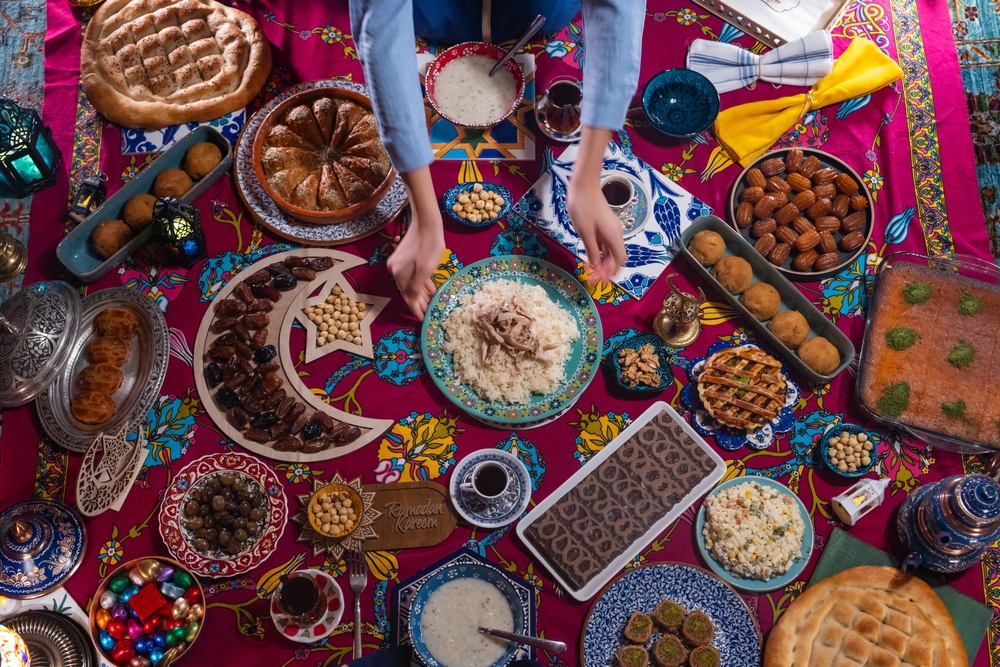
Food is an important part of religious or cultural observance for many different religions and/or cultures. Use the Religion and food choice presentation  to introduce this aspect of food choice. Ask the pupils to complete the Religion and food choice worksheet to check their understanding.


Task the pupils to research the food choices that some people may make due to their religion. They could use the Religion and food choices fact sheet to record their research. Use the Religion and food choices answer sheet to review their work.


Check learning by asking the pupils to complete the Religion and food choice quiz with answers Religion and food choice Kahoot Q&A.


Task the pupils to research one religion and create a menu of three dishes for that religion. They should explain their decisions and then make one of the dishes.


Religious occasions are celebrated differently across Europe, with different traditional foods. Use the Religion and food traditions around Europe presentation to highlight some of the food and different occasions that are celebrated around Europe.


Challenge the pupils to choose a country and create a dish suitable for a religious or special occasion. Perhaps set this as a competition and invite parents and carers to enjoy the dishes made.


Some people choose their foods based on moral or ethical reasons. This includes those that choose not to eat animal products (vegetarians or vegans) or those that like to buy local or seasonal foods or foods that support a high standard of animal welfare.  Show the Moral and ethical reasons for food choice presentation to explain this further. Task the pupils to complete the Moral and ethical reasons for food choice worksheet. Alternatively, challenge the pupils to research one aspect of food choice highlighted in the presentation. They should then prepare a piece of information or fact to share with the class next lesson.

Religious, cultural or ethical beliefs resources for 11-14 years

Cost and availability of ingredients and money available


Use The Economy of food presentation to highlight the key aspects of cooking on a budget.


It can be difficult for pupils to predict the cost of some foods. Using the Comparing the cost activity, ask the pupils to rank a variety of products in order of cost and then either visit a supermarket or use an online shopping website to gather the actual costs. Were they right?


Sometimes, people perceive that cheaper products are lower quality. Conduct a Cost and sensory evaluation activity with the pupils to prove or disprove this perception.


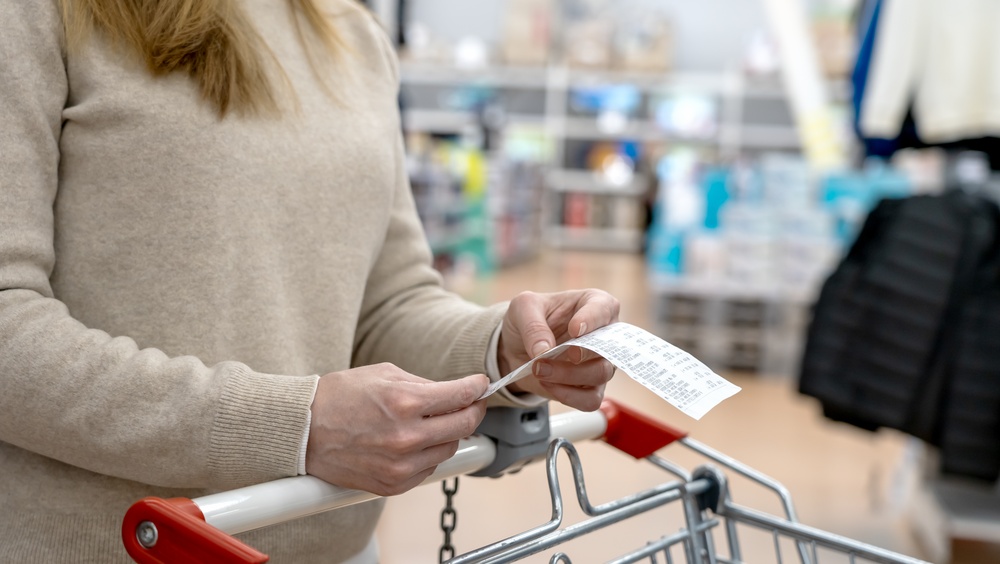
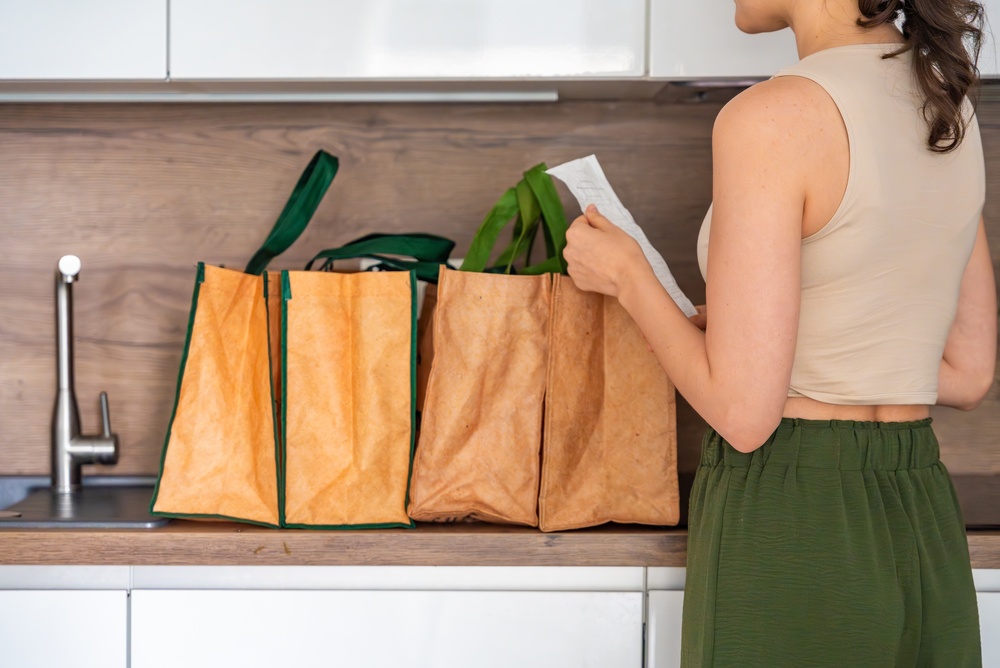
Using a weekly shopping list, till receipt and the Weekly food shopping investigation, ask the pupils to complete an investigation into the amount of money spent on each of the Eatwell Guide food groups.


In groups, ask the pupils to create a list of potential strategies to reduce the amount of money spent on food. Some considerations could be: growing your own, using local and seasonal products and food waste. What else could they do?


Ask the pupils to think about their own household and create a mind map of the social and economic considerations that affect their food choice. How different might this have been for their grandparents at their age?


Task the pupils to work out the cost of a recipe and make suggestions as to how the cost could be reduced. The Working to a budget worksheet uses a beef mince recipe (this this could be edited to suit a different recipe).


Excel spreadsheets are an excellent way to easily calculate the cost of recipes by ingredient and portion. There are three editable spreadsheet to help with this: Basic costs with portions, Basic costs and Costing the ingredients.


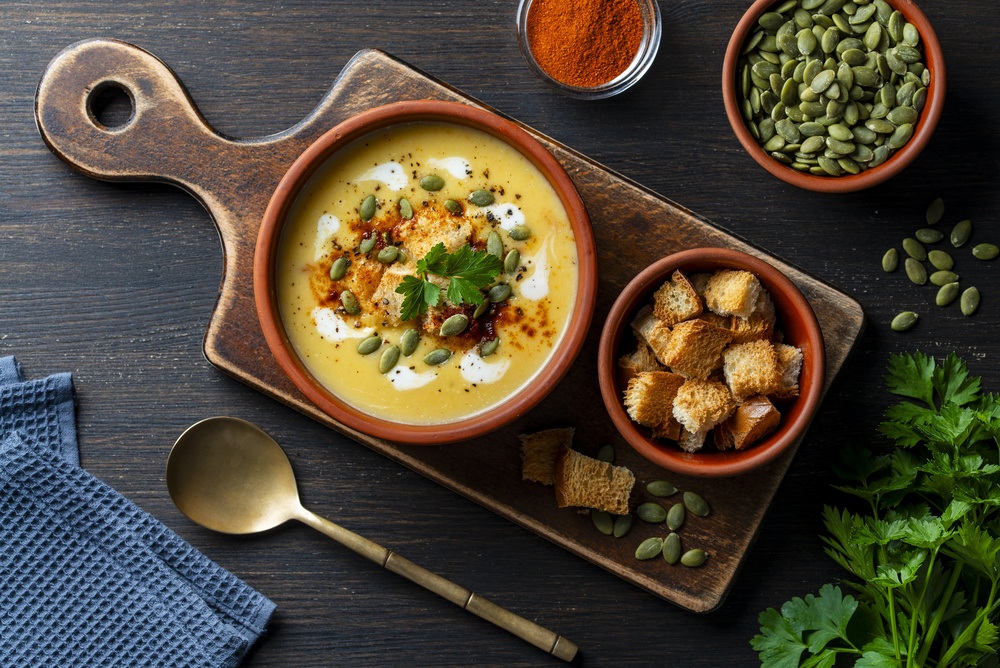
Task the pupils to be creative, help prevent food waste and make their own soup! The activity can be completed individually, in pairs or in groups. Follow the instructions on the Super soup activity – teacher instructions sheet to set up the activity for your pupils. There is also a recipe to support the pupils to complete the activity. Why not make Speedy flatbreads, using just three ingredients, to accompany the soup.

Cost and availability of ingredients and money available resources

Personal preferences

Not everyone likes the same food. The taste, odour, appearance, shape and colour of food can affect people in different ways. Give each pupil an image of an ingredient or food and ask them if they like or dislike the ingredient or food. Ask them to explain what it is that they particularly like or dislike about it.


Lifestyle and eating habits often determine when we eat and at what time. Work in groups to identify different eating habits and how different lifestyles affect them.


Challenge pupils to list five food items/dishes they like and five they dislike. Next, ask them to justify their reasons. Invite 2-3 pupils to the front of the class to read out their lists. Is there any food that re-occurs?


For help and support with sensory evaluation tests to determine preferences go to the Ingredients area

Purchasing influences

Marketing, advertising, role models and social media can all influence food choice. Ask the pupils to think about a food advertisement they have recently seen. Would the advert encourage them to buy the product? Ask them to explain their answer.


Ask the pupils what different forms of marketing and advertising they are aware of e.g. magazines, promotional leaflets etc. Discuss how these might influence the purchases they make, would this differ with a different target audience?


Cut out adverts from a range of magazines and create a display. Challenge the pupils to describe the adverts. Would they influence them to buy the food or make the recipe? Ask them to justify their answers.


Give the pupils examples of different types of packaging that promote ethical marketing. Discuss how and why this is used. For example organically grown, Fairtrade.


Healthy eating is popular in advertising and marketing. Challenge the pupils to identify different ways in which healthy eating is promoted. Investigate how manufacturers and others have to comply with laws when making claims about their food or drink products.

Planning what to cook for 14-16 years

These activities have been developed to support teachers delivering Food Preparation and Nutrition and other food-related qualifications to pupils aged 14 -16 years across the UK. 


The activities can be used as lesson starters, independent learning tasks, homework, revision activities, practical investigations, extension activities or preparation for assessment and examination work. They are intended to complement teachers' existing schemes of work and can be adapted to suit different qualifications, teaching approaches, available time and pupil needs.

It is important that students understand the factors that influence food choice to help develop the knowledge and skills they need to make practical decisions about food, taking account of their own health, personal needs, preferences, budget, culture and wider circumstances, as well as the needs of others.


Choose a recipe and identify the equipment needed, explain how to use it safely and demonstrate safe working practices before starting to cook. 


Investigate which foods are in season at different times of the year and design a dish that makes the most of seasonal ingredients. 


Investigate a cuisine or food culture, explore its ingredients, cooking techniques and traditions, and design or prepare a dish inspired by your findings. 


Choose an ingredient such as lamb and investigate how it is used in different cuisines, then develop an original dish inspired by one of these culinary traditions. 


Investigate how changing an ingredient or cooking method affects the final product, making predictions, carrying out a fair test and evaluating the results. 


Explore different approaches to presenting food and then style a dish to make it visually appealing, considering colour, shape, texture, portioning and garnishing. 


Plan the order and timing of tasks needed to prepare a dish, create a recipe flow map and then see how effectively the plan works in practice. 


Cost a recipe, calculate the cost per portion and explore how ingredient choices, seasonality and portion numbers can affect the overall cost. 


Investigate a cooking problem, e.g. ‘what went wrong’, identify what might have caused it, explain the food science behind what happened and suggest ways to improve the result next time.


The resources and pupil activities can be used to support teaching and learning about the factors that affect food choice and how these should be considered when planning what to cook. 

Factors affecting food choice

Culture and tradition

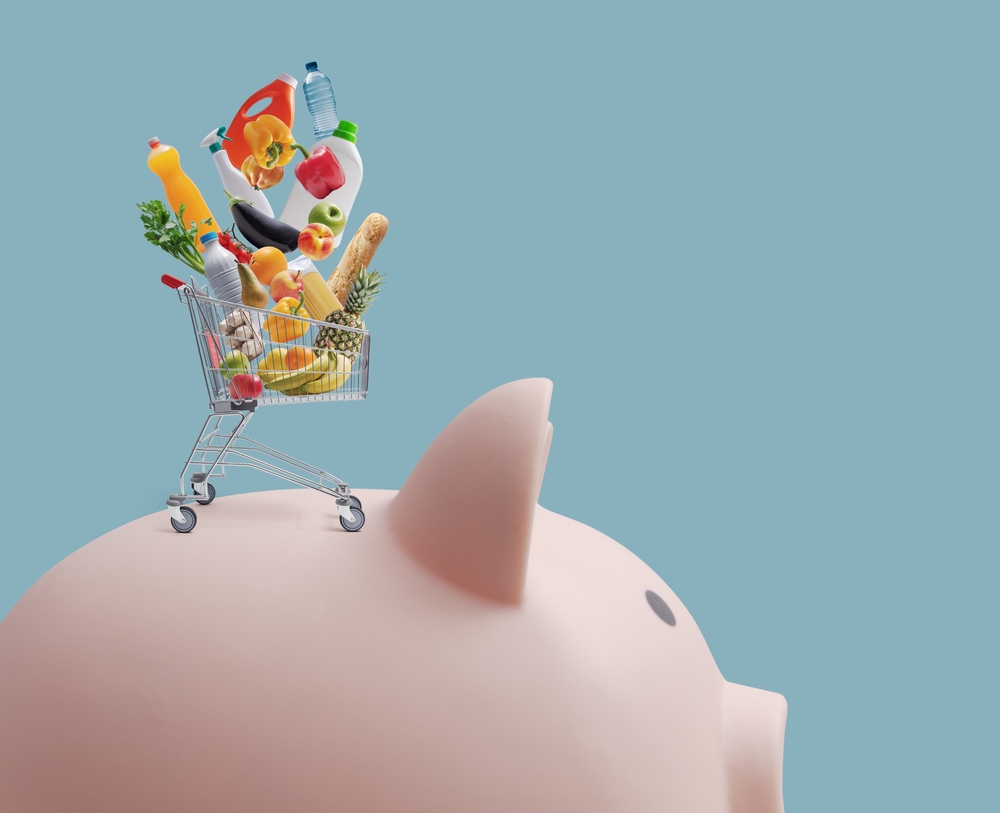
Food price and costing recipes

Understanding how to plan food within a budget and cost recipes helps students make practical decisions about what to cook and eat, while making the most of the money available and reducing unnecessary waste. These skills can help them plan affordable meals and develop confidence in managing food costs as they become more independent.

Did you find this page useful?

We'd love to hear your feedback. If you would like a response, please contact us at [email protected]