The resources and pupil activities below can be used to support teaching and learning about food processing, food preservation, food safety, food innovation and product development.
Choose a food product and investigate the processes used to transform raw ingredients into the finished product, mapping its journey through manufacture.
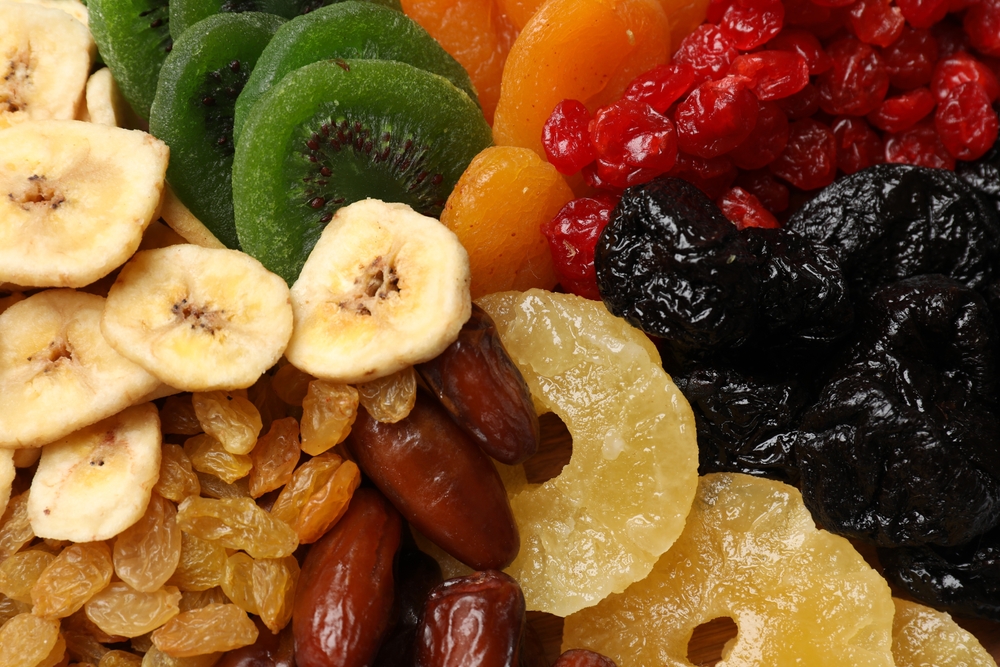
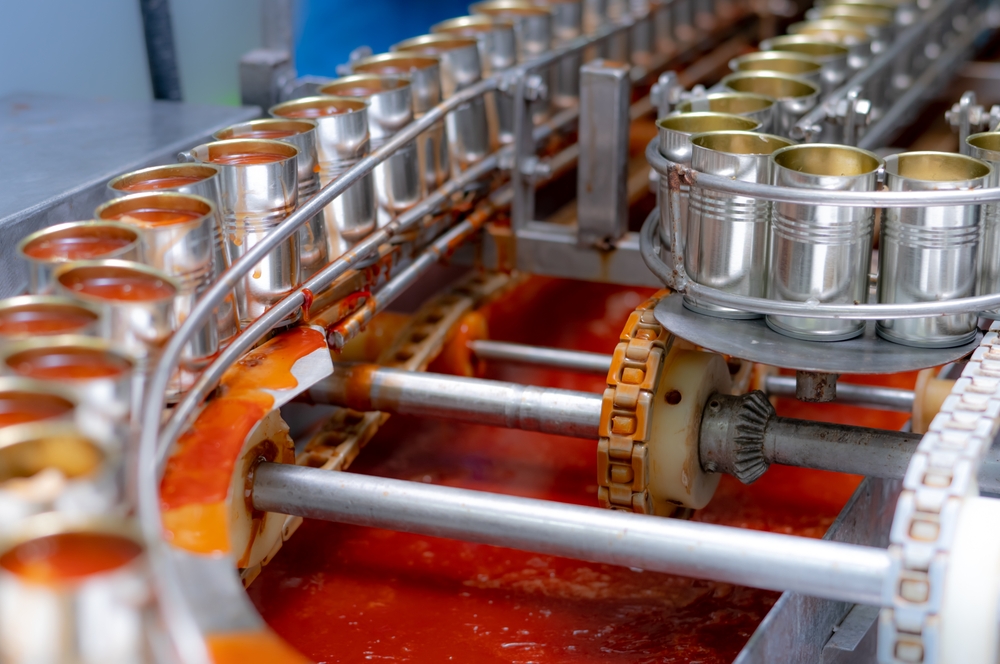
Explore different food-processing methods such as freezing, dehydration, pasteurisation, sterilisation, extrusion and canning, and identify why each method is used.
Compare different methods of preserving food and explain how each method helps maintain food safety, quality, shelf life or convenience.
Investigate different food additives and their functions, then identify examples of foods where particular additives might be useful.
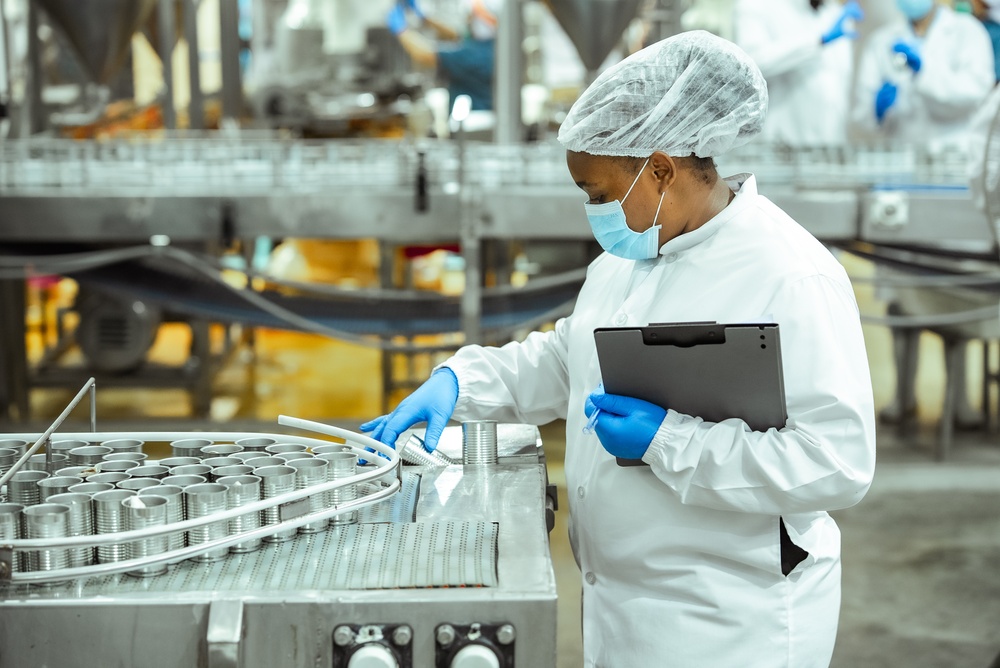
Explore how food manufacturers keep products safe, using HACCP to identify potential hazards and critical control points in the production of a food product.
Choose a food product and create a flow diagram showing the stages involved in its manufacture, including processing, safety checks, packaging and distribution.
Investigate how changes in food technology have influenced the foods we eat, comparing food production in the past with modern manufacturing methods.
Explore how biotechnology, nanotechnology, genetic modification or gene editing could help address challenges such as food security, sustainability, crop resilience or nutritional quality.
Follow the stages of product development to create a concept for a new food product, considering the target consumer, ingredients, production methods, cost, packaging and sensory appeal.
Investigate the consumer market and identify changing consumer needs, lifestyles and preferences. Use your findings to decide what characteristics a successful new food product should have.
Investigate functional foods and design a product that provides a particular benefit beyond basic nutrition, explaining the ingredients, target consumer and proposed product concept.
Investigate how packaging protects food, maintains quality and safety and can help reduce food waste. Design packaging for a new food product that balances protection, convenience, consumer appeal and environmental considerations.