Ingredients

Ingredients

Using ingredients

Ingredients are selected for their nutritional, functional and sensory characteristics, as well as provenance and seasonality.  


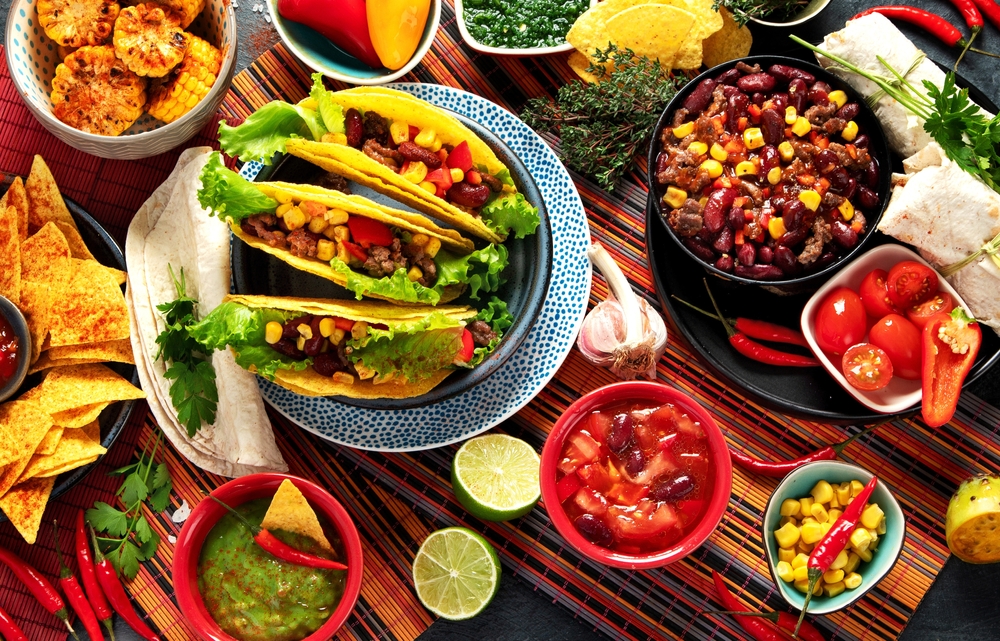
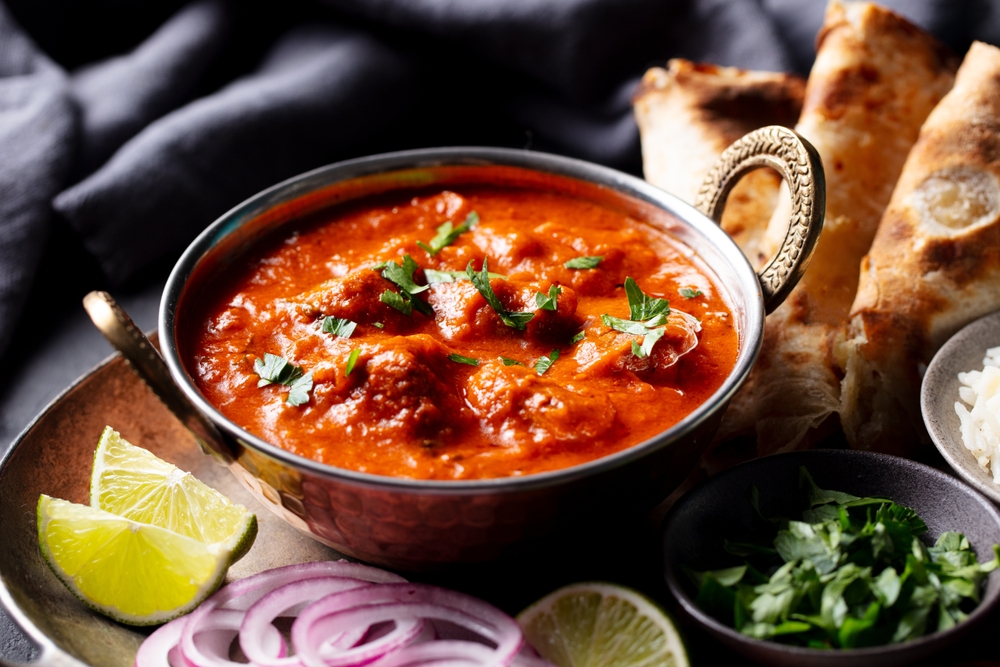
There is an ever increasing range of ingredients available to prepare and cook from the UK and around the world. Ingredients will have a number of functions in a recipe, such as adding flavour, colour or texture, or performing a particular purpose, e.g. as a thickener or setting agent. Ingredients may also be selected for their nutritional composition or used for traditional or cultural reasons. Ingredients may be available at certain times of the year, or seasons, from areas or countries in the world or have a particular provenance.


Pupils should be able to describe the reasons why ingredients are selected, and be able to modify recipes taking ingredient characteristics into account.

For other Cooking topics, click below:

Ingredients for 5-7 years

Use the four activities below to run sessions for pupils aged 5-7 years in your classroom! You can find more activity ideas and related resources below.

Show children the Food photo cards one at a time, keeping the food name covered. You may wish to use the Food presentation to make it easier for the whole class to see the foods.  


Ask the children what each food is called and then ask some of the following questions for each food: 

  • Have you tried this before?
  • What does it taste like?
  • What can you eat it with?
  • What could be made with this food?

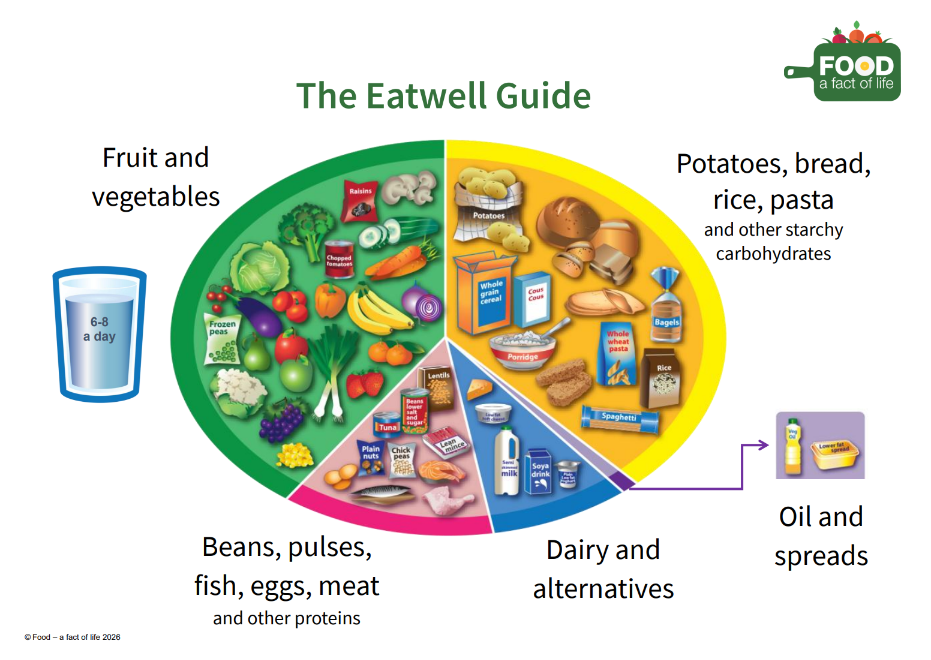
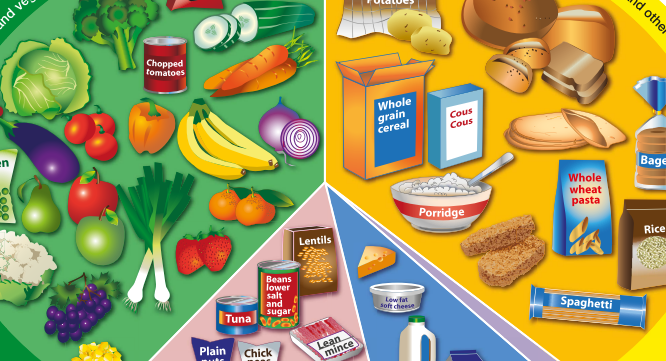
If the children are already familiar with the Eatwell Guide, you may wish to display The Eatwell Guide poster (basic) and ask them where a selection of the foods would fit on The Eatwell Guide.


Food bingo

Organise the children into pairs and give each pair one card from the set of Bingo boards. Each pair will also need nine counters. Explain that you will take a Food photo card and call out the food on that card. If the children have this food on their board, they can cover it with a counter. The first pair to cover all their foods will be the winner. The boards can be swapped and the activity repeated.


This activity is designed to help children recognise and name a variety of food.
Encourage the children to think about where the different food in the dishes and meals they eat comes from. Introduce the term ‘ingredients’ for the different foods which are used to make meals. Ask the children the following questions:

  • What did you eat for your evening meal last night?
  • What ingredients did it contain?
  • Who made your meal?
  • Where did that person get the ingredients from? E.g. supermarket, local market, fish mongers, butchers, the garden, an allotment.
  • Ask the whole class to help you note down other places, not already mentioned, where ingredients can be found. 
  • Where do their parents/carers and wider family get ingredients from? E.g. Grandad in Norfolk, Auntie in Pakistan. 

Establish that ingredients are available in different shops, markets and grown at home.


Show the Our ingredients presentation to reinforce this idea.


Based on what has been discussed and the presentation, ask children to complete the Where do ingredients come from? worksheet. Display the Food photo cards to help the children with ideas.

A large map of the UK will be useful for this session. You could show an online version or have a printed copy available.


Look at the UK food presentation. This shows some of the food produced in the UK. Talk about the slides and question the children on the produce shown in the presentation.


Question the children to see if they can name any other foods produced in the UK. Provide the headings grown, reared and caught to help organise the children’s responses.

  • Grown - wheat, apples, strawberries, plums, potatoes, peas, spring onions, asparagus, carrots, herbs.
  • Reared – cows, sheep, chickens.
  • Caught – trout, salmon.

Buy a selection of foods* which have been produced in different places in the UK. Show children each of the items and question them:

  • What is it called?
  • Have you ever eaten this?
  • What dish or meal does it go in or with?
  • What does it taste like?

Ask one of the children to look at the label and say where the item was produced, then mark this place on a large UK map. Repeat this with all the foods.


Give each of the children a copy of the Where in the UK? worksheet. Depending on the age and ability of the children, you may wish to mark the places where the food comes from on the worksheet before you copy it. Older or more able children will be able to use the large UK map you marked earlier to find the places on their own maps.  Re-cap where each food you discussed was produced and explain that they need to draw four of the foods, one in each box.  They then need to draw a line from each food to where it comes from on their map.


*Teacher note: When you select these foods, consider the following:

  • Do these foods represent a variety of areas in the UK? Will they be well spaced around the UK map?
  • Will the children recognise some of these places? Perhaps one of the foods could be from the local area and some could be from places children have come across in other curriculum subjects.


Depending on the age and ability of your class, you may wish to mark and label the places where the foods come from on the Where in the UK? Worksheet before you copy it for the class.  This will make it easier for the children to find and indicated where the foods were produced.

Talk about what has to happen before some food or ingredients can be eaten. Show a selection of food, or use the Food photo cards.


If you have a school garden, this is a good opportunity to take the children out to look at or pick some of the food available.  


Question children about each food:

  • What is this called?
  • Have you eaten it before?
  • How is it prepared before you eat it? (washed, cut, grated, shaped, cooked)

Talk about what must be done with some foods and what can be optional, e.g. fruit and vegetables generally have to be washed or peeled, eggs must be cooked, carrots can be eaten raw or cooked, but do need to be washed first.


Look at some of the recipe videos and talk with children about how the ingredients are prepared in order to make the different dishes:

  • Coleslaw– cut – grate – combine;
  • Vegetable Kebabs– cut – arrange –grill.

Show children the Bread video. Draw attention to the ingredients which go into the bread, the process and the cooking.

  • Weighing;
  • Sieving;
  • Mixing;
  • Kneeding;
  • Proving;
  • Shaping;

Display the food or Food photo cards from earlier. Show the Making a meal of it worksheet. Explain to the children that they need to draw an ingredient in the first box, draw how it is prepared in the next box and then draw it in a meal in the last box, e.g. a carrot – a carrot being peeled – carrot in a coleslaw.


List the places where ingredients can be acquired, e.g. butcher, baker, allotment. Ask the children to say what ingredients can be found in each place.


Question the children to see if they can give examples of places in the UK where food is produced.


Show the Food photo cards and ask the children to explain how the foods need to be prepared before they can be eaten and what dishes they can be made in to.

  • Use the internet to find out what other ingredients are produced in the UK. Find out what is produced in the local area.
  • Organise for the children to make some bread. Highlight the processes involved.
  • Choose a Food photo card, keep it hidden and get the children to ask 'yes or no' answer questions to try and establish what food is on the card.
  • Arrange a visit local supermarket and task the children to complete the Food treasure hunt worksheet.
  • Ask a farmer, parent or friend of the school who grows food to come and talk to the children about what they grow, what it involves, planting and harvesting times. Perhaps they can bring in some examples of foods they have grown, e.g. herbs, tomatoes, carrots, runner beans.

Ingredients resources for 5-7 years

Ingredients for 7-11 years

Use these four activities to run a session on ingredients in your classroom. 

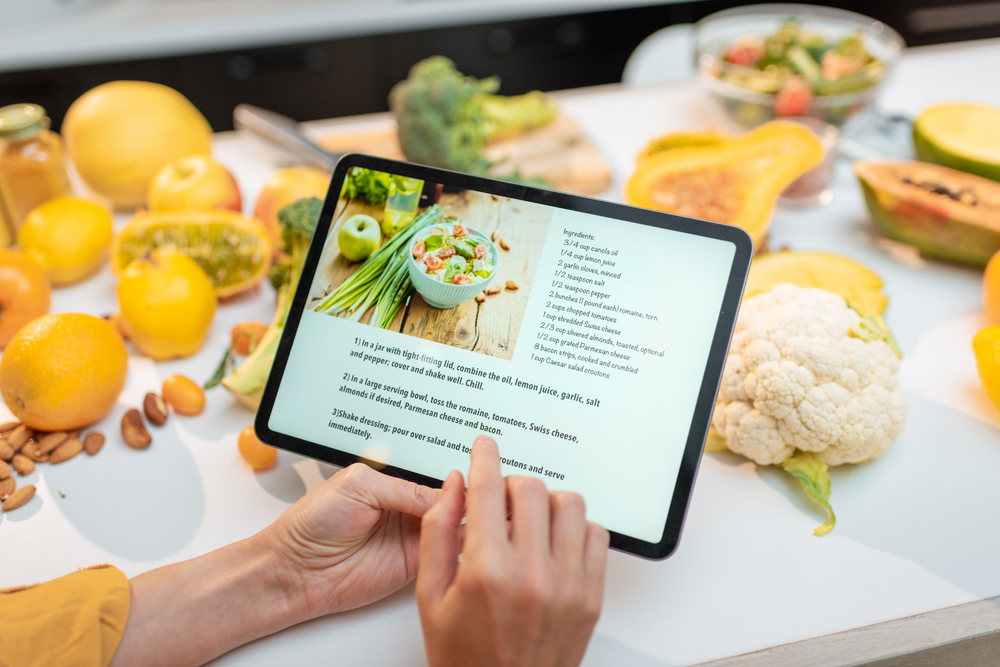
Talk to the children about a recipe. Ask them what they understand by the term. A recipe is a set of instructions for preparing/cooking a food dish, e.g. how to bake a cake.


Use the Recipe presentation to introduce children to the structure and contents of a recipe.


A recipe should include:

  • Title – what it is called;
  • Ingredients – the type, name and quantity of ingredients that are needed, in metric measurements;
  • Equipment – a list of all the equipment that is needed;
  • Method – a sequential plan, written and/or pictorial.


Get children to write a recipe. If children need extra support, allow them to use the My recipe worksheet. Ask them to write the recipe for making a breakfast of their choice, e.g. porridge, fruit salad, toast with topping, beans on toast. If you have time, you could allow children to make the breakfast recipes. 

To ensure that a recipe works, it is important to weigh and measure ingredients accurately.


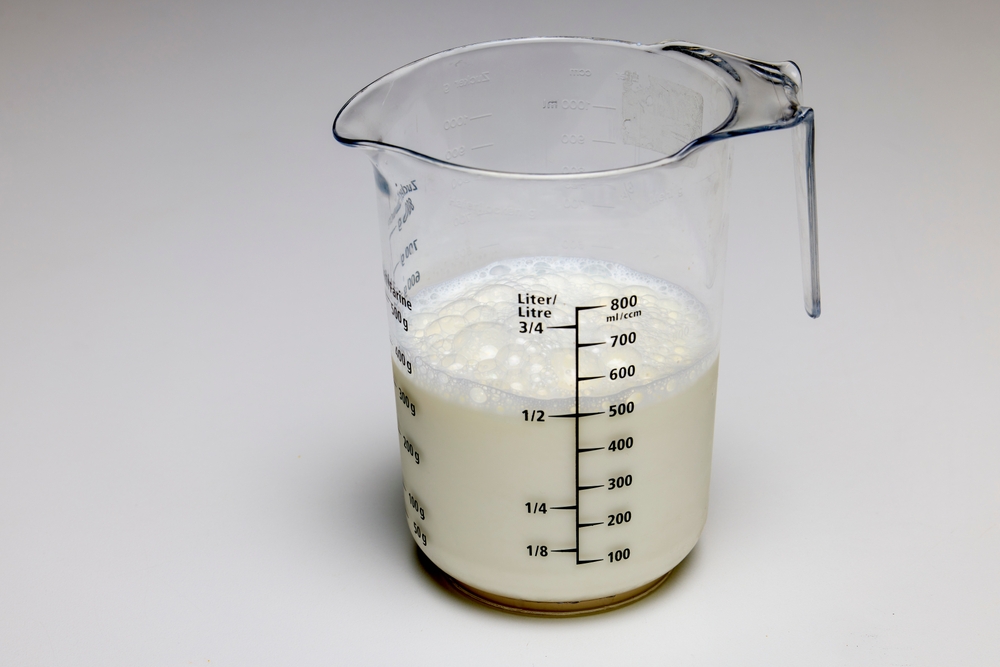
Using the Measuring worksheet as a stimulus, get small groups to weigh and measure precise quantities of food. Let one person measure and another check the measurement.


In small groups, challenge children to weigh and measure food and water, e.g. water in a measuring jug, flour using weighing scales. They can test each other on accuracy.

Get children to help Ronnie select the most appropriate ingredients and equipment to cook a series of dishes.


In small groups, or individually, use the Ronnie cooks cards to set different recipe challenges. Children can either verbally feedback their answers, or complete the Ronnie cooks worksheet.

Explain to the children that most recipes can be modified to make something different and original.


Often a basic recipe is used, where ingredients can be added to make it different, e.g. a basic scone recipe could be have cheese and mustard added (resulting in a savoury scone) or dried fruit and spice (resulting in a sweet scone).


Discuss the merits of each solution with the group.

  • Are the ingredients suitable?
  • How would it taste?
  • Could it be made?

To illustrate this concept further, watch the following videos:

For each, ask children:

  • How could the recipe be modified?
  • What ingredients would you add?
  • How would the ingredients be prepared?

Set up cooking activities with the children to allow them to successfully modify a number of recipes.


At first you may wish to limit the number of additional ingredients available – this will ensure a successful outcome. As children build confidence and competence, they can take bigger risks and try out new combinations of ingredients.


Use the Creative cook certificate as a reward for good practice during cooking for your children. This could be presented during assemblies.

Plenary

Recap with children:

  • A recipe is a set of instructions for preparing/cooking a food dish, e.g. how to bake a cake.
  • To ensure that a recipe works, it is important to weigh and measure ingredients accurately.
  • It is important to select and use the most appropriate ingredients and equipment to plan and cook a range of dishes.
  • Many recipes can be modified to produce exciting and original alternatives.

Further activities

Provide a selection of prepared vegetable and ask the children to choose 6 or 7 to make their own soup, stir-fry or salad. Discuss how you can make so many different recipes from the same basic ingredients. Ask pairs of children to write a recipe and swap, so that they follow each other’s instructions.

Ingredients resources for 7-11 years

Ingredients for 11-14 years

The lessons and resources below will cover:

  • Ingredients
  • Selecting ingredients
  • Nutrition

You will also find video and interactive resources to help embed the learning in your classroom.

To introduce the reasons why particular ingredients and foods are selected, show the Selecting ingredients presentation. Task pupils to complete the Selecting ingredients worksheet.


Use a nutritional analysis programme, such as Explore food to calculate the energy and nutrients provided by a recipe. Use the My recipe worksheet to support this.


Use the Modifying a recipe worksheet to demonstrate how the choice of ingredients can impact the nutritional profile of the dish made. The worksheet is based on the recipe for a lasagne but can be edited.

Ingredients resources for 11-14 years

Ingredients for 14-16 years


Ingredients resources for 14-16 years

Did you find this page useful?

We'd love to hear your feedback. If you would like a response, please contact us at [email protected]