Physical activity

Physical activity

Physical activity

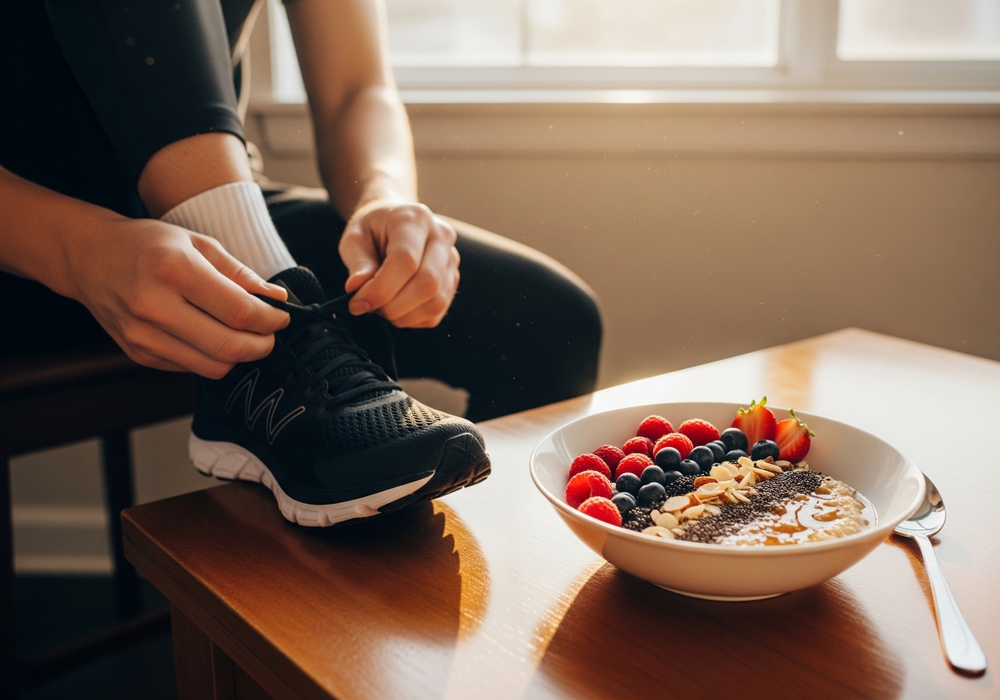
It is important to include a variety of different activity in everyday living, supporting physical, social and mental wellbeing.


Meeting the physical activity recommendations is a vital component of living a healthy, active lifestyle as it supports physical, social and mental wellbeing.


Being active goes beyond just participating in sport and it is important that pupils can recognise the different ways people can be active in everyday living. Pupils will also need to identify that the activity recommendations differ for people of different ages.


Nutritional requirements also differ when someone is very active and pupils should understand how they differ and what nutrients are crucial in meeting the changing requirements.


For further information around a healthy balanced diet, go to the British Nutrition Foundation website. 

For other Healthy eating topics, click below:

Physical activity for 5-7 years

Use the two activities below to run sessions for pupils aged 5-7 years in your classroom! You can find more activity ideas and related resources below.

Before the session, make a copy of the My activity booklet for each child. The booklet comprises two sheets which should be printed double sided, along the short edge. Each sheet can then be folded in half to create a booklet. 


Ask the children the following questions to get them thinking about being active:

  • What does ‘being active’ mean?
  • Have you been active today?
  • What activities do you usually do?
  • What activities are your favourite?

Write some of the children’s answers on the board and ask the children why they like the activities.


Question the children about how they feel when they are being active and after activity.

  • How do you feel when you are being active?
  • Do you feel out of breath, warmer/cooler, more/less tired and/or sweaty?
  • How do you feel after you have been active?
  • Why do you think you feel like this when you are active? (Your body is working harder and you are using energy.)

Ask the children if they think it is important to be active and why this might be.


Help the children understand that being active helps us to have strong bones, strong muscles and a healthy heart. Ask the children if they can think of any other reasons why it might be good to be active, e.g. to help us feel happy, make new friends, learn new skills, have new experiences, sleep better.


Give each child a copy of the My activity booklet. Talk through the activities in the booklet, pointing out the image/s and ‘I/ I can’ statements which provide the focus of each activity. You may like to set the children one activity a day or week. 
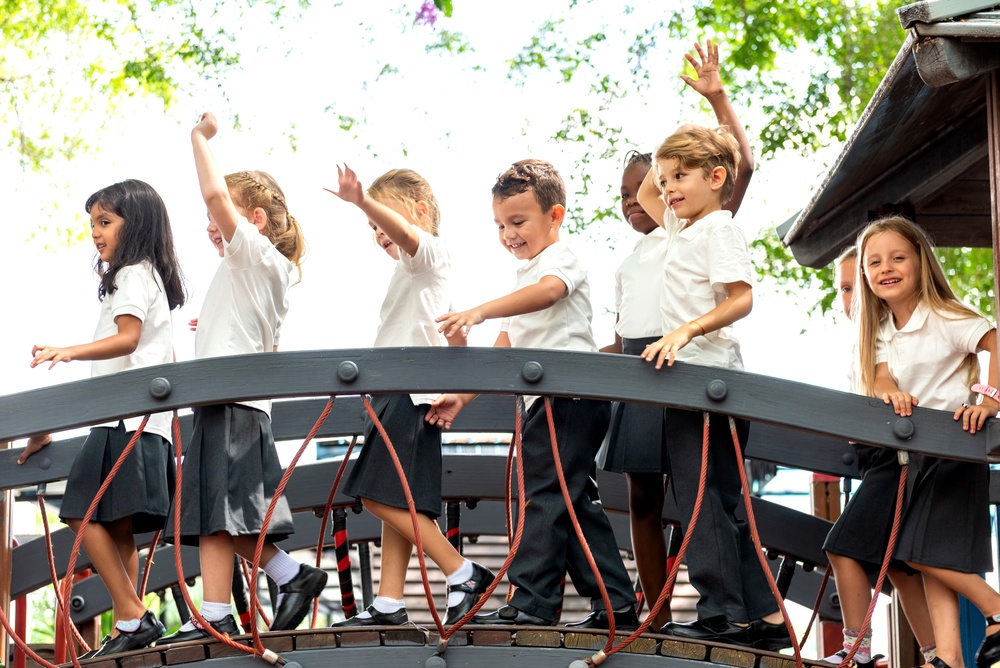
For this session, you might wish the children to change into their sports clothes. 


Recap what ‘being active’ means.


Explain to the children that they need to 60 minutes (one hour) a day of activity that:

  • makes them feel warmer;
  • makes them breathe harder;
  • makes their heart beat faster.

Ask them to suggest activities that they think would make them feel like this, e.g. running. Explain to the children that these sorts of activities are good for the body because they make it work harder which helps us get fitter and stronger.


Ask the children to suggest some activities where they are still active and moving about, but the body is not working as hard, we can call these ‘everyday activities’, e.g. walking, tidying.  Explain that these everyday activities are also important and should be done as well as the activities that count towards their 60 minutes.


Explain to the children that you are going outside to test some activities to see if they would count towards their 60 minutes a day or if they are ‘everyday’ activities that they do as part of our lives and don’t make the body work very hard.


You could give the children the Does it count towards my 60 minutes? worksheet or show this on an interactive whiteboard. Choose activities from the list to test with the children. Remind them of the three bullet points that tell us if the activity will count towards their 60 minutes a day. Direct the children to undertake the activities and ask how they feel after each one so you can decide if it counts towards their 60 minutes a day. You may wish to record this on the worksheet or board when you return to the classroom.


Explain to the children that they do not have to do their 60 minutes in one go, it can be in parts, e.g. 10 minutes at break time, 30 minutes at lunchtime, 5 minutes on the way home, 15 minutes at an after school club.  Ask them to talk about how they might add get to their 60 minutes in a day. They could use the Activity clock worksheet record this. 

  1. Give each child an Activity speech bubble worksheet. Ask them to complete the sheet and decorate the boarder with drawings of different activities. Use the completed sheets to create a display.
  2. Task the children to invent break time games and activities that would count towards their 60 minutes a day.
  3. Challenge the class and their parents/carers to think of an activity for every letter of the alphabet. Build a display of these in the entrance hall.

Activity resources for 5-7 years

Activity packs for 5-7 years

Take a look at our Activity packs for learners aged 5-7 years. The packs comprise food themed resources around topics such as Harvest festival, Space, Bread and Victorians.


Activity for 7-11 years

Use these two activities to run a session on eating well in your classroom. You will find some further ideas and downloadable resources below!

Ask the children the following types of question to get them thinking about being active:

  • How have you been active today?
  • What activities do you usually do?

Write some of the children’s answers on the board and discuss them with the class. Continue with questions about how they feel whilst they are active and after they have been active.

  • How do you feel when you are active? Do you feel out of breath, warmer/cooler, more/less tired and/or sweaty?
  • How do you feel after you have been active?

Continue the questioning:

  • Why do you think you feel like this when you are active? (Because you are moving more. Because you are using energy.)

Introduce the children to the 3 different types of physical activity:

  • active living, e.g. walking, gardening;
  • active recreation, e.g. play, dance, cycling;
  • organised sport, e.g. school sport, competitions.

Ask the children to keep an activity diary, looking at the 3 different types of activity. Use the Being active worksheet.

Get the children to compare their activity charts with each other.

  • How could they improve?
  • What steps could be taken?

Create a class activity chart on the wall.

Discuss why being active is important using the Get Active presentation. Talk to the class about their favourite activities and why they like them.


Use the Benefits of activity worksheet to get children to think about why we need to be active and discuss the answers with the class, e.g. to help us to have: strong bones; strong muscles; a healthy heart.


Ask the children if they can think of any other benefits of being active, such as to help us to feel happy; help us make new friends; provide new experiences.


Get the children to discuss some ways of warming up and cooling down for some of the sports they have said they will try.

Tell the children that it is recommended that they should be physically active for 60 minutes every day. Use the Being healthy Eatwell Guide poster to help.


Discuss how the 60 minutes per day recommendation can be made up by lots of different types of activity throughout the day. Use the Activity clock worksheet to get students to think of the ways they get 60 minutes of activity throughout the day. If the children have not filled up the whole clock, get them to think of other activities that they could fit into their day.


Use the My activity diary worksheet and get children to discuss whether they meet the recommendations over a week and if not how they can do in the future. Get pupils to plan a week of activity for a friend using lots of different activities.


Discuss with the class the difference between vigorous and moderate exercise. Using the Activity and energy cards, ask the children if they can put the cards into the right groups depending on whether the activity is moderate or vigorous. You can discuss their answers by drawing two columns on the board headed moderate and vigorous and list the examples below.


Further activities

  • Get children to complete the Activity skills worksheet.
  • Develop a display in school of the different types of activity that the children do each day, children can add their ideas from the Activity clock worksheet and the Benefits of activity worksheet.
  • Drinking plenty when being active is also important – as we might need to drink more when the weather is warm/hot, or if we are active. Use the Hydration and activity presentation to discuss the issues with children.
  • Organise a Nutrition Olympics event in your school. Get everyone involved! To take part in different events, children must first answer a nutrition question correctly. Then they can take part in different fun games and activities, e.g. watermelon weight lifting! What other games can the children devise? You could also organise a healthy picnic with parents/carers at the same time.

Activity resources for 7-11 years

Activity packs for 7-11 years

Take a look at our Activity packs for learners aged 7-11 years. The packs comprise food themed resources around topics such as Harvest festival, Space, Bread and Victorians.


Activity for 11-14 years

The lessons and resources below cover:

  • the benefits of activity;
  • the activity guidelines for different groups;
    everyday activity;
  • nutritional requirements in those who are very active.

The benefits of activity

The resources and pupil activities below can be used to support teaching and learning about physical activity and its benefits.


To introduce the benefits of physical activity, show the Benefits of physical activity presentation. Task the pupils to complete the Benefits of physical activity worksheet.


As a starter or plenary activity, ask the pupils to complete the Get active Kahoot quiz. Use the Get active Kahoot answers to check their responses.


Challenge the pupils to create a short video or write an article or blog for your school website to inform young people and adults about the benefits of physical activity.

Activity guidelines for different groups

There are different activity recommendations for different life stages. Show the Activity guidelines presentation to explain these. Task the pupils to complete the Activity guidelines worksheet.


Challenge the pupils to discuss their physical activity with a partner. Do they meet the recommendations for their age/life stage? Ask each pair to suggest one way to increase physical activity in order to meet the recommendations. Create a classroom display with the pupils’ suggestions.

Everyday activity

Discuss with the pupils the three different types of physical activity:


moderate, e.g. brisk walking, riding a bike on level ground, gardening; vigorous, e.g. jogging or running, football, rugby, gymnastics, martial arts; muscle strengthening, e.g. lifting weights, Pilates, yoga, heavy gardening.


Task the pupils to keep an Activity diary, get the pupils to compare their activity charts with each other. Discuss with them how they could improve and what steps they could take.


If you are a form tutor, why not create a class activity chart on the wall?


Task the pupils to design and produce a poster to encourage young people to keep active in school and out. They should include the benefits of activity and some suggestions for building activity into everyday life.


Challenge the pupils to make a pledge to increase their physical activity. You could use the Physical activity pledge or ask the pupils to write their pledge on a sticky note and make a display in your classroom or form room. Monitor the pledges, how did they do? How did they achieve it?

Activity resources for 11-14 years

Sports nutrition

The resources and pupil activities below can be used to support teaching and learning about sports nutrition. 


People who are very active require more energy. To introduce this concept, show the Sports nutrition presentation. Check understanding using the Sports nutrition Kahoot quiz and Sports nutrition Kahoot answers Q&A.


To remind pupils about the importance of good hydration when being active, show the Hydration presentation. Ask the pupils to complete the Hydration worksheet.


Challenge the pupils to complete the Hydration Kahoot quiz. Discuss the answers they have given using the Hydration Kahoot quiz answers. Alternatively, show the short Hydration video to explain where good hydration sits within the Eatwell Guide.


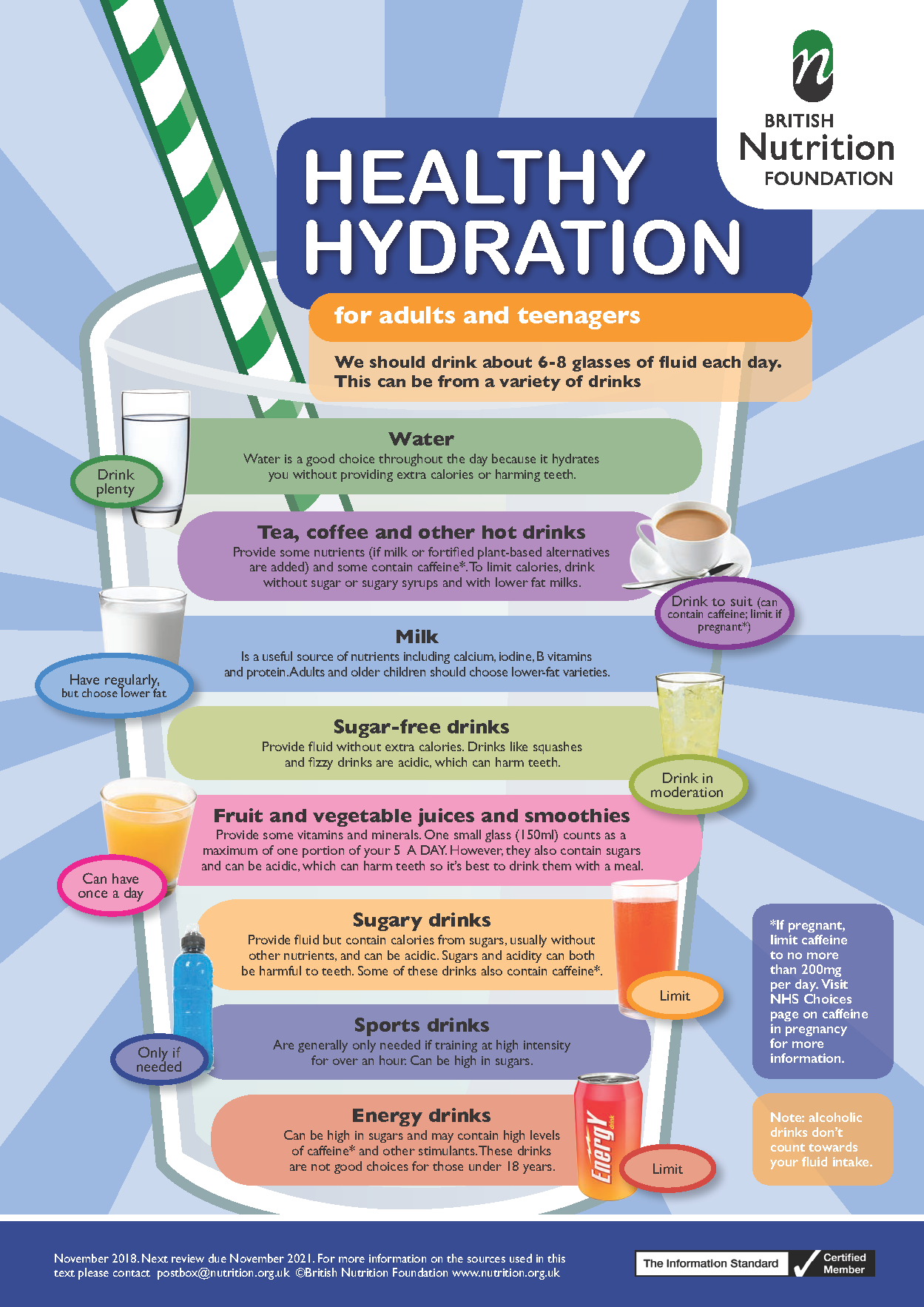
The Healthy hydration BNF poster is available as a useful teacher/adult resource and can be used as part of a display on healthy hydration.


Some ‘sports and energy drinks’ are a cause for concern when consumed by children and young people. Discuss with the pupils who they think these products are aimed at. Compare the list of ingredients for a variety of drinks and identify what is different. Many pupils will consume extra energy (calories) and/or caffeine through consuming these products; some can also be very acidic and harmful to teeth. Provide a container of sugar cubes and ask the pupils to weigh out the amount of sugars provided in the drinks using the information on the nutrition labels.


Set up a hydration station to encourage pupils to drink more. Provide a variety of herbs, fruit and vegetables to add flavour and interest to the water. Avoid using acidic fruits such as lemons, limes and oranges as the acid can be harmful to teeth.

Sports nutrition resources for 11-14 years

Sports nutrition for 14-16 years


Sports nutrition

It is important that students understand how energy, fluids and nutrients support the body during exercise and recovery.


They should also be able to apply their knowledge of nutrition to different types and levels of physical activity and consider how food and drink choices can support health, wellbeing and performance.


The resources below explore the role of nutrition in supporting physical activity and sports performance.

Sports nutrition resources for 14-16 years

Did you find this page useful?

We'd love to hear your feedback. If you would like a response, please contact us at [email protected]