Understanding the digestive system
Digestion involves different parts of the body, each having an important role.
Energy and nutrients provided by food and drink are utilised by the body in a process called digestion.
Pupils should recognise the parts of the body involved in digestion and know their roles in the four major phases of the digestion process.
For further information around a healthy balanced diet, go to the British Nutrition Foundation website.

For other Healthy eating topics, click below:
Digestion for 7-11 years
Use this digestion activity and the additional resources below to teach about digestion in the primary classroom!

Activity - The process of digestion
Discuss the importance of energy and nutrients within the context of the diet (e.g. the body requires energy from food and drinks to function). Then explain that it is essential that we absorb energy and nutrients so they can be used by the body. This process is called digestion.
Ask the children what comes to mind when they think of digestion. You can write some of the correct ideas onto the board to stimulate discussion.
Discuss what digestion is, the way in which energy and nutrients provided by food and drink are utilised by the body. Ask some questions to get the children to discuss their knowledge of digestion:
- Why is digestion important? (Without digestion, we could not absorb food into our bodies and use it.)
- What parts of the body are involved in digestion (Mouth, tongue, teeth, stomach, oesophagus and large intestine)

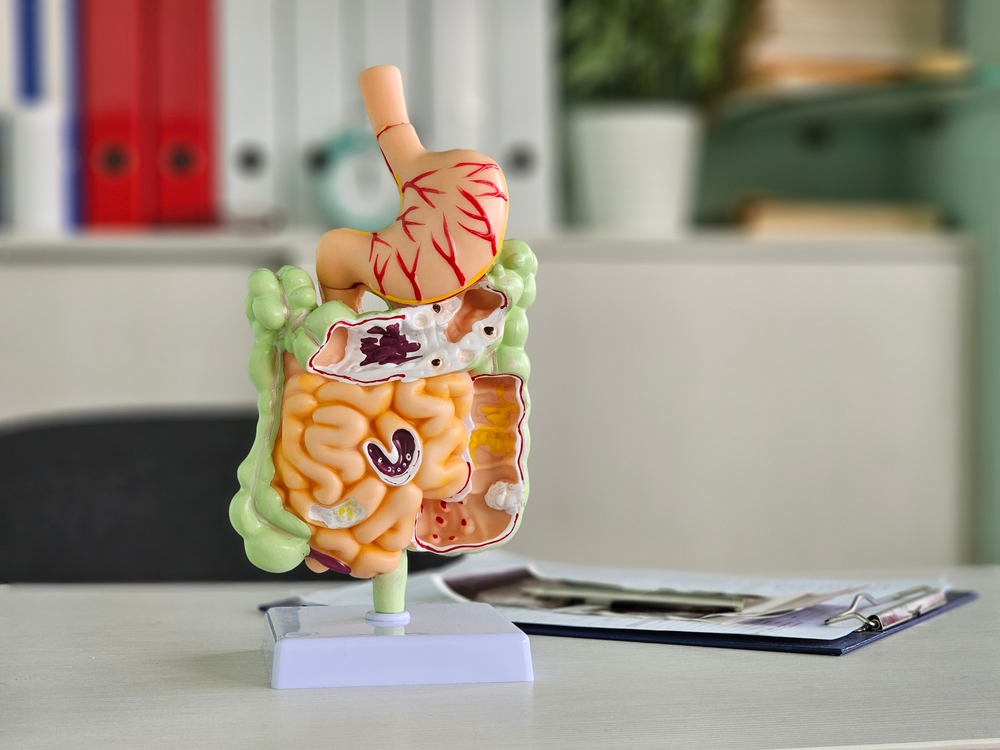
Use the digestive system presentation and the digestive stages worksheet to introduce pupils to the main body parts associated with the digestive system, for example, mouth, tongue, teeth, oesophagus, stomach and small and large intestine and explore questions that help them to understand their special functions.
Explain how digestion involves different parts of the body: Mouth, tongue, teeth, stomach, oesophagus and large intestine, and that they all have important roles. Use the Label the digestive system worksheet to see if the children know where each part is.
You may wish to show the children the Digestion videos.
Introduce the role different parts of the body (mouth, teeth, oesophagus, stomach and intestines) play in the digestive process (e.g. in the mouth the food is broken into smaller pieces by the teeth through chewing). Using the Digestion functions worksheet, ask children to match the body part to its function.
- Mouth: The start of the process. The cheeks and tongue help to push the food towards the teeth. We start to chew. Saliva also moistens the food making it easier to chew and swallow.
- Teeth: When we eat, the teeth mechanically break down food into smaller pieces. Teeth of different shape tear, chop and grind the food. The food is then rolled into a ball and swallowed down the oesophagus.
- Oesophagus: When food is swallowed, the muscles in the oesophagus contract and relax, helping to push the food down into the stomach. Each mouthful of food takes about six seconds to reach the stomach once it is swallowed. Even when the body is upside down, the food will still pass from the mouth to the stomach.
- Stomach: The stomach is a sack made of muscles that contract and churn food, breaking it down even further. The acid and enzymes in the stomach also help to break down the food. Food can spend up to 2 to 3 hours in the stomach.
- Intestines: The small intestine is a tube about 6 metres long. The small intestine absorbs most of the nutrients. Undigested food continues to move along the small intestine into the large intestine. Absorption of nutrients and water continues.
Further activities
Ask the children to create a poster explaining the process of digestion. The posters could then be used as part of a classroom display.
Digestion resources for 7-11 years
Activity packs for 7-11 years
Take a look at our Activity packs for learners aged 7-11 years. The packs comprise food themed resources around topics such as Harvest festival, Space, Bread and Victorians.

Digestion for 11-14 years
This area explores the process of digestion and how the body uses food.
It is important that students understand how food is broken down into nutrients that can be absorbed and used by the body.
They should also recognise the roles of the digestive organs and enzymes, and apply their knowledge of digestion to the functions of nutrients and the importance of a balanced diet.

The digestion process
The resources and pupil activities below can be used to support teaching and learning about digestion.
To introduce the digestion process, show The digestion process presentation. Task the pupils to complete The digestion process worksheet.
Using the information from The digestion process presentation, ask the pupils to complete one of the following three activities:
- Digestive stages worksheet – pupils draw each role different parts of the body (mouth, teeth, stomach, intestines) play in digestion;
- Digestive functions worksheet – pupils match the body part to the function;
- Label the digestive system worksheet – pupils link the body part name to the correct part of the body.
Show the short video clips which explain Ingestion, Digestion, Absorption and Elimination.
To check understanding, challenge the pupils to complete the Kahoot digestion quiz. Use the Kahoot digestion quiz Q&A to check their answers.
Challenge the pupils to create a learning resource to use with the rest of the class using the Digestion Key terms and definitions. They could use the internet and create a crossword puzzle in which the words are terms and the clues are definitions or a word search in which the definition rather than the word is given as a clue.
Digestion resources for 11-14 years

Digestion for 14-16 years
Check out the resources and videos below to teach about digestion in your classroom!

Follow a mouthful of food through the digestive system, identifying each organ it passes through and what happens at each stage.
Create a labelled model or diagram of the digestive system and explain the role of each organ.
Match the different stages of digestion to the organ where they take place, then explain what happens at each stage.
Investigate what happens to a meal as it travels through the digestive system, identifying where food is mechanically and chemically broken down.
Choose one organ of the digestive system and become an expert on its structure and function. Share your findings with the rest of the class.

Choose a nutrient such as carbohydrate, protein or fat and trace what happens to it from eating through digestion and absorption.
Investigate how nutrients are absorbed in the small intestine and explain why the structure of the small intestine makes it well suited to this job.
Create a model or annotated diagram showing the features of the small intestine that help maximise nutrient absorption.
Watch one or more of the digestion videos and create a visual summary, animation, infographic or short explanation of what you have learned.
Investigate what happens when food enters the mouth, including the roles of chewing, saliva and enzymes, and explain why digestion begins before food reaches the stomach.
Follow food through the stomach, small intestine and colon, explaining how the role of each part of the digestive system differs.
Test your knowledge of digestion using the quiz, then identify any areas you found challenging and use the revision sheet or videos to improve your understanding.