Welcome to the additional needs area of the Food – a fact of life website. Explore resources, activities and practical ideas to support children and young people with additional needs to develop their knowledge, skills and confidence around food and nutrition.
The resources cover key areas including healthy eating, cooking, food hygiene and safety, where food comes from, food production and processing, shopping, serving and sharing, and developing skills for independent living. They are designed to support teachers and educators in providing inclusive food education and can be adapted to reflect different ages, abilities, learning needs and levels of independence.
Resources include teaching guidance, activities, presentations, worksheets, recipes and practical videos, providing flexible support for teaching food and nutrition to pupils with additional needs.
Nine Key Areas:
1. Food and drink for life

2. Variety (eat well)

3. Being active

4. Choice and preference

5. Cooking

6. Serving and sharing

7. Food origins

8. Food processing

9. Shopping

There are also resources to support pupils developing skills for independent living.
Each area is supported by an introductory guide with a range of activities, a presentation with images to provide stimulus, and worksheets. All resources are fully editable and, depending on pupil's individual needs, teachers will need to decide on the level of complexity of the tasks chosen.
There are also six new peer-to-peer recipe videos, with accompanying recipes adapted for pupils with additional needs, and also versions that use Widgit© Symbols.
Guidelines for school education food resources
These resources for pupils with additional needs meet the Guidelines for producers and users of school education resources about food.

Characteristics of good practice in teaching food and nutrition education to pupils with additional needs
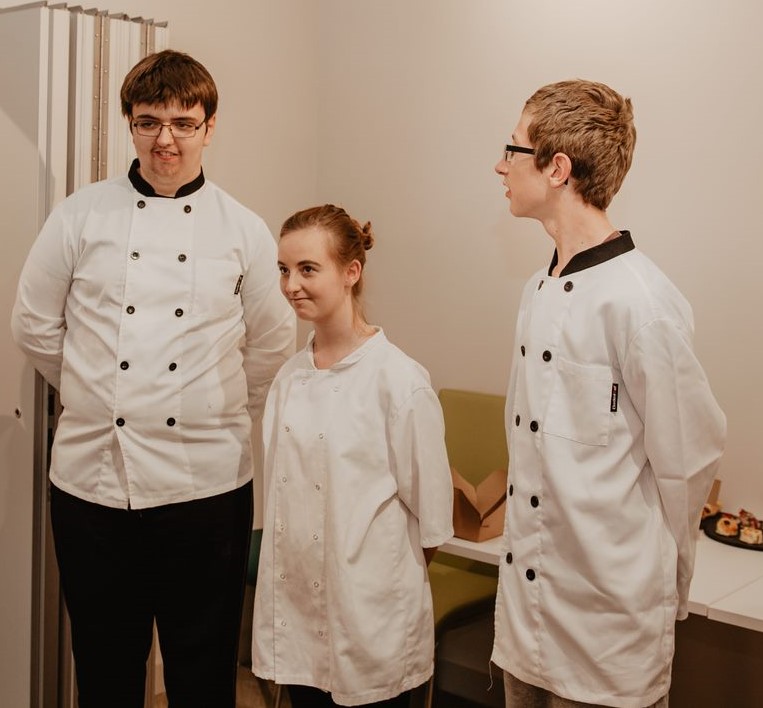
This guide sets out a series of characteristics of good practice, determined via consensus with primary and secondary school practitioners, awarding organisation, initial teacher training providers, and experts in supporting pupils with additional needs across the UK, which can be adopted as part of a good practice approach by all those that teach food and nutrition to pupils with additional needs. The guide also considers the importance of developing skills for independent living and the world of work, especially within catering and hospitality.
The aim of this guide is to provide a perspective on teaching pupils with additional needs and:
- define the key characteristics of good practice that are specific to teaching food and nutrition to pupils with additional needs;
- exemplify these characteristics of good practice in UK schools, both special and mainstream;
- identify exemplary practice and the school staff who could take responsibility for leading or enabling the practice, e.g. governor/head teacher/senior leadership team; curriculum lead/coordinator; special needs coordinator (SENCo); or class teacher/teaching assistant;
- highlight the key features of achieving these characteristics, showing how these can be put into practice, with case studies and suggestion of how to develop these for the future;
- support teachers that teach pupils with additional needs, especially those that are newly qualified;
- enable practising teachers to audit their own practice, to plan and implement personal and professional development goals.

Knowing my pupils means that I can plan tailored lessons and ensure that, no matter what the topic, my pupils can achieve their full potential. This guide is an invaluable resource for teachers as it clearly sets out what we need to aim for in terms of best practice for supporting pupils with additional needs.
Laura Kelly, food and nutrition teacher, St Columbanus’ College, Bangor, Northern Ireland
Individual Characteristics
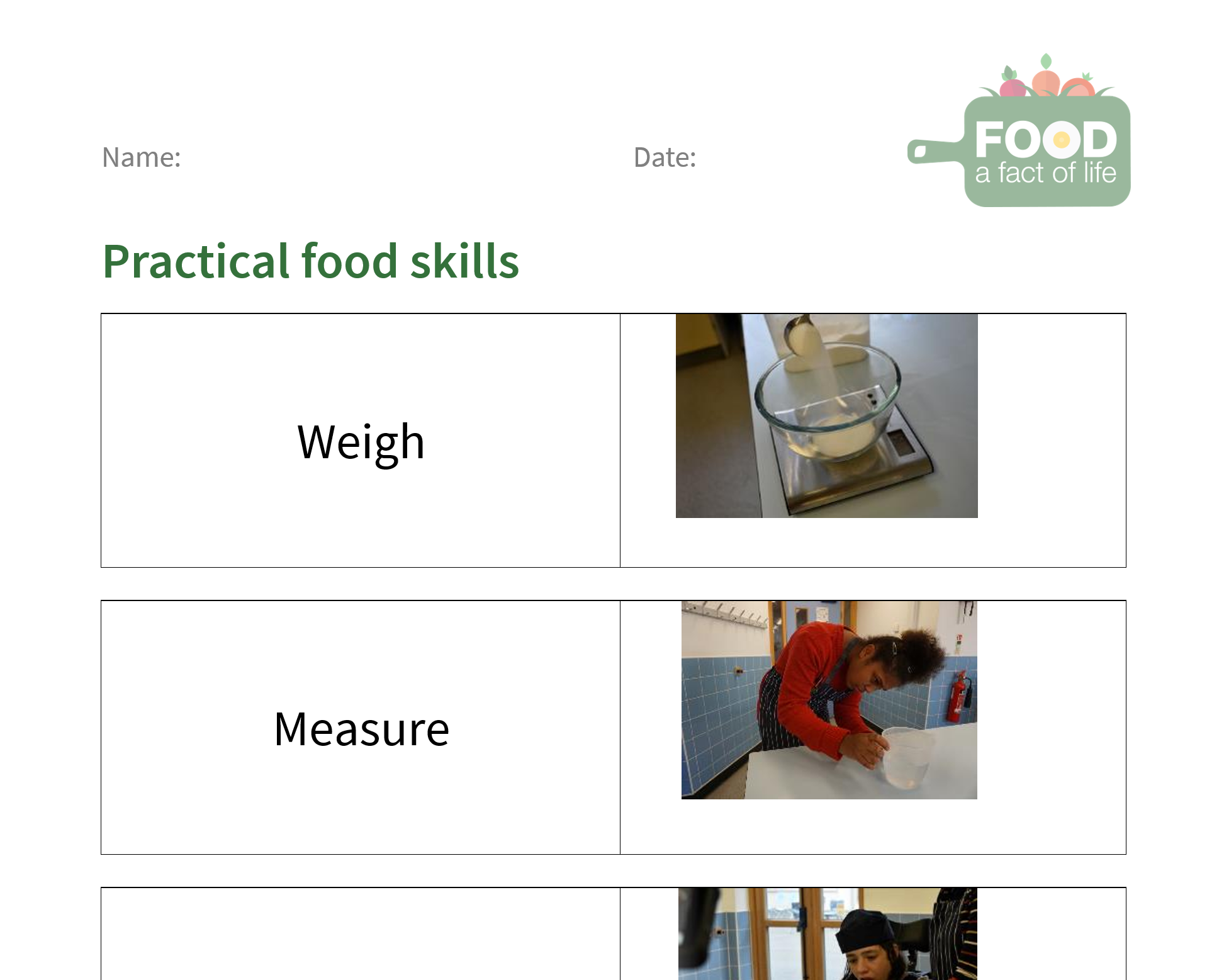
Practical Food Skills Chart
Reflection Documents
Mapping document to FFL resources
Download the Mapping document by clicking on the button below. This document provides a guide to all of the FFL resources available for teaching pupils with additional needs.

Food and drink for life
Key learning
- Food and water are a basic requirement for life.
- We choose different types of food for different reasons.
- There are many different types of food and drink.
To support learning, the following is available:
- this introductory guide, with activity ideas;
- stimulus materials and worksheets.

Food and drink for life resources
Variety (eat well)
Key learning
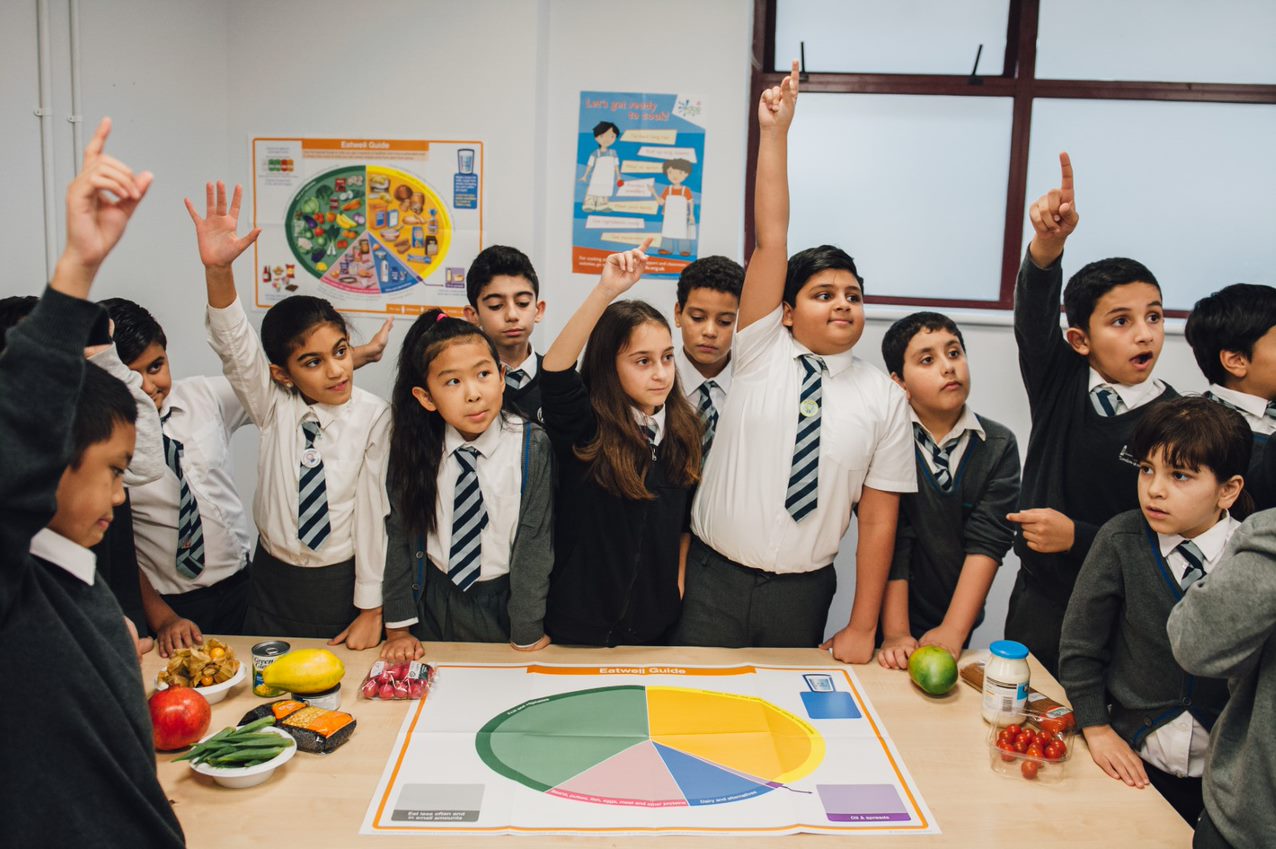
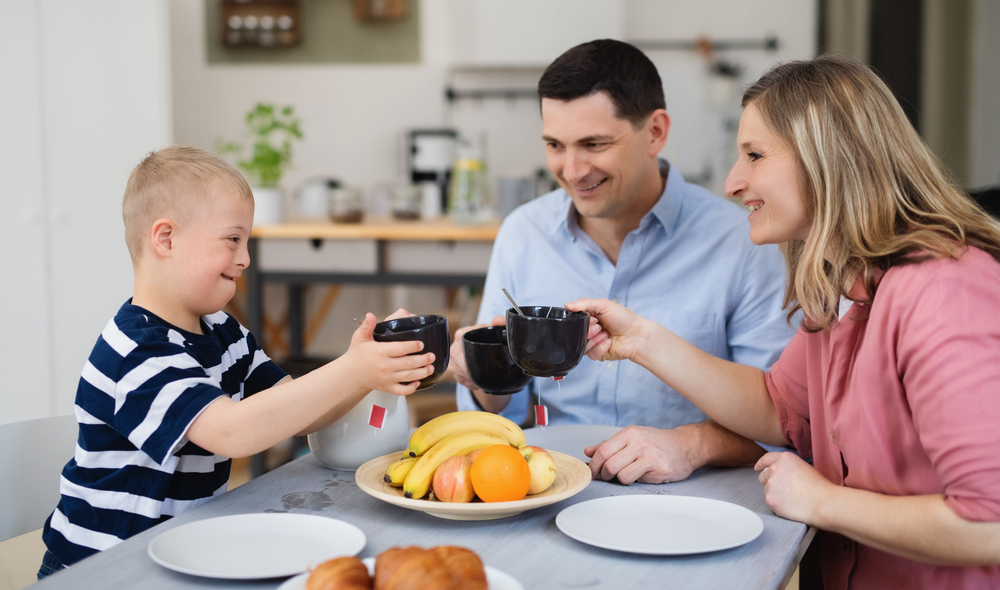
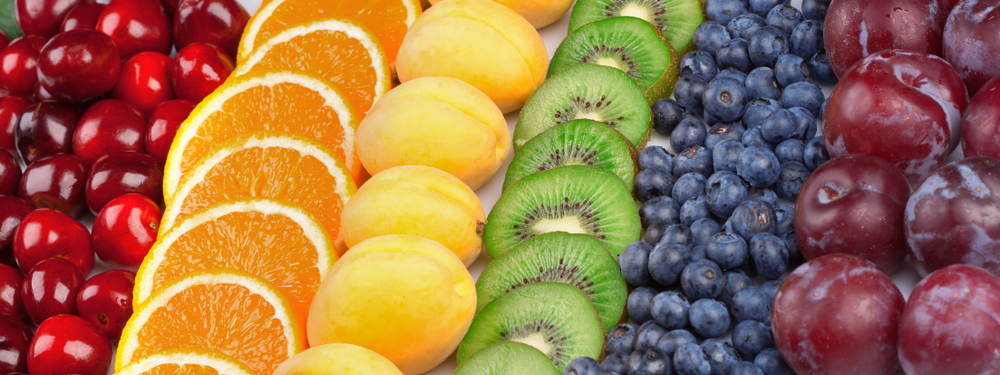
- we all need to have a balance and variety of different foods;
- we need 6-8 drinks a day.
To support learning, the following is available:
- an introductory guide, with activity ideas;
- stimulus materials and worksheets.
Variety (eat well) resources
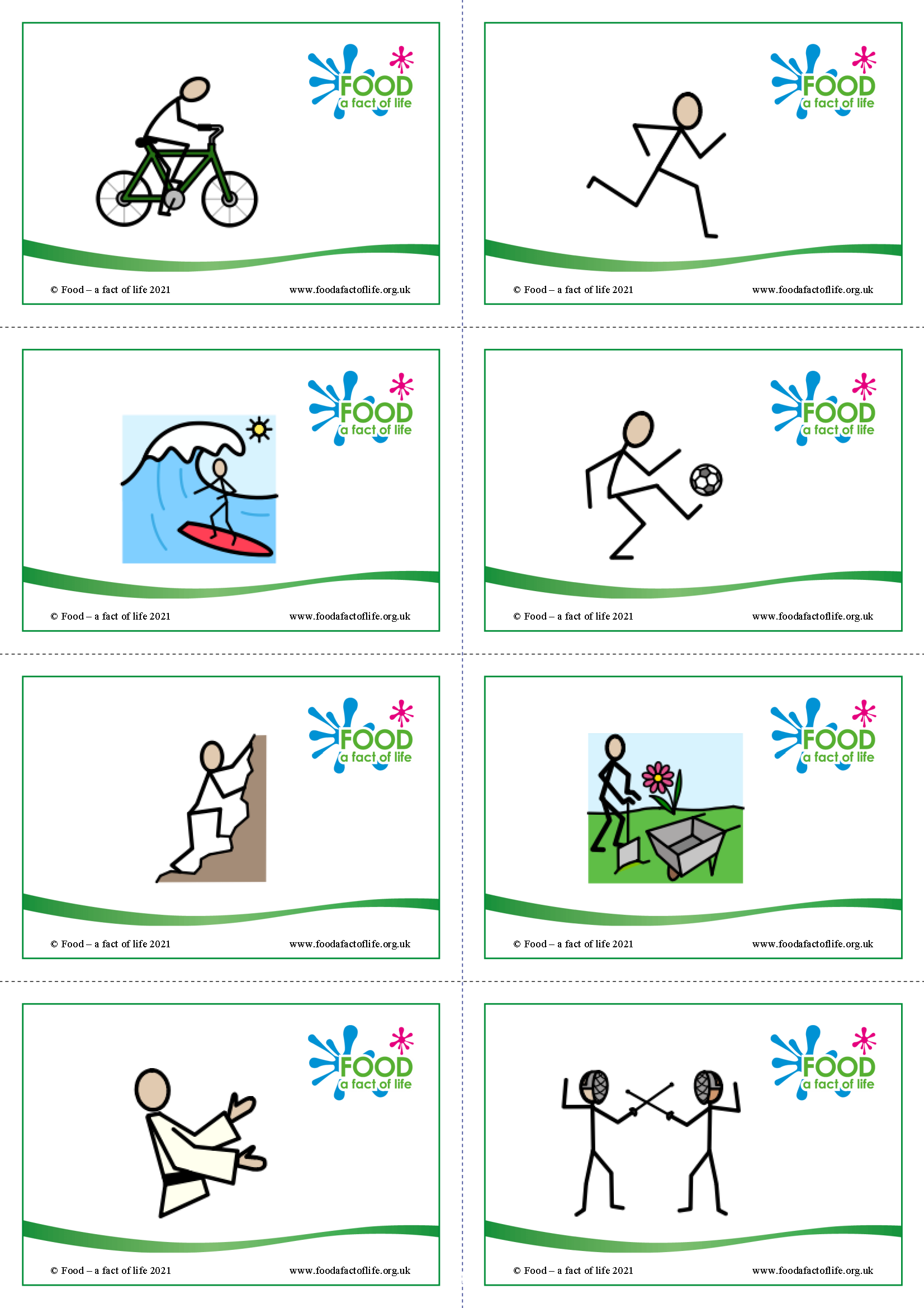
Being active
Key learning
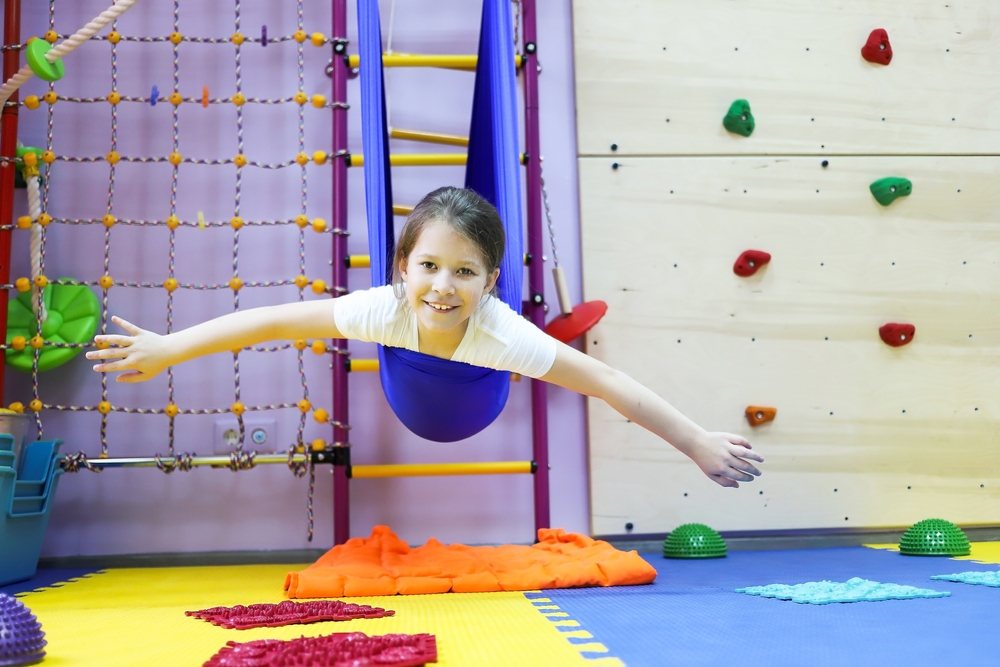
- There are lots of different ways to be active.
To support learning, the following is available:
- an introductory guide, with activity ideas;
- stimulus materials and a class activity chart.

Being active resources
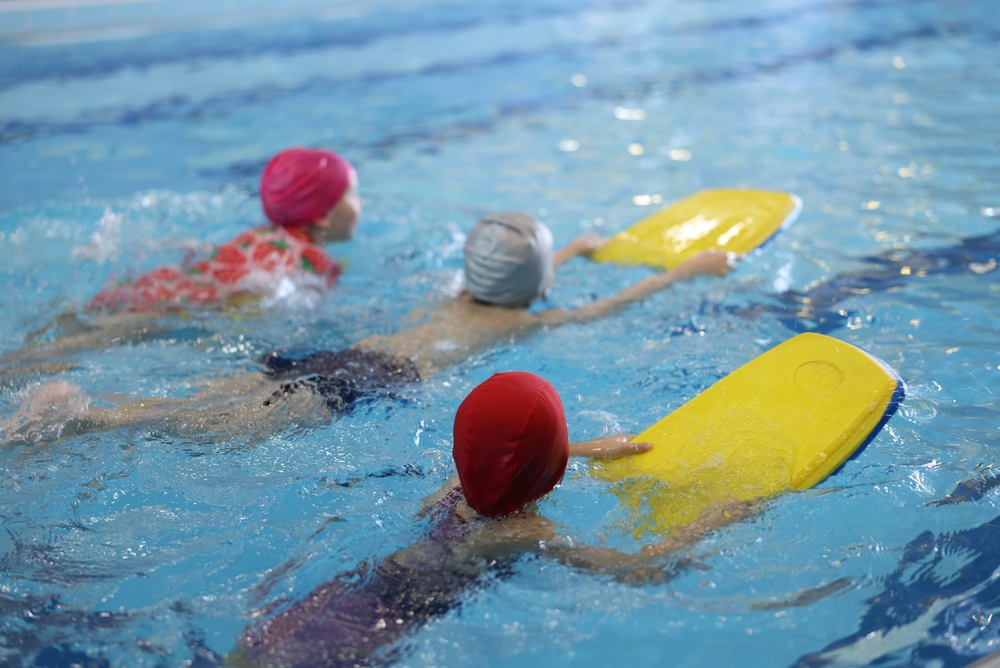
Cooking for pupils with additional needs
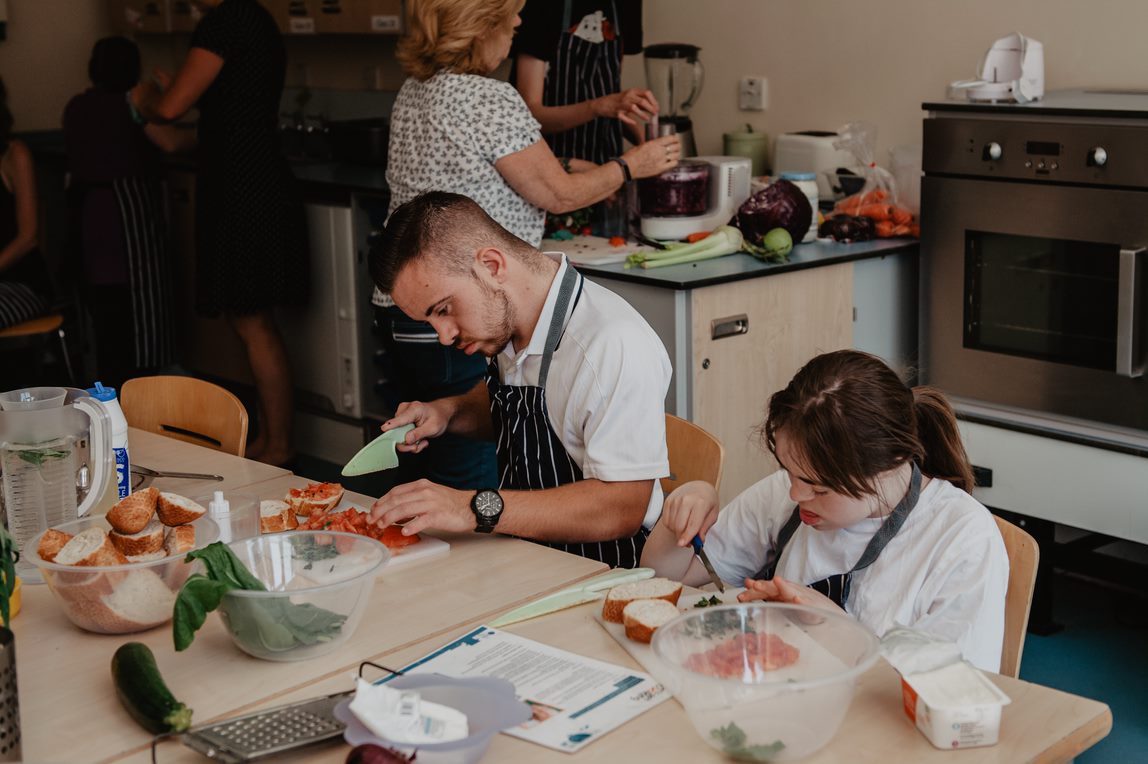
Here you will find resources to support pupils with additional needs learning about Cooking, including food hygiene and safety.
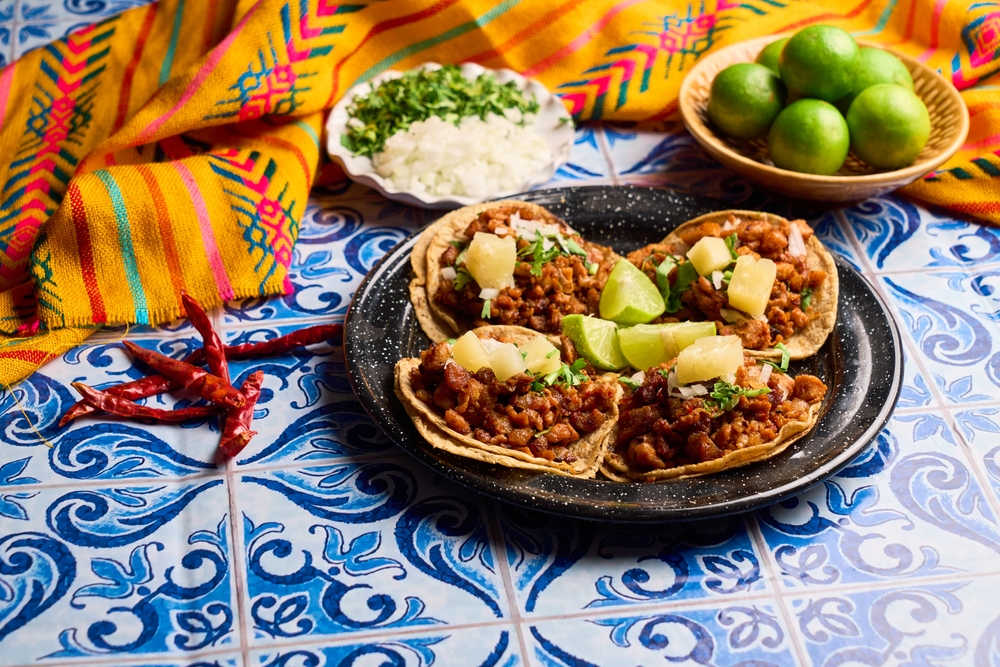
Choice, preference and occasions
Key learning
- People eat different food, drinks and meals according to the time of day, who they are, where they live, their culture, their personal preferences, and the meal occasion.
- The type of food and drink people choose depends on their likes and dislikes.
- There are many different festivals and events which are celebrated with food and drink.
- All the senses are used for tasting food, helping people to make choices.
To support learning, the following is available:
- an introductory guide, with activity ideas;
- stimulus materials, recipes and worksheets.

Choice, preference and occasions resources

Cooking
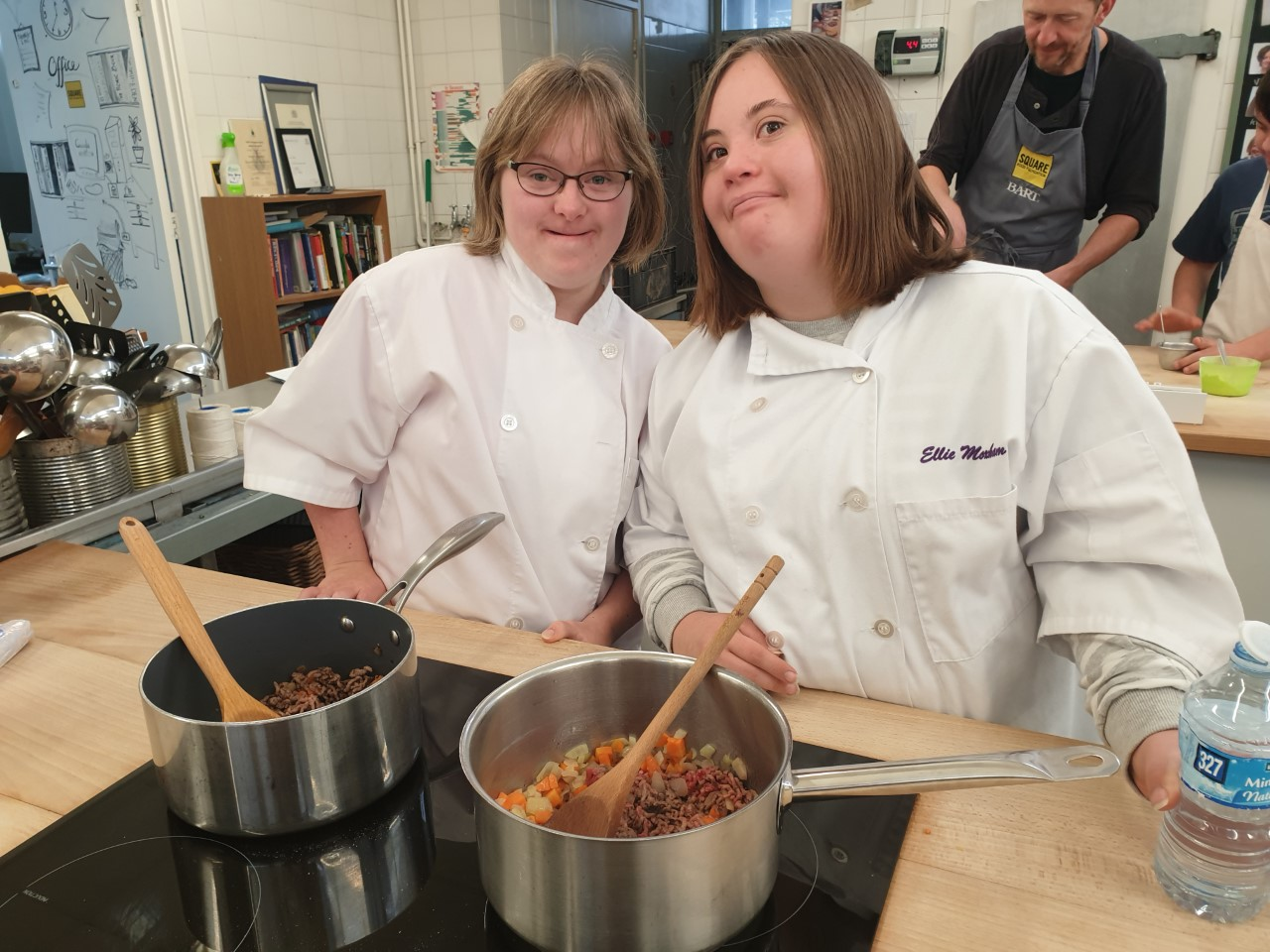
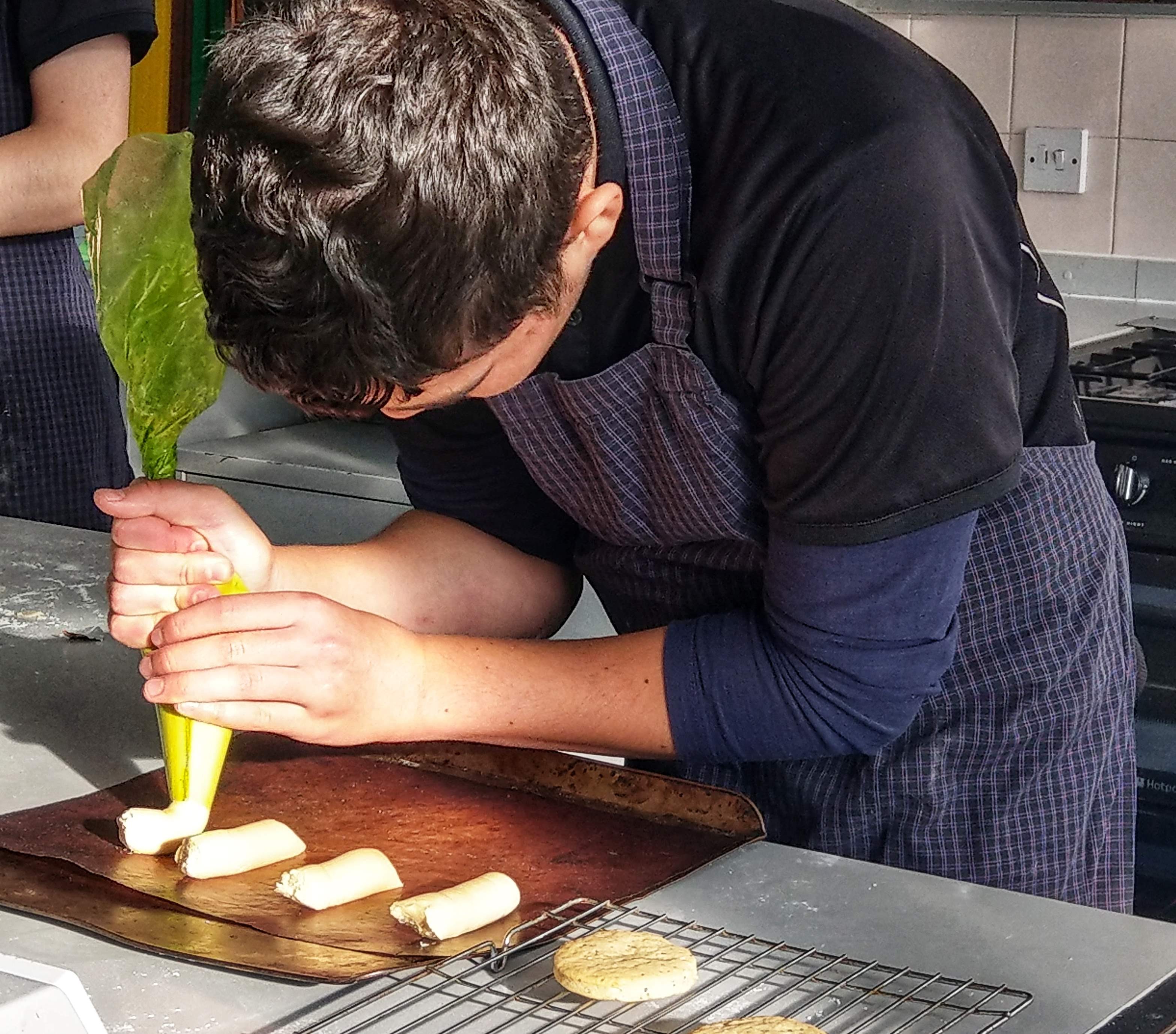
This learning area, which is one of the nine developed to support pupils with additional needs, supports pupil understanding about cooking, including food hygiene and safety.
Key learning
- a range of ingredients can be used to make drinks, meals and snacks;
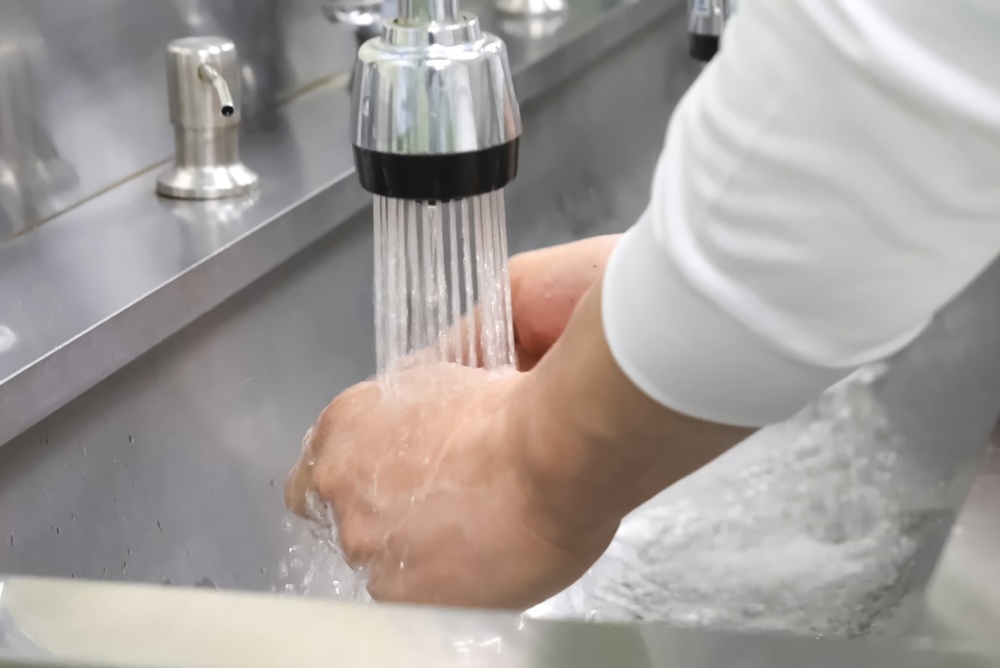
- storing, preparing and cooking food safely and hygienically are vital for health;
- recipes provide the steps needed to prepare and cook the ingredients to make a dish. They should be sequenced and in a logical order;
- a range of practical food skills can be used to feed ourselves and others well, independently or with support.

To support learning, the following is available:
- an introductory guide, with activity ideas;
- stimulus materials, activities and worksheets.
Practical food skills videos can be found here.
Peer-to-peer recipe videos, recipes adapted for pupils with additional needs and recipes using Widgit© Symbols can be found here.
Further recipes suitable for use in school can be found here. Recipes can be sorted by age group, food commodity, recipe complexity, recipe time, food skills or cooking method.
Cooking resources
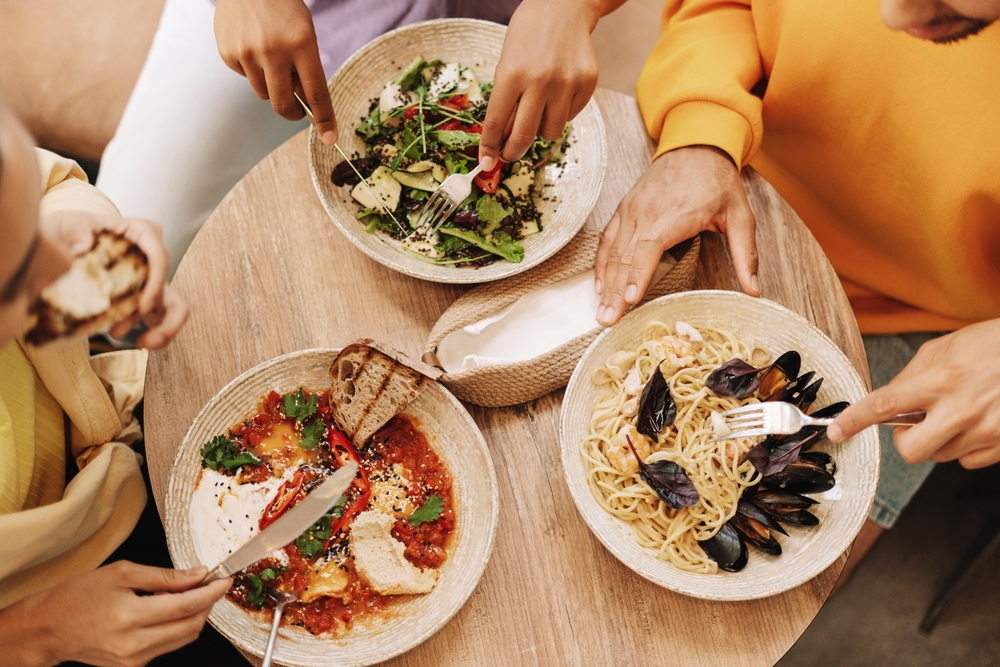
Serving and sharing
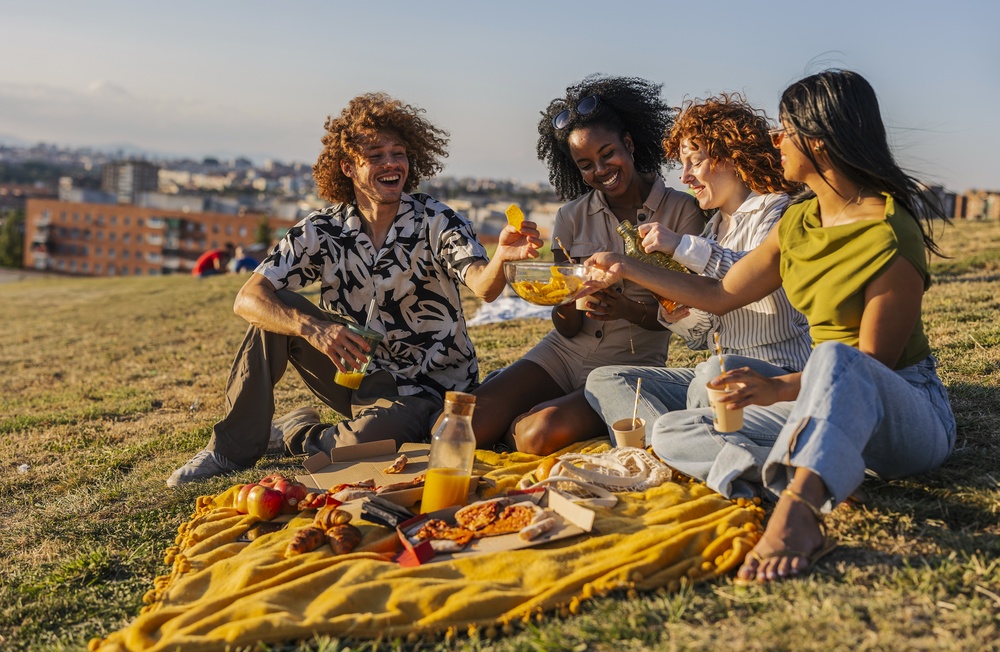
This learning area, which is one of the nine developed to support pupils with additional needs, supports pupil understanding about serving and sharing food and drink.
Key learning
- Food is presented and served in different ways depending on the time of day, who is eating and the occasion.
- Eating and sharing food is a great way to meet and spend time with people.
- Applying good portion control when serving food can be beneficial for health and reduce the amount of food wasted.
To support learning, the following is available:
- this introductory guide, with activity ideas;
- stimulus materials and a worksheet around sharing food.

Serving and sharing resources
Where food comes from
Here you will find resources to support teaching and learning around Where food comes from with pupils with additional needs.
Food origins
This learning area, which is one of the nine developed to support pupils with additional needs, supports pupil understanding about food origins.
Key learning
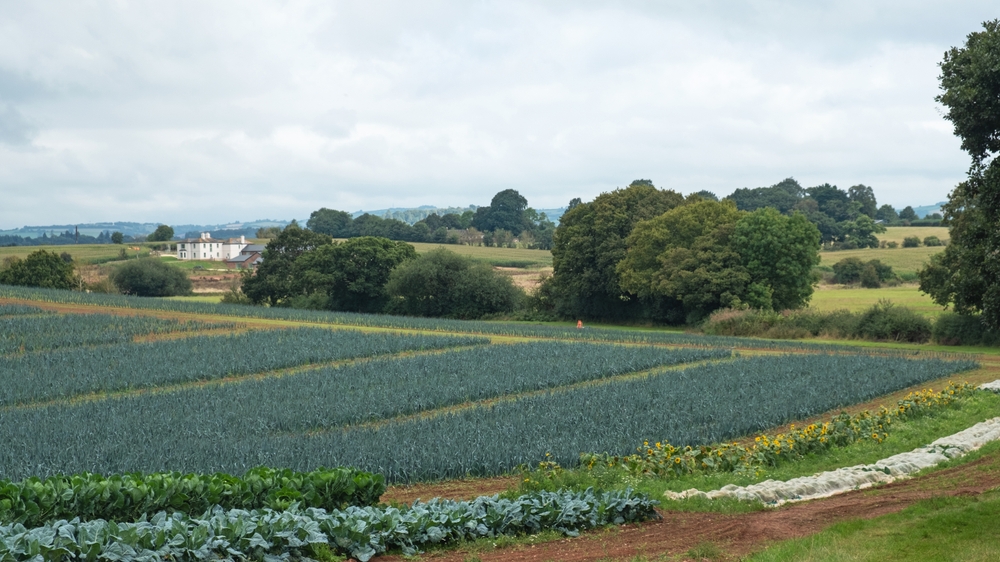
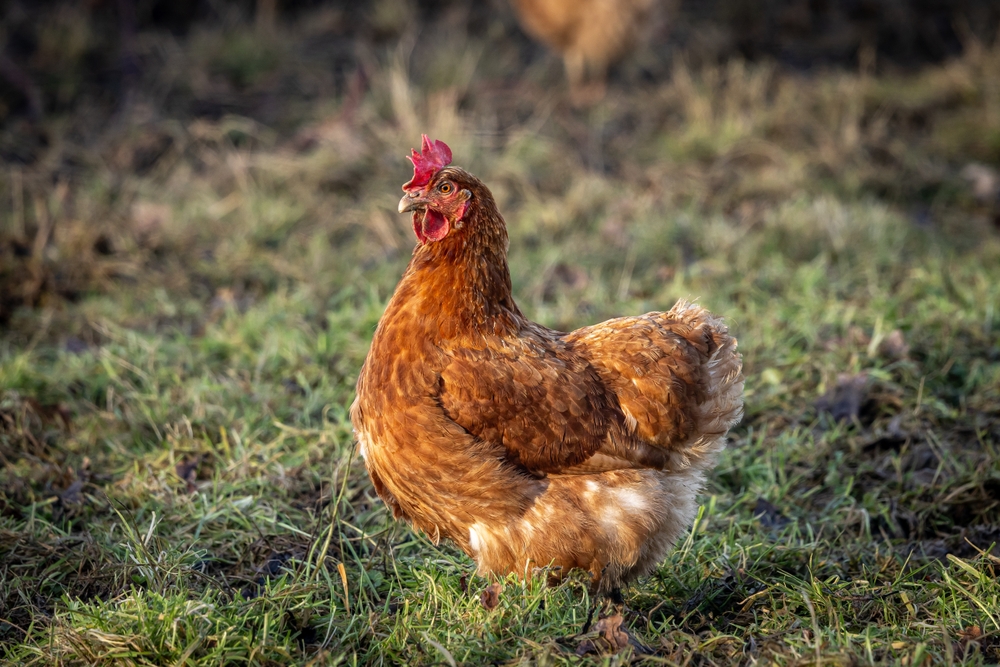
- food is from plants and animals;
- food has to be grown, reared or caught.
To support learning, the following is available:
- this introductory guide, with activity ideas;
- stimulus materials and worksheets.

Food origins resources
Food is produced and processed
Key learning
- food is from plants and animals*;
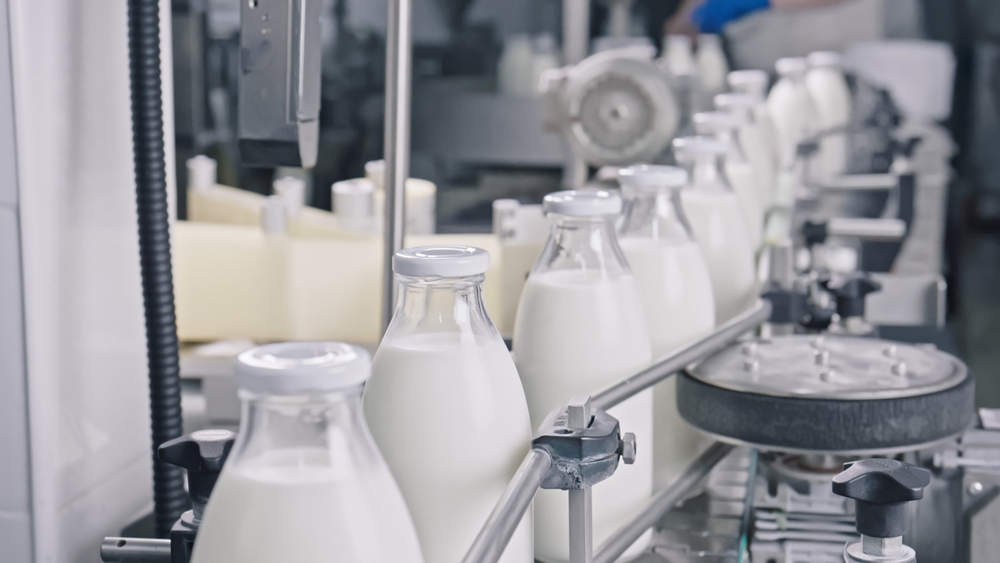
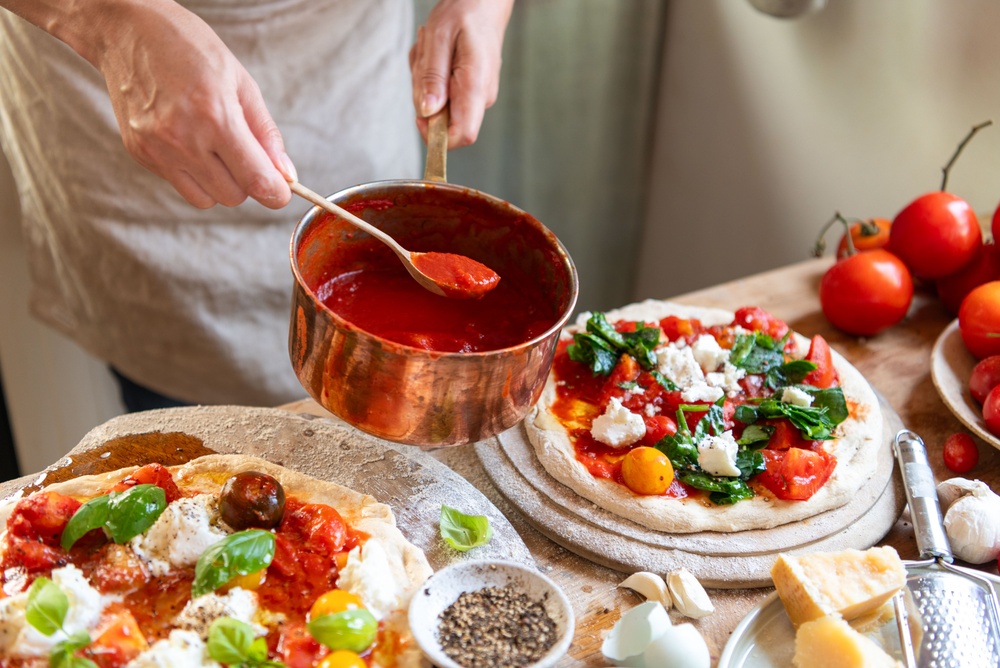
- food is produced and processed in different ways.
*Recapped from previous learning.
To support learning, the following is available:
- this introductory guide, with activity ideas;
- stimulus materials and worksheets.

Food is produced and processed resources
Shopping
Key learning
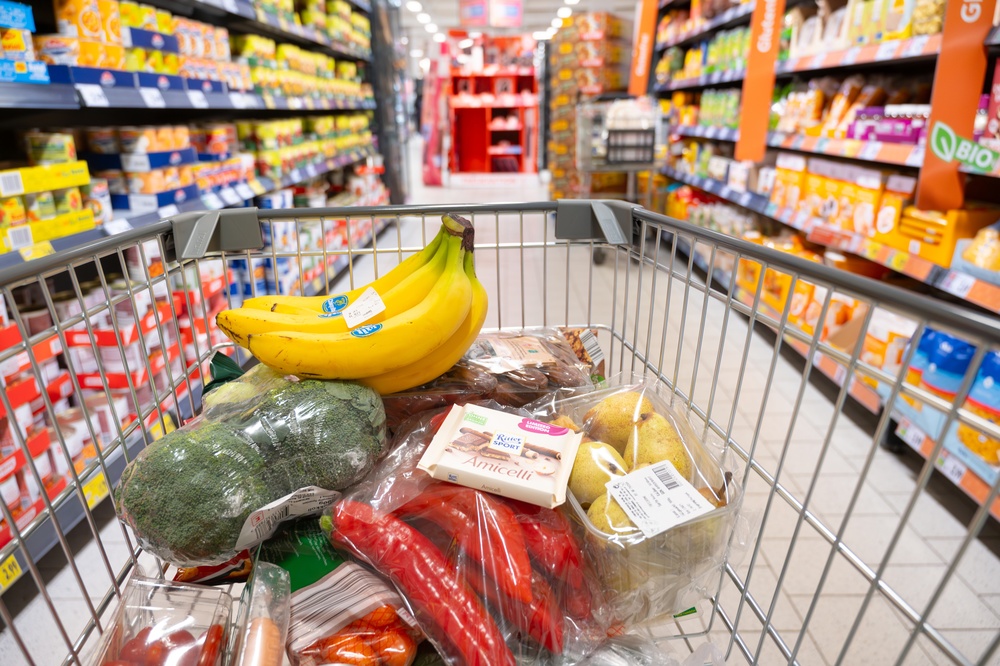
- Food is available from a variety of places.
- Decisions need to be made when planning what to eat and when buying food.
To support learning, the following is available:
- an introductory guide, with activity ideas;
- stimulus materials and worksheets.

Shopping resources
Recipes and videos
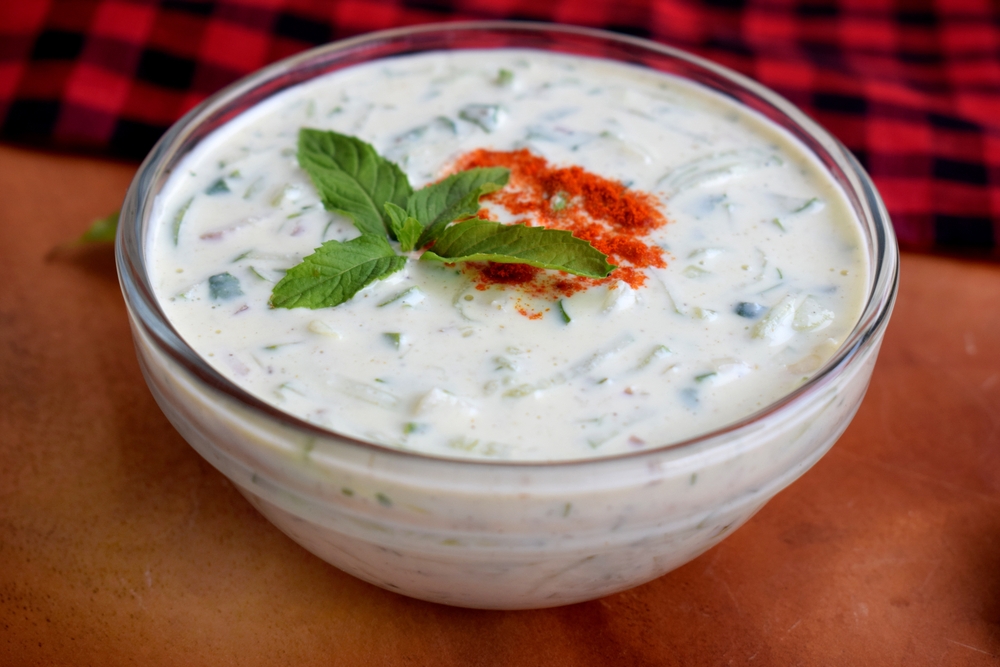
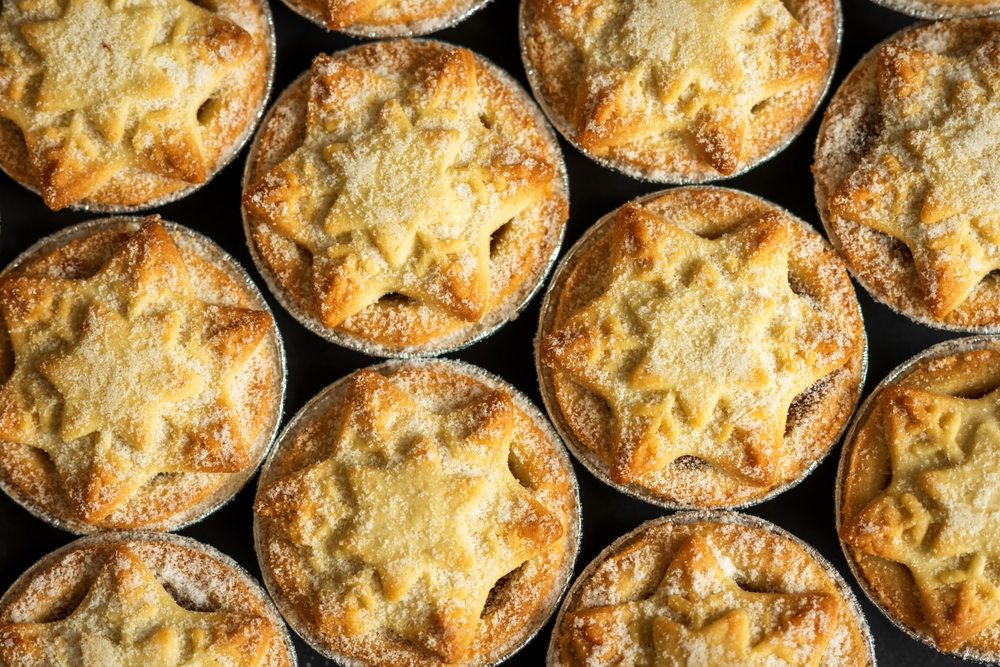
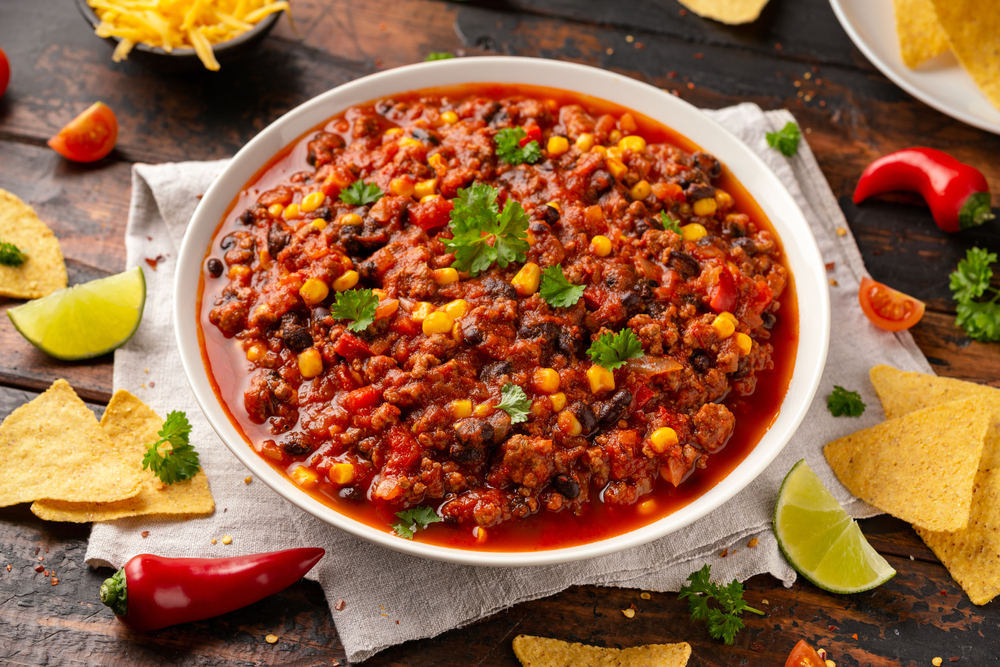
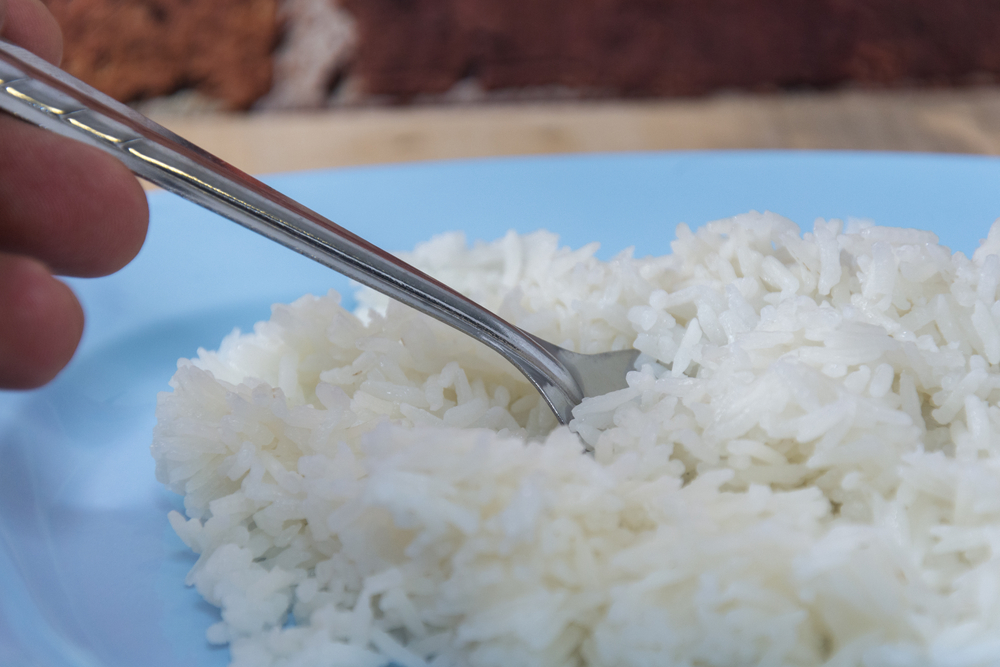
Here you will find new peer-to-peer recipe videos with accompanying recipes that have been adapted for pupils with additional needs and also recipes that use Widgit© Symbols.
Recipes
Recipes using Widgit Symbols
Developing skills for independent living
Here you will find support for teaching and learning around developing skills for independent living and in particular, planning what to cook, shopping, cooking and eating.
These resources support key considerations for teaching pupils with additional needs, based on the Characteristics of good practice in teaching food and nutrition education to pupils with additional needs document produced by the British Nutrition Foundation.
When supporting pupils, it is essential that they acquire, develop and secure skills and knowledge, and have a range of experiences around food and drink, cooking, and looking after themselves, to support their health, wellbeing and independent living.

It is important, when setting activities for pupils with additional needs around independent living, to ensure that:
- Staff plan food, drink and cooking activities to promote skills for independent living that are pupil-centred and focus on being able to feed themselves well and keep healthy.
- Staff ensure provision has been made for pupils with physical disabilities, food allergies, intolerances and/or other dietary requirements, including sensory issues, so they can participate safely in food activities.
- Staff plan activities that use food as a context to develop pupils’ literacy and numeracy skills in relation to independent living, such as planning meals, compiling shopping lists, reading food labels and making a budget.
- Staff plan activities that promote recognition and familiarisation from home to school and the wider world, including meaningful employment.
- Staff set up hygienic and safe independent living spaces for practical food preparation.
- Staff act as role models and ensure that food hygiene and safety standards are maintained.
- Staff use positive reinforcement and motivate pupils to become familiar and more competent with new skills, leading to an increase in pupils’ confidence, interest and motivation.
The resources were developed through collaboration with experts in additional needs education across the UK and meet the Guidelines for producers and users of school education resources about food.
The British Nutrition Foundation gratefully acknowledges the support of the Sodexo Stop Hunger Foundation in the development of these resources around skills for independent living.