Food production and processing

Food production and processing

Food production and processing

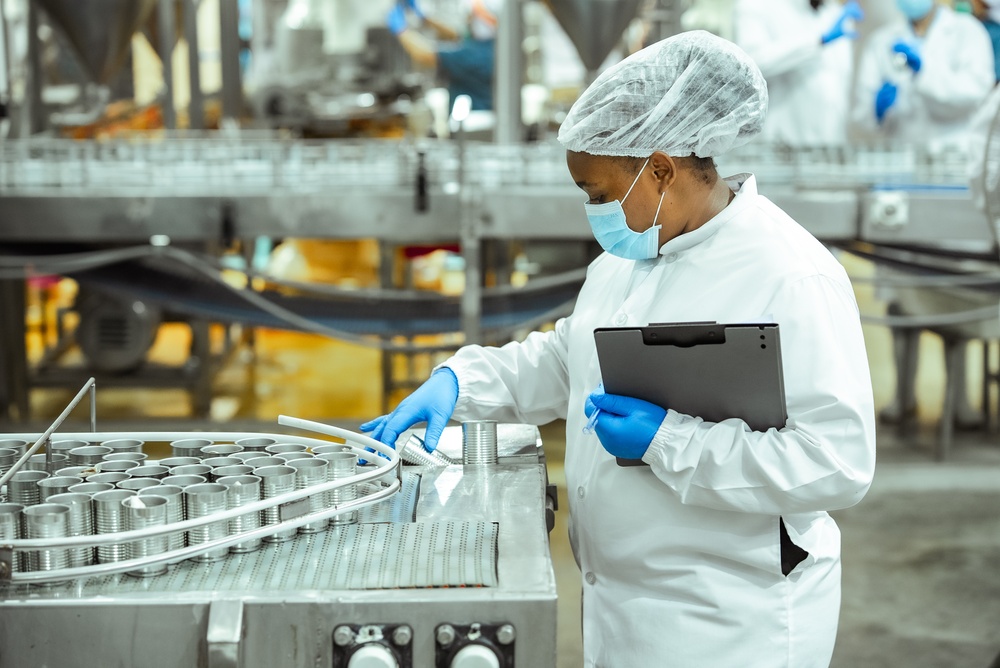
Food production and processing ensures that food is edible and safe.


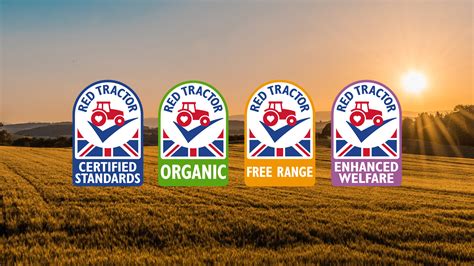
The safe production and processing of food is vitally important for health. A series of assurance standards are used to ensure the safe production and quality of different foods, such as Red Tractor, LEAF marque, Lion mark, and RSPCA Assured.


Pupils should be able to describe how a range of food commodities are produced and processed safely, highlighting different food assurance standards.

For other Where food comes from topics, click below:

Food processing for 5-7 years

Use the activities below to run sessions for pupils aged 5-7 years in your classroom! You can find more activity ideas and related resources below.

Show children the Can I eat it? presentation.


Use the presentation to help children understand that we cannot eat food straight from its source, e.g. farm, sea, it has to be changed in some way. Sometimes it is just changed in a small way, such as being washed or peeled. Sometimes it has to be cooked or treated.  Establish that these changes are made to make food safe to eat.


Give children the What’s changed? cards. The children can cut out, match and stick the foods in their books. They can then write a few words to describe what has changed for each food.


Answers:

  • Broccoli: pick, cut, wash cook;
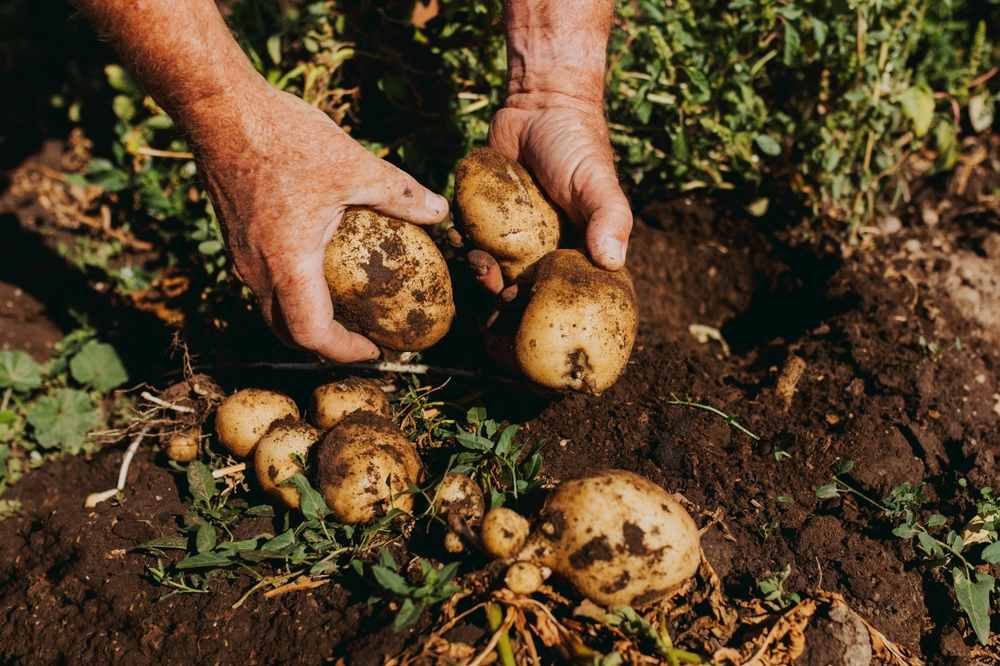
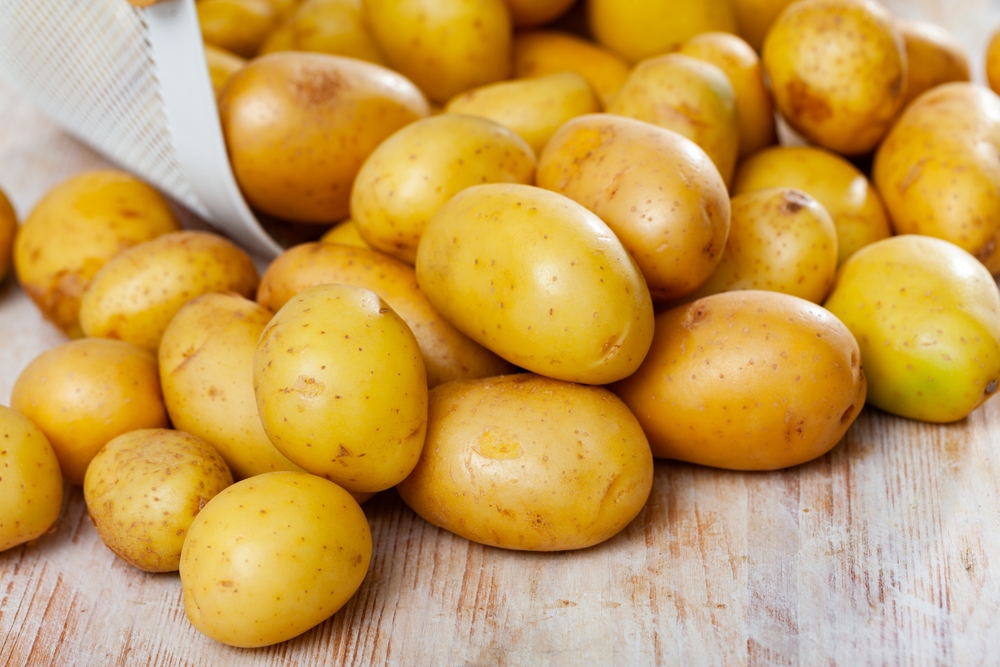
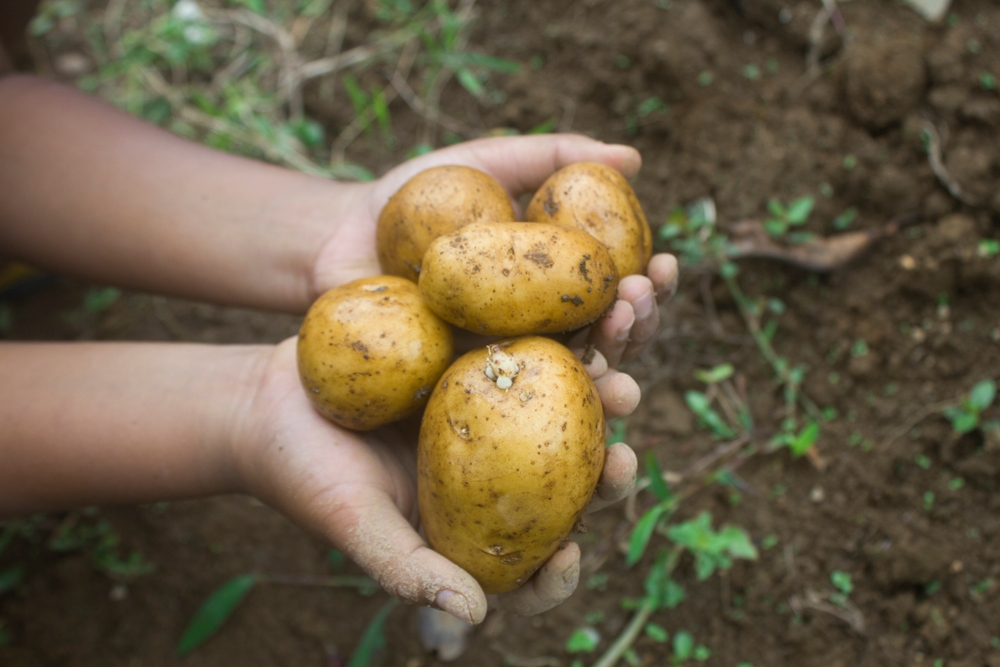
  • Potatoes: wash, cook;
  • Cucumber: pick, wash, cut;
  • Chicken: cook;
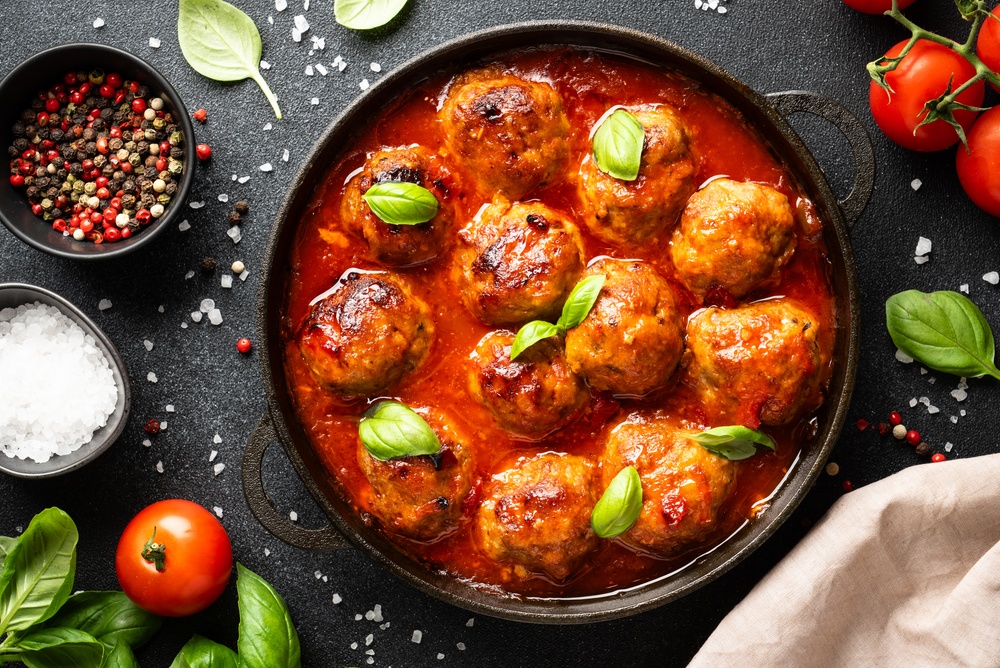
  • Beef: shape, cook;
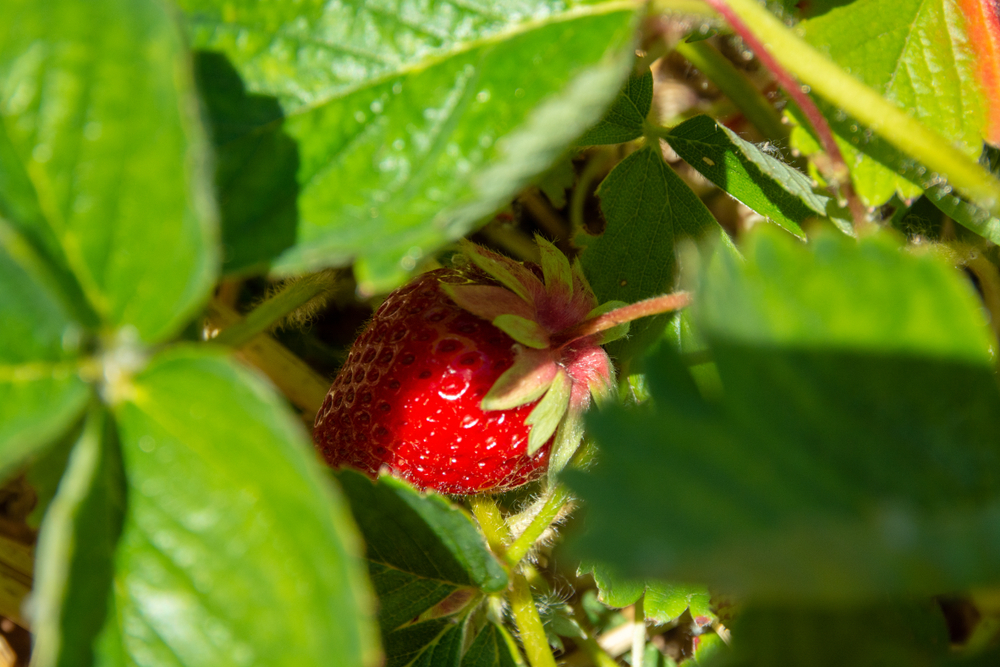
  • Strawberries: pick, wash, cut;
  • Cod: cut, coat (with breadcrumbs), cook.

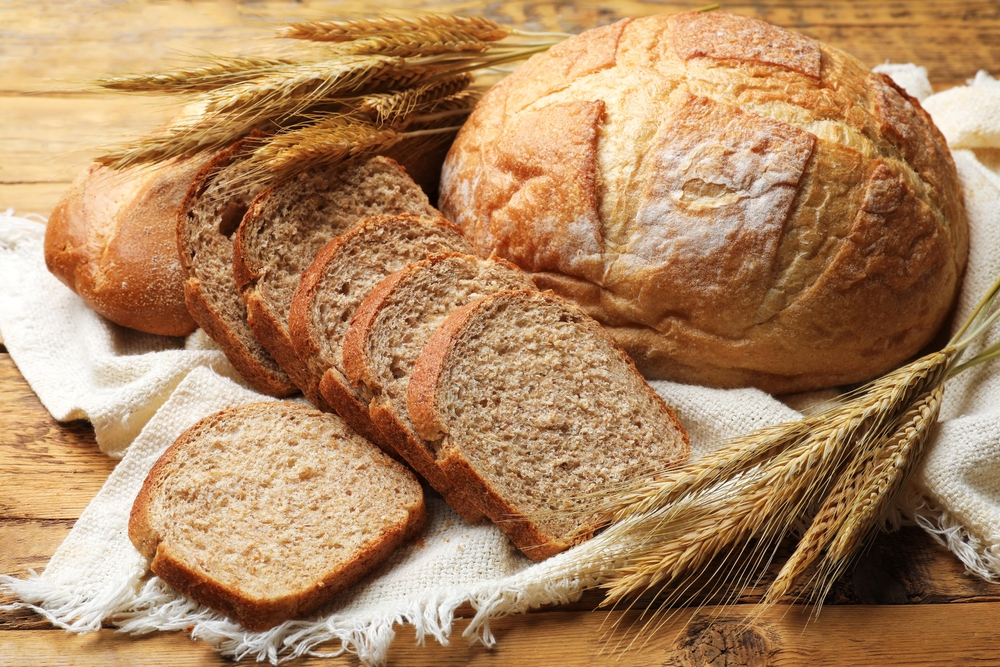
Show the From wheat to bread, Cheese making and Milking videos and, in simple terms, talk about the different stages the food goes through before it can be eaten.


Show children the 'Journey' cards in the Farm to fork area below. Explain that they need to sequence the cards to show the different steps, from farm to fork, for different types of foods. Demonstrate the activity to the children.


Cards for the following foods include:

  • cereals
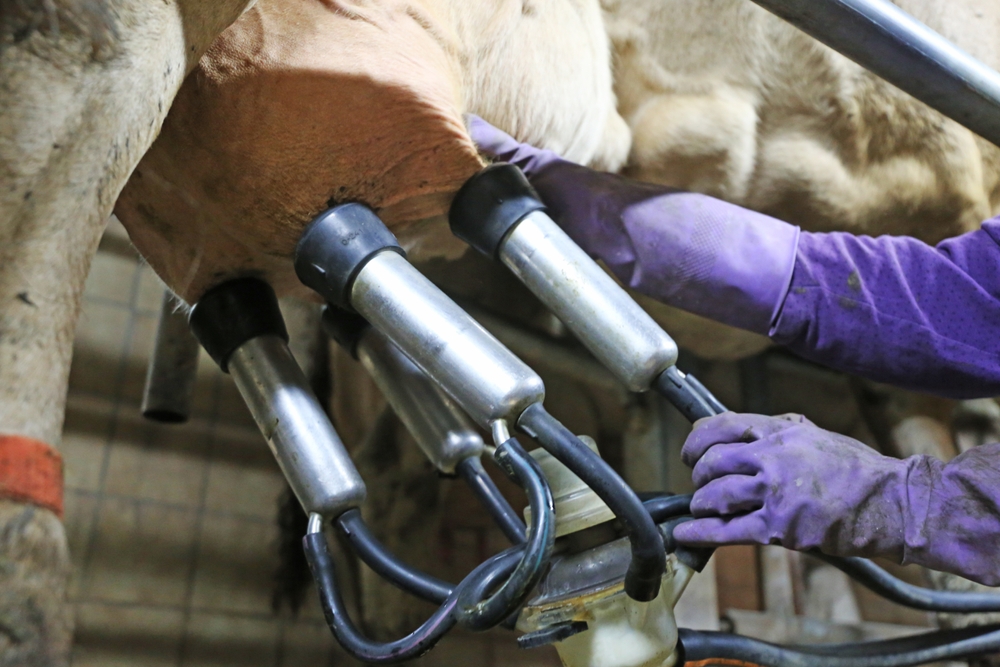
  • milk
  • potatoes
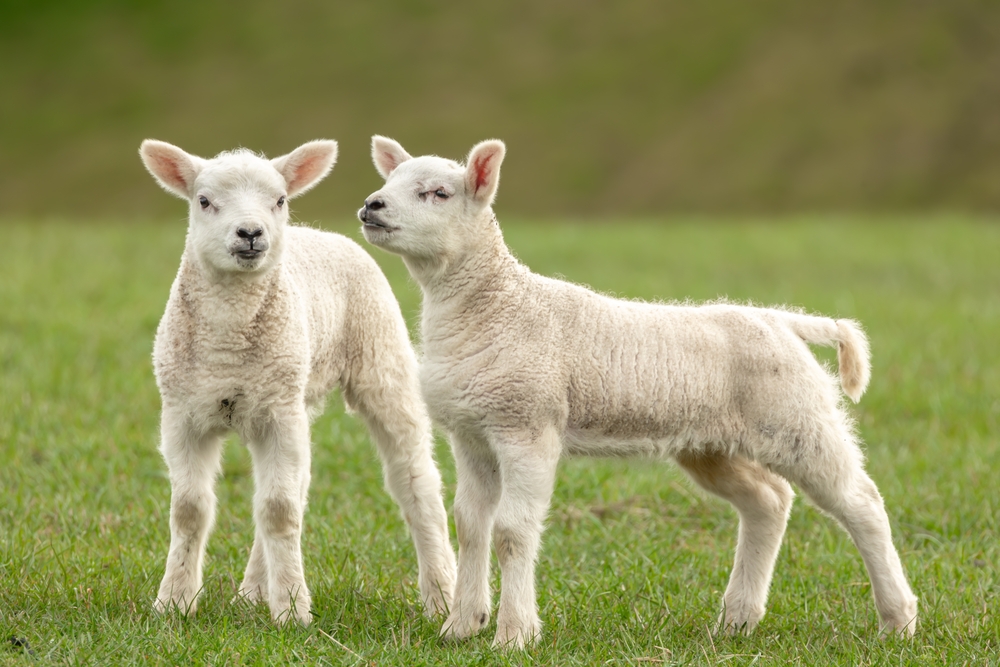
  • lamb
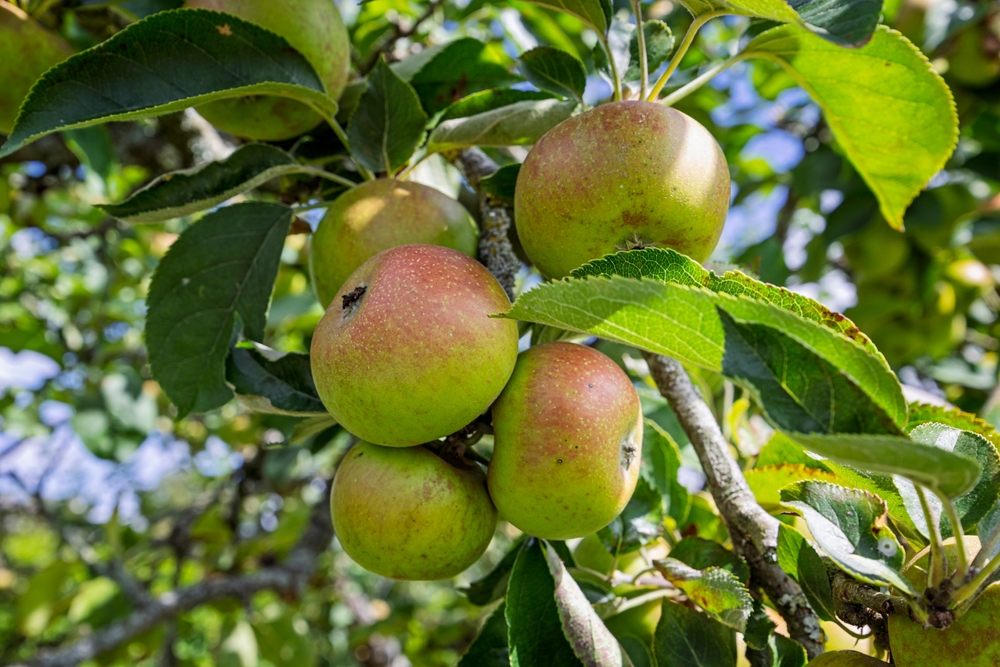
  • apples
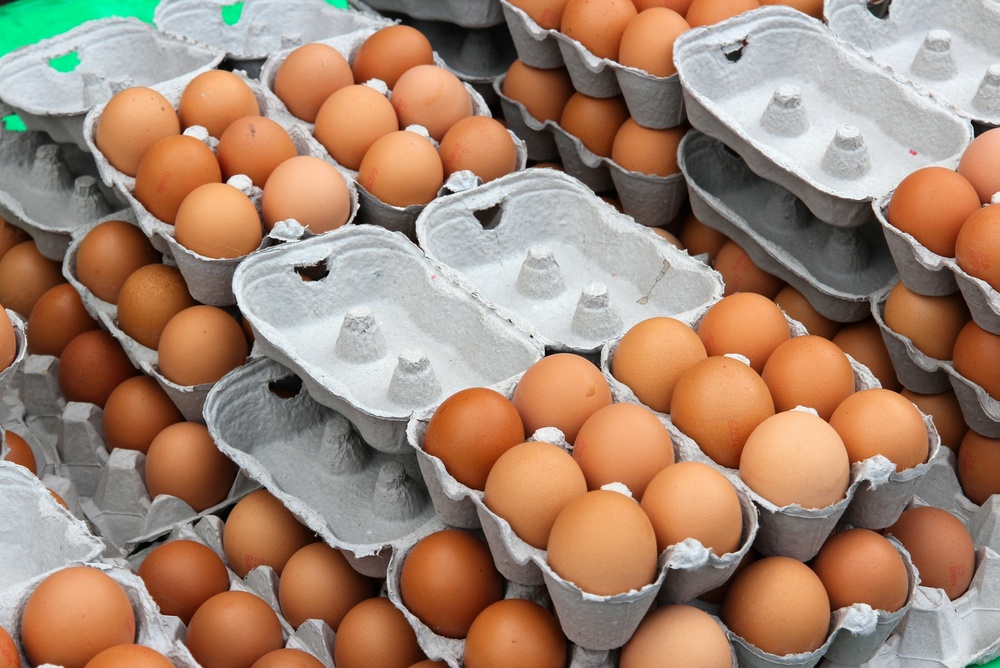
  • eggs

Allow the children to work through this activity individually.


Recap with the children.

  • Can we always eat food straight from a farm? 
  • Why not?

Before we eat food it has to be changed.  Sometimes this might simply mean washing it, but it can also include cutting, milling, cooking and heat treating.


What happens to some of our foods before we eat them?

  • Carrots in the ground;
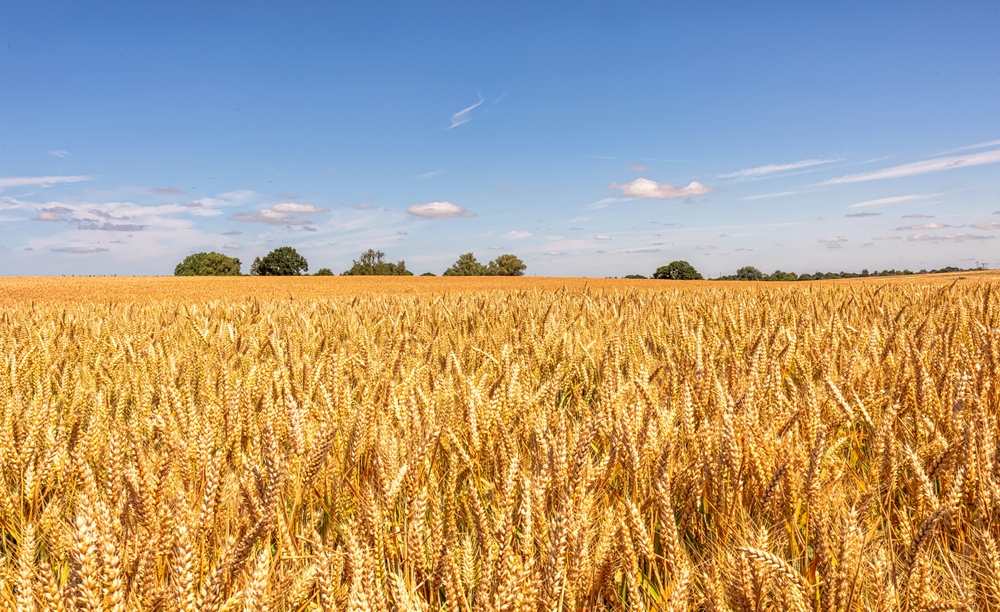
  • Wheat in the field;
  • Milk from a cow.

Further activities

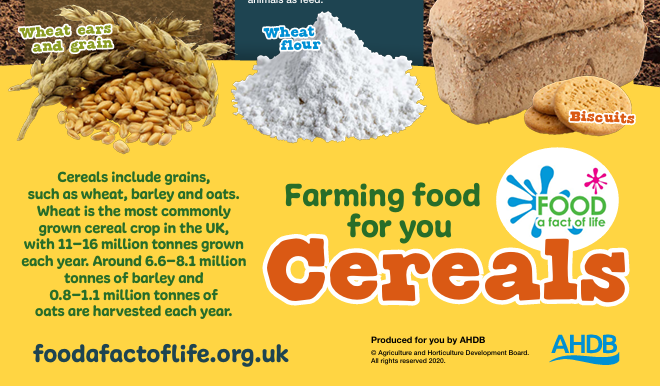
Organise a cooking session with the children to reinforce the changes food goes through before it is eaten.  For example, you could make some Soda bread to show how flour can be used after it has been produced from wheat.  Use the Soda bread video and Soda bread recipe to show children how it is done. 
You could also show other videos and their accompanying recipes as examples of dishes using foods the children have been learning about:


Why not organise a farm visit?

Visiting a farm is a great way for children to see first-hand where their food comes from. For more information and to find farms to visit, go to Countryside Classroom.

Farming and processing resources for 5-7 years

Food procssing for 7-11 years

Use these three activities to run a session on eating well in your classroom. 

Show the children the Processing food from land and sea presentation. (This shows a variety of food and asks children to suggest the food origins.)


 Question the children:

  • Where does each of these food start (its origin)?
  • What happens to it before they reach us?
  • What processes has it been through?

Show children the Milk, From wheat to bread, Fishing and Poultry farming (the hatchery, the breeding farm, the broiler farm, the rearing farm) videos to increase their understanding of what happened to these foods before they reach us.  Question the children to ensure they understand the stages. For example:

  • Where was the milk to start with?
  • What happened next?

To demonstrate how we process food at home to make it edible and safe, show children a range of food and ask them to discuss what needs to be done to each.


You could use the Processing food to make it edible and safe presentation or place the following foods in a shopping bag:

  • a small bag of flour;
  • a carrot;
  • a potato;
  • raw beef mince (an empty, clean package);
  • a small box of eggs.

For each food, pose the following questions to the children:

  • Can we eat this now? Why not?
  • What do we have to do before we can eat it? (It may have to be washed, peeled, combined with other ingredients and/or cooked.)
  • Why do we have to wash ingredients? (To remove any dirt or insects and ensure they are clean.)
  • Why do we have to cook foods, such as eggs and meat? (To destroy any harmful bacteria and make them safe to eat.)
  • Which of these ingredients have you eaten?
  • Name five examples of dishes which can be made with this food.

Show children some or all of the following videos:

Question the children:

  • What ingredients were used?
  • What happened to each ingredient?
  • What processes does each ingredient have to go through before it is eaten?

Give children a copy of the What’s happening? worksheet so they can record how one of the dishes was made.


Allow the children to make one of the recipes suggested.  As the cooking takes place, question the children about the processes the ingredients are going through. For guidance and support setting up cooking lessons, find out more with these resources Food food hygiene and safety practices.

Talk to the children about food being processed on a large scale to feed lots of people. Can they name any examples of how this is done in the UK? You could prompt them to consider:

  • processing food so that it is ready to cook (such as washed raw potatoes or carrots) or eat (such as fresh fruit);
  • processing milk so it is safe to drink, or making cheese and bread;
  • processing food to make it last longer, such as frozen peas and canned sweetcorn;
  • creating meals or dishes that can be eaten or cooked at home, such as fish fingers, lasagne and salad pots;
  • cooking meals or dishes for sale in restaurants, café, bakeries and sandwich shops.


Question the children:

  • Apart from at home, where else can you get ready-to-eat food? (Restaurants, café, bakeries, sandwich shops.)
  • Where have you been to eat food?
  • How do you think it is different preparing food in a restaurant, school canteen, bakery or café than it is at home? (Much more is made; fridges, ovens, grills are much bigger; machines may be used in the preparation or packing.)


Show children the Where does it come from? video. Talk to the children about the clip:

  • What did the children eat?
  • Why were they surprised when their food first arrived? (It had not been prepared or cooked.)
  • How was the food prepared?
  • Have you ever eaten a pizza in a restaurant?  Did you see it being made?

Explain that restaurants need to have lots of ingredients prepared because they have to make a lot of food.  They need to have large ovens and special equipment to cook so much food. Explain that although lots of restaurants in the UK serve dishes which originate in different countries, many of the ingredients used can be produced in the UK.


Ask the children to draw a map of their local area or high street and draw and label all the places where they can buy ready to eat food and give some examples of the food available.  Ask the children to share their work.  Talk about the places the children have mapped:

  • Which places have you mapped?
  • Who has eaten at these places?
  • What food did you have?

Show the Cheese making video and the From wheat to bread video. Discuss with the children what they see happening in the clips and ask them what the differences are between making something at home, e.g. bread, and its being made in a factory? (Amount, size and quantity of equipment.) You might like to show the Processing fish video which shows how a whole fish is processed to become a breaded fillet.


Recap with the children.


Ask the children to give some examples of foods we buy and talk about the processes they go through before they reach us, e.g. milk – the cow is milked, the milk is taken away to be treated, the milk is bottled or put into cartons.


Ask the children to think about what they have cooked in school or something they or a parent/carer makes at home.  Ask them to talk through the processes involved for each ingredient and the overall dish.


Ask children to name places where they can get ready-to-eat food, e.g. restaurants, bakeries.  Talk about the differences between preparing and cooking at home compared with how it is produced on a large scale, e.g. in restaurants.

Further activities

  • Create a production line to make some food for an event at school, e.g. class party.
  • Arrange a visit to a local restaurant or factory to learn more about large scale production.

Farming and processing resources for 7-11 years

Food processing for 11-14 years

The lessons and resources below will cover:

  • The safe production and processing of key food commodities
  • Food certification and assurance schemes

For more information about the production and processing of key food commodities, go to the Food commodities area.

The safe production and processing of key food commodities

All food needs to be processed before they can be eaten, even if they are picked and washed. For a simple introduction and a stimulus for further discussion, use the Can I eat it? presentation. Ask the pupils to explain how the food given as examples are processed to make them safe to eat and edible.


Ask the pupils to describe the consequences of food not produced or processed safely.


For more detailed information about the different ways food commodities are produced and processed so that they are safe to eat, show the Safe production and processing of food presentation.

Production and processing resources for 11-14 years

Food certification and assurance schemes

The decisions consumers make when choosing food are varied and can include personal preference, availability and cost. Some consumers also want to know the provenance of food and be reassured that it has been produced to high standards of hygiene and animal welfare. Quality assurance schemes are used across food production to assess and highlight these standards. Use the Food assurance schemes presentation to explain the various schemes and then task the pupils to complete the Food assurance worksheet.


Good animal welfare is an important part of quality assurance standards. To highlight this, ask the pupils to complete the Animal welfare worksheet.


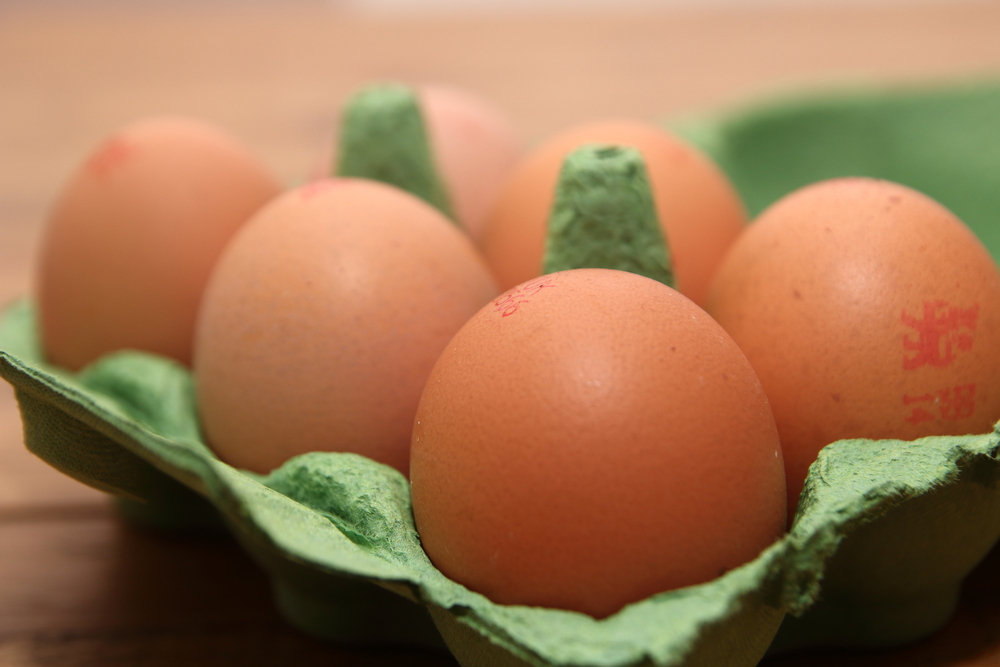
The British Lion mark is an established quality assurance scheme that relates to egg production. The Egg labelling worksheet encourages pupils to find out more about the safety of eggs and also provides information about eggs themselves.


The Red Tractor logo guarantees that food has been produced to a high standard and that animals have been cared for well. To find out more about Red Tractor, ask the pupils to complete the What is missing? – Red Tractor activity.


Other quality assurance standards include the Soil Association, RSPCA Assured, LEAF Marque and the Marine Stewardship Council. Ask the pupils to research these standards and to prepare a short presentation about each.


To encourage the pupils to investigate quality assurance schemes further and the products available in their local supermarket, challenge them to complete the Quality assurance scheme recipe challenge.

Food certification and assurance schemes - resources for 11-14 years

Food processing for 14-16 years

These activities have been developed to support teachers delivering Food Preparation and Nutrition and other food-related qualifications to pupils aged 14 -16 years across the UK. 


The activities can be used as lesson starters, independent learning tasks, homework, revision activities, practical investigations, extension activities or preparation for assessment and examination work. They are intended to complement teachers' existing schemes of work and can be adapted to suit different qualifications, teaching approaches, available time and pupil needs.

Food manufacturing

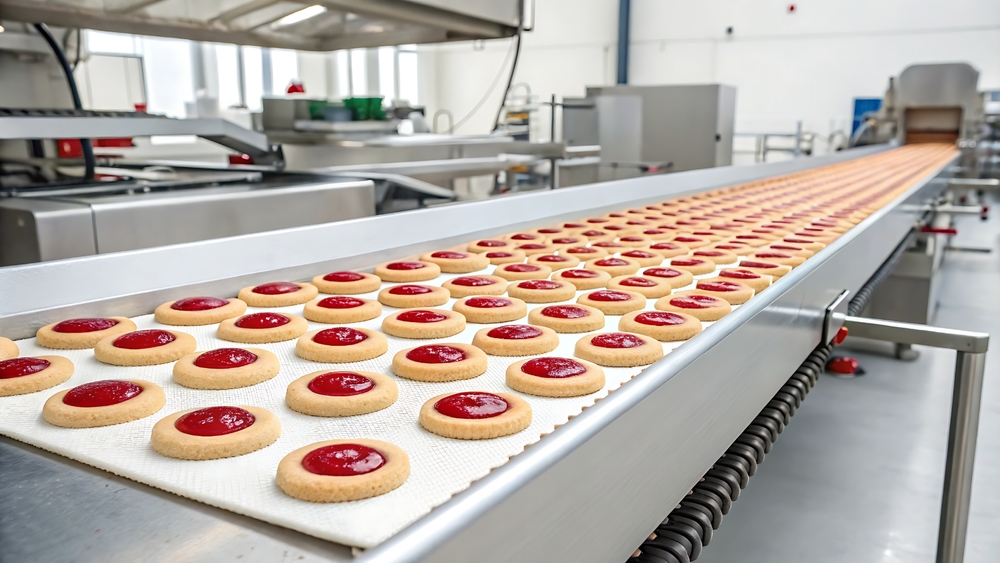
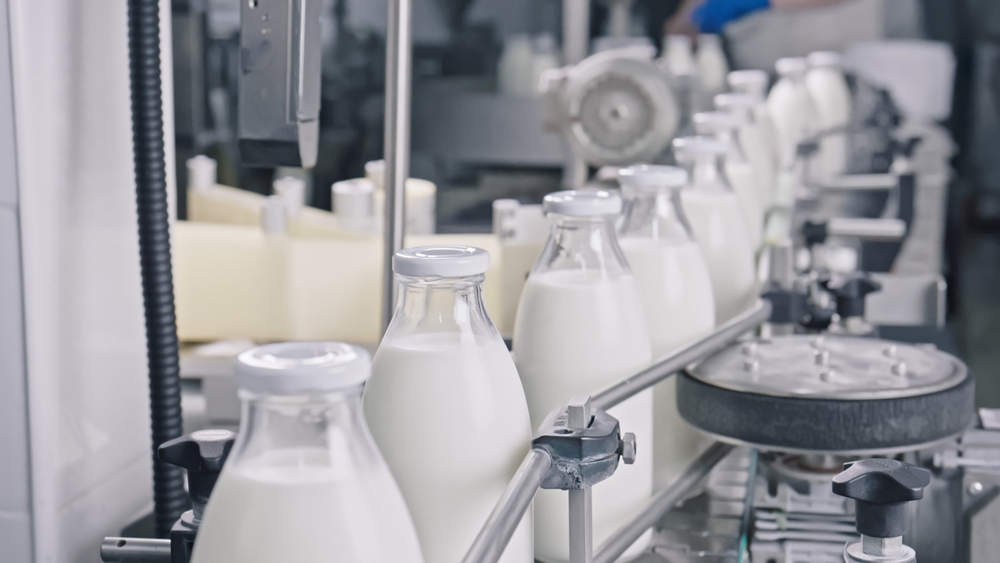
Food manufacturing encompasses a diverse range of processes essential for bringing food products from farm to table. This involves the incorporation of food additives to enhance taste, texture, and shelf life while adhering to strict safety standards.


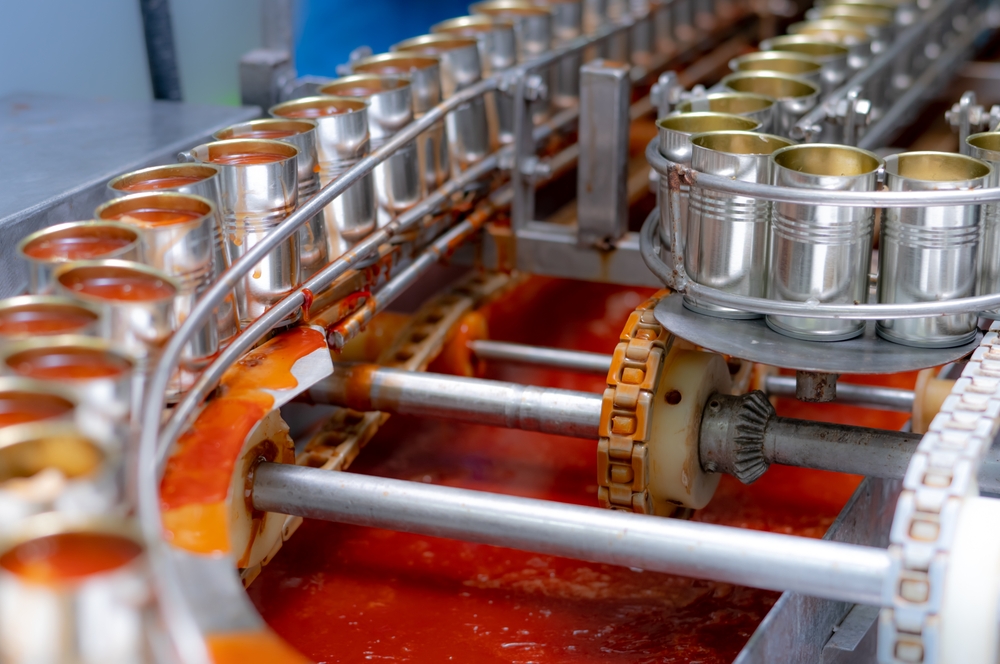
Techniques such as freezing and dehydration are employed to preserve food, locking in nutrients and flavours for extended periods. Additionally, pasteurisation, sterilisation, and irradiation play critical roles in ensuring food safety by eliminating harmful pathogens and extending product longevity. Filling, forming, and enrobing processes are utilised to shape and coat various food items, while extrusion and canning techniques facilitate the packaging of foods in convenient and durable formats.


Together, these methods enable efficient food production, distribution, and consumption, ensuring a steady supply of safe, nutritious, and flavoursome products to consumers nationwide.

The resources and pupil activities below can be used to support teaching and learning about food processing, food preservation, food safety, food innovation and product development.


Choose a food product and investigate the processes used to transform raw ingredients into the finished product, mapping its journey through manufacture. 


Explore different food-processing methods such as freezing, dehydration, pasteurisation, sterilisation, extrusion and canning, and identify why each method is used.


Compare different methods of preserving food and explain how each method helps maintain food safety, quality, shelf life or convenience.


Investigate different food additives and their functions, then identify examples of foods where particular additives might be useful.


Explore how food manufacturers keep products safe, using HACCP to identify potential hazards and critical control points in the production of a food product.


Choose a food product and create a flow diagram showing the stages involved in its manufacture, including processing, safety checks, packaging and distribution. 


Investigate how changes in food technology have influenced the foods we eat, comparing food production in the past with modern manufacturing methods.


Explore how biotechnology, nanotechnology, genetic modification or gene editing could help address challenges such as food security, sustainability, crop resilience or nutritional quality.


Follow the stages of product development to create a concept for a new food product, considering the target consumer, ingredients, production methods, cost, packaging and sensory appeal.


Investigate the consumer market and identify changing consumer needs, lifestyles and preferences. Use your findings to decide what characteristics a successful new food product should have.


Investigate functional foods and design a product that provides a particular benefit beyond basic nutrition, explaining the ingredients, target consumer and proposed product concept.


Investigate how packaging protects food, maintains quality and safety and can help reduce food waste. Design packaging for a new food product that balances protection, convenience, consumer appeal and environmental considerations.
Food manufacturing resources for 14-16 years

Genetic modification and biotechnology

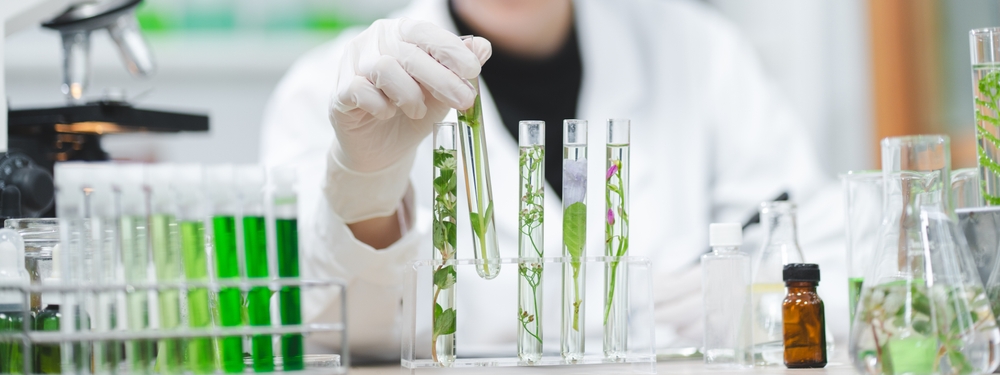
Genetic modification and biotechnology are integral components of the food industry, driving innovation and sustainability. These methods enable the development of crops with enhanced traits, such as increased yield, resistance to pests and diseases, and improved nutritional content.


By harnessing the power of science and technology, the food industry can address global challenges like food security and climate change while providing consumers with safer, more nutritious, and environmentally friendly food options.
Genetic modification and biotechnology resources for 14-16 years

Product development

Product development is a complex process influenced initially by historical changes in food technology and more recently by the ongoing social and technological advancements.
 

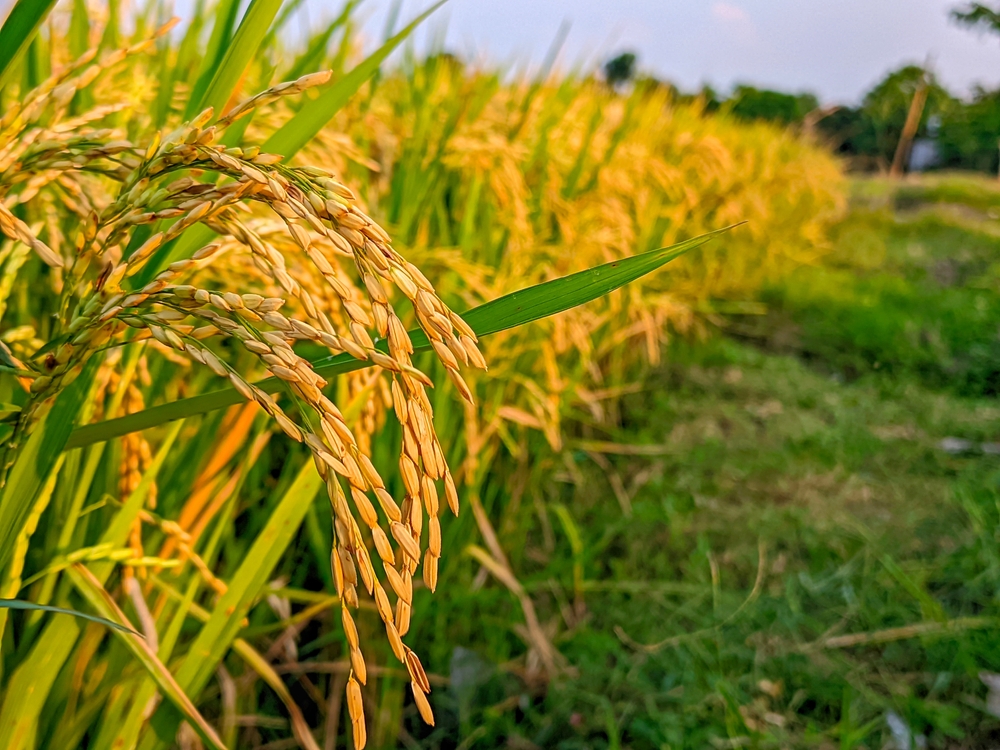
Over time, the development of food technology has evolved, leading to the creation of innovative products that cater to changing consumer preferences and lifestyles.
 

The stages of product development, from concept to launch, involve rigorous research, testing, and refinement to ensure products meet quality, safety, and regulatory standards. New product design and development strive to address emerging trends and consumer demands, including the growing interest in functional foods that offer health benefits beyond basic nutrition.


Understanding the dynamics of the consumer market is paramount, guiding the creation of products that resonate with target audiences and differentiate from competitors in an increasingly competitive landscape.

Product development resources for 14-16 years

Food packaging

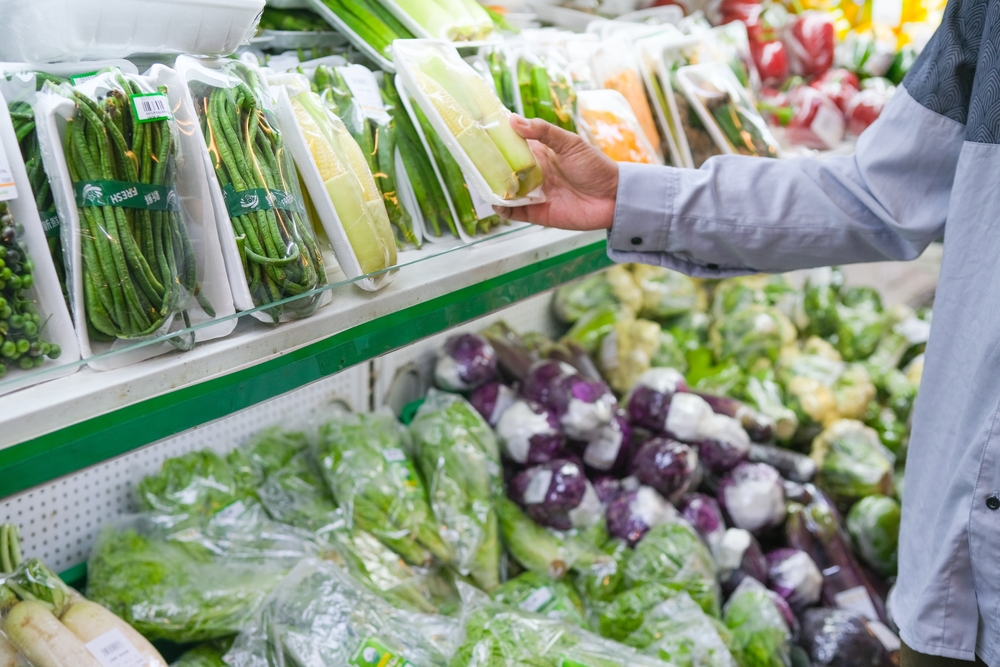
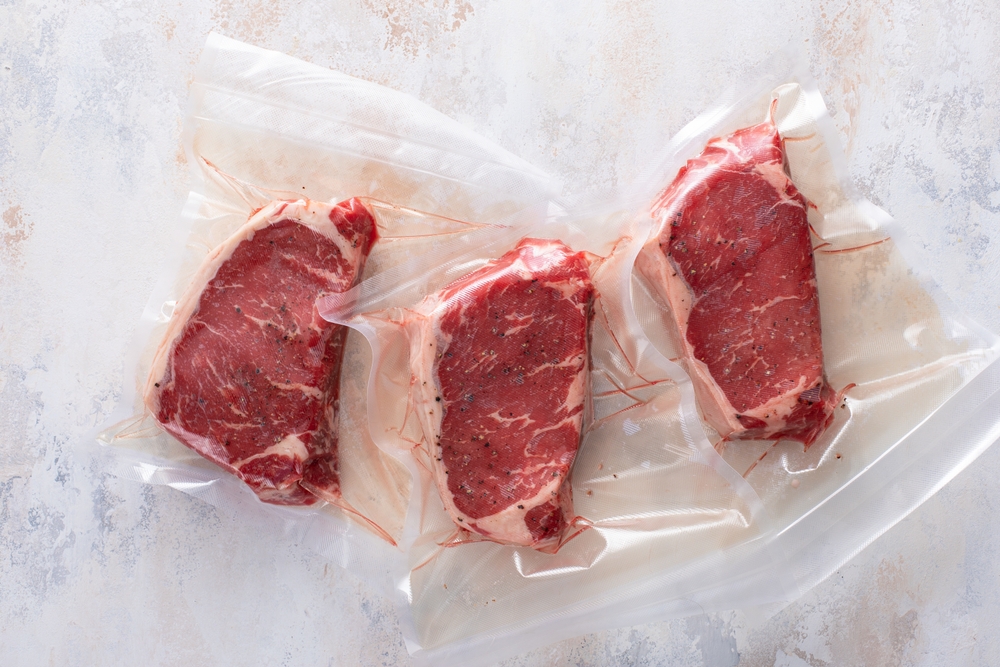
Food packaging, including modified atmosphere packaging (MAP), plays a crucial role in the food industry by preserving freshness and extending shelf life.


MAP involves adjusting the composition of gases within a package to slow down the deterioration of food, maintaining its quality and safety for longer periods. This technique is particularly beneficial for perishable items like fresh produce and meats, reducing food waste and enhancing food safety.


By employing advanced packaging technologies like MAP, the food industry can meet consumer expectations for convenience and quality while minimising environmental impact through reduced spoilage and resource usage.

Food packaging resources for 14-16 years

Food assurance

The resources and pupil activities below can be used to support teaching and learning about food assurance, quality assurance, animal welfare and food labelling. 


Investigate what food assurance schemes are, what they aim to achieve and how they can provide information about how food has been produced. 


Explore food assurance logos and investigate what information or guarantees they can provide to consumers, farmers and food businesses. 


Choose five different food products, investigate which assurance scheme or information might be relevant for each product and explain how it could help a consumer make an informed choice. 


Explore what quality assurance means in food production and investigate the checks and standards that can help ensure food is produced consistently and safely. 


Use the QA recipe challenge to consider where the ingredients in a dish come from and what quality or assurance information could be important when selecting them. 


Choose a food ingredient and investigate the standards, checks and assurance processes that may be involved between its production on the farm and its arrival in the shop. 


Explore how animal welfare can influence food production and investigate the different factors that contribute to good animal welfare on farms.


Investigate a particular farmed animal or fish and identify the conditions, care and management practices that support its welfare. Use the findings to create a guide for consumers. 


Investigate the information provided on egg labels, including production methods and other labelling information, and explain what the information can tell a consumer. 


Use different egg labels to identify how eggs have been produced and explain how the information can help consumers understand the product they are buying. 


Examine food assurance information and identify what additional information a consumer might want to know about how a food has been produced, considering provenance, quality, animal welfare and production methods. 


Use what you have learned about assurance schemes, quality, animal welfare and labelling to create an infographic, presentation or guide explaining how food assurance can help connect farmers, food businesses and consumers.

Food assurance resources for 14-16 years

Did you find this page useful?

We'd love to hear your feedback. If you would like a response, please contact us at [email protected]