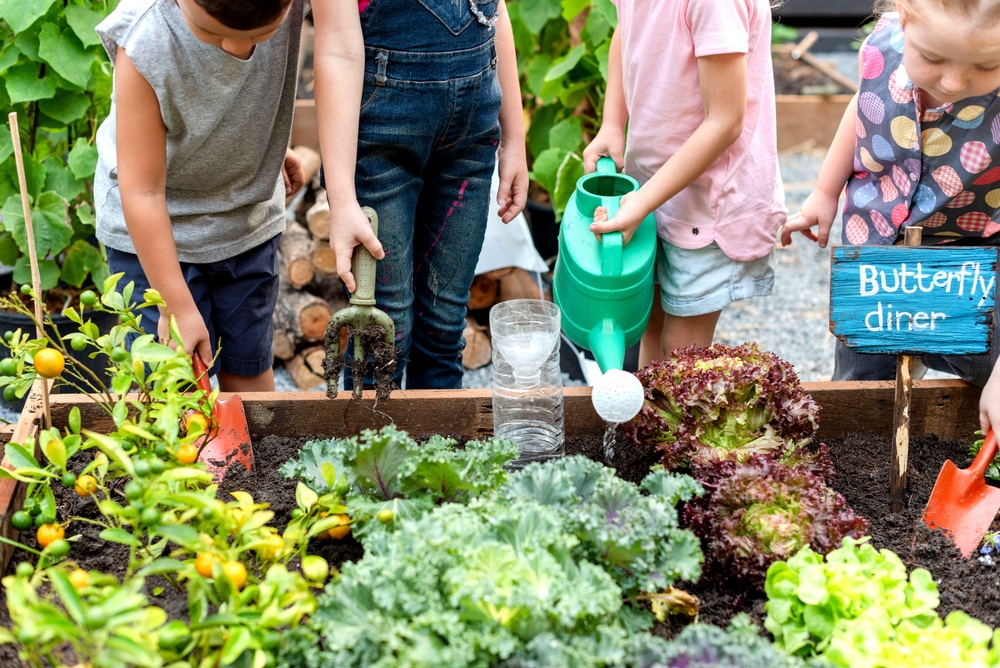
Food origins

Food origins

Food origins

Food is sourced, processed and sold in different ways.


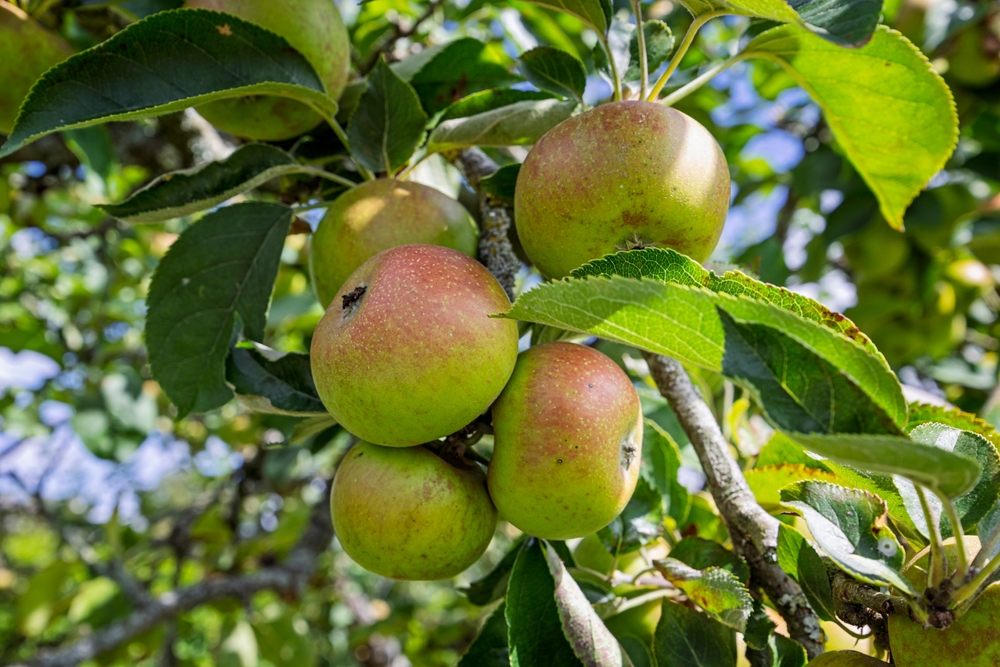
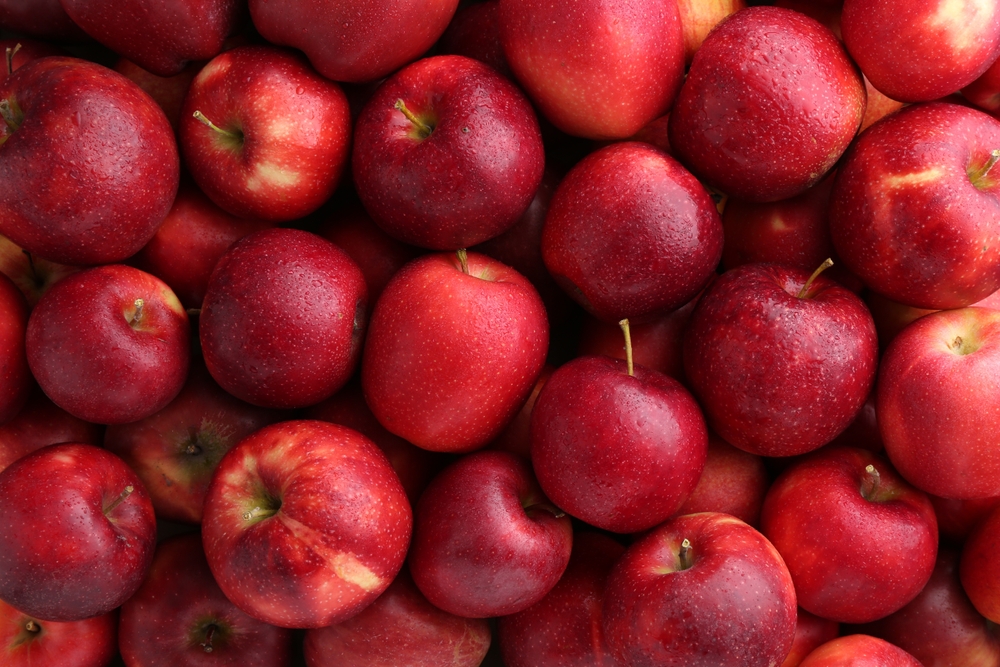
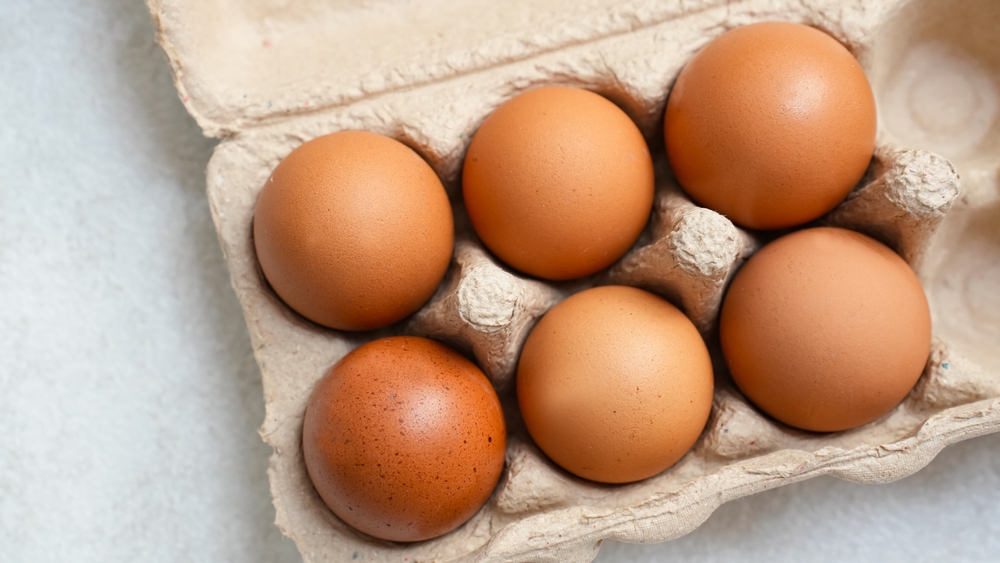
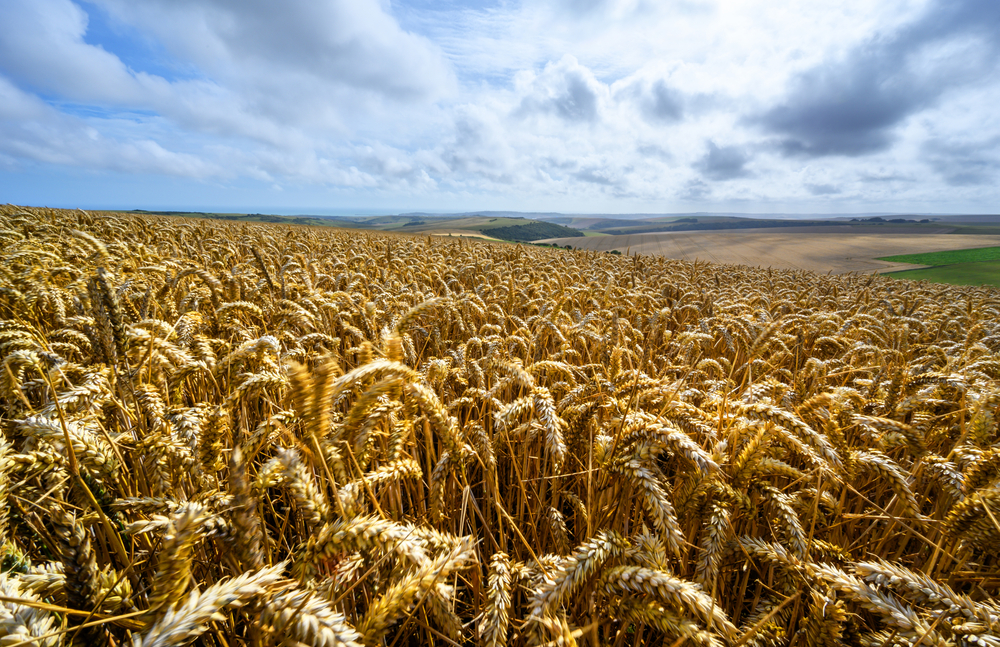
Our food has to be grown, reared or caught. The food is then processed in different ways. Finally, the food is sold to the public through a range of different methods, such as farm shops/markets, supermarkets, butchers/delicatessens, online retailers, restaurants and cafes. Some people grow food at home or at allotments.


Pupils should be able to identify the different ways in which a range of food is sourced, processed and sold.


If you are looking for resources around food origins to support pupils with additional needs, go to the Where food comes from section of the Pupils with additional needs area. 

For other Where food comes from topics, click below:

Sorting for 3-5 years

Scroll through this carousel to see how you can teach about where food comes from to pupils aged 3-5 years:

 loading=

Learning

The aim of this session is for children to:

  • recall that all food comes from a plant or animal;
  • sort a selection of food according to its plant or animal source.


Click the arrows to see more!

 loading=

You will need:

  • A selection of food and/or food packaging (enough for one per child), e.g. apples, onions, carrots, cabbage, herbs, pears, strawberries, tomatoes, potatoes, broccoli, a clean empty egg box, a clean empty milk carton, a clean empty yogurt pot, a can of tuna (unopened), a can of meat (unopened). 

Note: Make sure the packaging is safe for the children to handle. You should not allow children to handle packaging from raw meat or fish, or opened cans.  If you are not able to use food and/or food packaging, use the Where food comes from cards.

  • Where food comes from cards – cut the cards so the food image and question are separated from the food source.
 loading=

Listen and respond

Show the children a selection of food, food packaging or the food images from the Where food comes from cards. Ask the children to name each food and say where it comes from. The children might say ‘the shops,’ but encourage them to think about where it comes from before it arrives at the shops. Question the children about each food:

  • What is this?
  • Where does it come from? (Plant or animal.)
  • Have you tried this food before?
  • What else did you/could you have with this food? 

Instruct the children to collect a food, food package or food image card and then find a space.

 loading=

Based on the food they are holding, task the children to sort themselves into ‘food from plants’ and ‘food from animals’. Give them a minute to group themselves. Check if the children have sorted themselves correctly and question them to see if they can explain more about the food they have, e.g. Is it a fruit or a vegetable? Is it a meat or fish? What does it taste like? Finally, summarise that all our food comes from a plant or an animal.

 loading=

Have a go

You will need both the food image and food source parts of the Where food comes from cards. Work with the children in groups of four. Shuffle the cards and then turn them face up. Let the children take turns to match a food with its source. When children are comfortable with which food comes from which source, e.g. strawberries from a strawberry plant, you can play pairs.  You might reduce the number of cards for this activity. Turn the cards face down and allow the children, in turn, to choose two cards to try and find a pair. If they are successful, they can keep the pair, if they are not, they must return the cards. 

 loading=

Consolidate

Give a few examples of food not discussed during the session and ask the children to say if it comes from a plant or animal.


You could organise a visit to an allotment or farm to give the children first-hand experience of where some of their food comes from.

Sorting resources for 3-5 years

Growing for 3-5 years

Scroll through this carousel to see how you can teach about growing to pupils aged 3-5 years:

 loading=

Learning

The aim of this session is for children to:

  • explain that some of our food comes from plants, but we cannot eat all plants;
  • describe what a plant needs in order to grow well;
  • demonstrate how to care for, and be involved in caring for, a plant/s.


Click the arrows to see more!

 loading=

You will need:

  • A herb plant, e.g. basil, coriander, mint
  • How to grow chives sheet (Alternatively, you could buy seeds and follow the instructions on the packet, e.g. cress, lettuce, radishes, spring onions.)
  • Equipment for growing plants (See the How to grow chives sheet or the packet instructions if you are growing another plant.)
  • Plant watering sheet
 loading=

Explain and Question

Show the children a herb plant, e.g. basil, coriander or mint, and question them:

  • What is this? (A plant.)
  • Where did this plant come from? (It grew from a seed.)
  • What does a plant need so it can grow well? (Light, water.)
  • What would we have to do if we wanted to grow a plant? (Get a plant pot, compost, seeds...)
  • How could we care for it? (Give it water, keep it in a sunny place.)
 loading=

Listen and respond

Explain that some plants can be eaten and some plants cannot be eaten.  Explain that this is a herb plant and its leaves can be eaten. They need to be taken off the plant and washed, then they can be added to different meals to provide flavour. Tear off a few leaves and pass them around for the children to smell. Ask them to describe what it is like. Explain you will be growing some plants that can be eaten.  Re-emphasise that not all plants can be eaten and we must not eat plants unless an adult tells us it is OK. 

 loading=

Have a go

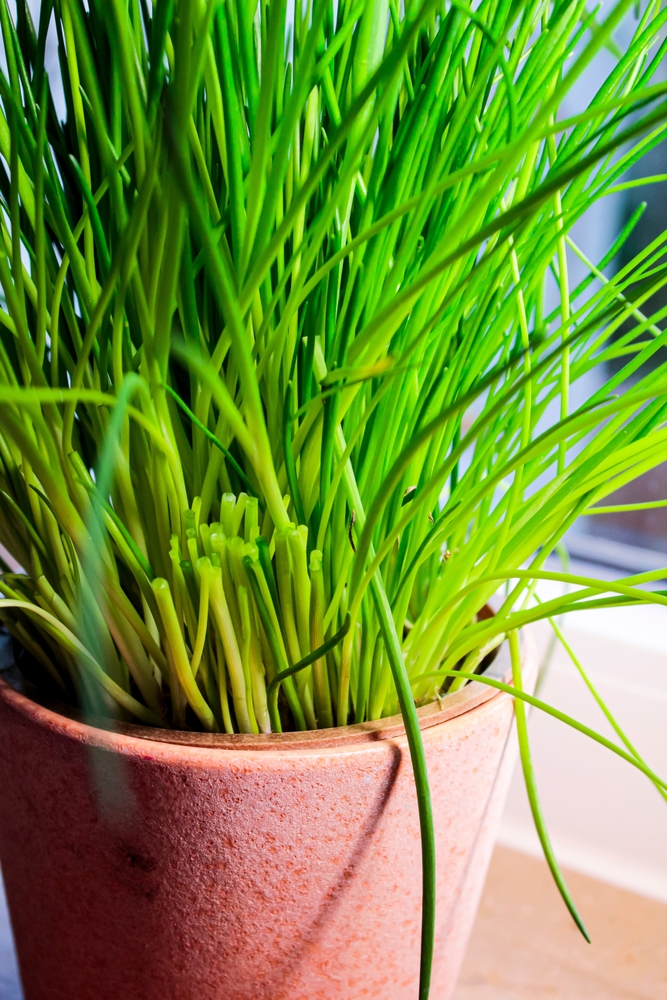
Work with the children in groups of four. Explain that you are going to grow some chives and that chives are a type of herb. Follow the instructions on the How to grow chives sheet.


Talk to the children at each stage about what you and they are doing.  Help instil a caring attitude in the children by encouraging them to plant the seeds slowly and carefully. Talk about watering and demonstrate how to do it with care.  Set up a care rota to show who will water the plants. You can use the Plant watering sheet to keep a record. 

 loading=

Consolidate

When you have grown your plant, prepare a dish which gives the children an opportunity to use the plant as an ingredient. You could add chives or cress to some of the recipes on the Food – a fact of life website, such as Terrific tuna tarts, Sensational seasonal salad, Bagel bruschetta and Royal rice. 

Growing resources for 3-5 years

Food origins resources for 5-7 years

Use the four activities below to run sessions for pupils aged 5-7 years in your classroom! You can find more activity ideas and related resources below.

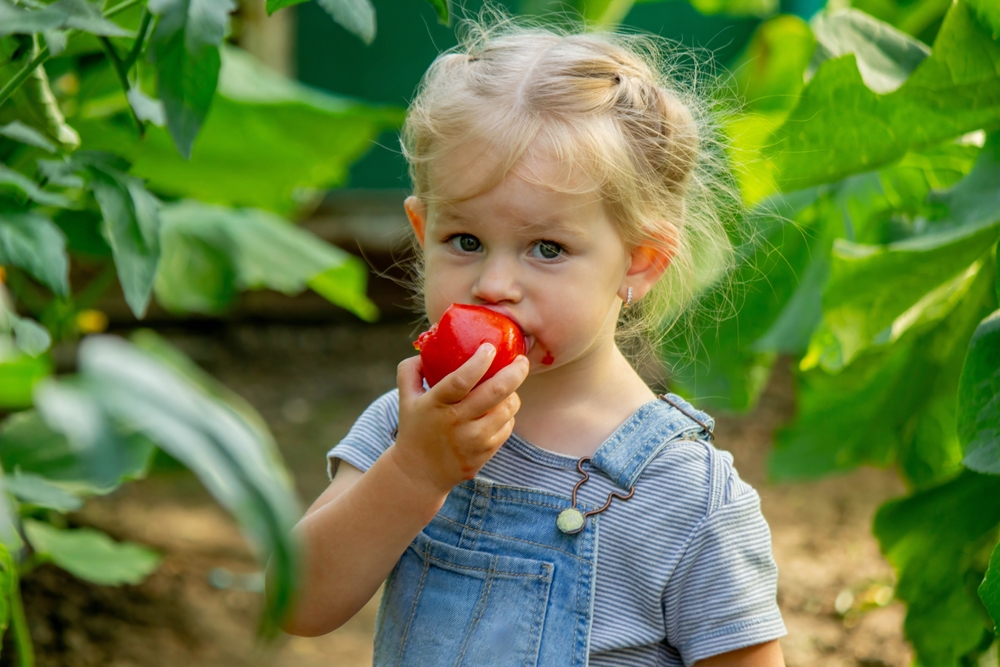
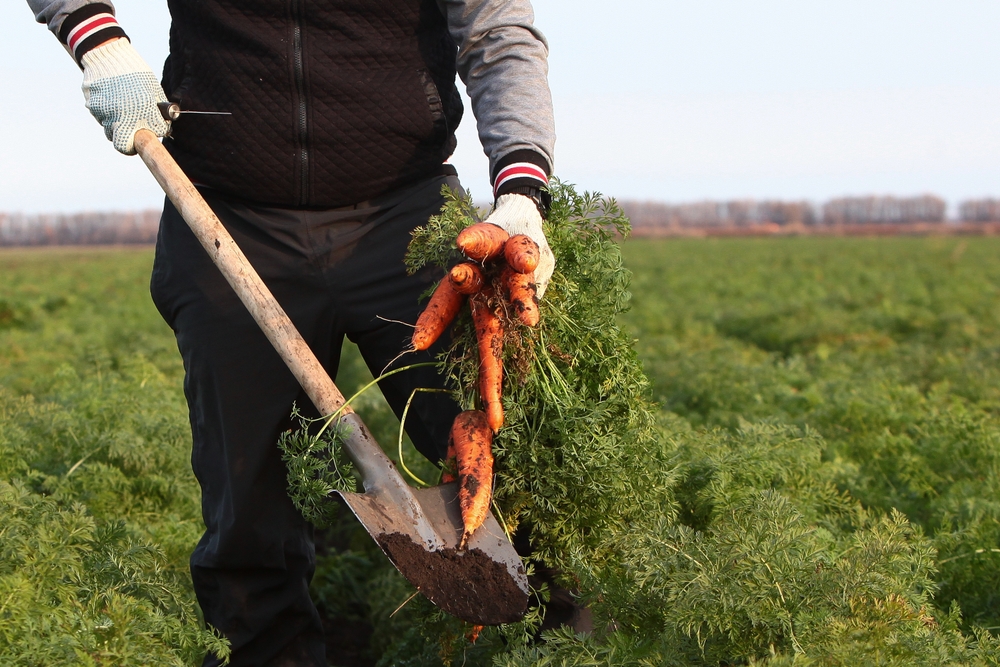
Plants are grown for food and might be grown on farms, allotments, in gardens or on windowsills.


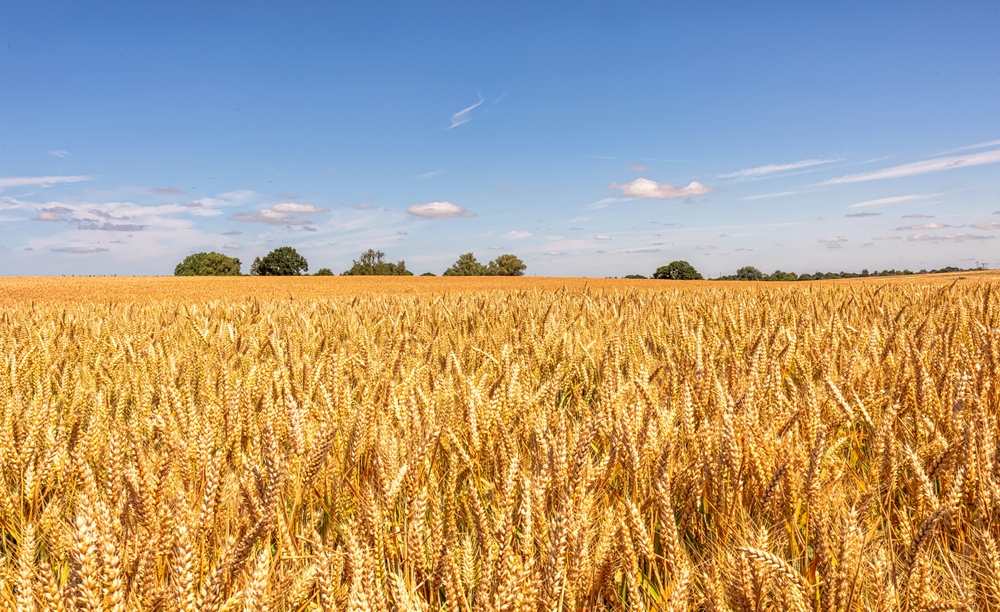
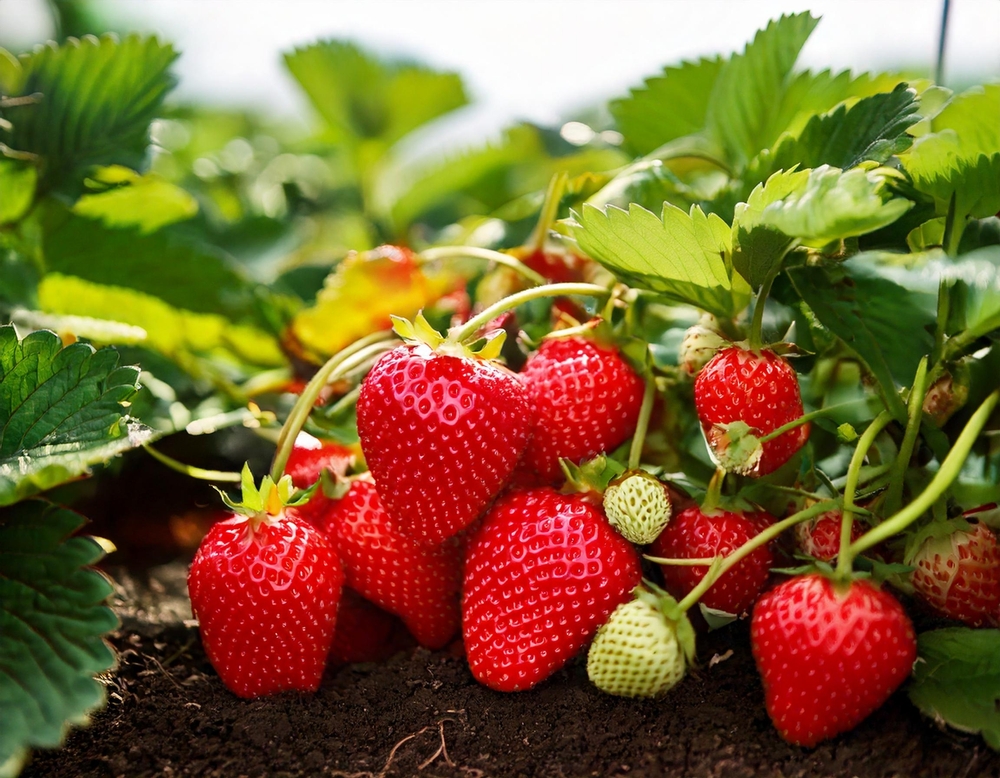
This session will look at how wheat is farmed and how strawberries are grown.  You can cover both of these in the session or do them on separate occasions.


Question the children:

  • What food can be grown on a farm?
  • How do you think they are grown?

Show children the Growing wheat presentation and the From wheat to bread video and discuss how wheat is grown and turned into different foods.


Show children Growing strawberries presentation and question them about how strawberries are grown.


Show the Fruit and vegetable harvesting video.  Question the children:

  • What fruit and vegetables can you see in the video clip?
  • How are they harvested?
  • Why are they harvested in different ways?

Talk to the children about what can be grown at home:

  • Do you grow any food at home?
  • Does anyone you know?
  • What sorts of things can be grown at home?
  • Where about are things at home grown? (Allotment, greenhouse, garden, window sill.)

Children can complete the What’s growing on the farm? worksheet or organise a planting activity. You could grow:

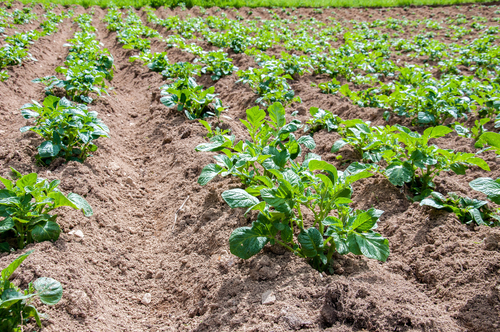
  • potatoes in a bucket;
  • strawberries, tomatoes or beans in a grow bag;
  • herbs on the classroom window ledge. 

If you already have a food garden at school, take the children out to work on the garden. Discuss with the children what plants need to survive, e.g. water and light.
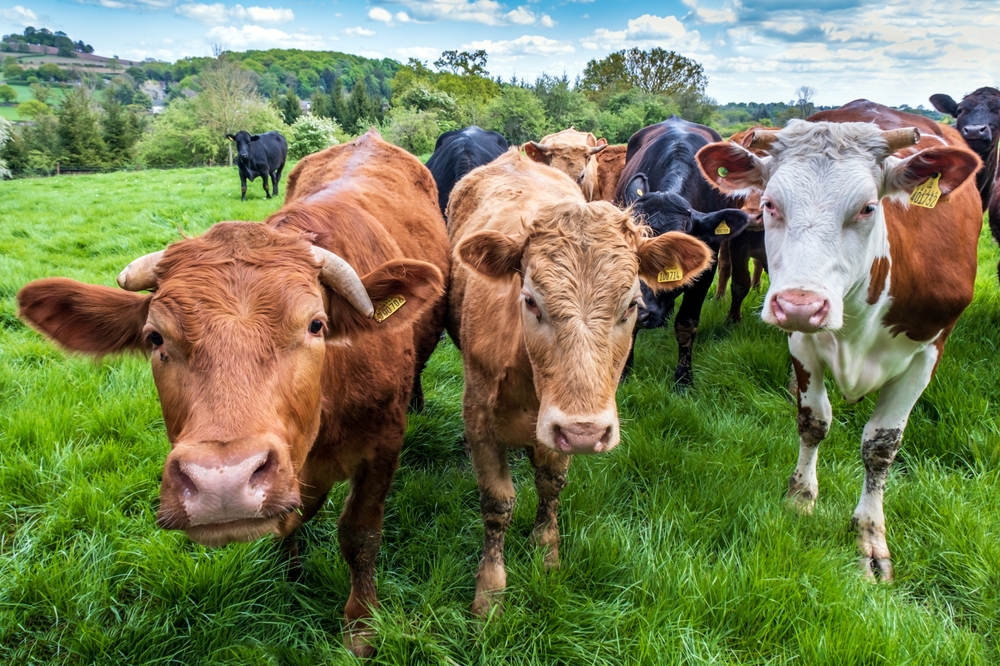
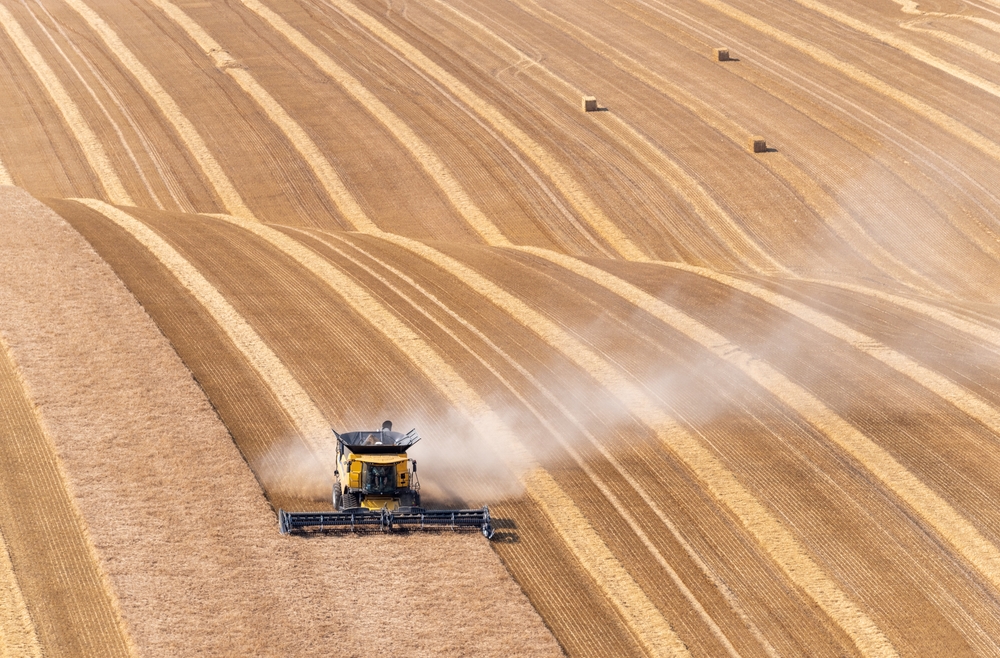
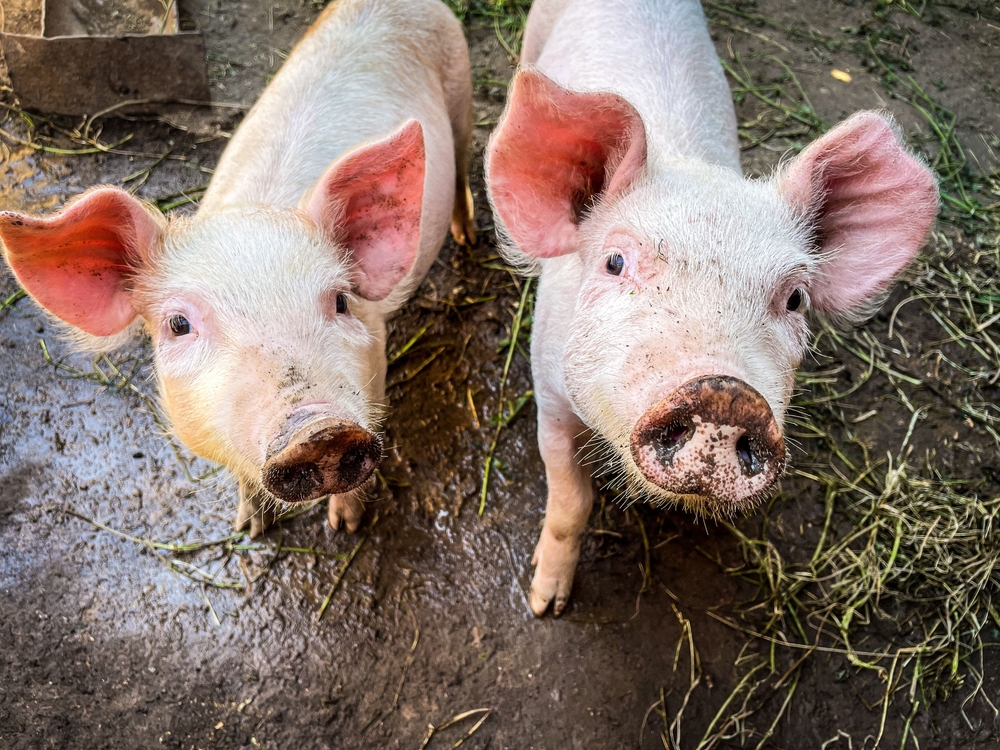
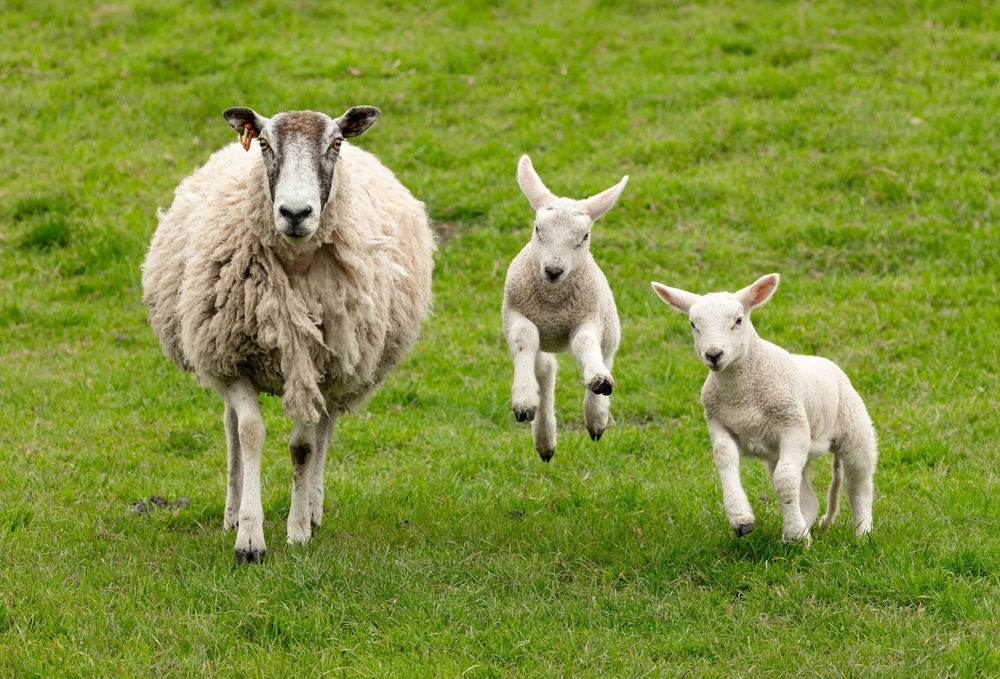
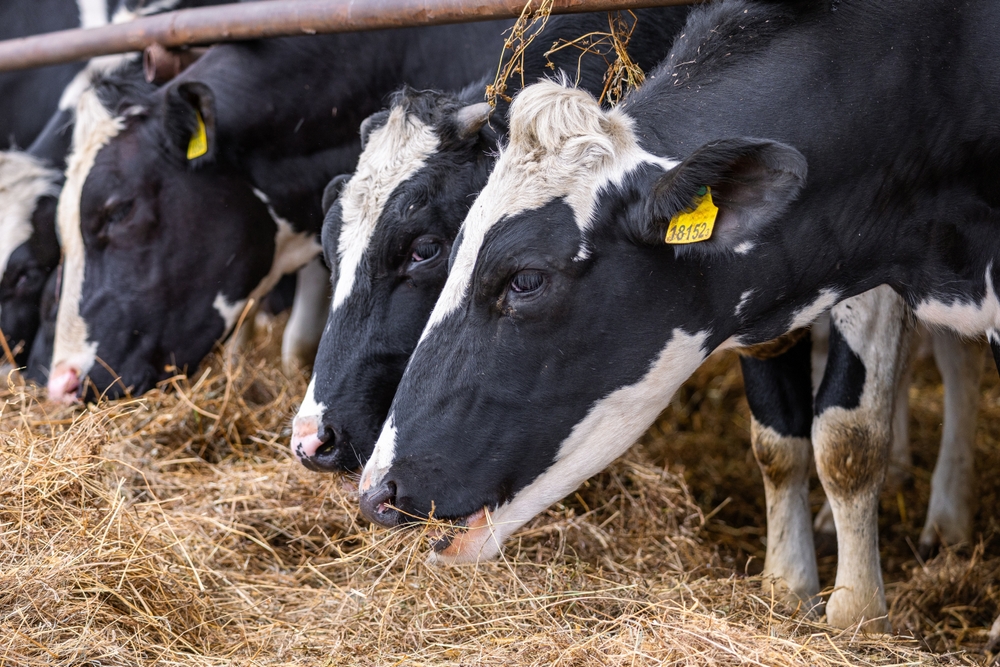
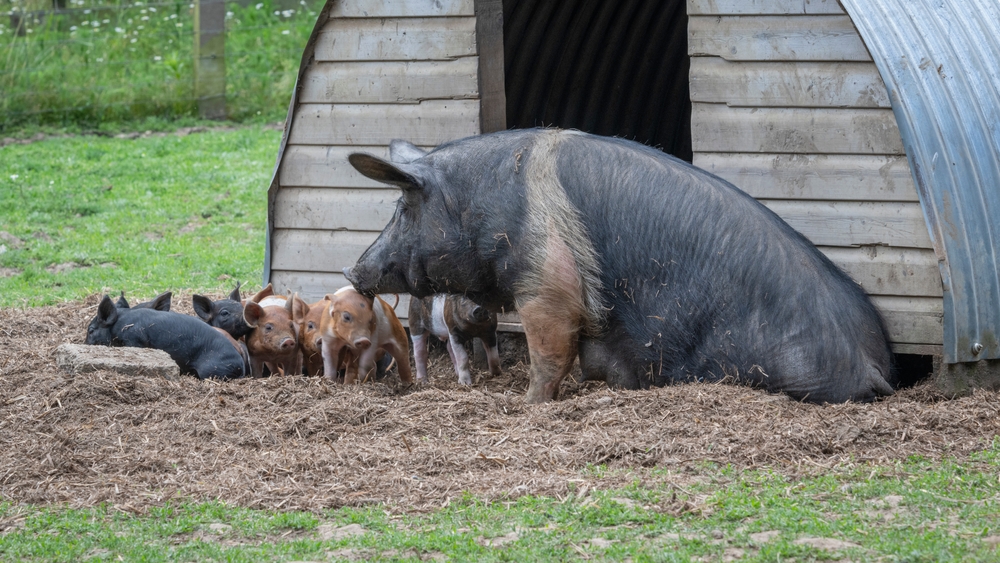
Animals are reared for food.


Question the children:

  • Have you ever visited a farm where animals live?
  • What did you see?
  • What animals live on farms?
  • What do you think an animal needs to grow and stay healthy?

Explain that all animals need food and water to stay alive and a clean place to sleep makes the animals comfortable. 


Show the Farming food presentation to help the children learn more about how farmers rear animals to supply food.


Arrange a visit to an animal farm so children can find out more about the animals there and how they are cared for. Alternatively, use The Farm Visit story to introduce dairy farming to the children. The story provides a useful introduction. Children could also use books or the internet to learn about how other animals are farmed, e.g. lambs.


Using information from the Farming food presentation, a farm visit, research from books or the internet, get children to complete the Farming food worksheet.

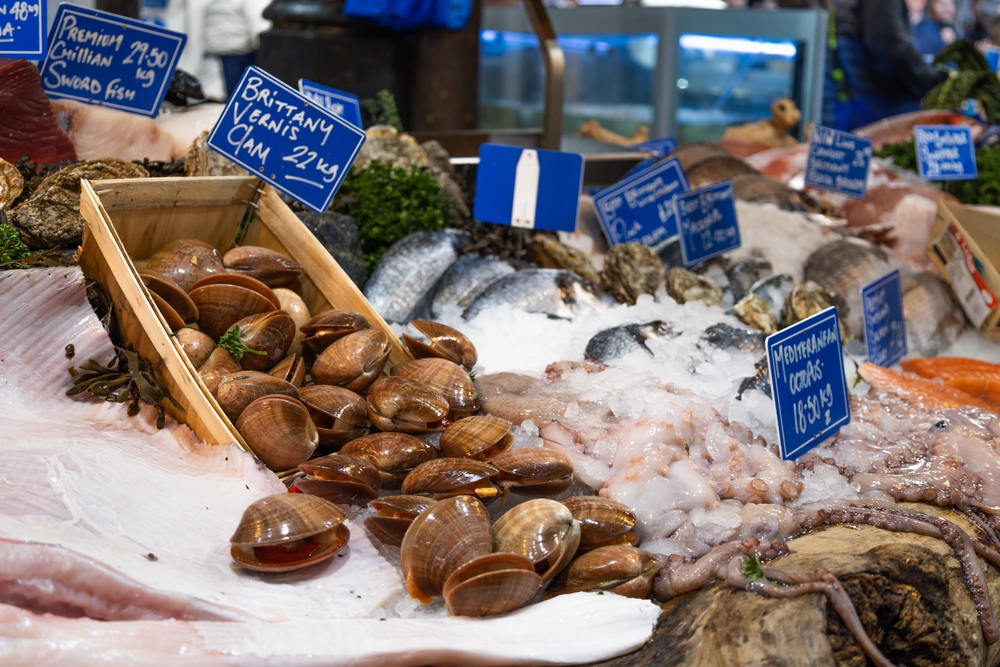
Some animals, like fish, are caught for food.  Fishing usually takes place in the sea, rivers or lakes.  Show children the Fishing video and question them about what they see. Explain to children that fish can also be farmed. This involves fish being bred in a type of container or enclosure.


To help children learn more about the variety of fish available, you could use the Seafish snap cards. These show 12 different fish which can be found in the sea. Children can:

  • look at the 12 fish and sort/group them in different ways;
  • compare and contrast features of different fish;
  • choose a fish and find out five facts about it;
  • play snap or pairs.

Explain to the children that some other food is caught, such as wild deer or boar.

You could talk to the children about seasonal foods using the Season cards. 


Harvest festival: Arrange an assembly or classroom activities focusing on harvest festival. The following resources could be used:


Use the Harvest festival activity pack to explore the theme of harvest festival. When are different foods harvested throughout the year? What does harvest festival mean to them? Ask children to create a display or artwork highlighting their thoughts and understanding. 


Plan to cook some dishes with ingredients which can be grown at home, e.g. potato salad, salsa, garden salad. 

Food origins resources for 5-7 years

Plant or animal? activities for 5-7 years

Use the Where does food come from? presentation to introduce the subject of where food comes from. Explain to the children that all food comes from a plant or an animal.


Draw two columns on the board (or on a large sheet of paper) and head them, Plants and Animals. 


Place the Food photo cards into a small bag. Take a card from the bag and ask the children whether it comes from a plant or an animal. Start with some simple examples, such as fruit and fish. 


Briefly discuss the food, for example:

  • Who has eaten this before?
  • What does it taste like? 

Choose one child at a time to take a card, name the food and attach it to the correct column. Discuss their decisions. Continue until all the cards have been used. 


Ask the children if they can add further food to either of the columns.


Show children the Where does food come from? video. This video shows children trying to guess whether food is from a plant or animal source. You could arrange a similar activity with your class.

Recap that all food comes from a plant or an animal. Ask children for a few examples of food from a plant and food from an animal.


Give the children a copy of the Plant and animal pictures and the Plant or Animal? worksheet.


Explain to the children that they will be cutting out the pictures of food and sticking them to the correct columns on the Plant or animal? worksheet.  Check that the children know what the foods are before they begin.


Do an example of the cutting and sticking with the class.  Allow the children to complete the rest of the work by themselves or in pairs.


When they finish, the children can write or draw additional food in the columns.

Ask a few children to describe a meal they have eaten recently.  Draw and label the meal on the board.   Ask the children to identify which parts of the meal come from plants.  Repeat this a couple of times to help children understand that all the food they eat can be traced back to a source.


Show the Plants video. Question the children afterwards to see if they can remember which foods they saw and how they were growing.


Show the Plants presentation and talk about what the foods look like when they are growing.


Look at a plant and ask the children to name the main parts, e.g. leaf, flower, stem and root.


Explain that we eat different parts of plants.  Make it clear to the children that we do not eat all plants.  Some plants are poisonous.


Hold up several foods which come from plants or use the Where food comes from cards and ask children to name them and say which part of the plant it is, e.g. broccoli (flower), apple (fruit), cabbage (leaves), asparagus (stem), carrots (root). 


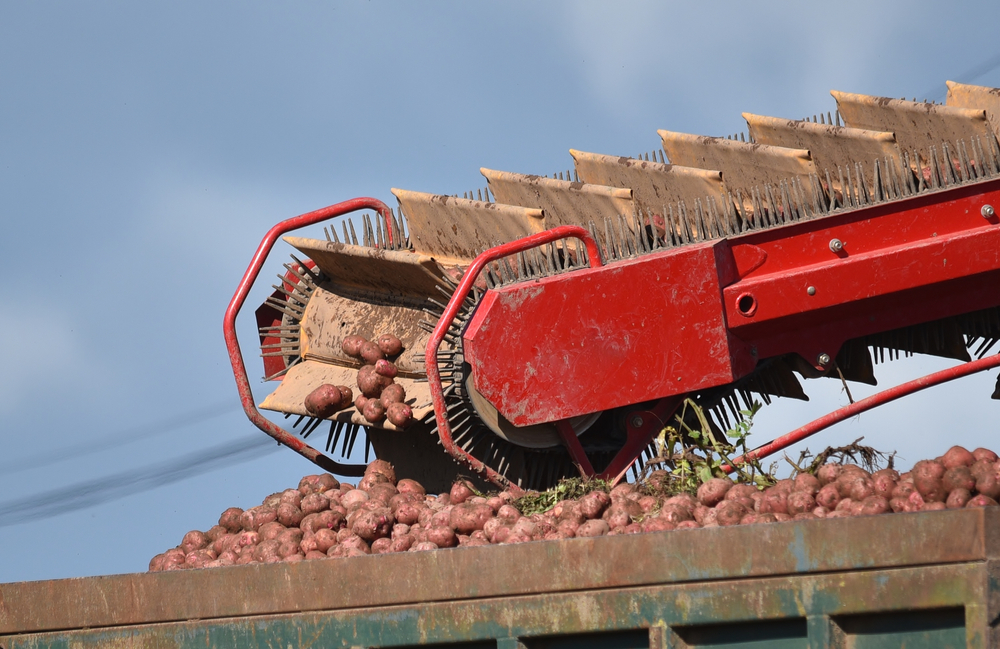
Explain that potatoes are tubers.  Tubers grow off the roots of potato plants. For further activities around potatoes, go to the Food commodities area.


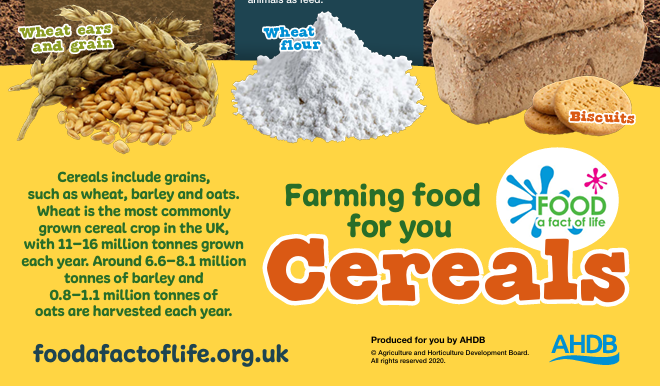
For cereals, explain that the part of the plant that gives us the grain is called the 'seed head'. For this aged children, it might be easier to say that this is the fruit of the plant - the grain that we eat, e.g. wheat or maize (sweetcorn).


Hand out the Eating plants worksheet and talk through how to complete it with the children.  You may like to list some possibilities before the children begin. They can use ideas from the presentation and video to help.

Take the Food photo cards from the previous lesson and display those which show foods from animals.  Question the children about each one:

What is it?

  • Does it come from a plant or animal?
  • Which animal does it come from?
  • Have you eaten this food?
  • Do you like it?

Use the Animals presentation to look in more detail at food from animal sources. Farmers who rear animals for food need to ensure that the animal is healthy, fed, watered and properly cared for.   


Use laminated and cut up sets of the Matching cards. The children can then match different foods to their animal sources.  Alternatively, these can be left unlaminated and the children can cut out, match and glue a selection of these pictures into their work books.

Further activities

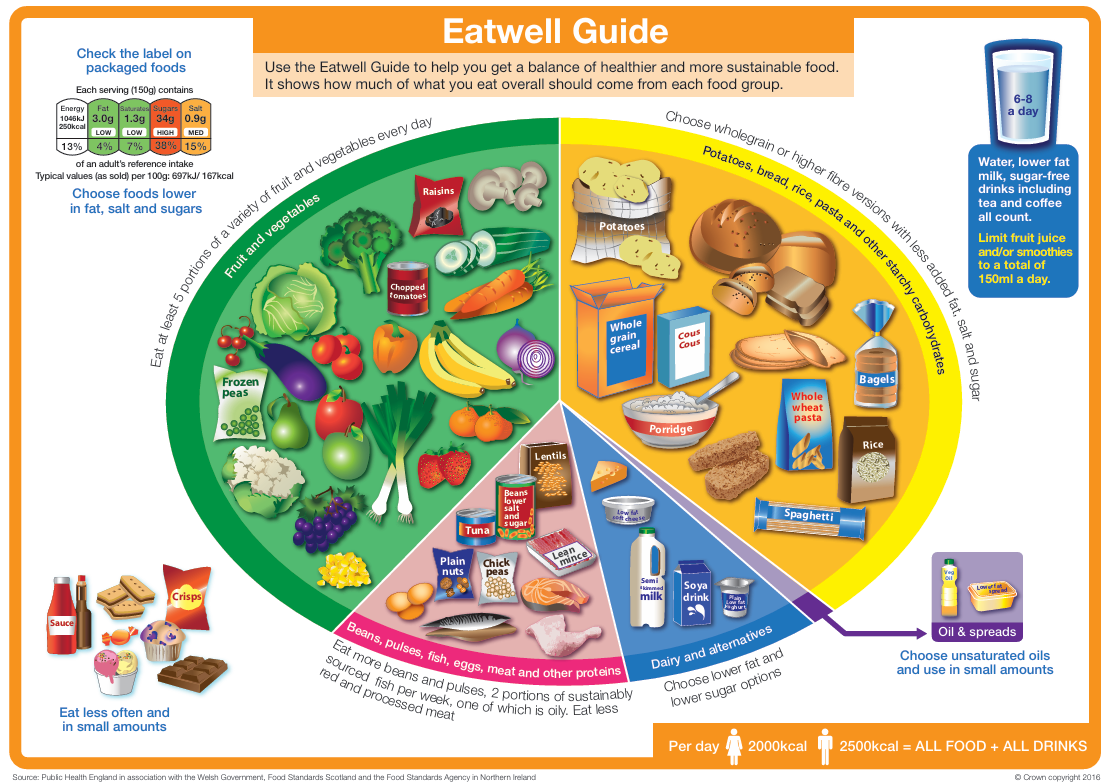
  • Challenge children to link food to the Eatwell Guide food groups. Use The Eatwell Guide food groups worksheet to support.
  • Get your school involved in Grow Your Own Potatoes. It is an initiative about growing potatoes at school, then learning about how they fit into a healthy diet, as well as how to prepare and cook them. For further details, click here.

Plant or animal? resources for 5-7 years

Food origins for 7-11 years

Use these three activities to run a session on food origins in your classroom. 

Task the children to find out how different food is produced around the world. Allocate the food below to pairs or small groups of children to research:

  • Watercress
  • Rice
  • Sugar
  • Watermelon
  • Lemons

Using the Down on the farm presentation, go through the presentation, focusing on the animals farmed for our food. Ask children to complete the Down on the farm worksheet.


Highlight the importance of farmers looking after the animals, countryside and maintaining safety. Introduce children to the Red Tractor mark. Challenge children to learn more about the mark using the Red Tractor worksheet. Create a display of food packaging with the Red Tractor logo. You may also wish to look at the importance of keeping animals safe and healthy – use the Looking after animals worksheet.

Talk to the children about the seasonality of different food, particularly fruit and vegetables, but also meat and dairy products. In the UK there are four main seasons: winter, spring, summer and autumn which occur throughout the year. At these times, certain foods can be planted, grown and harvested.


Look at what is available now throughout the UK.  Look at the Seasons presentation. 


Question the children:

  • Why do we get different foods at different times of the year? (Because the weather affects what can be produced.)
  • Can we get food which is not in season? (Yes.)
  • Can you give any examples? (Fresh strawberries in the winter.)
  • Where does this food come from? (Some food is grown in hot houses or green houses in this country and some food is grown or produced abroad and sent to the UK.)

Consolidate the work by looking at the Eat the seasons presentation. Explore what is meant by seasonal foods – what are the benefits of consuming seasonal foods?


Use the Seasonal fruit and vegetables worksheet to focus on which foods are in season from the Fruit and vegetables food group. Alternatively, use the Seasonal food worksheet – explore six foods and discuss when these are in season during the year.


Split the class into groups and allocate different groups of children a season and instruct them to use the internet and books to find out what food is available in that season, in the UK, e.g. What is produced when, what conditions different foods need in order to be produced.


In their groups, get the children to create a poster (possibly based around a UK map) indicating what is available in the UK during their given season.

Further activities

  • Try to visit a local farm or farm shop to acquire some seasonal produce to make a seasonal dish. 
  • Cook a dish with seasonal ingredients. 
  • As part of a food themed assembly, use the Down on the farm presentation to review farming and looking after the countryside, crops and animals. Look at the Red Tractor mark and discuss what it stands for. Have the children seen the mark before? 

Food origins resources for 7-11 years

World food for 7-11 years

Use these three activities to run a session on World food in your classroom. 

Ask the children to give an example of a meal they have eaten recently. They could draw these on the board or use the Where is my meal from? worksheet. 


Question the children about where the different parts of the meal comes from. Some children might start with the answers ‘supermarket’ or ‘bakery’. While this is correct, it is the first stage of tracing the food back to its origins. Encourage the children to go as far back as they can with the origin of each ingredient, for example:

  • toast is made from bread, bread is made from flour, flour is made from the plant called wheat (it is milled);
  • milk is from a dairy cow;
  • apple juice is from an apple which grows on a tree;
  • a tomato is a fruit which grows on a plant;
  • mashed potato is made from potatoes (a plant) which grow under the ground.

Help the children to comprehend that all our food has to be produced for us. Plants have to be grown and animals have to reared or caught.
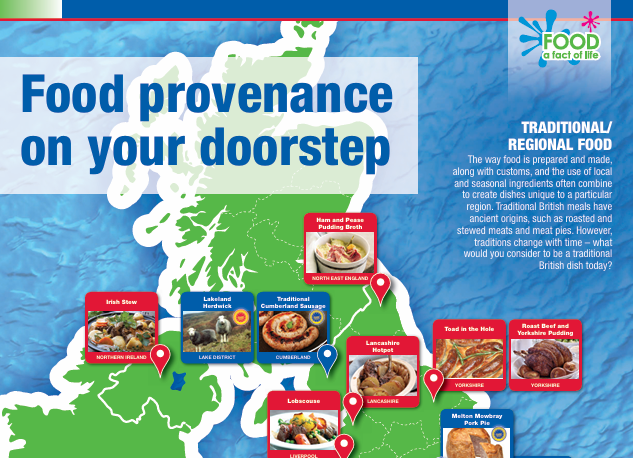
Using the UK Food cards and UK Food labels cards, ask the children to name the food and suggest where in the UK it might come from. Read the label to reveal the answer and ask for help locating the place on a UK map, a map where counties are shown would be best. Repeat this twice more. 


Share the UK Food cards and UK Food labels cards among the children and hand them a UK Food map worksheet. Explain that they need to look at each food and read the label to find out where it is produced. They will then need to use a map to find out where the place is located in the UK.  Finally, they can draw the food on their worksheet and use an arrow to show where in the UK it comes from.  The children should repeat this with all the foods.


Check the children’s work with them. 


As an extension, challenge the children to find food which are produced locally and add these to their worksheet.

Ask the children to work in small groups and write a list of food they think are produced in a country outside the UK.  Ask the children to jot down which country they think these foods come from. Discuss the children’s ideas and ask them to explain why they think these foods are produced outside the UK.


Reveal a display of five foods produced in different countries outside the UK (or use the World food cards and, later in the session, the World food labels). 


Examples of possible food to include:

  • Rice, Plantain and Yam;
  • Feta cheese and Buffalo mozzarella cheese;
  • Chick peas;
  • Hoki (a type of fish);
  • Orange, Lemon, Banana, Watermelon, Mango, Pawpaw and Coconut;
  • Kohlrabi;
  • Coffee beans.

Remove or conceal the names of the food and their countries of origin before the task, write these clearly on labels and pin them up randomly for the children to see. Ask the children to help you place the name and origin labels by each food.  Ask the children to help you find the countries on a world map and discuss why each food might be produced in a certain country, e.g. climate, weather.


Ask the children to work in pairs or small groups to find out more about the food discussed and the food they listed at the beginning of the lesson.  Ask them to investigate the following:

  • How they are produced;
  • Why these foods are not produced in the UK, e.g. climate, soil condition, cost.
  • The basic requirements of all plants and all animals regardless of where they are produced.


The children can present this information as a booklet, poster or presentation to tie the work into other curriculum areas. A large world map display could be created highlighting food from the UK and around the world.

Find out what produce grows locally and organise a Farm Visit where children can learn about the conditions needed to produce different food. 


Start growing activities in school to help children learn more about seasonal produce and growing conditions, e g. potatoes, lettuces, herbs, tomatoes. The children could keep a record of the plants’ growth; this could be written or photographic. 


Challenge children to find out how food travels to the UK from other countries.

World food resources for 7-11 years

Food origins for 11-14 years

The lessons and resources below will cover:

  • Food is grown, reared or caught
  • Methods of food processing
  • How food is sold for use and consumption

If you are looking for resources around food origins to support pupils with additional needs, go to the Where food comes from section of the Pupils with additional needs area. 

Food is grown, reared or caught

No matter where it is bought from, food is grown, reared or caught. To highlight this, show the How food is grown, reared or caught? presentation.
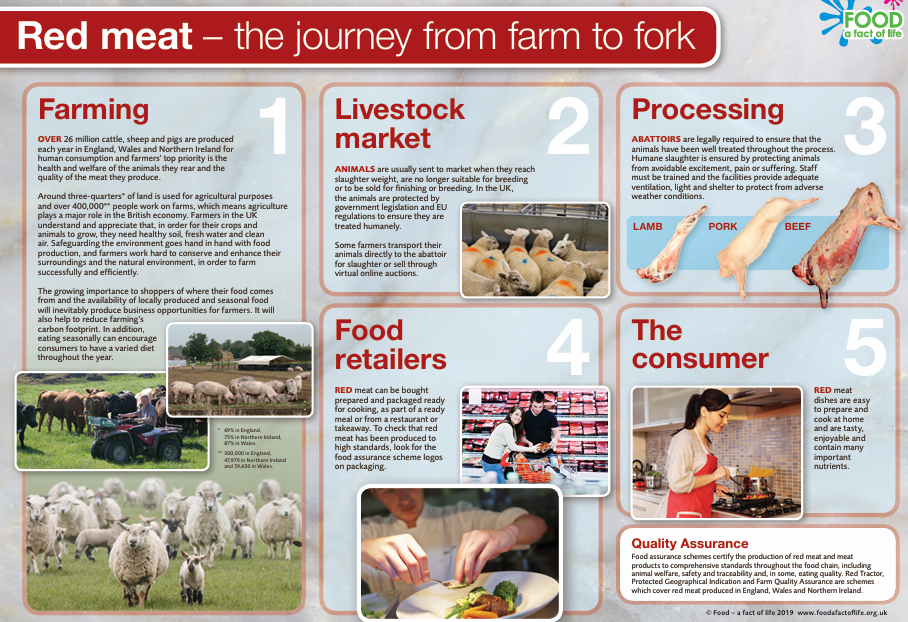
 

Ask the pupils to choose a food commodity, e.g. red meat/fish/cereals and task them to research how the food is produced. They could present the information as a short Fact file.


All food comes from either a plant or an animal, a useful activity to remind pupils of this and task them to consider where their food is from is the The origin of ingredients worksheet. This worksheet uses a Vegetable and goat cheese tart recipe as an example, but this can be edited as required. Challenge the pupils to make a quiche or tart using ingredients in season in the UK. Why not adapt the Tomato and basil tart recipe? 
 

Food origins resources for 11-14 years

Food origins for 14-16 years

These activities have been developed to support teachers delivering Food Preparation and Nutrition and other food-related qualifications to pupils aged 14 -16 years across the UK.


The activities can be used as lesson starters, independent learning tasks, homework, revision activities, practical investigations, extension activities or preparation for assessment and examination work. They are intended to complement teachers' existing schemes of work and can be adapted to suit different qualifications, teaching approaches, available time and pupil needs.

The resources and pupil activities below can be used to support teaching and learning about food origins and provenance. 


Choose a food and investigate its journey from where it is produced to how it reaches the consumer, identifying the different stages along the way.


Investigate how a particular food is produced in the UK, exploring the farming system, people, equipment and processes involved.


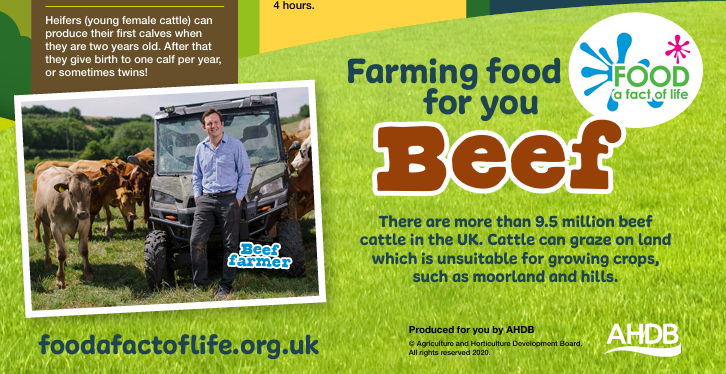
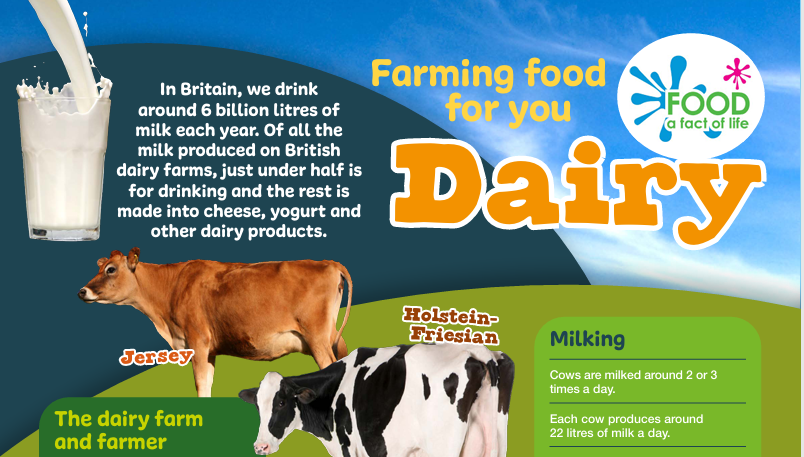
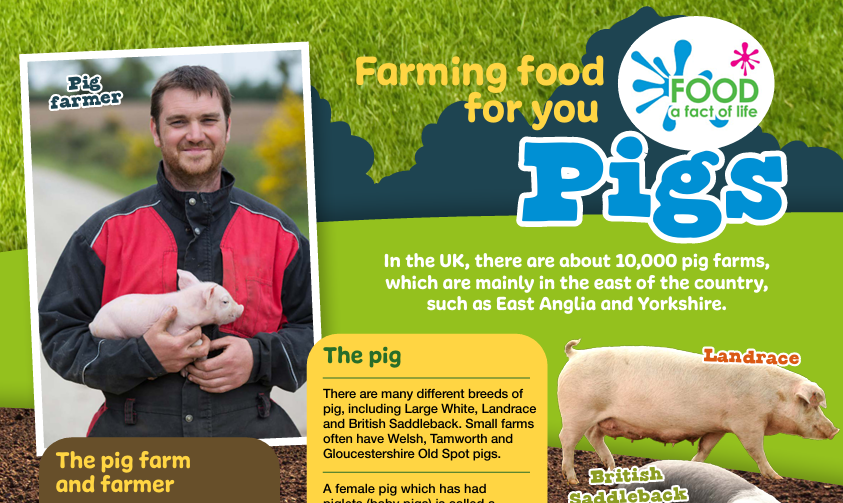
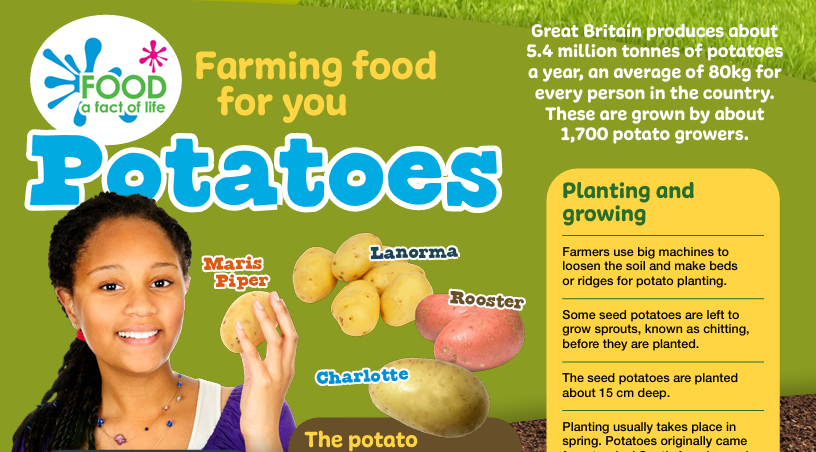
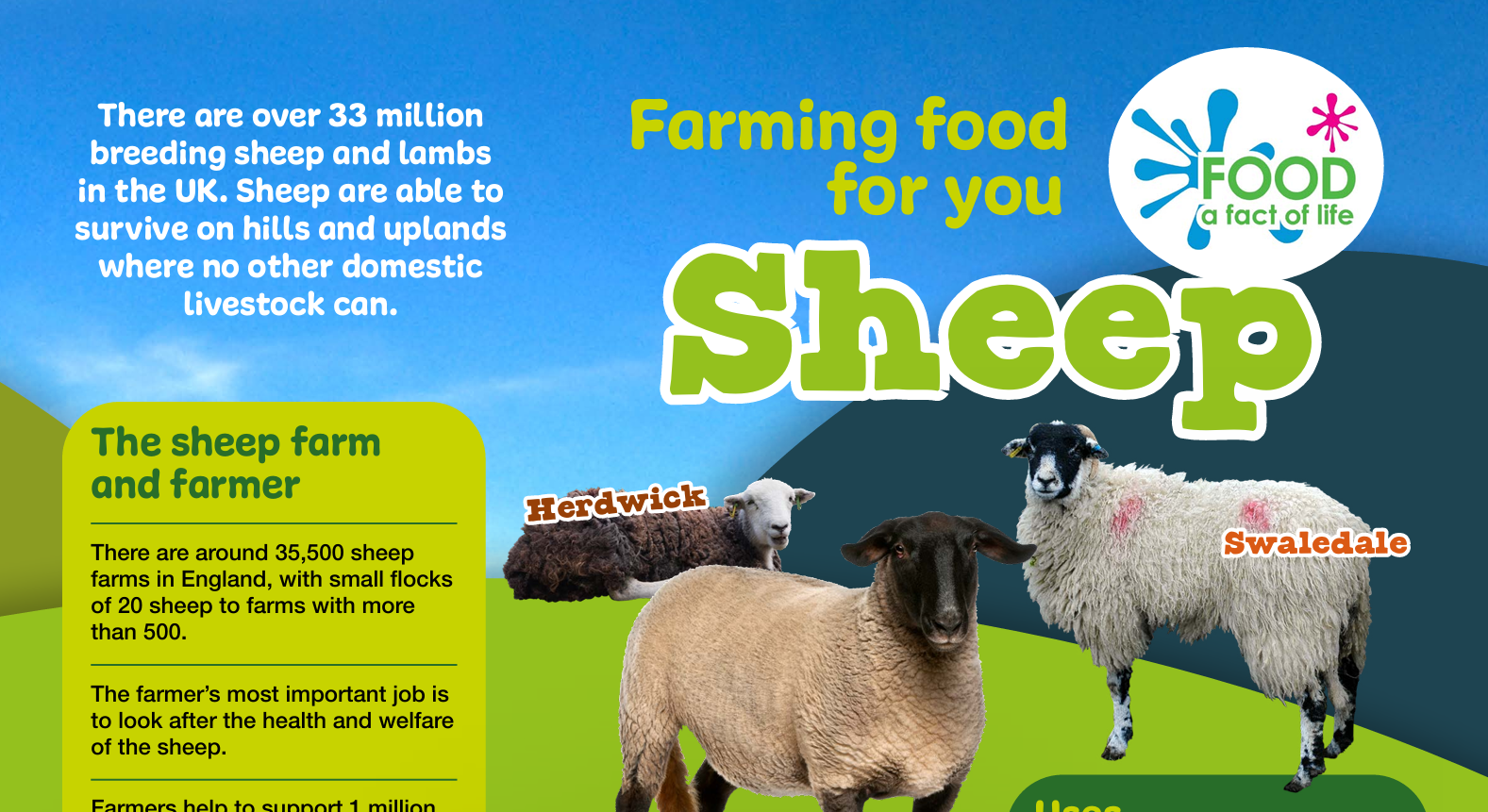
Explore different UK farming systems and compare how foods such as dairy, beef, lamb, pork, potatoes and cereals are produced.


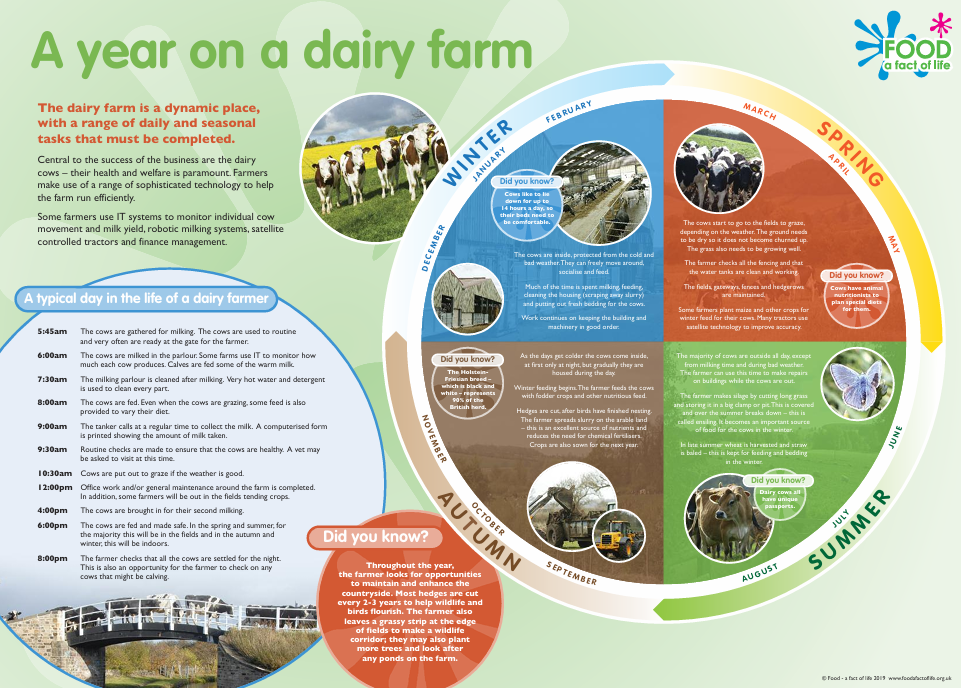
Use the farming resources to investigate the work involved in producing a particular food, then create a profile showing what a farmer does throughout the year.


Choose a food commodity and map what happens on the farm throughout the year, identifying seasonal activities and explaining why the timing of different jobs matters. 

Investigate how a food crop is grown, from planting and growing through to harvesting, and identify the conditions the crop needs to thrive. 


Investigate when different foods are in season in the UK and explore why the availability of particular foods changes throughout the year.


Use knowledge of UK seasonality to create a menu using foods that are in season, explaining the choices and exploring how seasonal ingredients can influence cooking.


Choose a familiar dish and investigate where its key ingredients come from. Map the origins of the ingredients and explore how they come together in the finished dish.


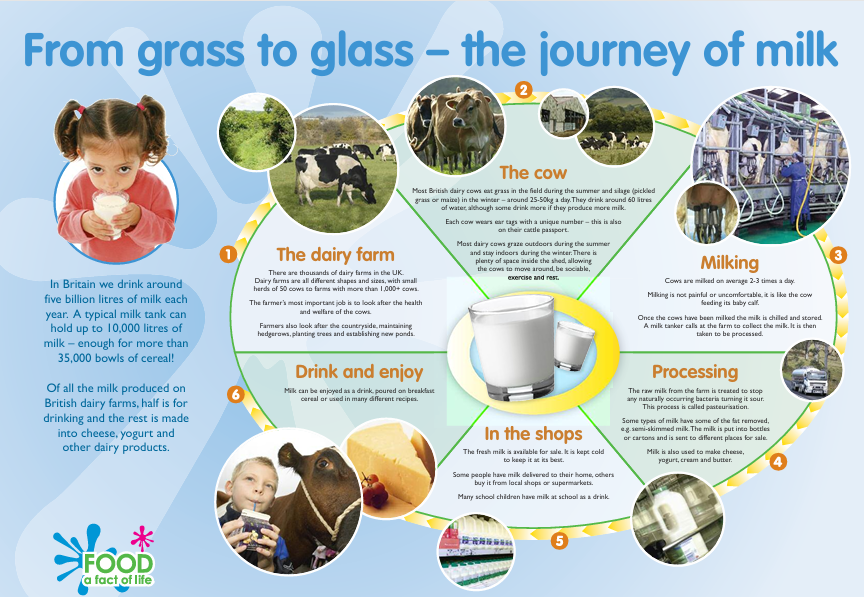
Follow the journey of milk from the dairy farm to the consumer, identifying the different stages involved in producing, processing and distributing milk. Use the Grass to glass poster as support. 


Use the Red meat - the journey from farm to fork resource to investigate the stages involved in producing red meat, from farming through to the finished product.


Choose a food or dish and create a visual food journey showing its origins, production, processing and route to the consumer, then consider how understanding provenance can help us appreciate the food we eat.

Farming and growing food resources for 14-16 years

Farming food for you posters

Did you find this page useful?

We'd love to hear your feedback. If you would like a response, please contact us at [email protected]