Diet and Health

Diet and health

A healthy diet

A healthy, balanced diet can support health and wellbeing and help to reduce the risk of some diet-related health issues. Some people may also need to manage their diet to support their health or to manage reactions to particular foods.


Pupils should understand how food choices and dietary patterns can contribute to health and wellbeing, recognise recommendations for people with specific health needs, and explore how positive changes to the diet can help support health and reduce the risk of diet-related health issues.


This area covers:

  • diet and health;
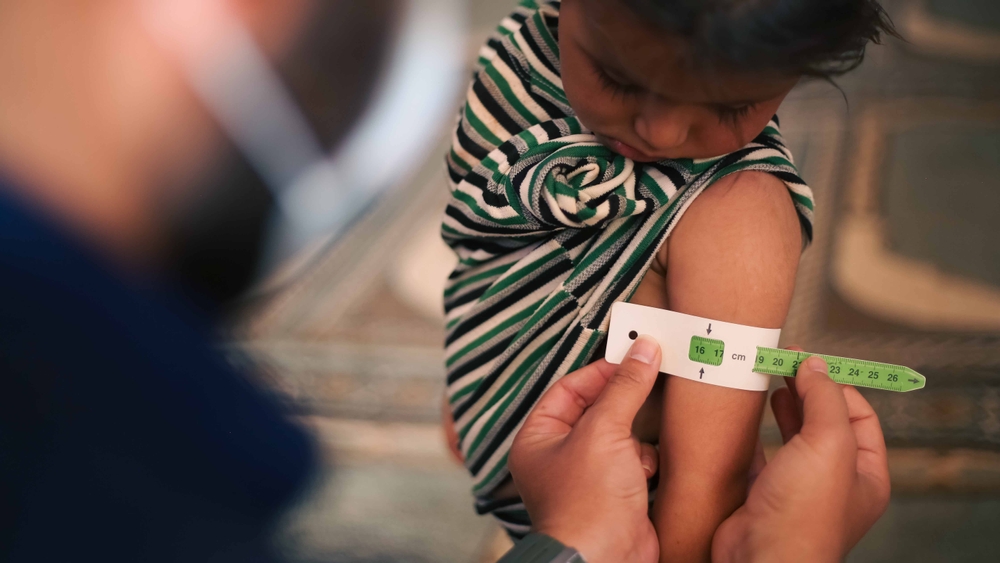
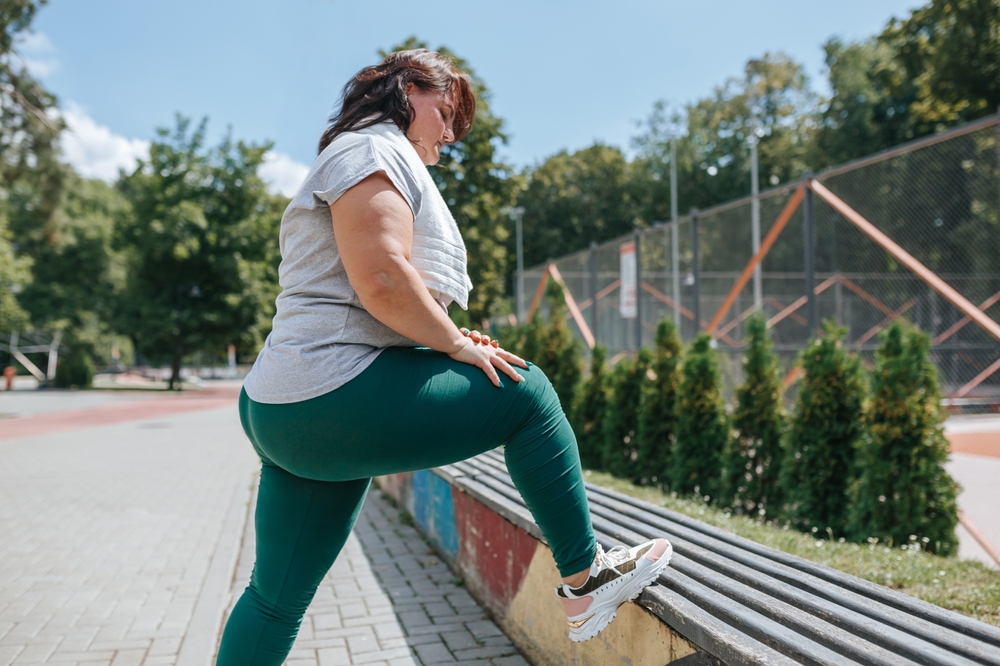
  • health issues that are associated with dietary excess or deficiency;
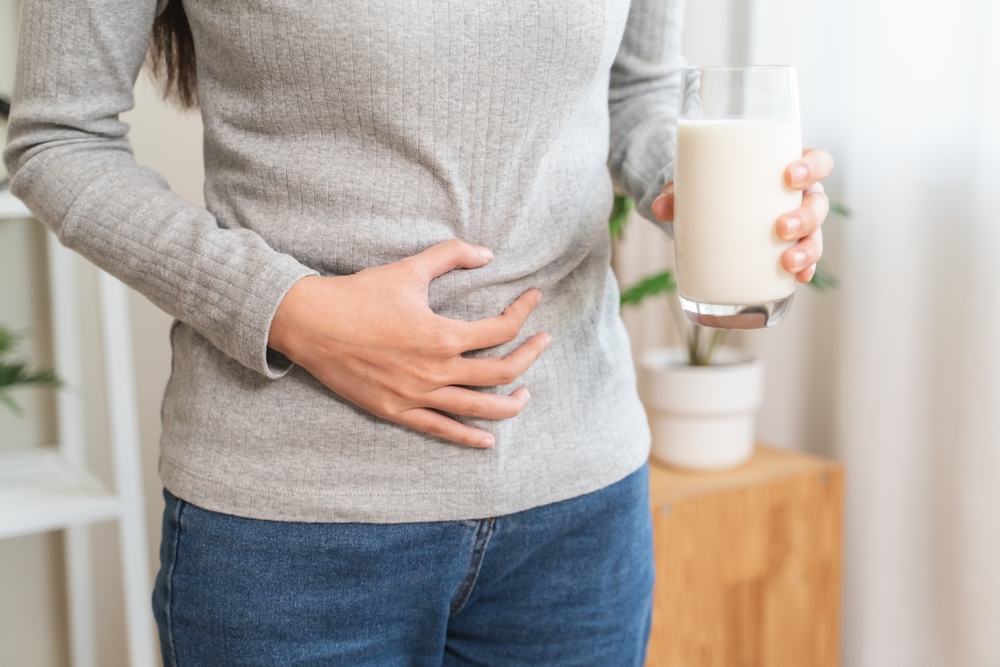
  • allergy and intolerance.

For further information around a healthy balanced diet, go to the British Nutrition Foundation website. 

For other Healthy eating topics, click below:

Diet and health for 7-11 years

Use these three activities to run a session on the diet in your classroom. 

You may find it useful to read the Different diets factsheet before this session as it provides information about different diets.


Explain to the children that you will be discussing the types of food people eat and the reasons for their choices. Ask the children to consider their family members who do and do not live with them and the food and drinks they consume.


Ask the children to share what various family members eat and note their responses on the board.


When you have collected a selection of answers, look at each one and ask the children to suggest the reasons their family members might choose these foods.


For example:

  • My grandad eats banana sandwiches for lunch sometimes because they are easy to make and give him one of his 5 A DAY. (Ease and health.)
  • My brother likes peaches. (Preference.)
  • My aunty doesn’t eat meat or fish because she is vegetarian. (Ethical.)
  • My sister doesn’t eat dairy foods because she has a lactose intolerance. (Medical.)
  • My dad takes a sandwich to work for his breakfast because he doesn’t have time to have breakfast at home in the morning. (Time.)
  • My granny doesn’t eat beef because she is a Hindu. (Religion.)

Ask children if they have heard the word ‘diet’ before and if they can explain what it means. Explain that the word ‘diet’ means all the food and drink we consume. Give some examples of the word in context, e.g. we are encouraged to have a ‘healthy diet’, a ‘vegetarian diet’ is one without meat or fish, a person with an intolerance to lactose might follow a ‘diary-free diet’. The children may have heard the term ‘diet’ used in relation to people trying to lose weight, explain that this is a ‘weight loss diet’.


Explain to the children that they are going to research different diets in pairs or small groups and create a booklet to present their findings.    


Task the children to create a booklet with the What people eat and why worksheet. You may wish to allocate different diets or categories to different pairs or groups. These may include diets related to:

  • Religion, e.g. Islam, Judaism;
  • Climate, e.g. hot, dry or cold countries;
  • Preference, e.g. likes and dislikes;
  • Culture, e.g. Japanese, Afro-Caribbean.

The children can use books or the internet to create their booklet about their allocated diet.


When the children have completed the task, ask them to share their findings. 


Conclude the session by recapping the key features of a few different diets and the reasons they may be followed (food availability, preferences, time, culture, religion). 
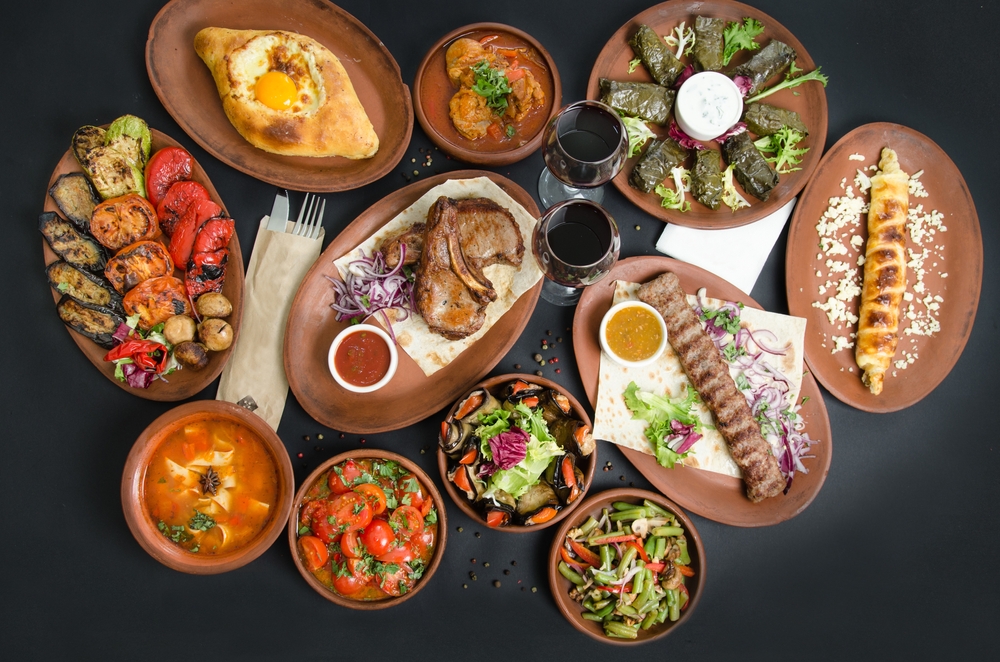
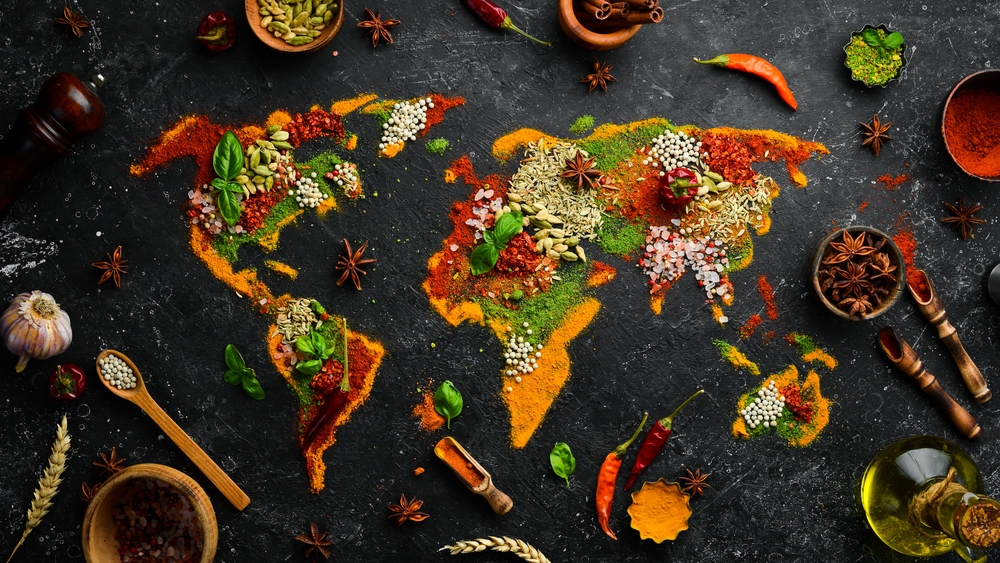
Display the World food cards.  Ask the children to read the names of the dishes and name the countries from which they originate.


Ask the children to share any initial similarities and differences they notice between the dishes. 


Work through the food types below and ask the children if they can see any of these types of food in each dish:

  • fruit or vegetables;
  • meat or fish;
  • dairy;
  • potatoes or food from cereals, e.g. bread, rice, pasta, noodles.

Ask the children what this shows us. The children should be able to suggest that although there are many different types of dishes eaten around the world, many are made from the same basic food commodities (or ingredients).


Give each child a copy of the World map worksheet and provide atlases or internet access. Task the children to find the country of origin for a selection of the dishes on the World food cards and mark the countries on their map. They should then draw a line from the country to the edge of the worksheet where they can write the name of the dish and the country.


To extend this activity, you could task the children to research traditional dishes from other countries and add these to their maps, e.g. Turkey, Poland, Peru.

Ask children what they notice about the different models. How are they similar/different to the Eatwell Guide?


Summarise that where ever people live in the world, everyone needs a variety of food from different food groups to have a healthy diet.


Tasks the children to choose a healthy eating model from a different country and either:

  • compare it with the Eatwell Guide and make a list of similarities and differences between the two models;
  • use the model to plan a lunch or evening meal.


Further activities

  • Arrange a cooking activity to produce a dish suitable for a particular diet.
  • Ask whether any parents, carers and/or friends of the school, could talk to the children about food from other countries, cultures or religions.
  • Arrange a tasting session looking at foods that children may not have tasted before. For example, a range of different breads representing different counties could be used.

Diet and health resources for 7-11 years

Activity packs for 7-11 years

Take a look at our Activity packs for learners aged 7-11 years. The packs comprise food themed resources around topics such as Harvest festival, Space, Bread and Victorians.


Diet and health for 11-14 years

The lessons and resources below cover:

  • diet and health - health issues that are associated with dietary excess or deficiency;
  • allergy and intolerance.

The resources and pupil activities below can be used to support teaching and learning about diet and health.


To introduce the health issues that are associated with dietary excess or deficiency, show the Diet and health presentation. Task the pupils to complete the Diet and health worksheet.


To develop independent learning, task the pupils to research one issue associated with diet and health. They should then produce a leaflet or poster to explain the risks and how these can be reduced through changes to diet and lifestyle.


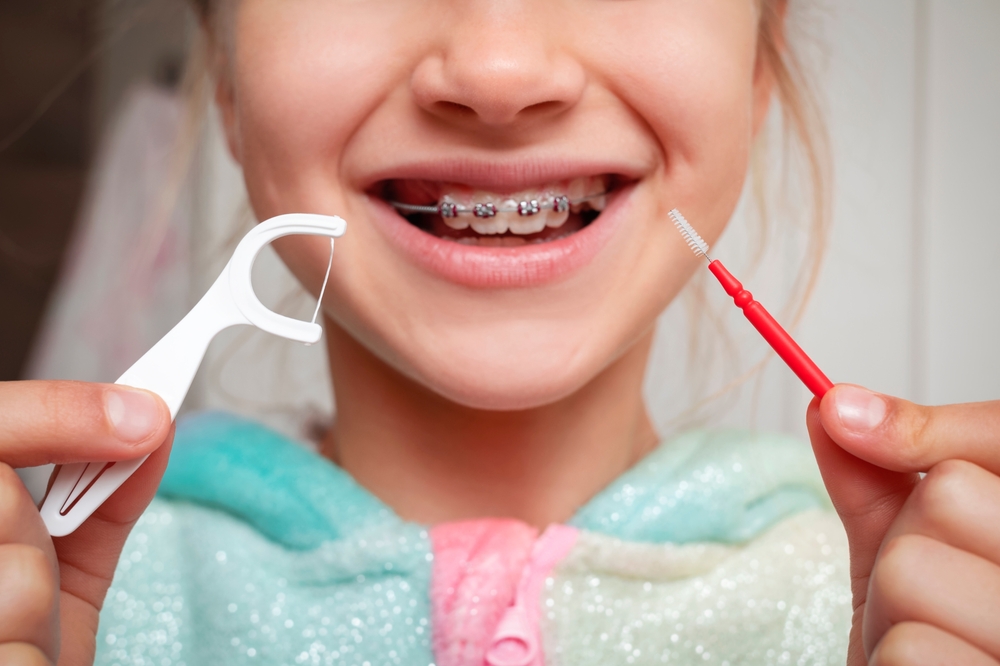
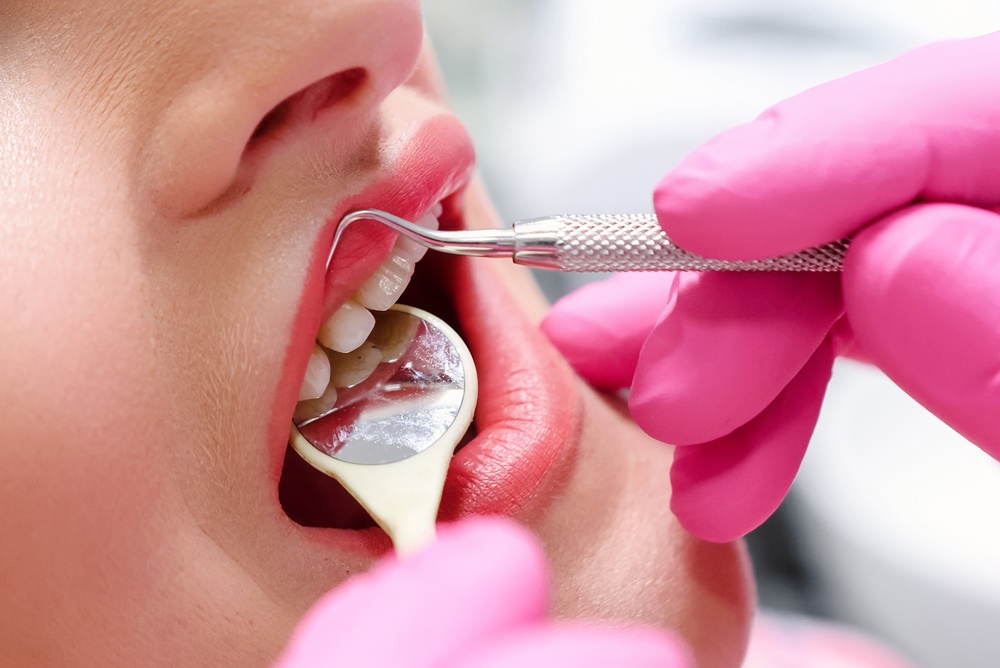
Excess sugars can impact the health of children’s and adult’s teeth. Show the Development and maintenance of healthy teeth presentation and task the pupils to complete the Development and maintenance of healthy teeth Use the Development and maintenance of healthy teeth quiz and the Development and maintenance of healthy teeth Kahoot Q&A to test the pupil’s knowledge.

Use the Dental health circle map to encourage the pupils to demonstrate what they know about dental health. They should write everything they know about dental health in the outer circle including factors affecting dental health and then use the space in the rectangle to explain why good dental health is important throughout life.


In order to reduce the risk of obesity and dental caries, no more than 5% of the energy we consume should come from free sugars. To introduce the concept of free sugars, ask the pupils to complete the Meal planning and free sugars worksheet. Asking the pupils to identify the amount of free sugars in a variety of food using the Free sugars line up activity will help consolidate this information. Divide the class into two groups and give each group a set of cards. Challenge the pupils to place the foods in the order of the greatest free sugars. Use the Free sugars line up answers to see if they are correct.


Some ‘sports and energy drinks’ are a cause for concern when consumed by children and young people. Discuss with the pupils who they think these products are aimed at. Compare the list of ingredients for a variety of drinks and identify what is different. Many pupils will consume extra energy (calories) and/or caffeine through consuming these products; some can also be very acidic and harmful to teeth. Provide a container of sugar cubes and ask the pupils to weigh out the amount of sugars provided in the drinks using the information on the nutrition labels.


Government healthy eating guidelines recommend that we reduce the amount of sugars and fat in our diet. Provide the pupils with caster sugar, a block of fat such as vegetable cooking fat and digital weighing scales. Task them to measure the amount of sugars or fat in a variety of food using the Nutrient comparison exercise and compare the front of pack label amounts to the reference intake. What conclusions do the pupils make?


Portion sizes can affect our nutrient intake. Having a too high energy intake with too little physical activity can lead to weight gain over time. Use the Serving size problems front of pack food labels and Serving size problems worksheet to see how portion size affects nutrient intake in a variety of situations.

Diet and health resources for 11-14 years

Allergies and intolerances

The resources and pupil activities below can be used to support teaching and learning about allergies and intolerances.


To explain the importance of understanding allergies to food and food intolerances, use the Adverse reactions to food presentation and Adverse reactions to food worksheet. Check understanding with the Adverse reactions to food Kahoot quiz and answers.


Task the pupils to complete the Allergen labelling activity to recognise and highlight the allergens present in three recipes.


As a quick starter activity, provide each pupil with a copy of a recipe. Ask them to identify the allergens in the recipe. How could the recipe be modified to make it more suitable for an allergy sufferer? A range of recipes can be found in the Recipe area.


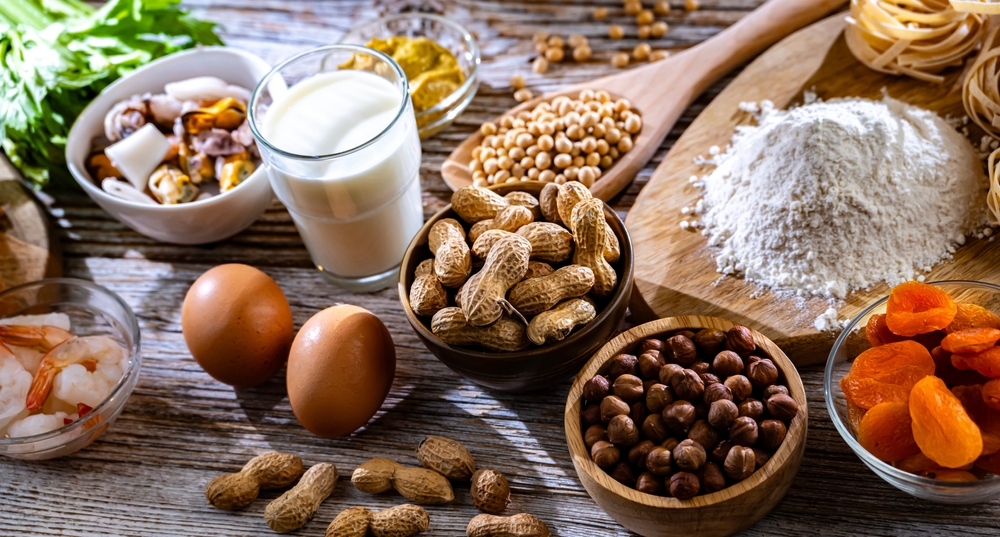
Task the pupils to create their own Chef’s recipe card to identify the allergens that may be present in dishes they make at school. The pupils could use images or photographs of the 14 allergens that must be identified or draw their own.  Alternatively, the pupils could produce an Allergen menu planner for the recipes to be made at school.

Allergies and intolerances resources for 11-14 years

Diet and health for 14-16 years

It is important that students understand how food choices and dietary patterns can support health and wellbeing and influence the risk of developing some health issues. They should also understand how dietary choices can support people with specific health needs and how food can be managed when someone experiences an adverse reaction.

The resources and pupil activities below can be used to support teaching and learning about diet and health.


Explore how food, nutrients and lifestyle choices support bone development and maintenance throughout life and identify practical ways to look after bone health. 


Investigate the nutrients and foods that contribute to healthy bones and create a ‘top tips’ guide for supporting bone health during the teenage years. 


Explore the relationship between diet and health over time, identifying positive food and lifestyle choices that can contribute to wellbeing and reduce the risk of some health conditions. 


Investigate how different nutrients and lifestyle factors can support a healthy heart, then create a positive ‘look after your heart’ guide for young people. 


Explore how carbohydrate-containing foods, digestion and insulin are connected and investigate how the body maintains healthy blood glucose levels. 


Explore how the body uses food for energy and how different foods and nutrients contribute to keeping the body functioning well throughout the day. 


Investigate why iron is important, identify a variety of iron-rich foods and explore ways to include these foods in enjoyable, balanced meals. 


Explore how the digestive system works and investigate how fibre, fluids and a varied diet can support digestive health. 


Explore the different factors that can influence nutritional health, including access to food, illness, lifestyle and individual circumstances, and consider how people can be supported to meet their nutritional needs. 


Investigate how food, drinks and everyday habits contribute to the development and maintenance of healthy teeth, then develop positive advice for maintaining dental health. 


Explore why some people need to avoid or modify particular foods because of food allergies, intolerances or other adverse reactions, and investigate how meals can be adapted so everyone can enjoy eating safely. 


Use the Food Route: Diet and Health Journal to bring together learning about food and health, exploring how food choices can support health and wellbeing and reflecting on the knowledge and skills pupils can use in everyday life.

Health issues resources

Diet and bone health resources

Diet and cancer resources

Coronary heart disease resources

Diet, insulin and blood glucose resources

Diverticulitis resources

High blood pressure resources

Inflammatory bowel disease resources

Iron deficiency anaemia resources

Malnutrition resources

Obesity resources

The development and maintenance of healthy teeth resources

Adverse reactions to food resources

Did you find this page useful?

We'd love to hear your feedback. If you would like a response, please contact us at [email protected]