Meat
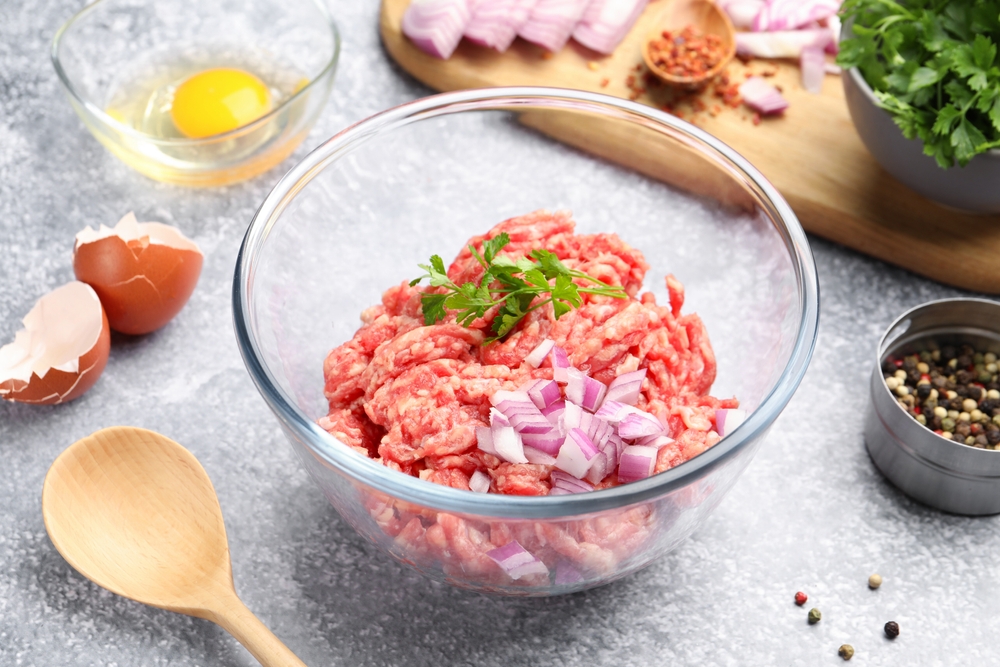
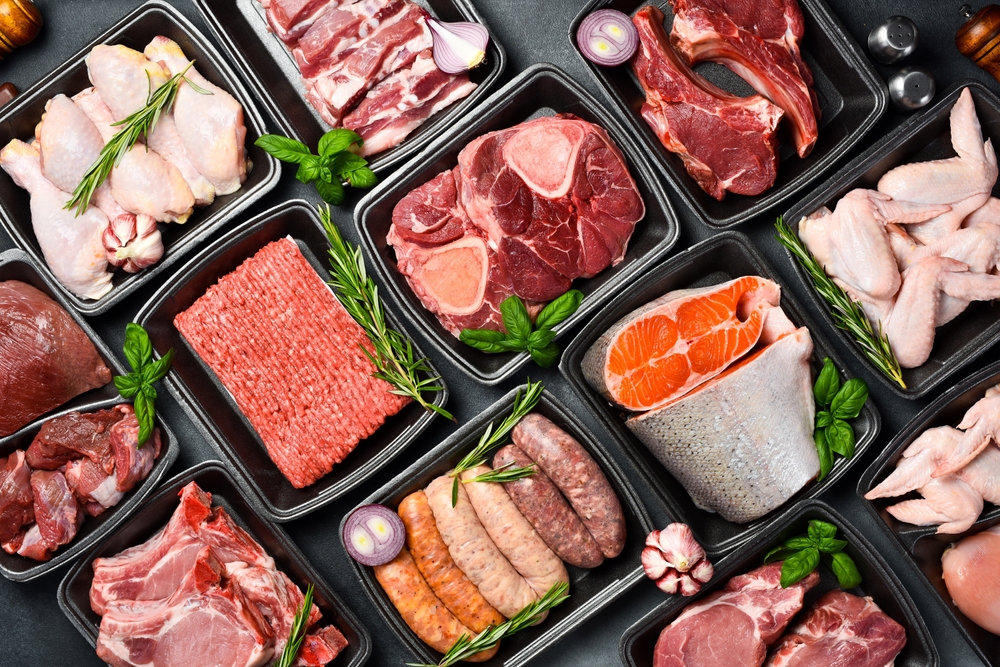
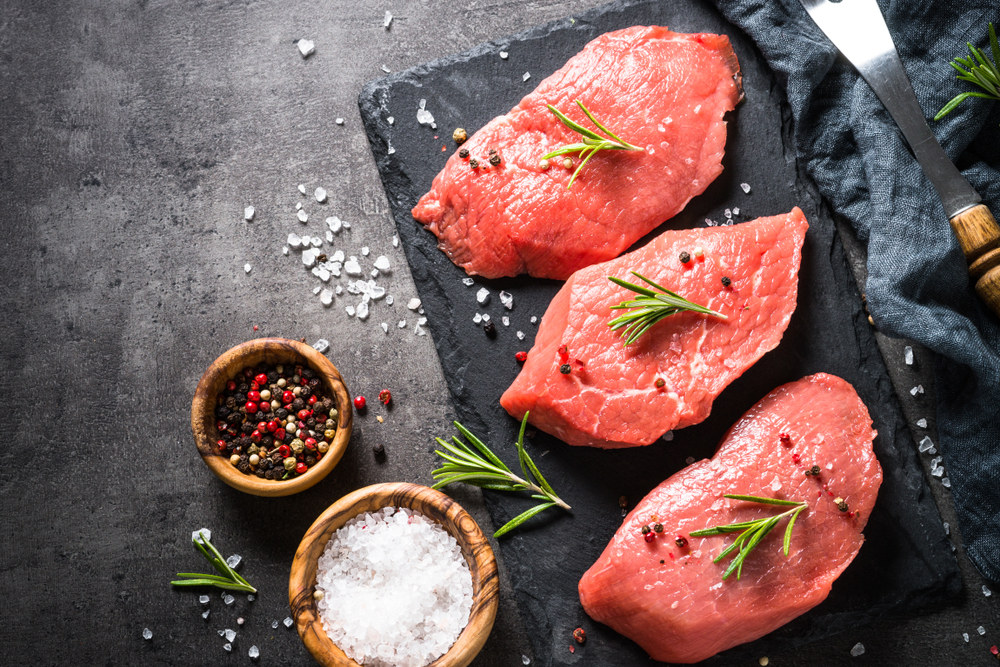
Meat can come from different animals, such as cows, sheep and pigs.
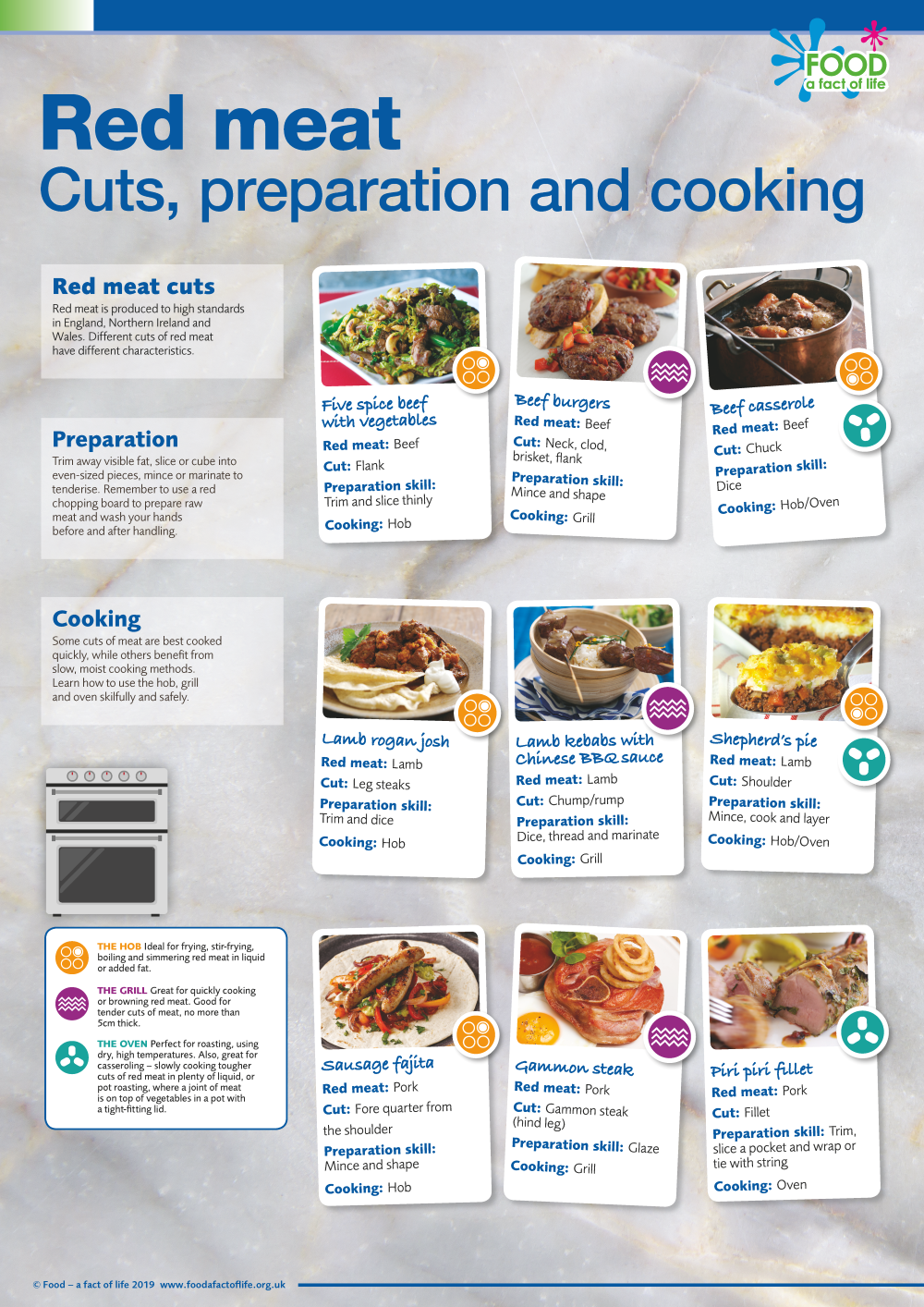
There are many ways to prepare meat in dishes and many cuts that can be used in the kitchen.
In this area, you'll learn about the different types of meats, cuts, and how they can be used in foods, as well as how animals are raised for food.

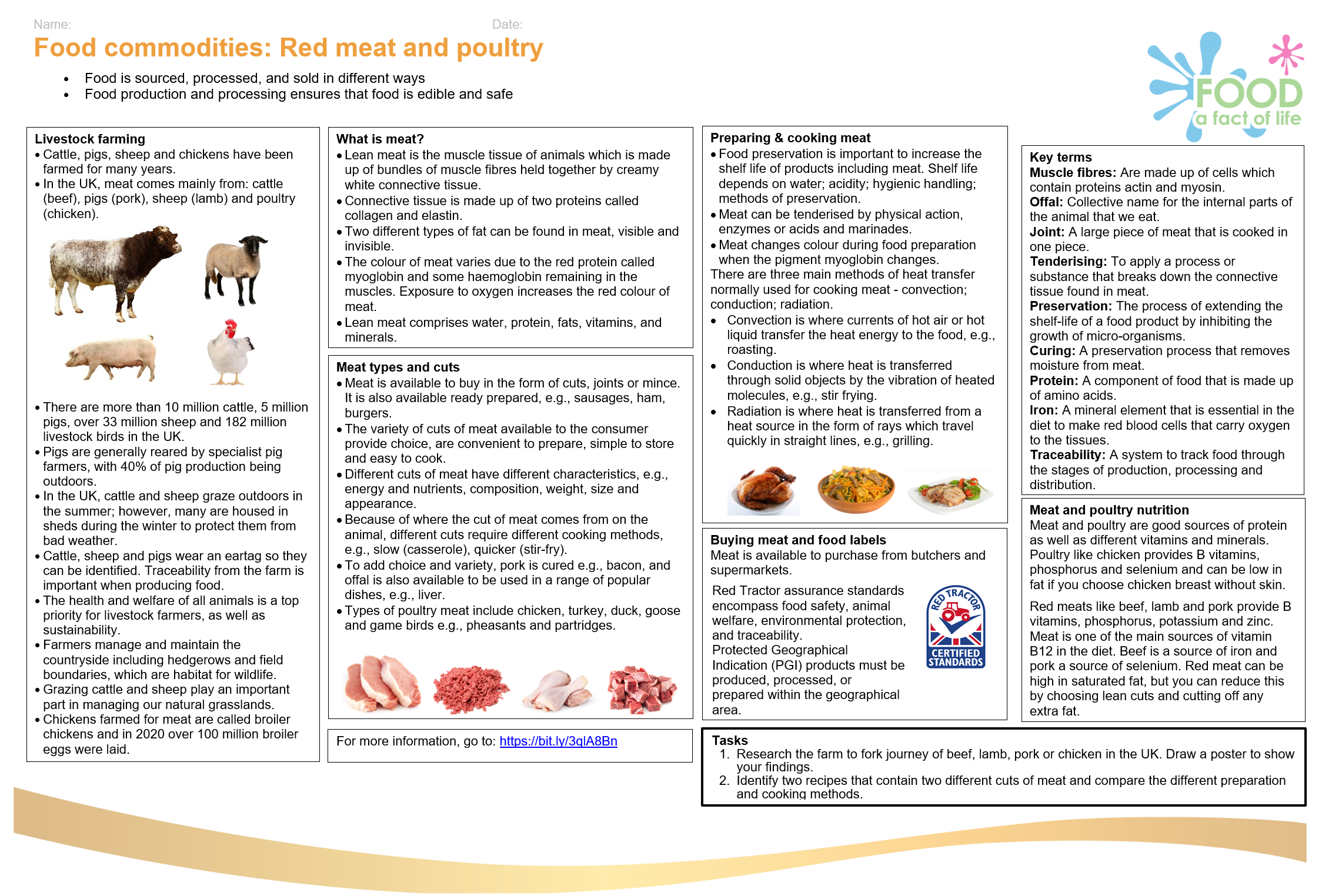
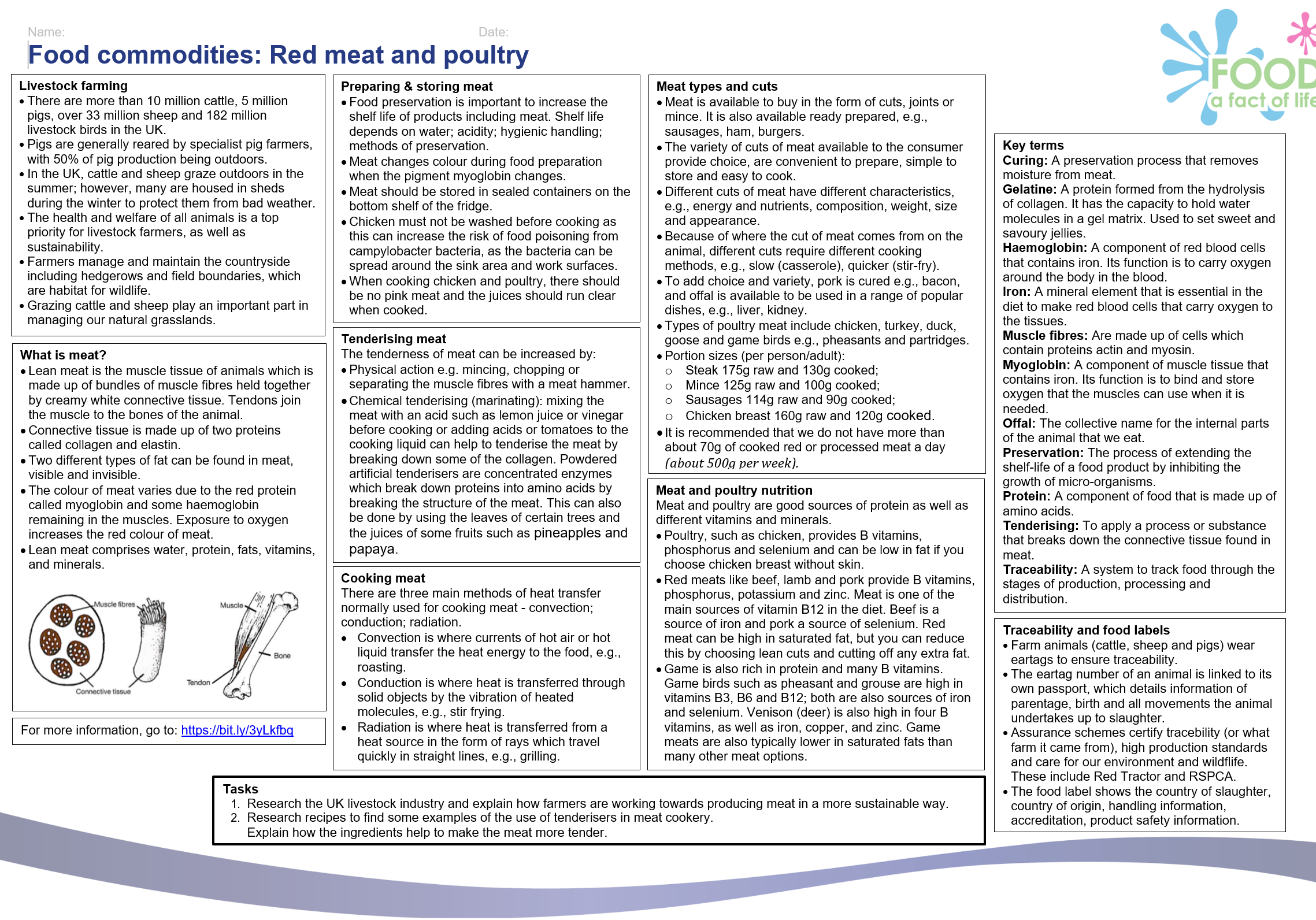
Knowledge Organisers for meat
These Knowledge Organisers provide the 'need to know' for your pupils on the topic of meat!
Meat for 5-7 years
There are four key activities around cereals - from field to fork.

Activity - Meat is from an animal
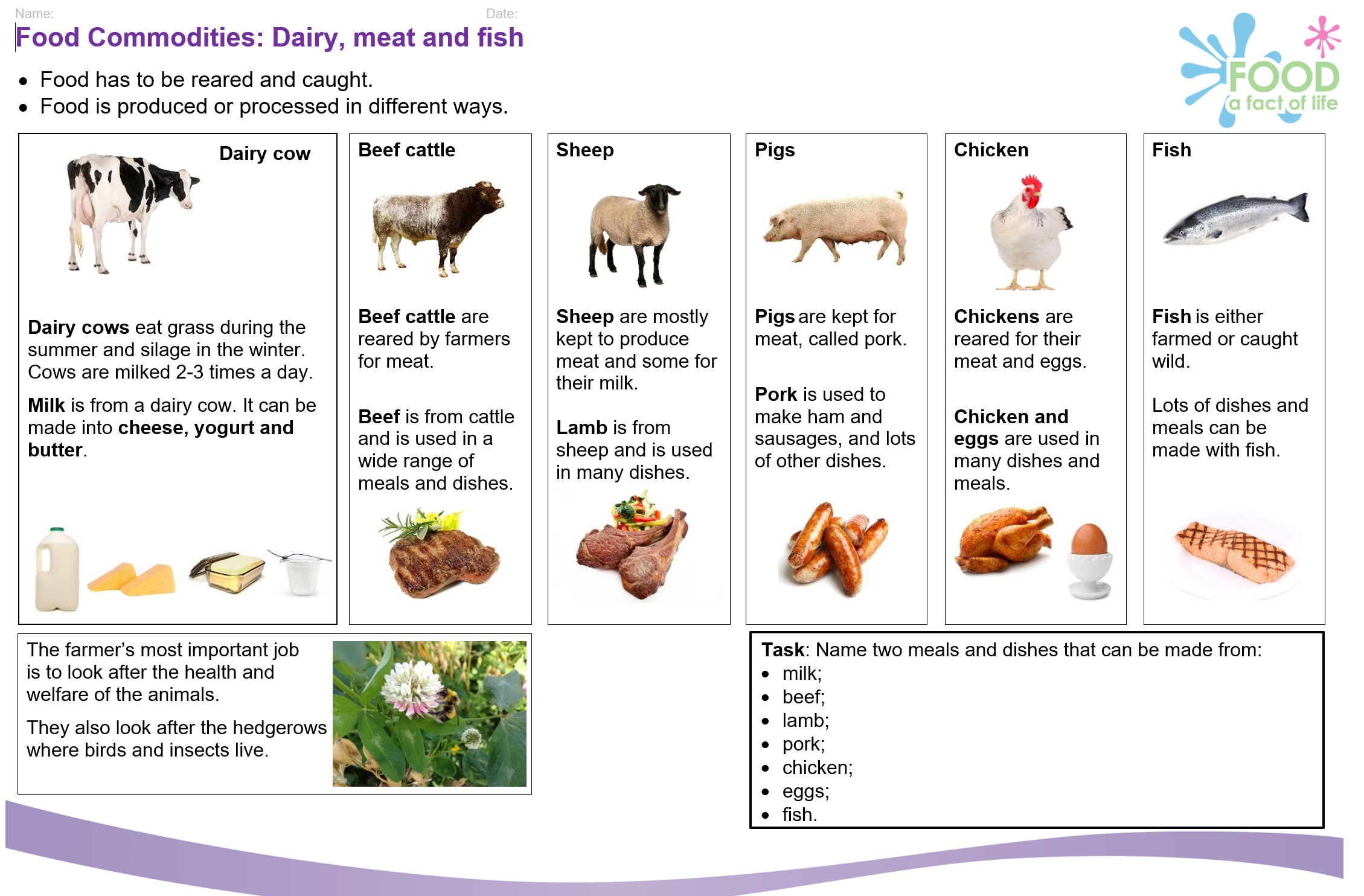
Show the children the Where does meat come from? presentation. Talk about the different types of meat and where it originates.
Question the children:
- What are these?
- Are they the same?
- What is each one called?
Explain that each of these is a type of meat. Animals are reared by a farmer to provide meat which we cook for different meals.

Activity ideas
Using the Where meat comes from presentation, quiz the children’s understanding of the origins of each type of meat:
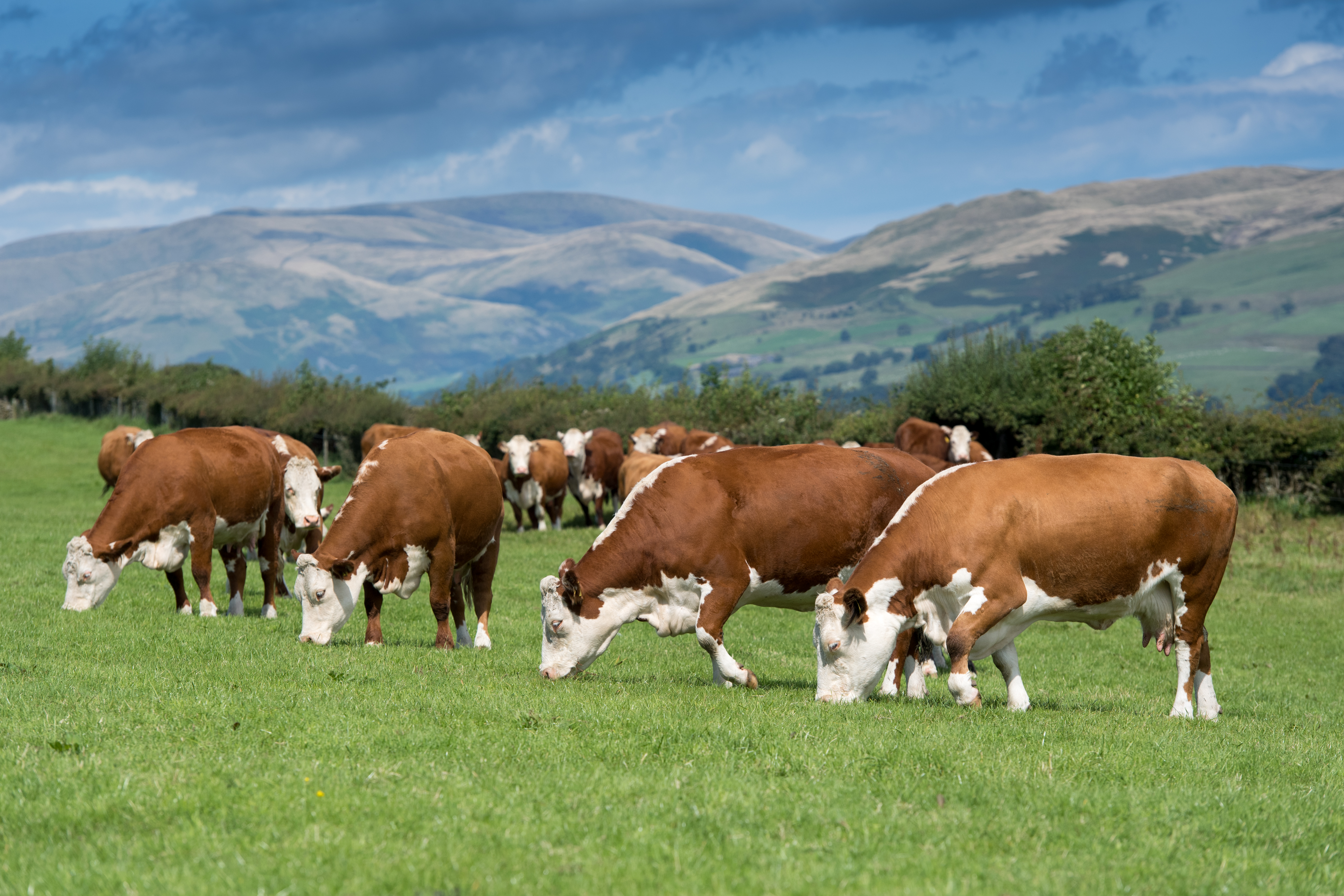
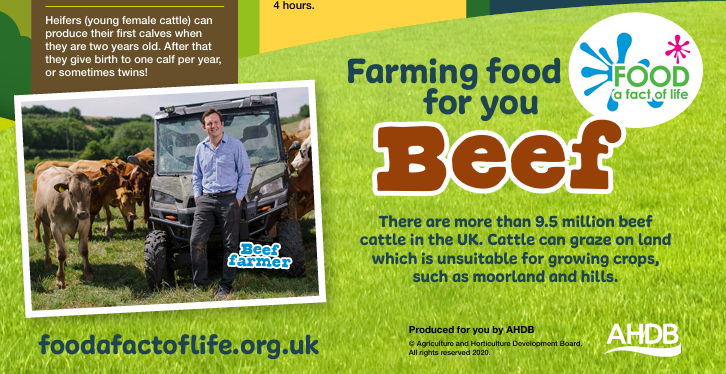
- Beef: Beef comes from cattle.
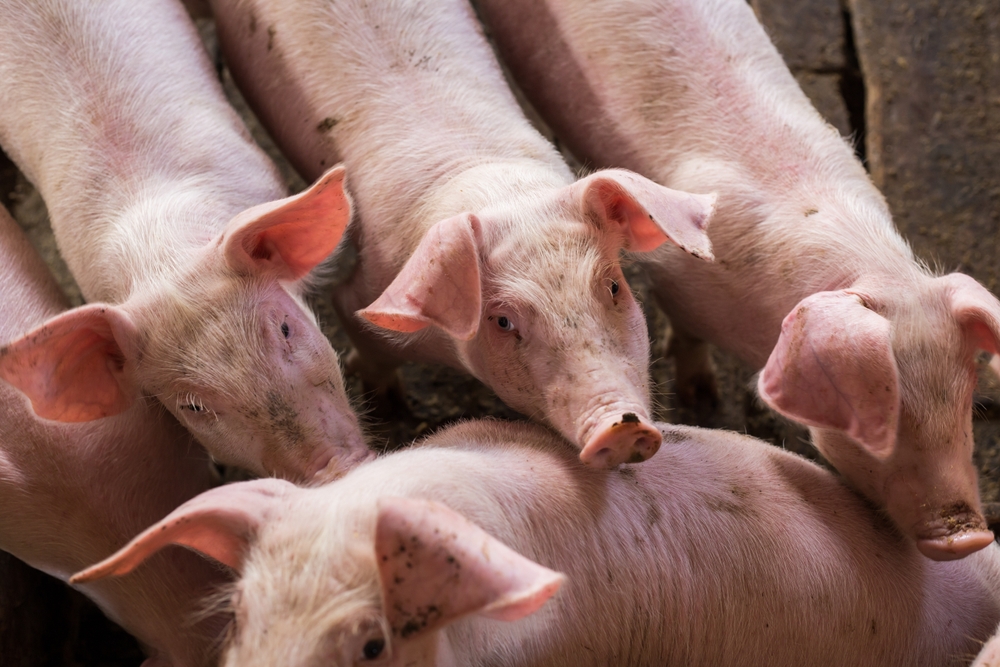
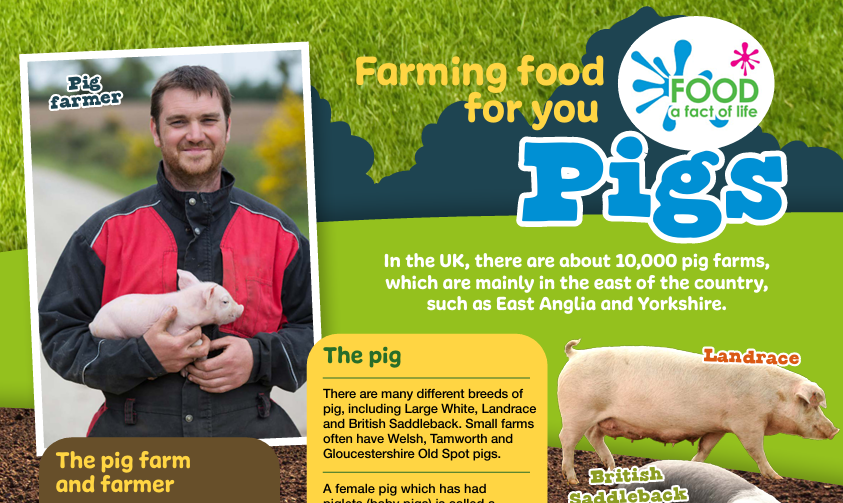
- Pork: Pork comes from pigs.
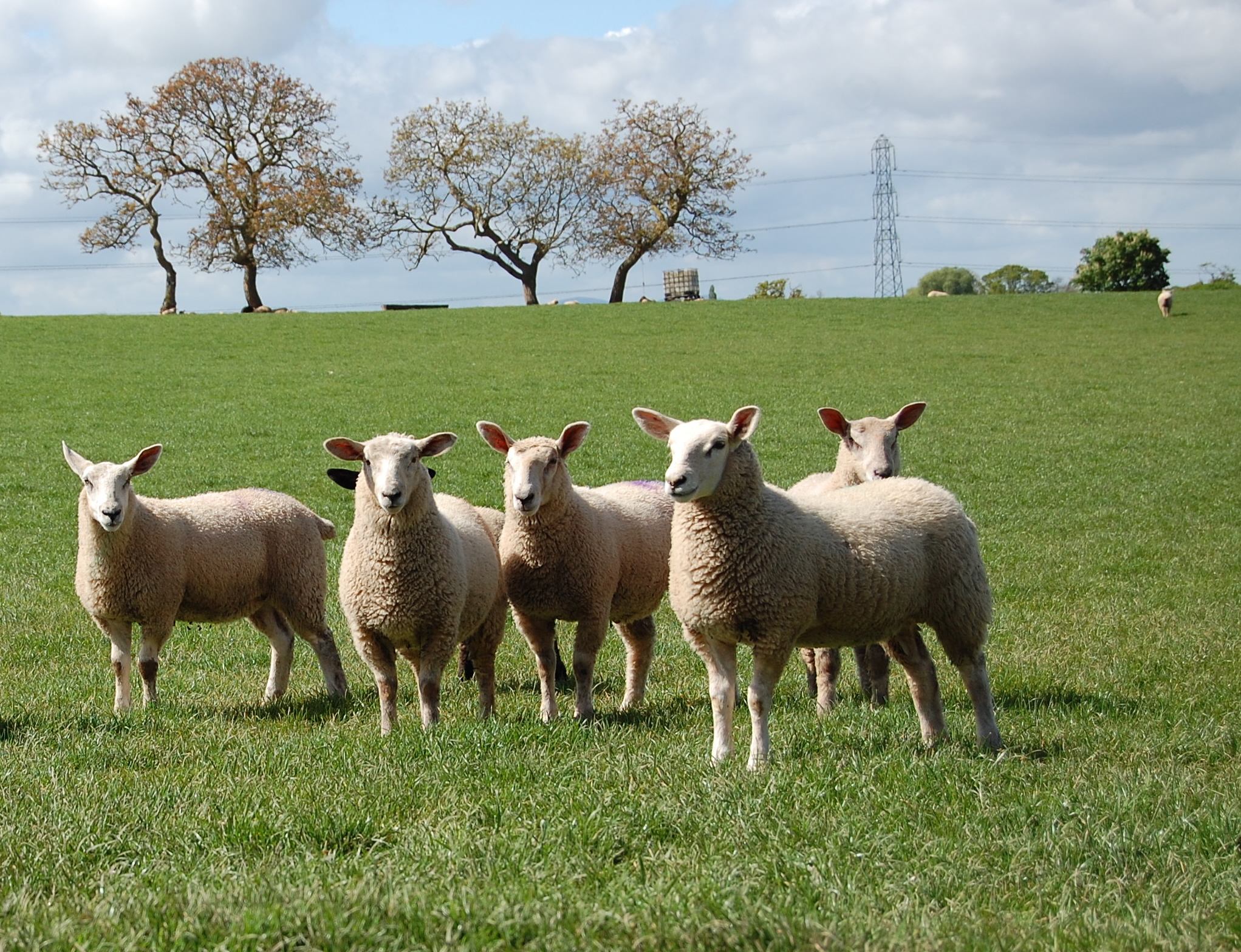
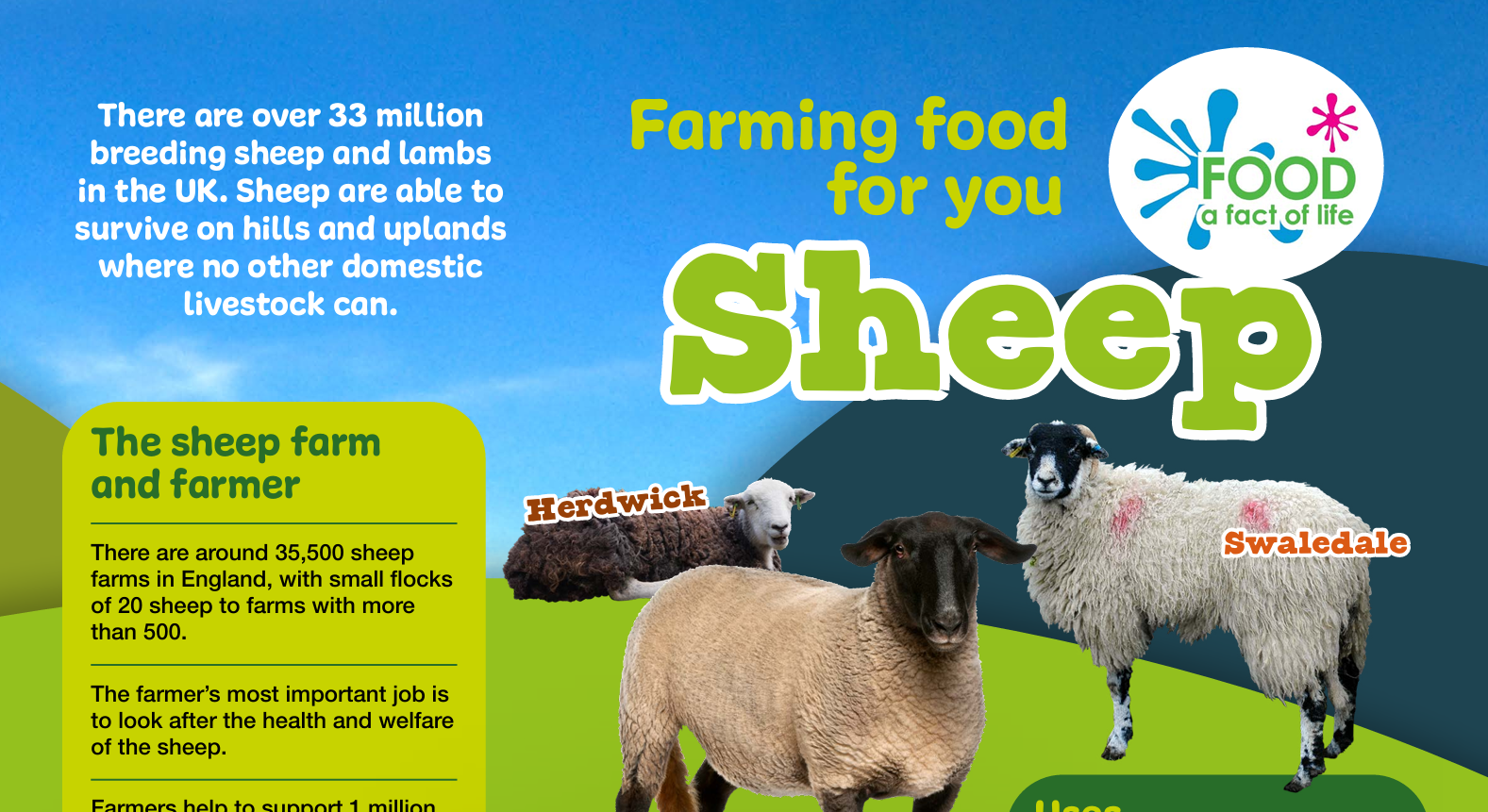
- Lamb: Lamb comes from sheep (and lamb).
- Chicken: Chicken comes from chickens.
Each type of meat can be used to make a range of meals. Ask the children to name meals and dishes that are made from each type of meat:
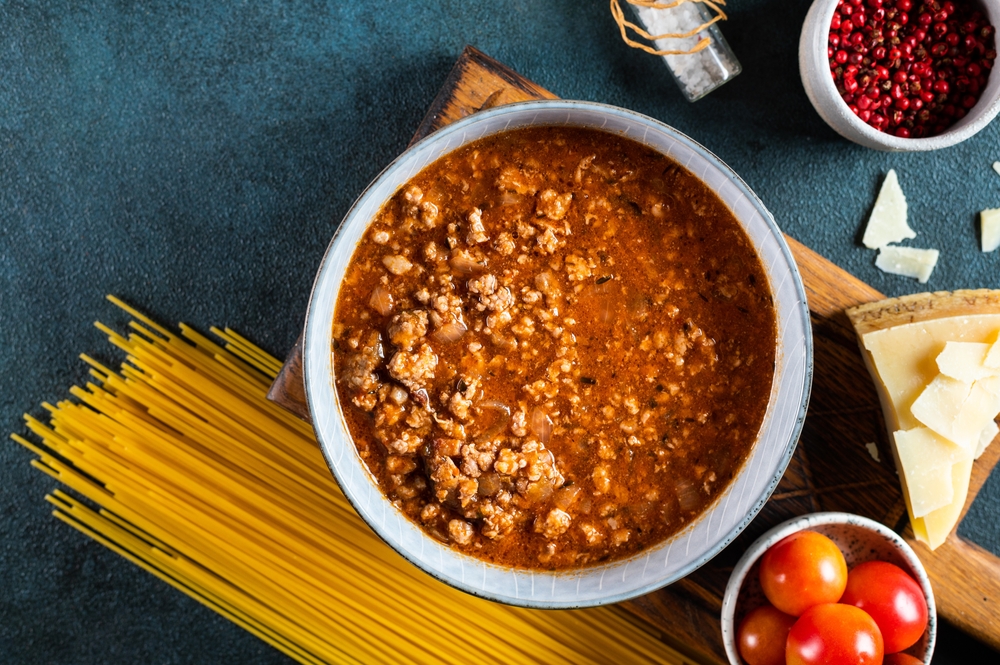
- Beef, e.g. beef burger, spaghetti Bolognese and cottage pie;
- Pork, e.g. sausages, bacon and ham;
- Lamb, e.g. lamb curry, shepherd’s pie and lamb kebab;
- Chicken, e.g. roast chicken, chicken pie and chicken nuggets.
Ask children to record the different meals and dishes that is made from beef, pork, lamb and chicken. Use the Meals with meat worksheet to help. For inspiration, ask them what they have eaten during the week. Children can share ideas.
Note: While some children will not consume meat, it is a useful part of learning to appreciate the source of food.
Meat resources for 5-7 years
Meat for 7-11 years
Activity 1 - Meat types and cuts
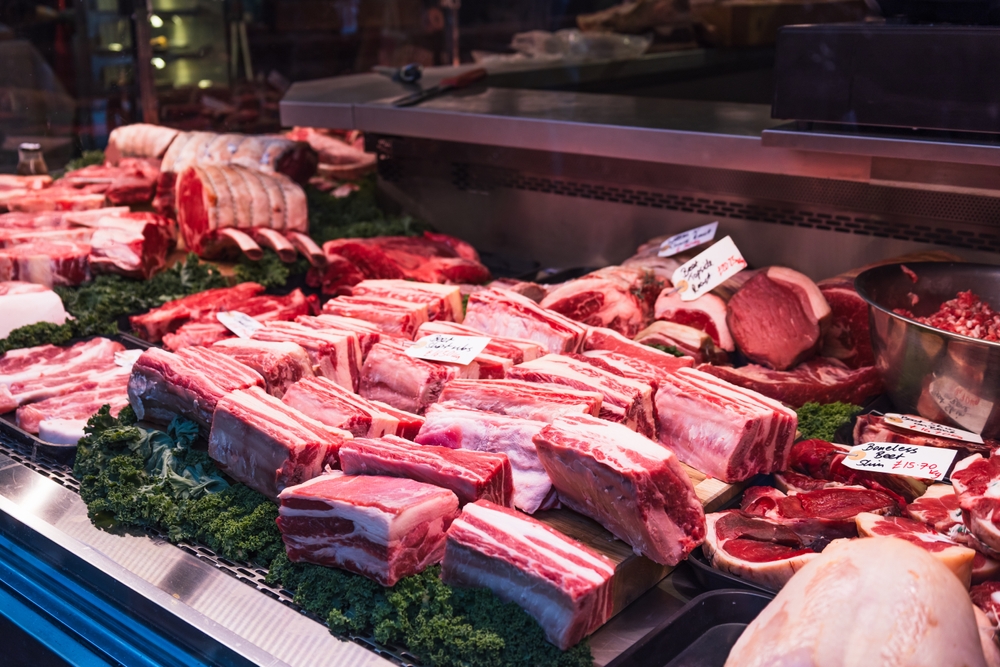
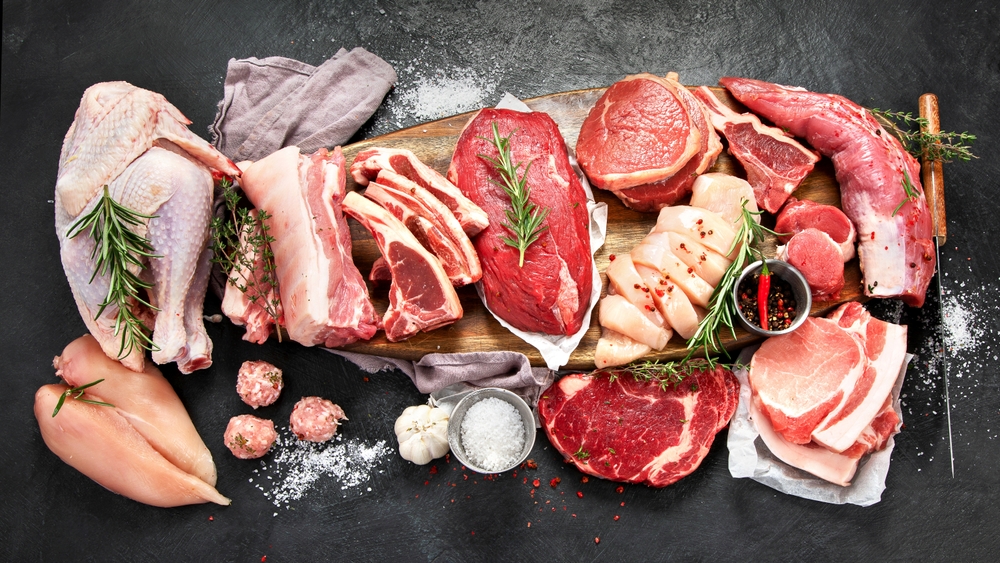
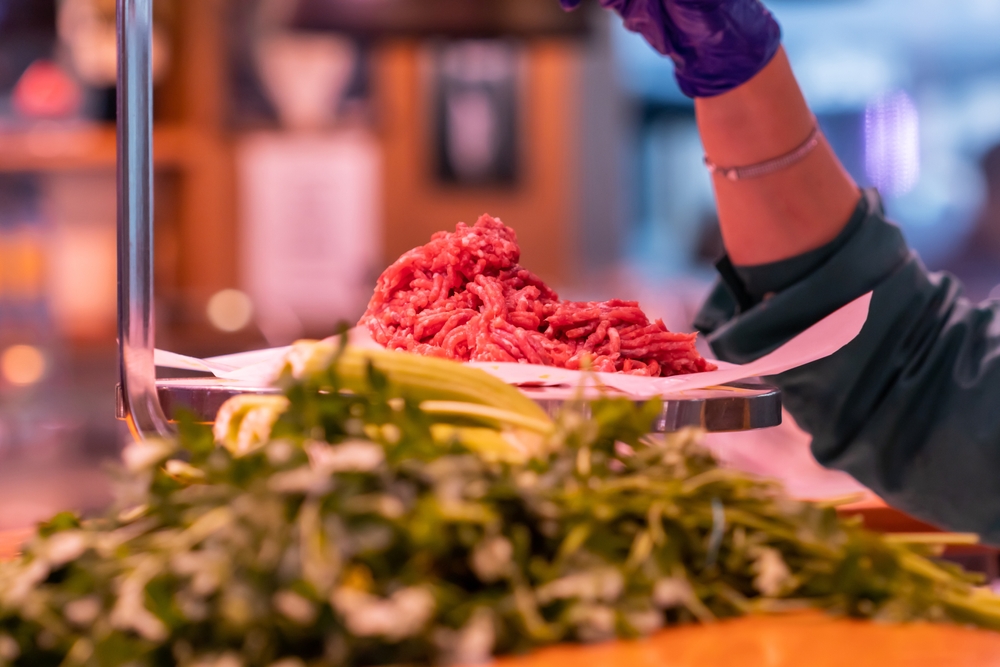
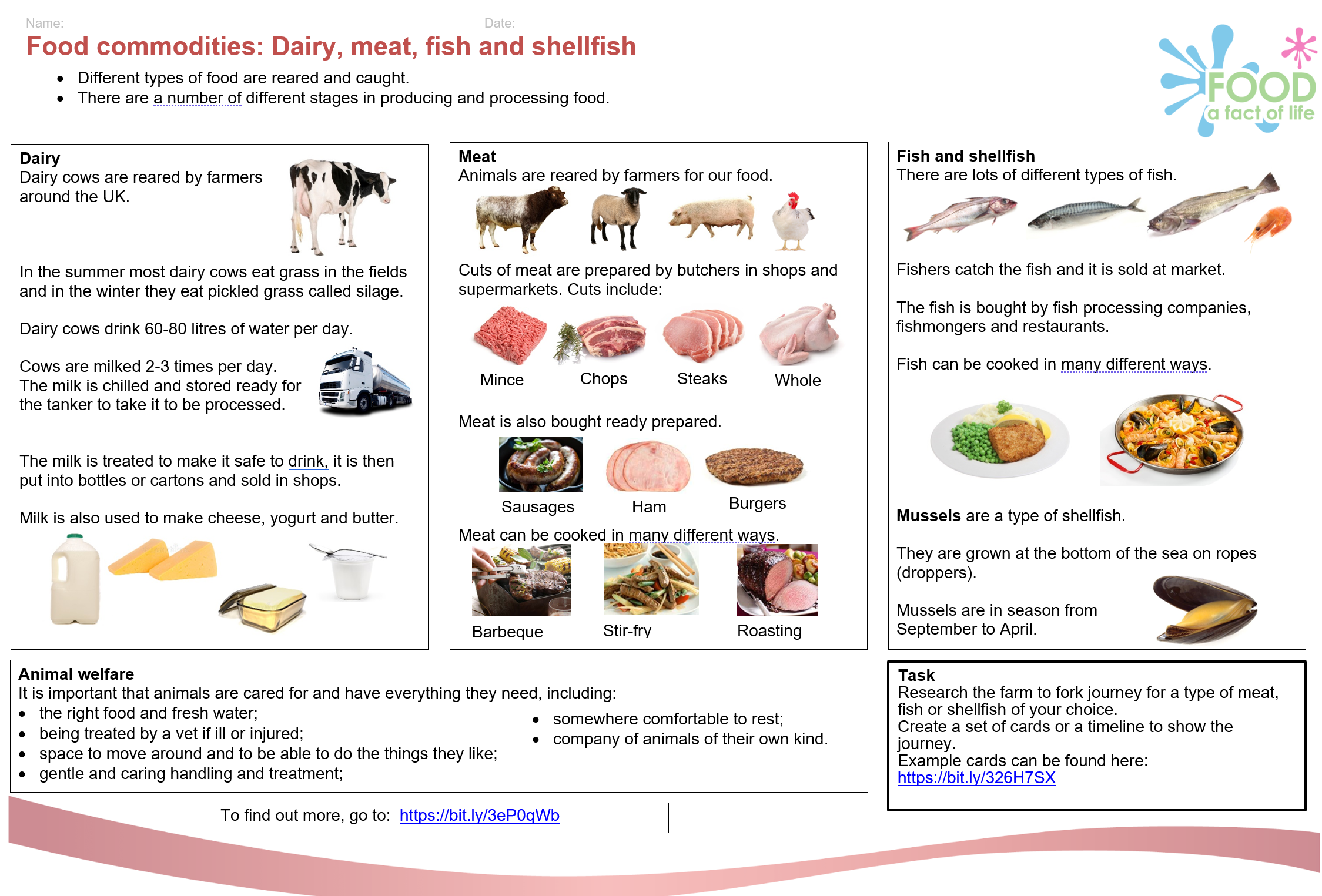
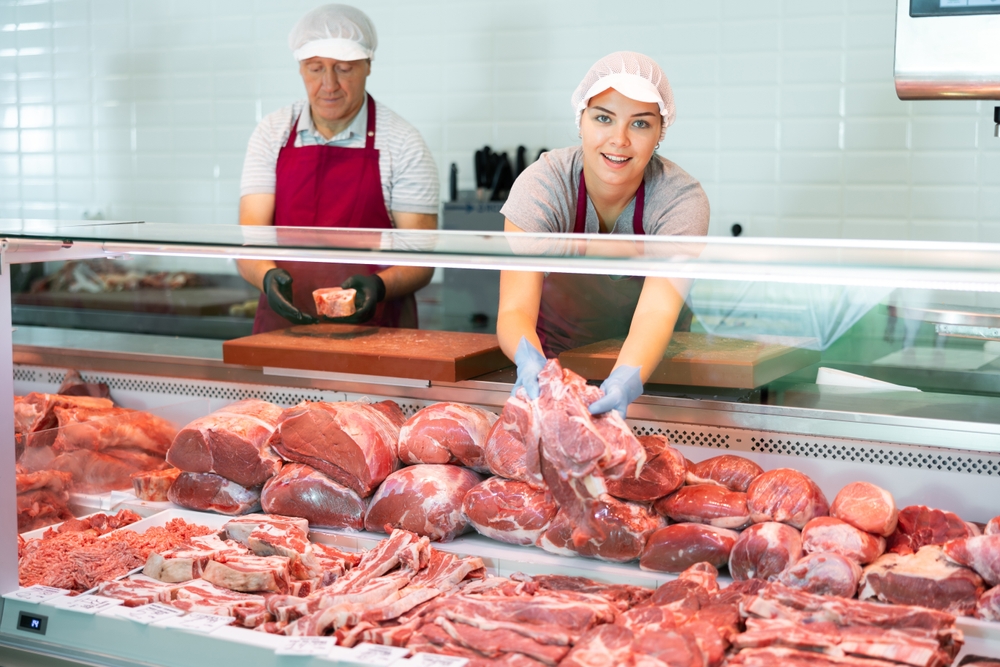
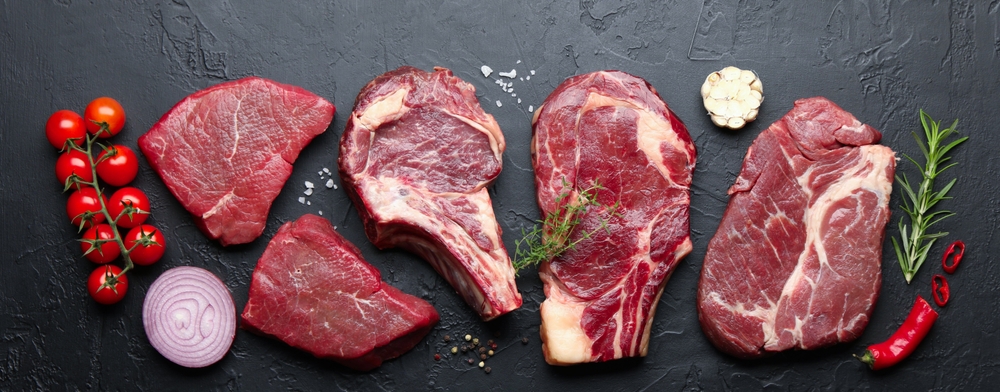
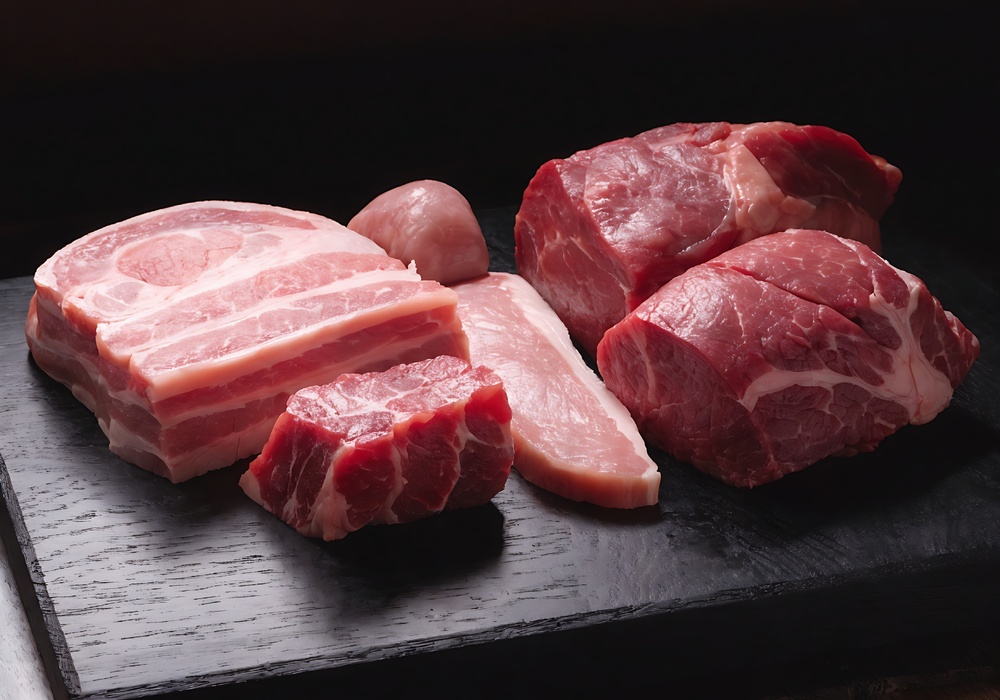
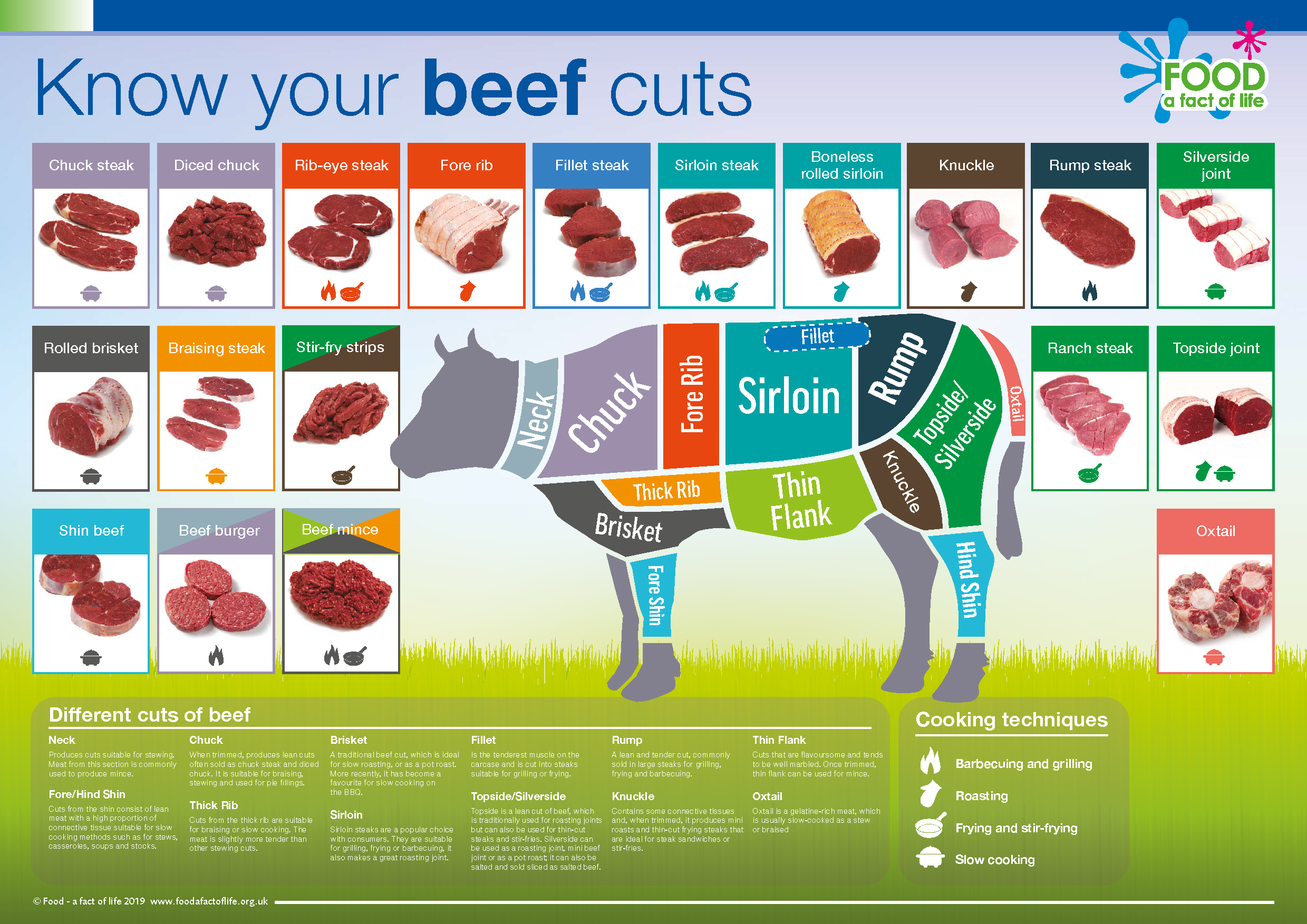
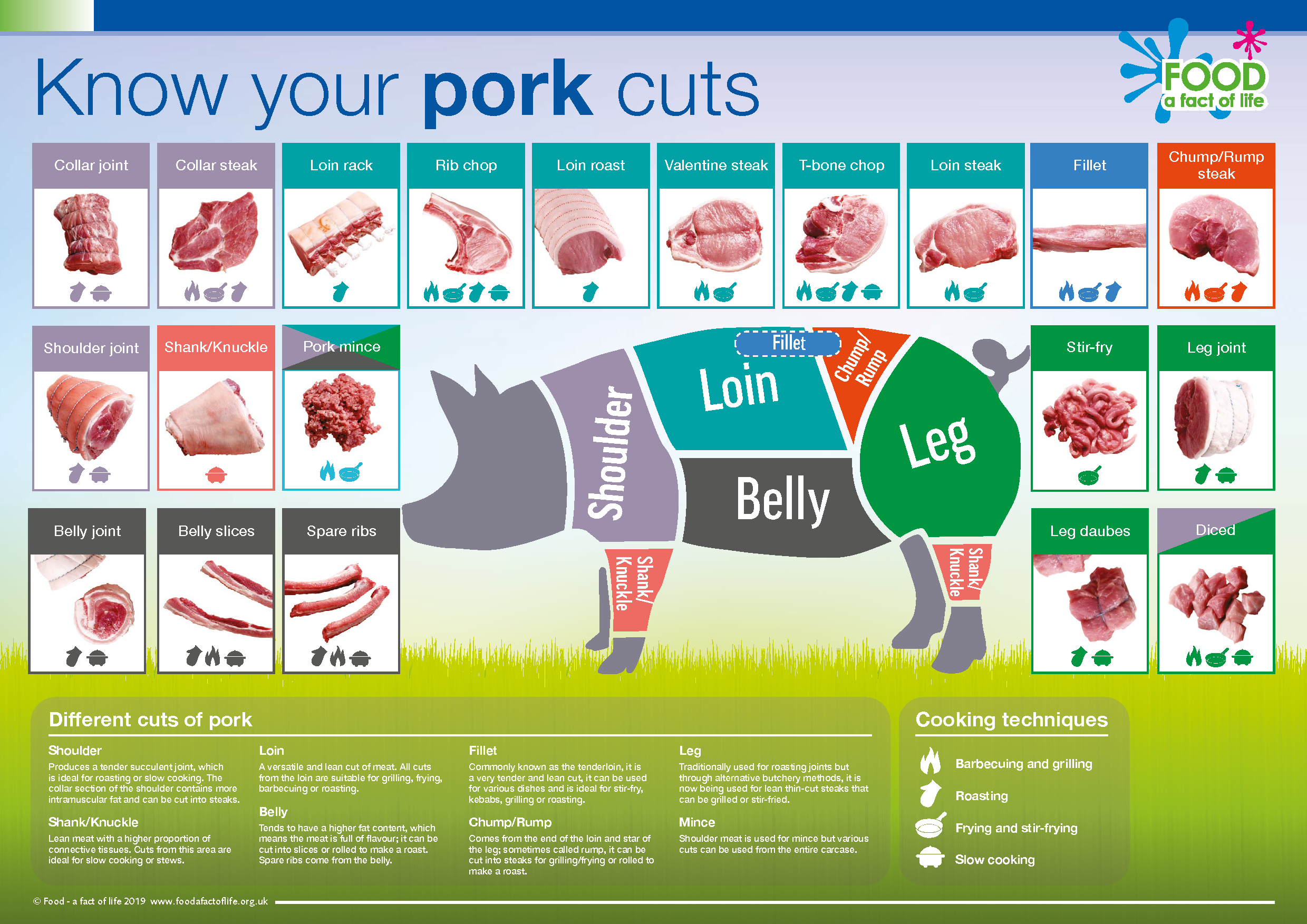
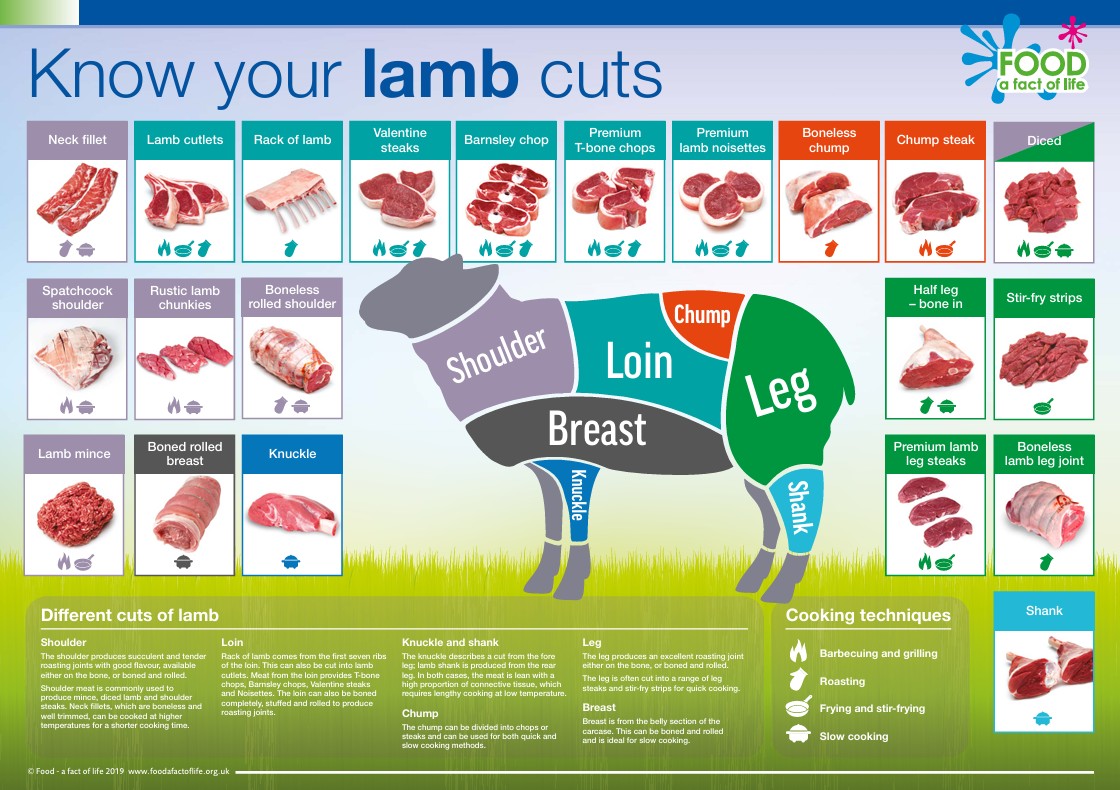
Show the children the Meat types and cuts presentation. Discuss how people purchase meat in the forms of cuts, joints or mince. Meat is also bought ready prepared, e.g. sausages, ham and burgers.
Question the children:
- Where is meat bought from?
- Ask them to name a range of meat types or cuts.
Explain to the children that meat comes from different parts of an animal. An easy way to describe this is to use the following examples:
- Leg of lamb;
- Chicken drumstick or leg;
- Pork belly.

Activity ideas
Using the Meat types and cuts presentation, ask children to complete the Meat types worksheet. The sheet asks them to link origin of different types of meat to the animal. In addition, children are challenge to suggest the uses in cooking for different cuts of meat.
Meat resources for 7-11 years
Activity 2 - Animals are reared for food
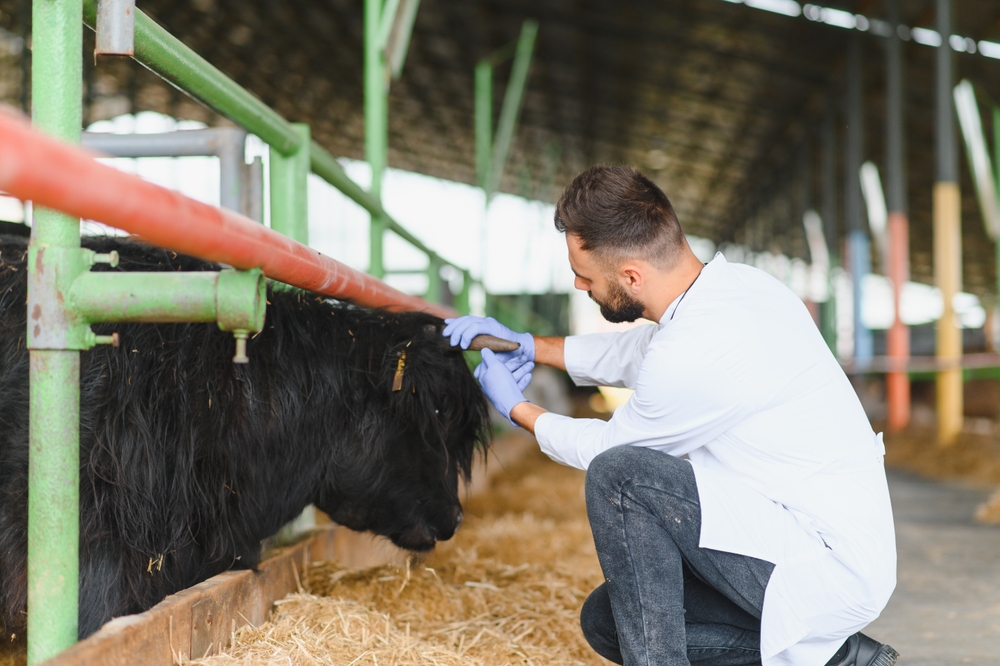
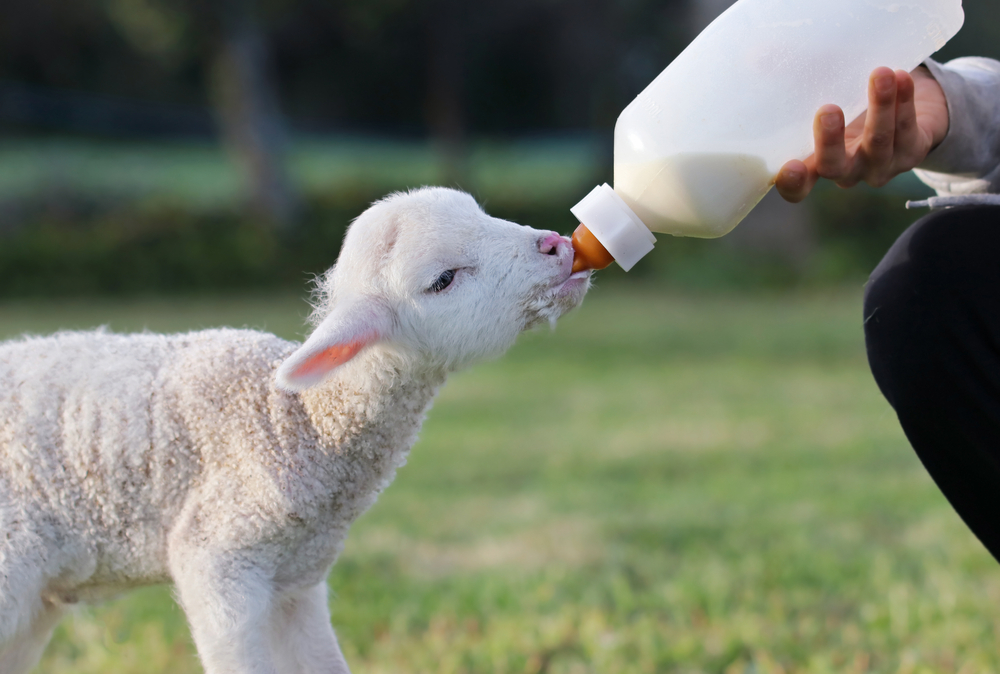
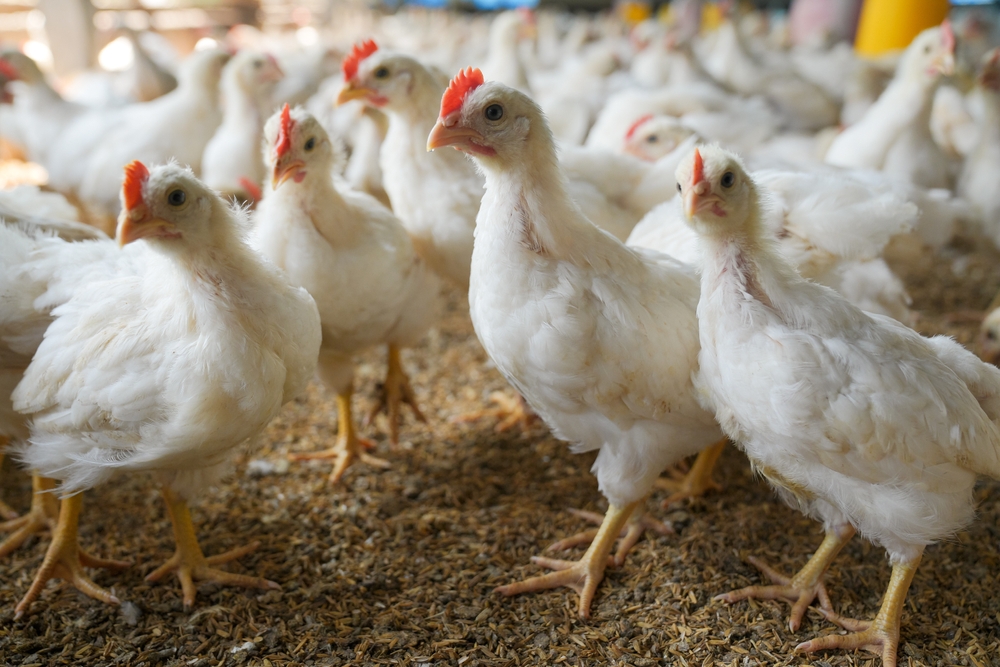
This activity focuses on animals being reared for food. Popular animals that are reared for food in the UK include beef cattle, pigs, sheep and chicken.
Show children the Rearing animals presentation. Take them through the ways in which animals are reared, as well as the different jobs that are undertaken by the farmer.
Explain to the children that knowing where the meat has been reared is important – this is called tractability. There are a number of schemes that operate which help to show where the meat is from, as well as the standards in which the animals are kept and raised.

Note: Most children at this age will be able to state that the animals are humanely killed for food. While a sensitive issue for some, it is important that children appreciate where food originates and how it is produced. Some children maybe vegetarian or vegan as they and their family do not believe in raising or consuming animals for food.
Rearing resources for 7-11 years
Meat for 11-14 years
This is meat
Key messages
The key messages of the session include:
- Red meat eaten in the United Kingdom (UK), comes mainly from: cattle (beef), pigs (pork) and sheep (lamb).
- Lean meat is the muscle tissue of animals which is made up of bundles of muscle fibres held together by creamy white connective tissue.
- Connective tissue is made up of two proteins called collagen and elastin.
- Two different types of fat can be found in meat, visible and invisible.
- The colour of meat varies due to the red protein called myoglobin and some haemoglobin remaining in the muscles. Exposure to oxygen increases the red colour of meat.
- Lean meat consists of water, protein, fats, vitamins and minerals.
Classroom activities
- Use the presentation to complete the worksheet This is meat.
- Ask groups of students to research different cuts of meat and ask them to record their findings on the worksheet Let’s look at red meat.
- Take a class survey on the amount and different types of red meat eaten over a period of one week. Discuss the most popular choices and aspects of food choice made by the class.
- Begin using the Glossary worksheet to build the students vocabulary.
This is meat resources for 11-14 years
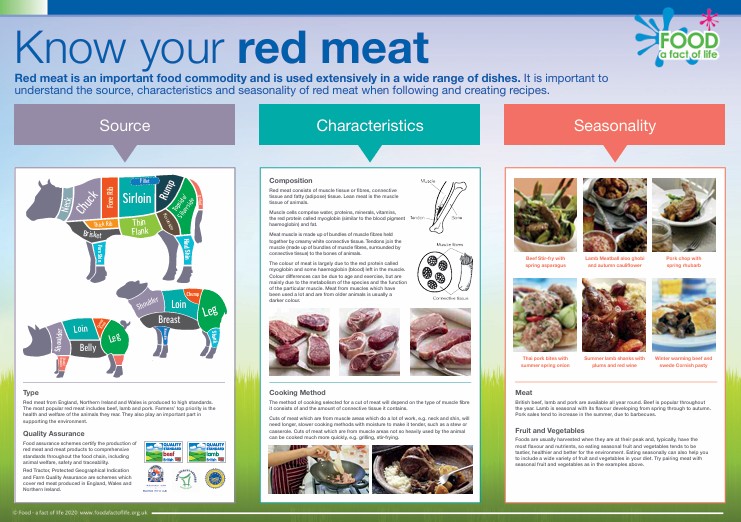
Meat types and cuts
Key messages
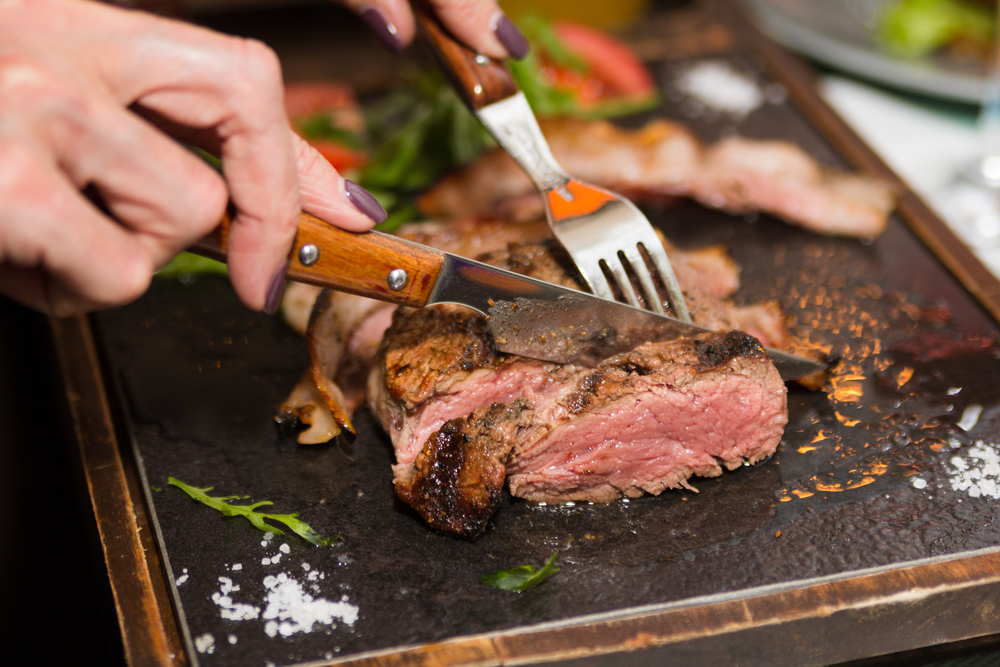
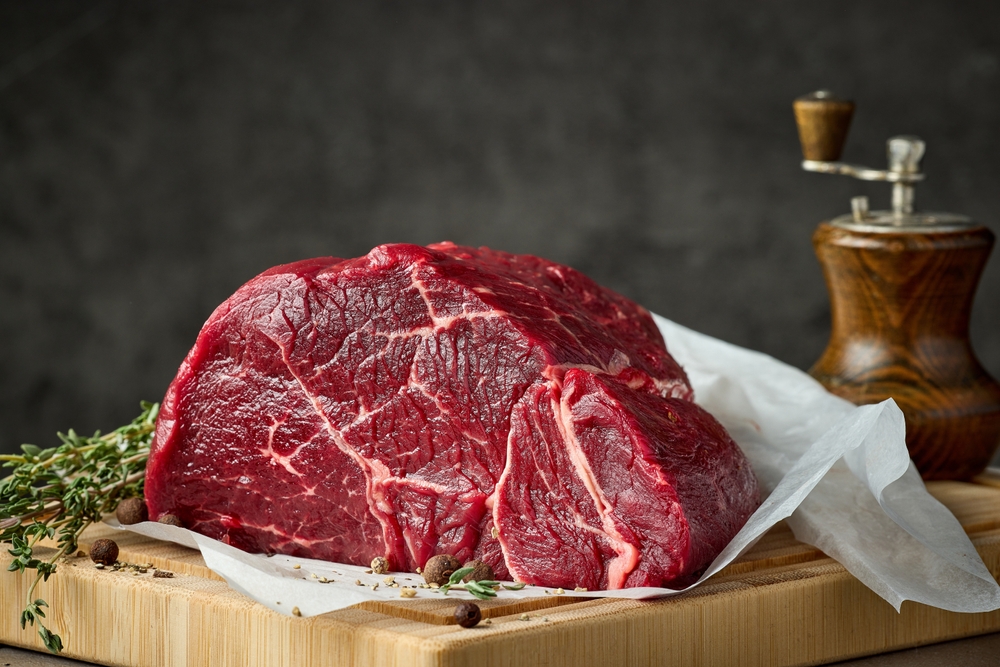
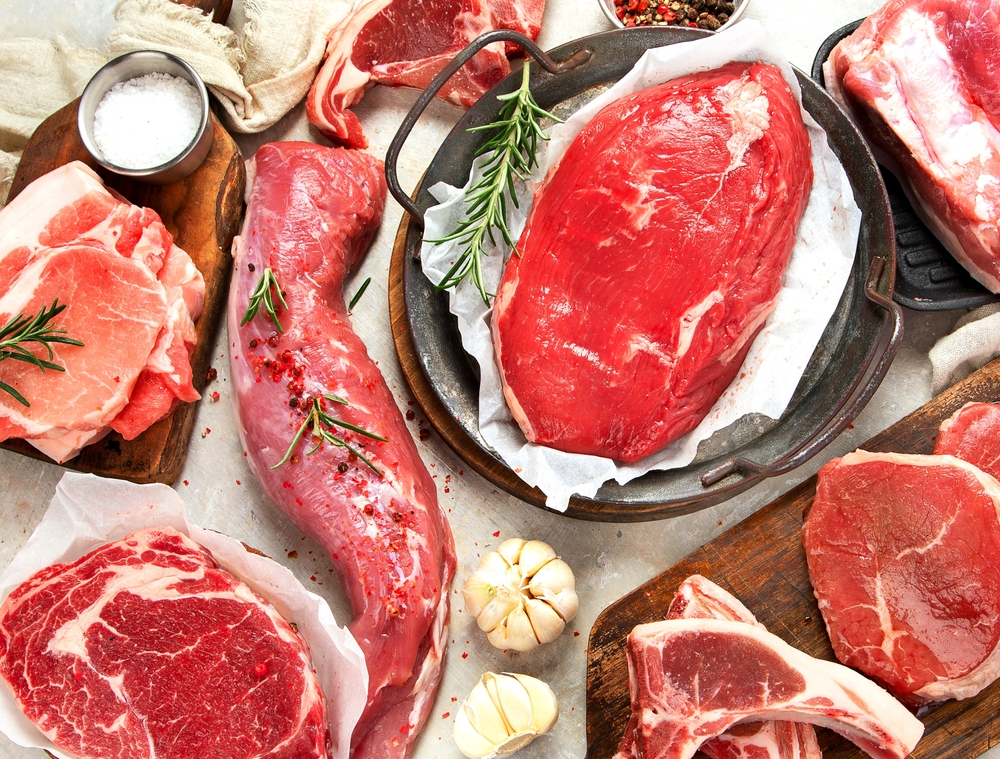
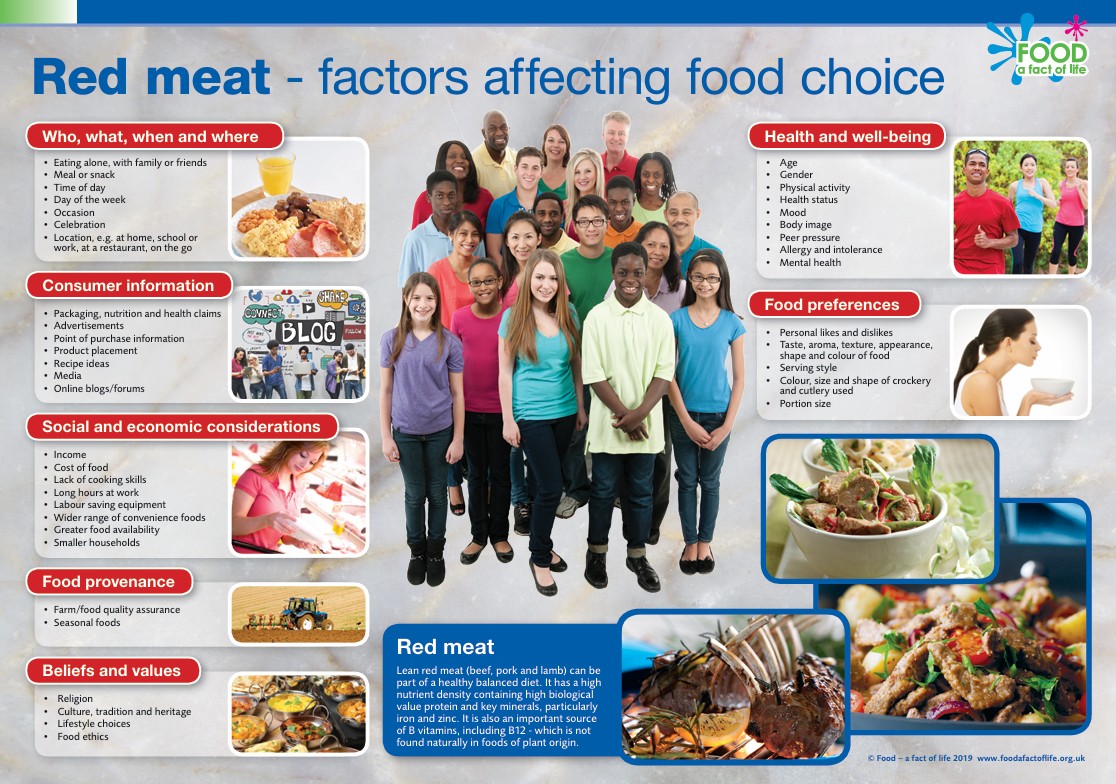
- Meat is available to buy in the form of cuts, joints or mince. It is also available ready prepared, e.g. sausages, ham, burgers.
- The variety of cuts of meat available to the consumer provide choice, are convenient to prepare, simple to store and easy to cook.
- Different cuts of meat have different characteristics, e.g. energy and nutrients, composition, weight, size and appearance.
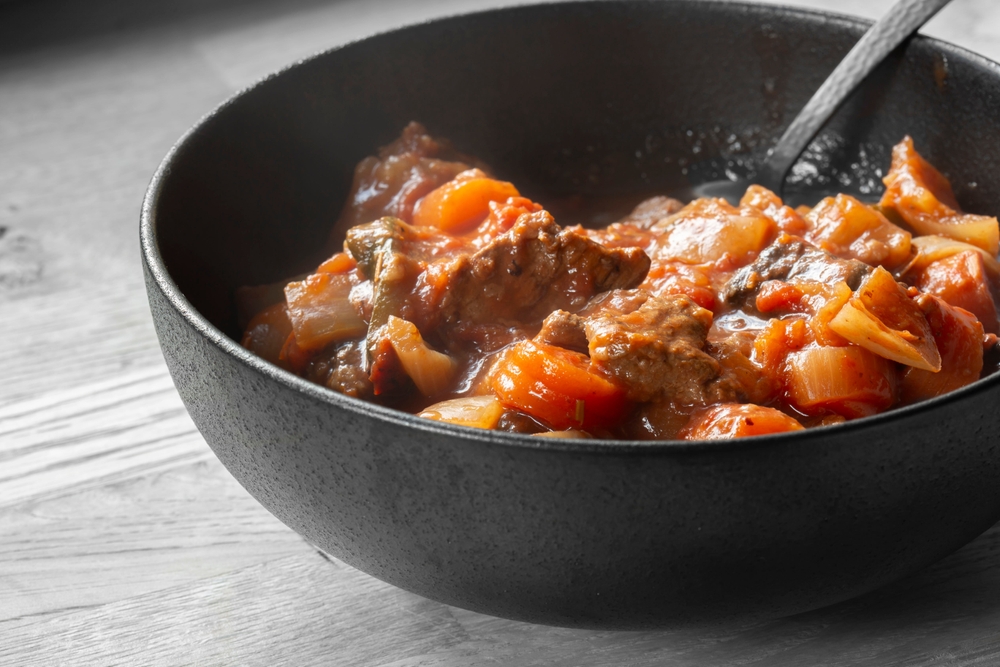
- Because of where the cut of meat comes from on the animal, different cuts require different cooking methods, e.g. slow (casserole), quicker (stir-fry).
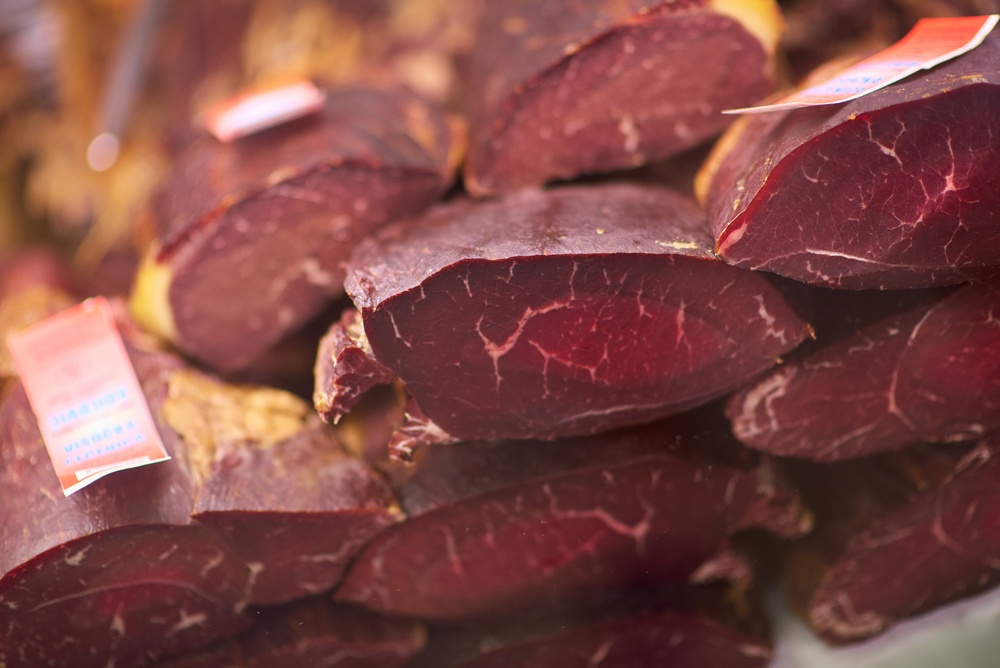
- To add choice and variety, pork is cured. Offal is also available to be used in a range of popular dishes, e.g. liver and bacon.

Classroom activities
- Ask the students to complete as many questions as possible on the note sheet Meat types and cuts before viewing the presentation. Students can complete the note sheet whilst viewing the presentation.
- Use the Meat today worksheet to research different meat recipes and identify the different types of meat available for use in cooking.
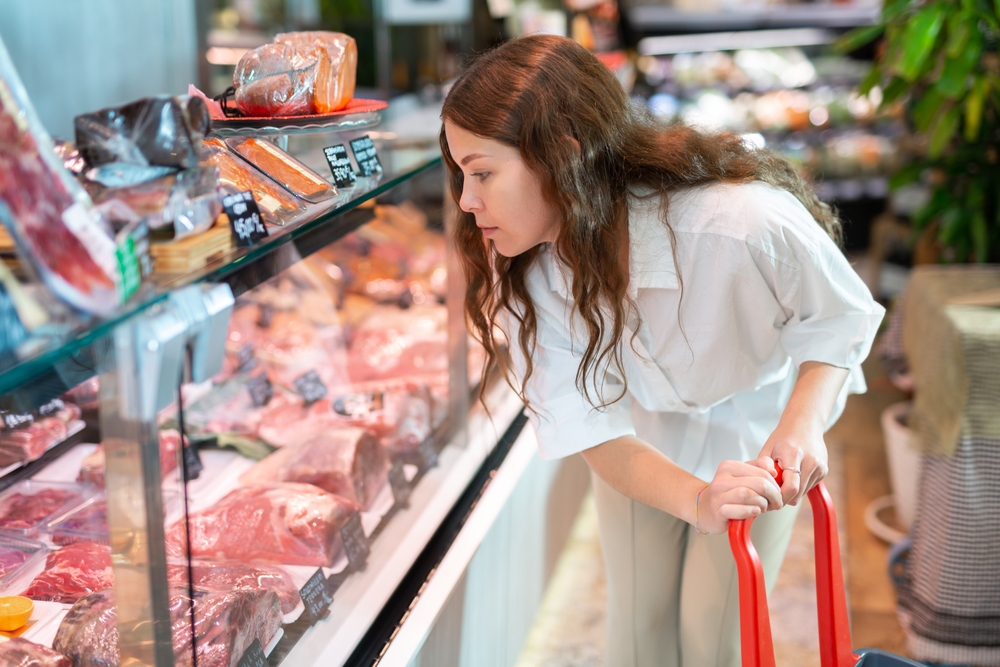
- Conduct a survey of a butcher’s window or in a supermarket counter, to identify the number of different meat types and cuts available.
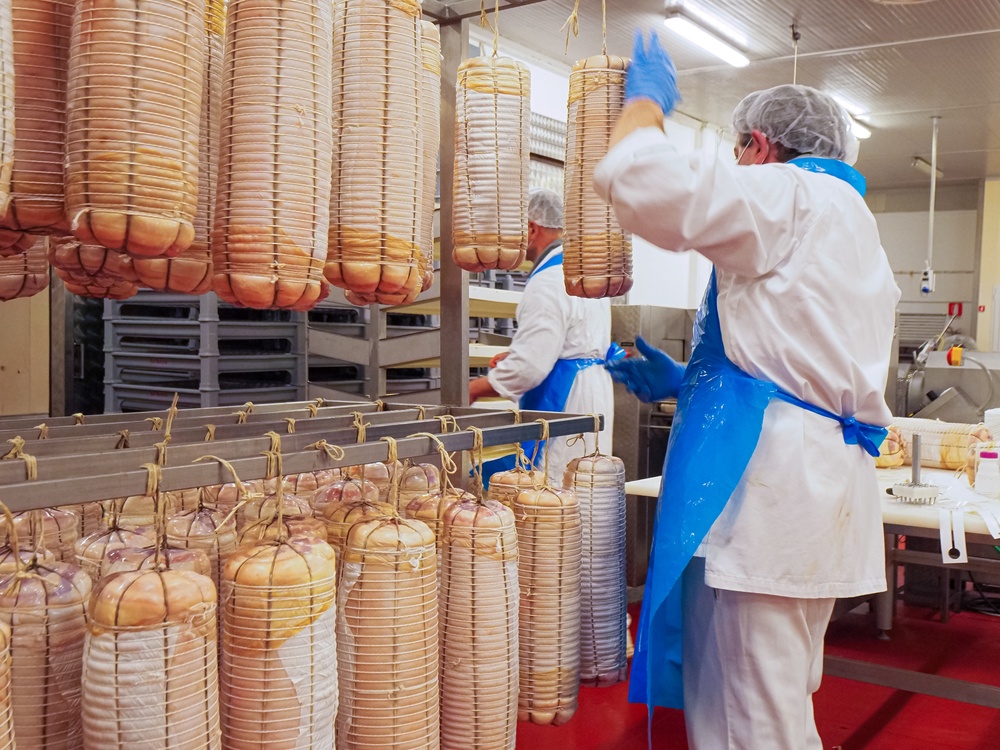
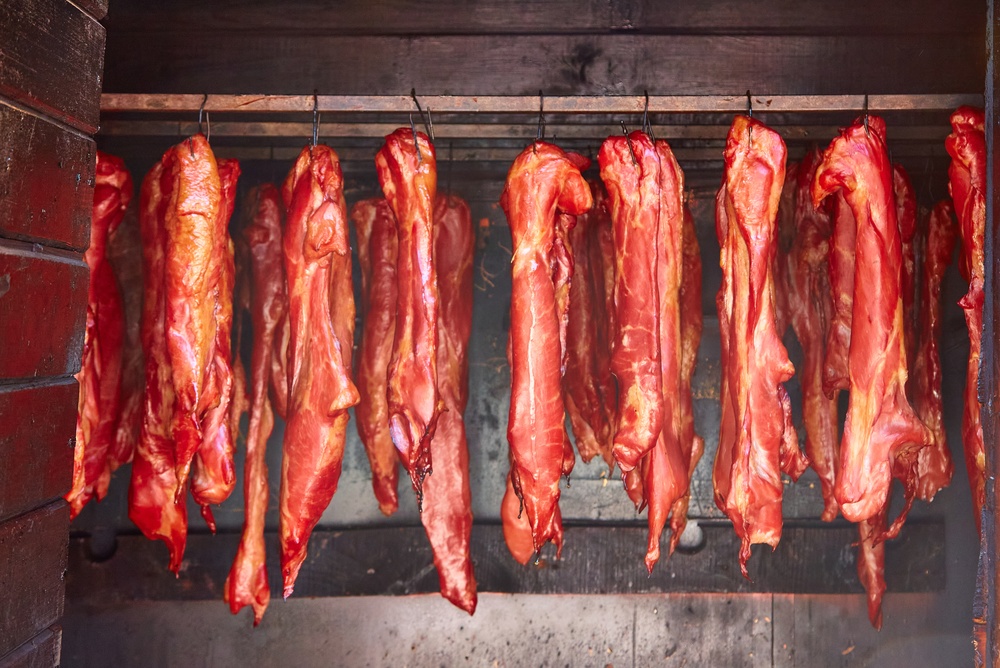
- Investigate the process of curing and smoking meat.
- Students could work in groups to complete the activity Meat for my meal.
Meat types and cuts resources for 11-14 years
Meat storage and preparation
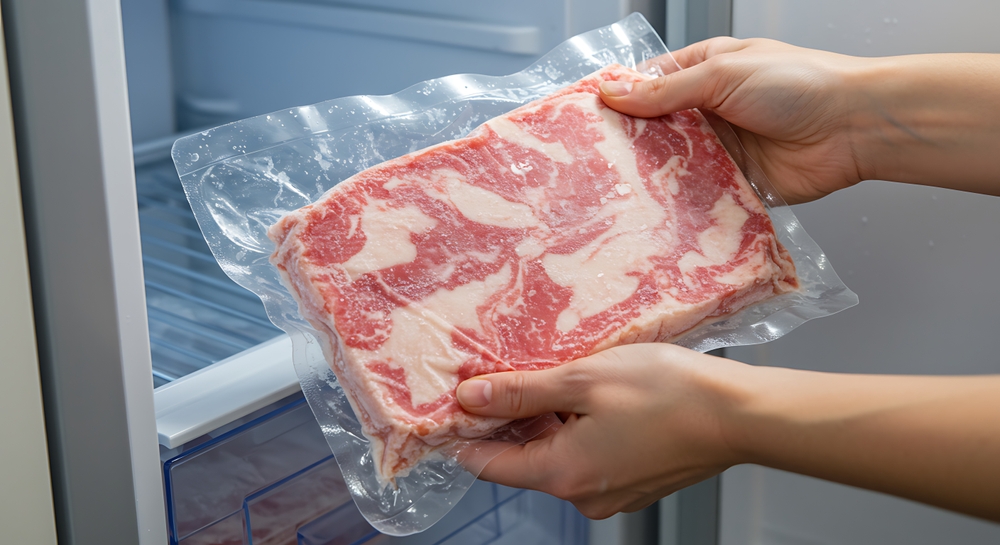
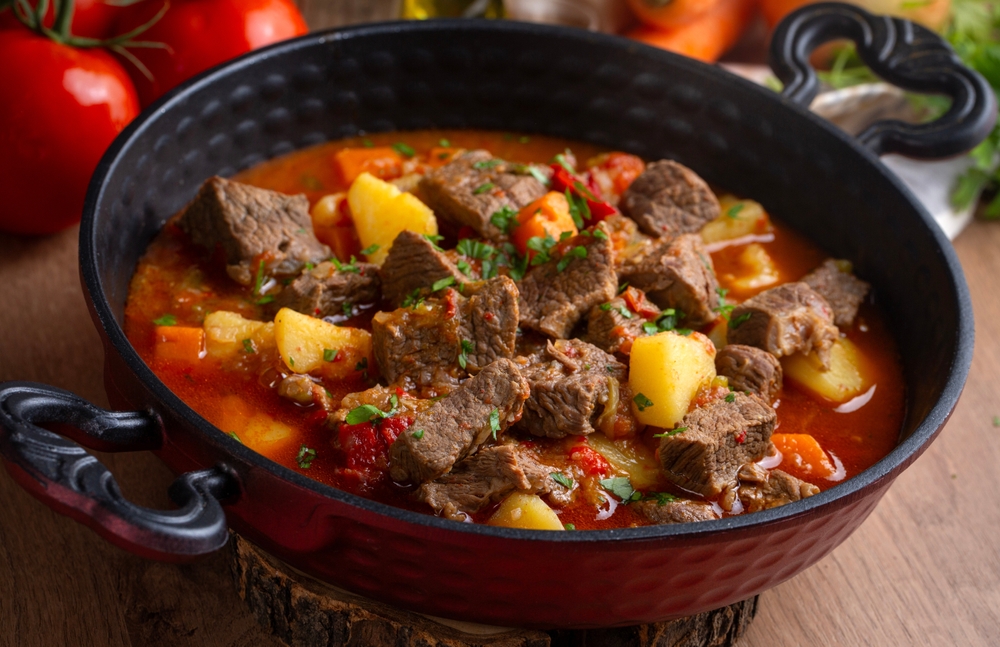
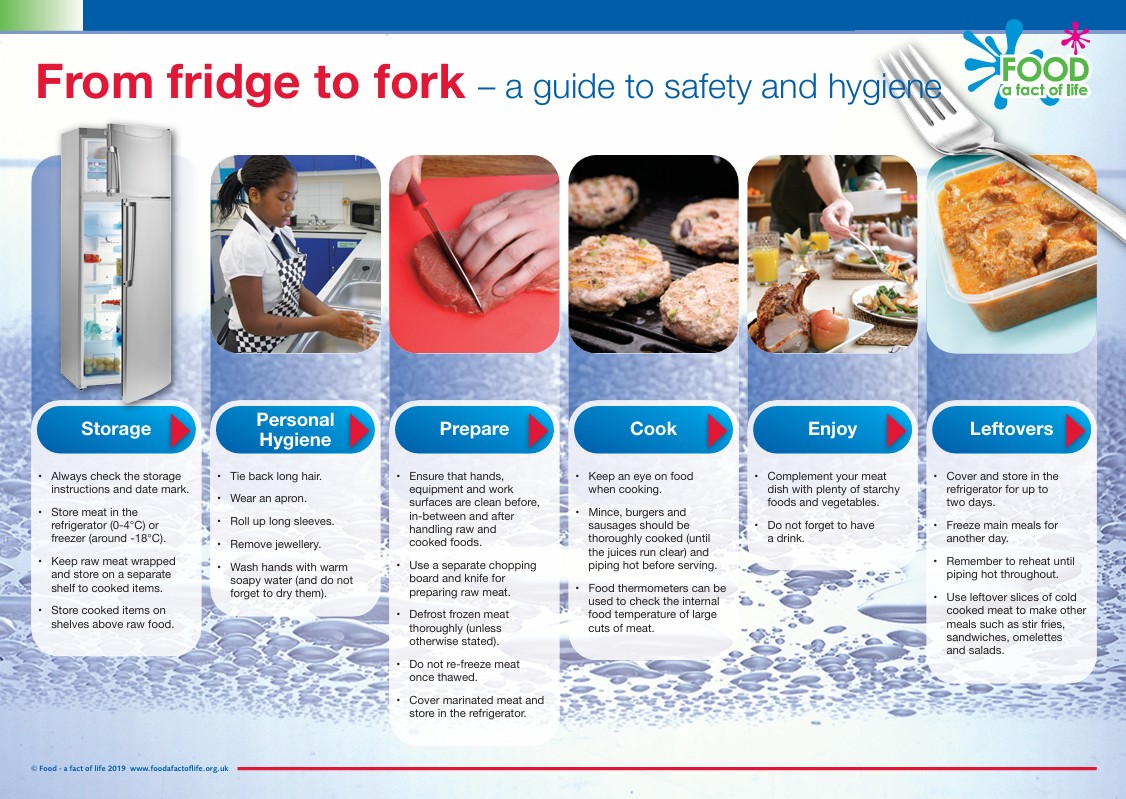
All food needs to be stored and prepared safely. New developments in preservation and packaging of meat have lead to a greater variety and range of fresh meat and meat products.
Preservation and packaging can help to prevent food deterioration and food poisoning. For wise consumers, this is economical and also reduces food wastage. A sound knowledge of different preparation and cooking techniques for meat will also improve the quality and flavour of products and meals.
This section explains the different methods of food preservation, and how the different methods affect the texture, colour and flavour of meat meals.

Key messages
The key messages of the module include:
- Food preservation is important to increase the shelf life of products.
- Shelf life depends on: water; acidity; hygienic handling; methods of preservation.
- Convection is where currents of hot air or hot liquid transfer the heat energy to the food.
- Conduction is where heat is transferred through solid objects by the vibration of heated molecules.
- Radiation is where heat is transferred from a heat source in the form of rays which travel quickly in straight lines.
- Meat can be tenderised by physical action, enzymes or acids and marinades.
- Meat changes colour during food preparation when the pigment myoglobin changes.
Classroom activities
- Use the presentation to complete the worksheet Meat storage and preparation.
- Ask groups of students to complete the worksheet Cooking with red meat. Following completion of the worksheet, ask students to identify ways of reducing fat in each of the selected recipes.
- Review the recipes cooked in class and ask them to identify which method of heat transfer would be used.
- Ask students to take note of the different types of food packaging they used over one day. Compare and discuss results in the classroom.
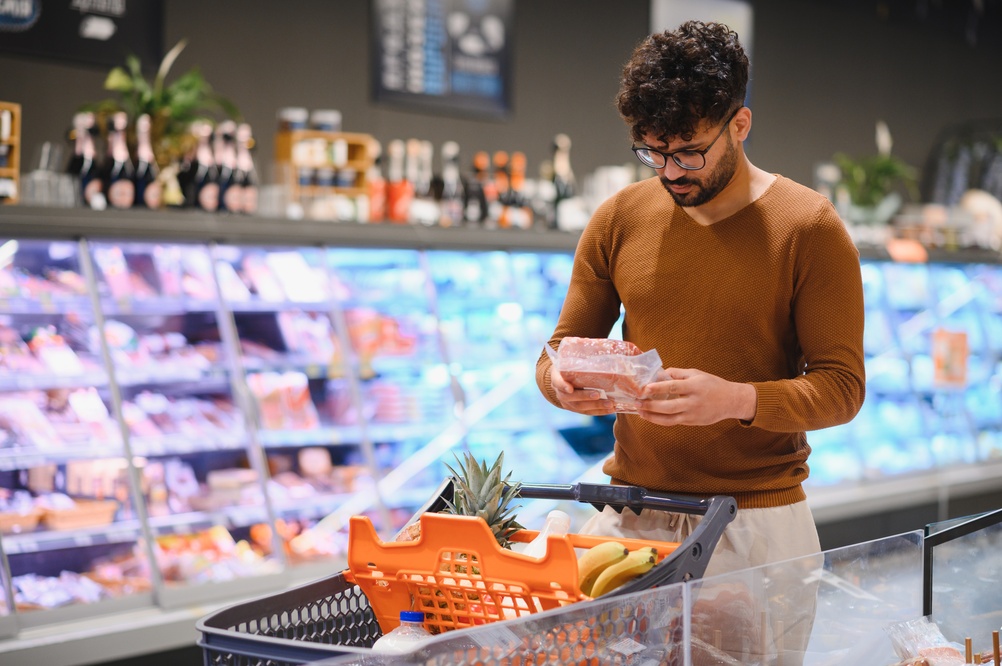
- Assign students the homework task of identifying five different types of packaged meat in the supermarket. Students could record the type of packaging and the date marks found on these.
Meat storage and preparation resources for 11-14 years
Meat and the consumer
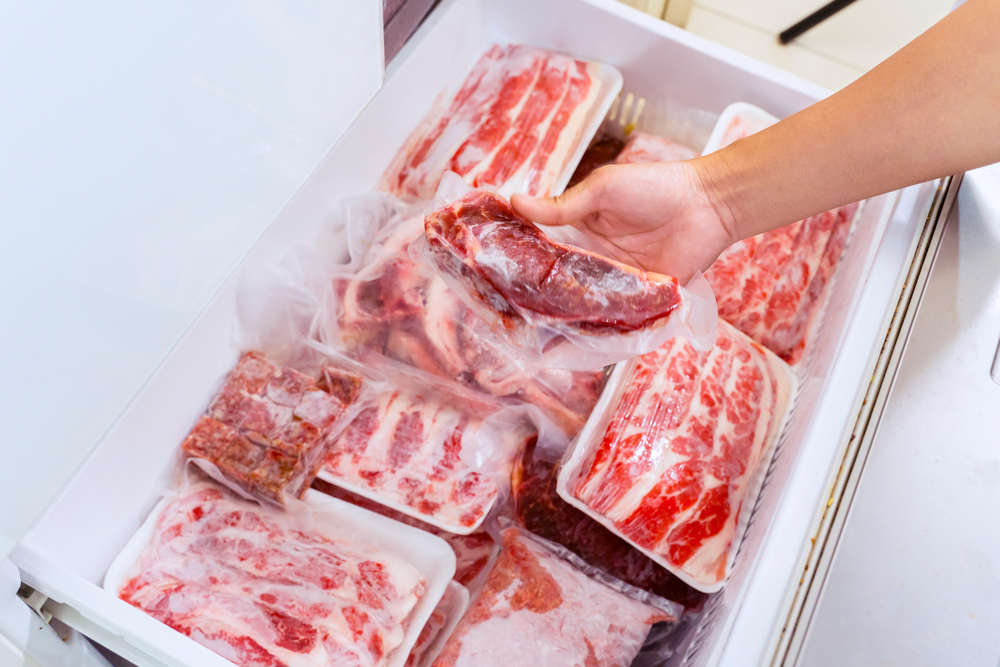
A consumer is the user or buyer of a service or product. A retailer is the person or organisation who sells goods to the public from premises such as shops and supermarkets. Meat is a food commodity sold by retailers to consumers.
Most consumers have particular likes and dislikes. Retailers offer consumers a range of products to choose from. Consumers therefore have to make decisions and choices such as:
- What they want to buy and why
- Which product will best meet their needs
This module is about the different factors that consumers need to take into consideration.

Key messages
- A consumer is the user of buyer of a service or product. A retailers is a person or organisation who sells goods to the public from a premises.
- A range of considerations affect consumers choice of meat and the cut of meat.
- Market research companies provide information on factors influencing consumer product choice and trends in purchasing.
- Meat is available to purchase from butchers and supermarkets. Different opportunities and constraints apply to each retailer.
- Food labelling provides consumers with essential product information. There are legal requirements for labelling on food products.
Classroom activities
- Ask students to conduct their own market research by completing the worksheet Survey of meat purchased. Students could create graphs using the information collected. Students could repeat the survey during a different season of the year to determine any seasonal differences.
- Challenge students to design consumer-friendly packaging for a meat dish they will be making. Ask the students to ensure they have included the legally required labelling information.
- Invite a local butcher as a guest speaker to explain more about his job and the support he provides consumers.
Meat and the consumer resources for 11-14 years
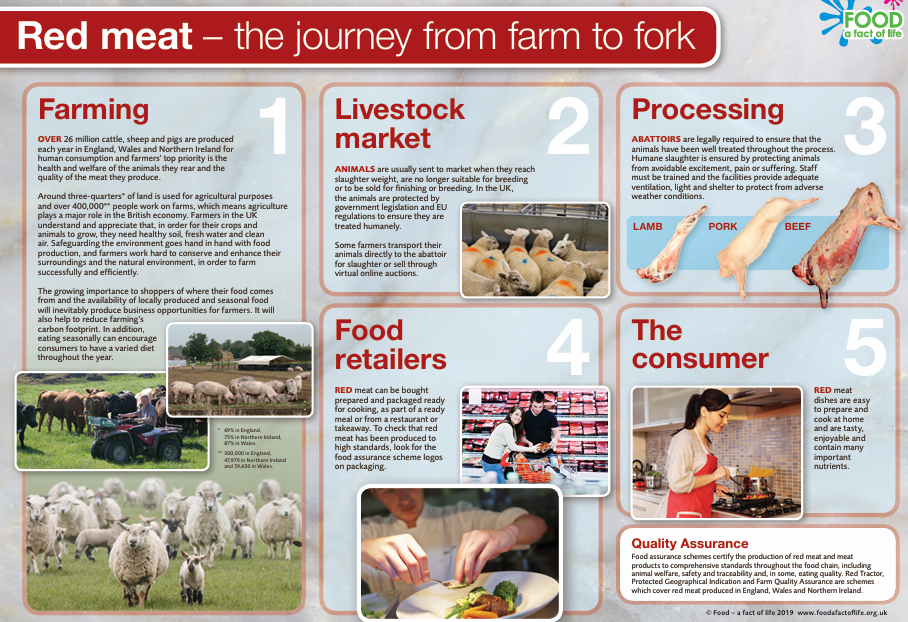
Livestock farming
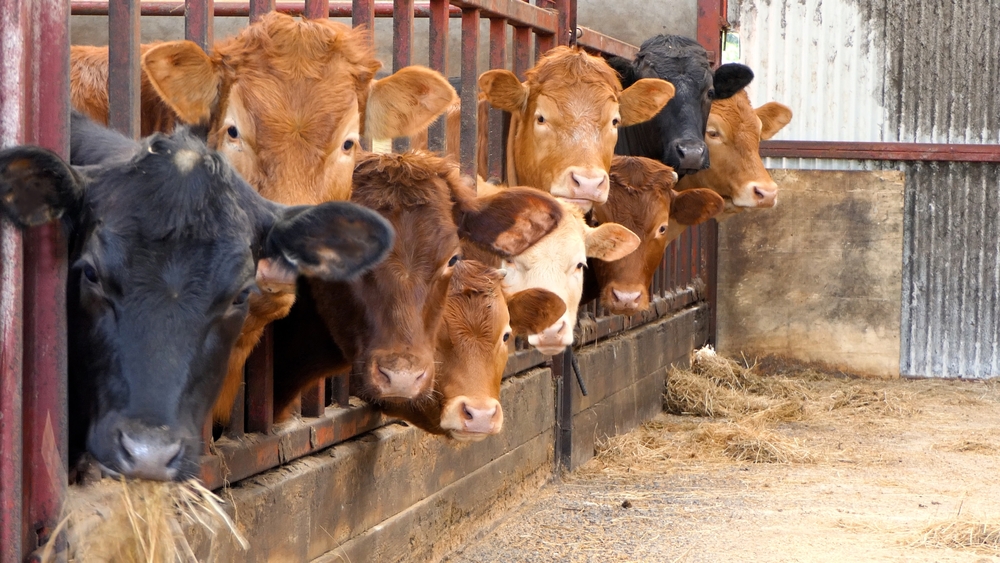
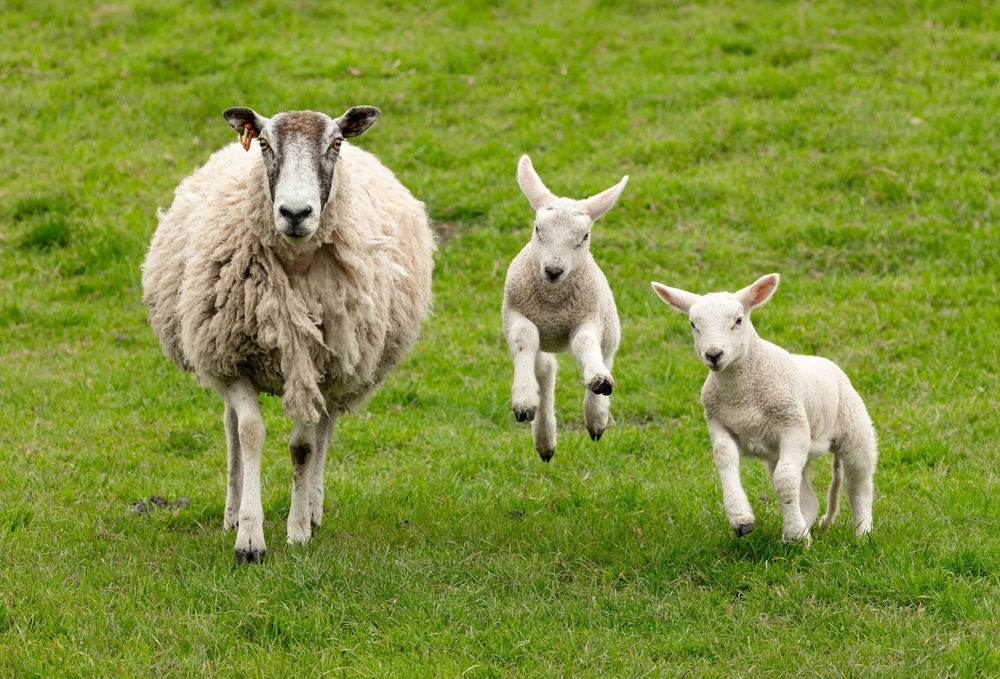
Livestock farming for meat production has been an established industry in England, Northern Ireland, Scotland and Wales for many years.
Over the years farming techniques have been altered and modernised. Animal health and welfare, and sustainability remain high priorities for farmers. Animals have been bred to produce leaner meat which has a positive impact on our diet and health.
This module contains an overview of information on how cattle, pigs and sheep are farmed.

Key Messages
- Cattle, pigs and sheep have been farmed for many years in England and Wales.
- Livestock are bred to produce lean meat which benefits consumers as part of a health balanced diet.
- The different animals have different lifecycles, however the health and welfare of all animals is a top priority for livestock farmers.
- Livestock may graze outdoors in summer, however many animals are housed in sheds during the winter to protect them from bad weather.
- Livestock housing must meet certain criteria, have good ventilation and allow the animals to move and be sociable.
- Farmers also ensure that maintaining the environment is a priority.
- The Red Tractor scheme sets out strict guidelines for farming and reassures consumers about standards of production, welfare and origin.
Classroom Activities
- Use the presentation to assist the students in completing the two worksheets.
- Set students the task of creating a diary of a farmer’s day on the farm. Alternatively, set students the task of creating a diary of a cattle, pig or sheep’s day on the farm.
- Arrange the class to visit a farm, or alternatively, a farmer to visit the class.
- Challenge students to create flow diagrams of the different life cycles of cattle, pigs and sheep.
Livestock farming resources for 11-14 years
Meat for 14-16 years