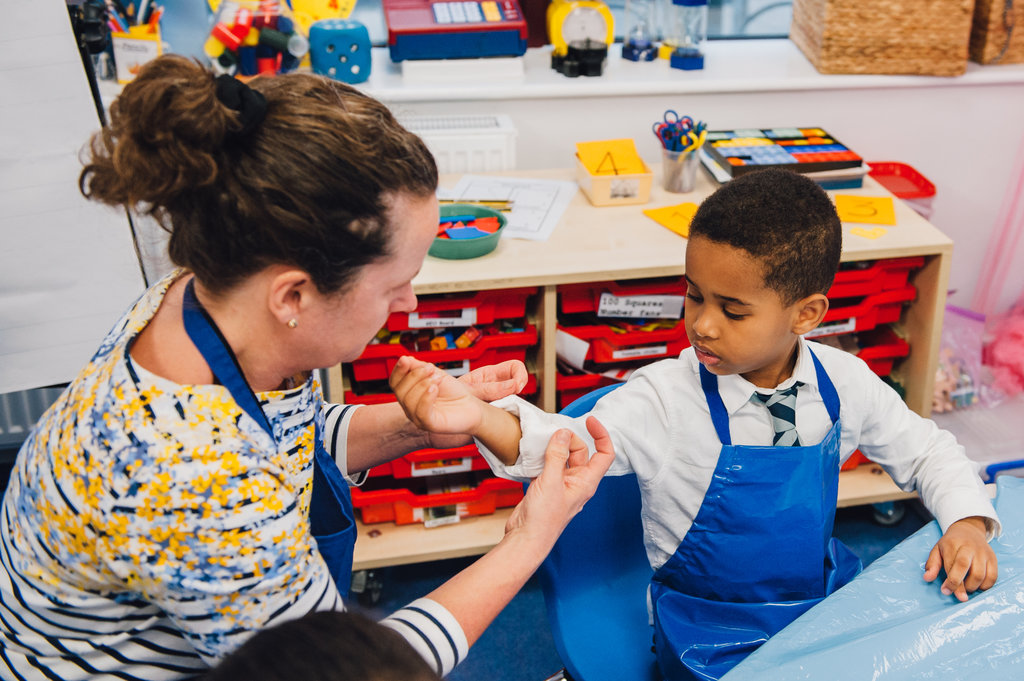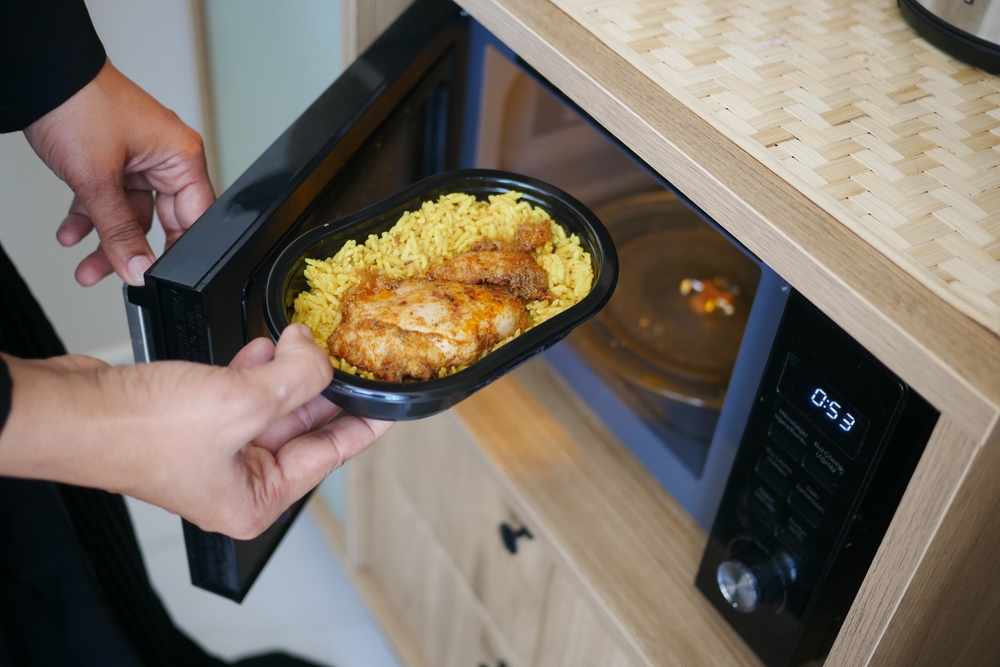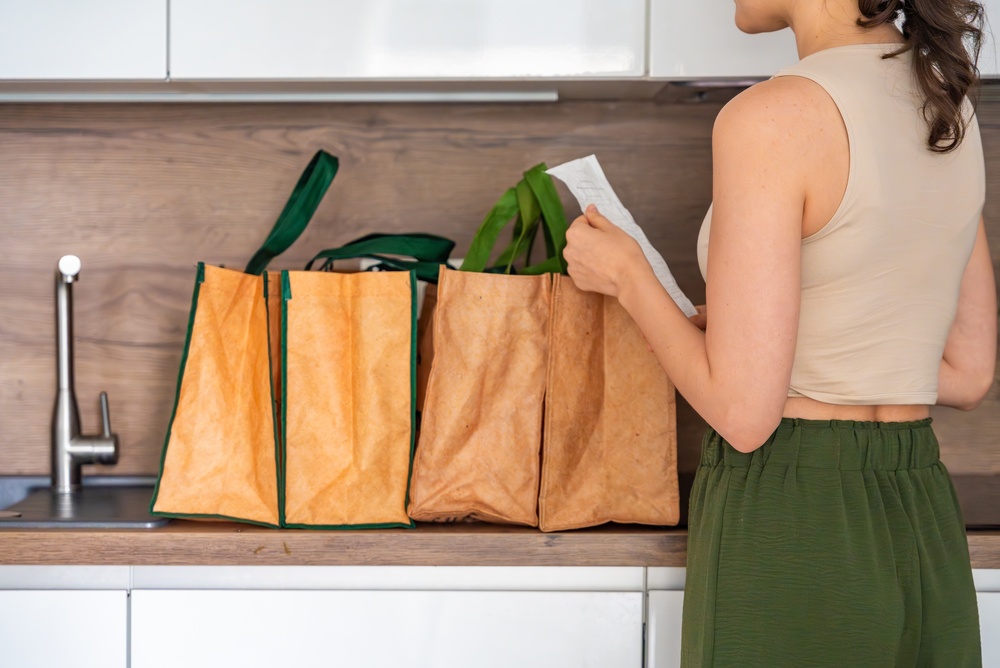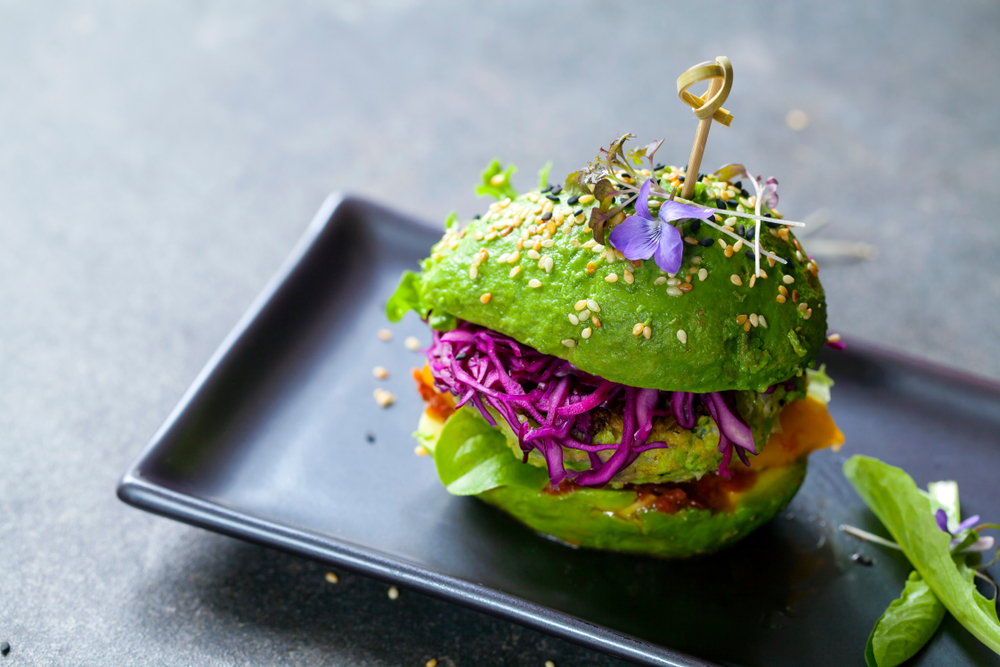



Draw four columns on the board headed: Breakfast, Lunch, Evening meal and Snacks.
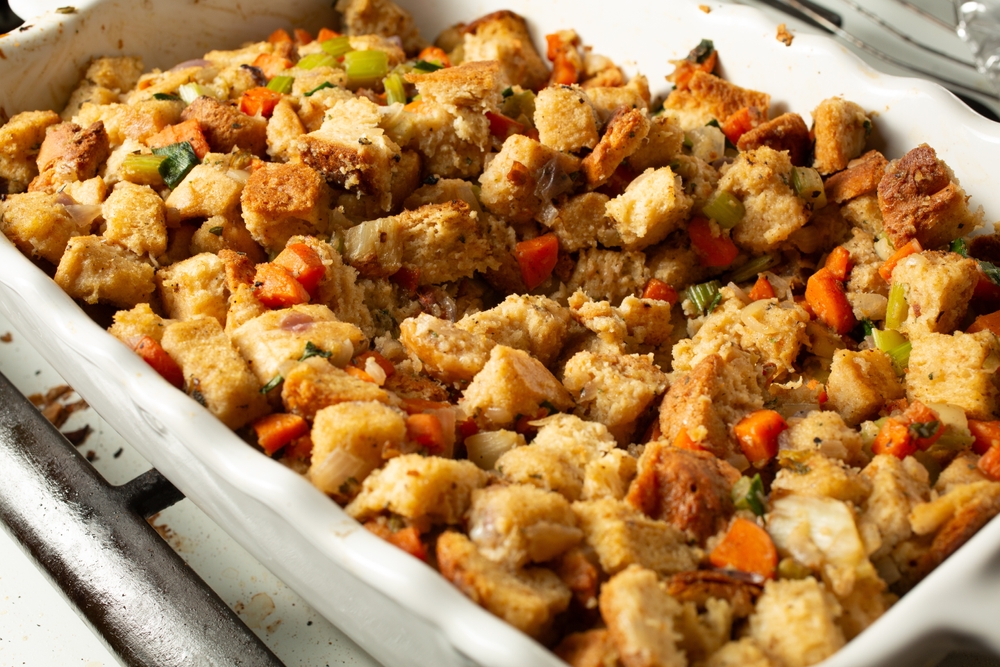
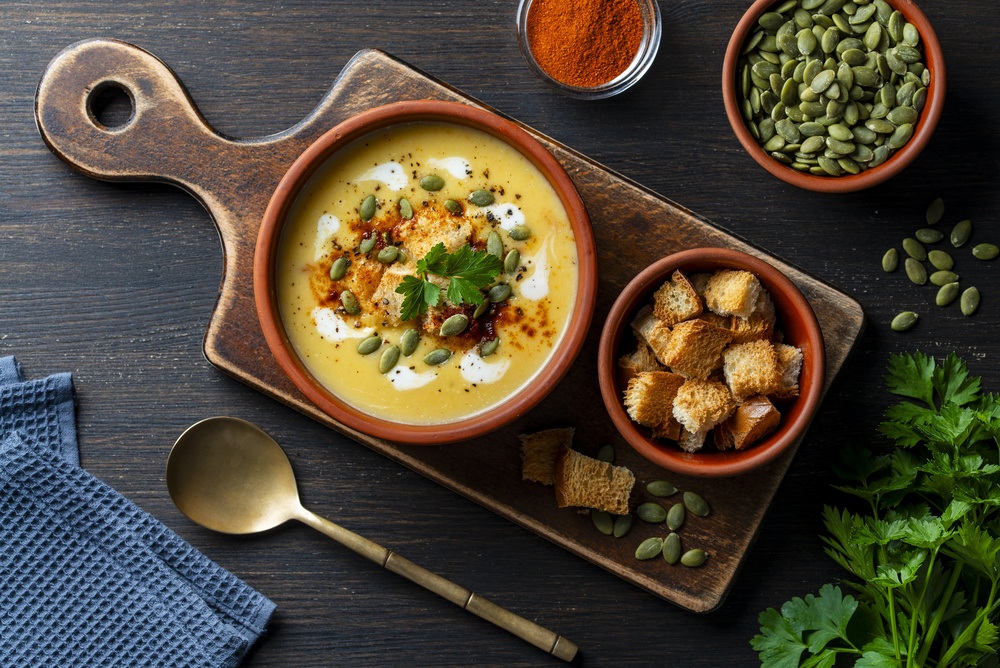
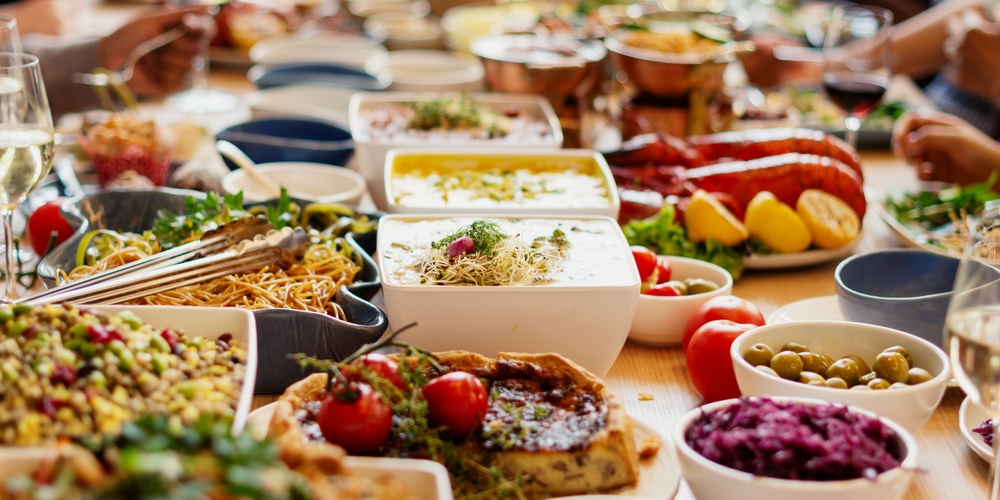
Show the children each of the Mealtime cards in turn and ask them to name the food or meal and say which heading they think the card should be placed under.
Ask the children to explain their reasons for putting the food and meal images under particular headings.
Question the children:
- What do you eat at these different meal times?
- What do other people you know eat at these times e.g. baby brother or sister, grandparent?
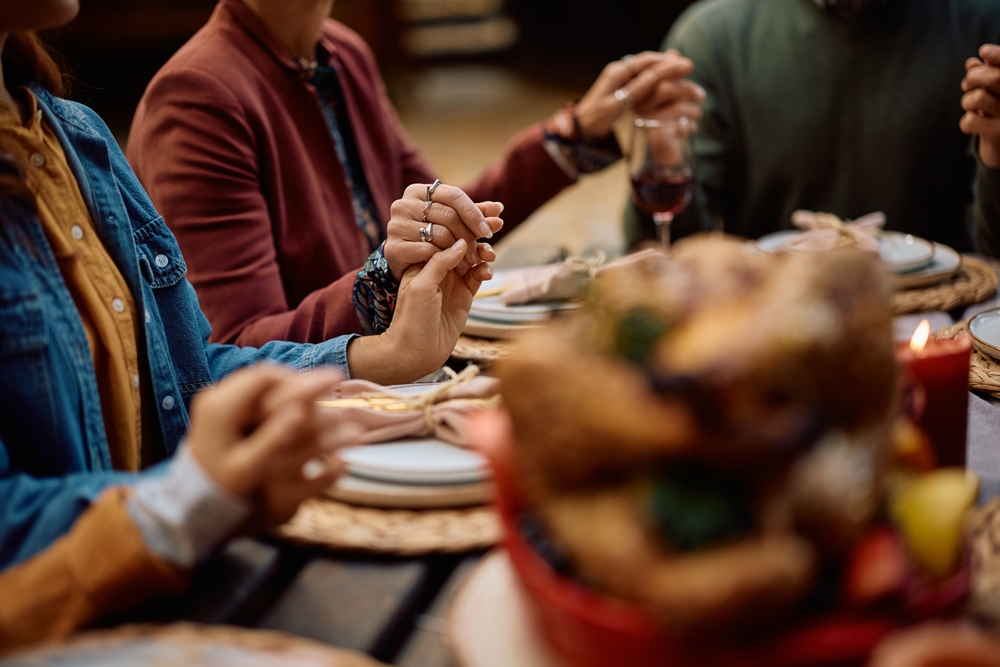
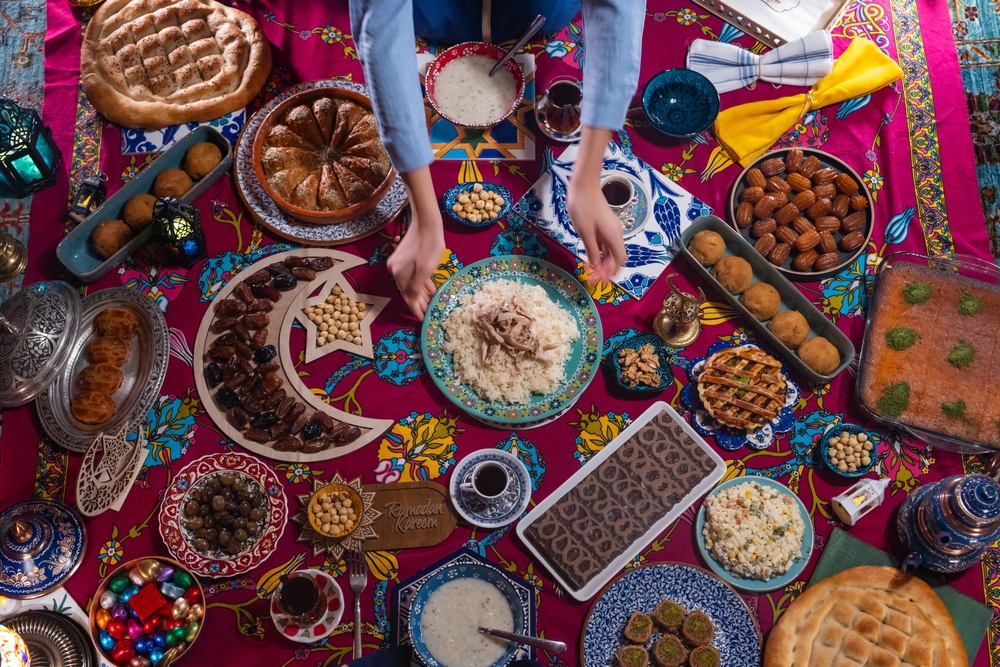
- Does what we eat change if it is the weekend, holiday or special occasion, e.g. a birthday party, Passover, Eid, Pancake day?
- Why do these events change what we eat? (More time to prepare and eat meals, it’s a celebration, once a year occasion.)
Establish that what people eat depends on the time of day, who they are and the occasion.
Help children understand that some foods are traditionally eaten at certain times of day. Ask the following questions to elicit this:
- Would you eat spaghetti bolognaise for breakfast? Why not?
Too much first thing, too long to make in the morning.
- Would you just eat an apple for your lunch? Why not?
Not enough to keep your body working properly. During the day you need food so you can learn and be active.
- Would you have toast for your evening meal?
You might do if you have had larger meal at lunch time.
- Would you eat a vegetable curry and rice for a snack?
No, this is too large for a snack.
Question the children about how the food and meals shown could be made healthier:
- Do they all include a drink?
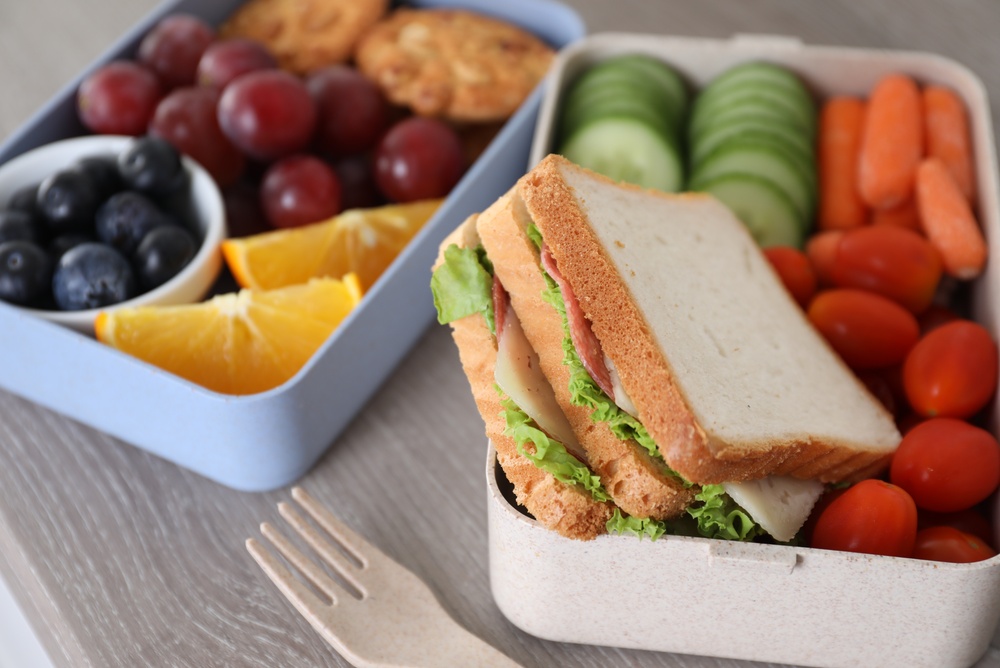
- Do they all include fruit or vegetables to help towards 5 A DAY?
You could use the Mealtime presentation instead of the cards if you wish.
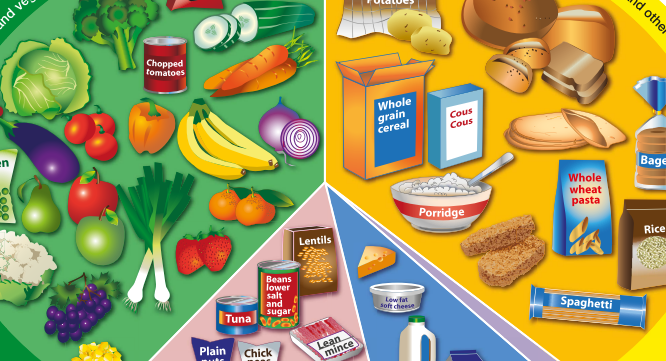
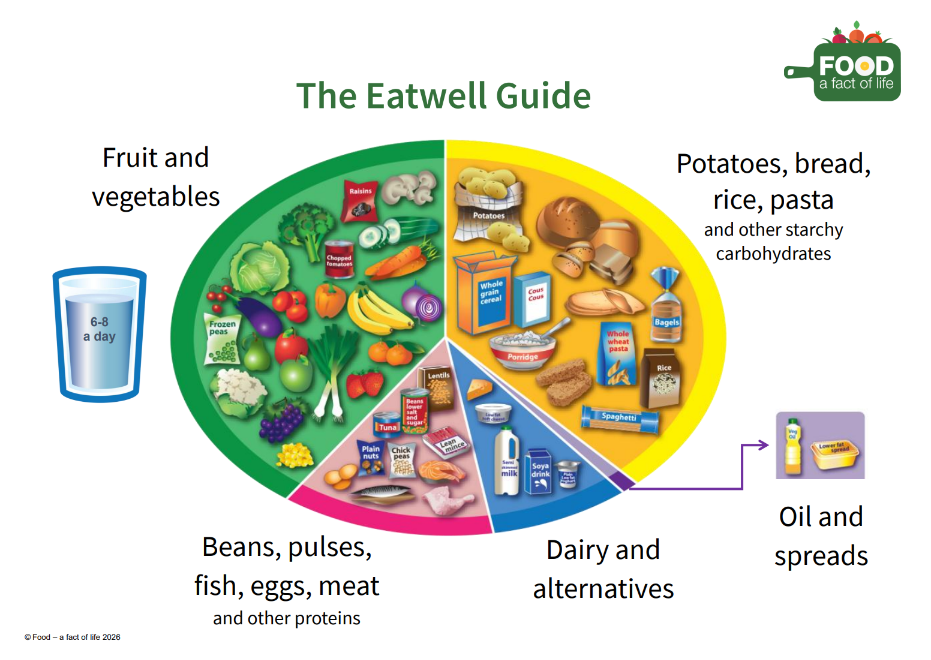
If you have taught pupils about The Eatwell Guide previously, display The Eatwell Guide poster (basic) and ask the children to say where the different ingredients seen in the food on each image belong on the Eatwell Guide.
Each group can work alone or in pairs to design a meal or snack appropriate for the time of day they have been allocated. They must also decide who this will be for and the occasion before they begin. The meal could be for themselves, a baby brother or sister, a parent or grandparent. The occasion could be a weekday, weekend, special event, religious festival. Remind the children that each meal or snack should include a drink and fruit or vegetables to help towards 5 A DAY. Split the class into four groups. Allocate one of the three meal occasions or the snack to each group.
The children could use art materials or a computer programme to present their ideas.
When they have finished the task, ask the children to present their work and explain their reasons for designing what they have.
Display the work with captions from the children explain who the meal is for, when it is to be eaten and why, e.g. I eat this for my breakfast so I can learn and be active, I eat this bigger lunch when I am on holiday because I have more time to enjoy it, my baby sister eats this for a snack because it is just the right amount to stop her being hungry until she has her evening meal.