The importance of food science
Understanding food science is an important skill for secondary pupils.
Understanding the functional characteristics of ingredients help pupils to understand why foods behave in the way they do (e.g. yeast making bread rise or browning of meat).
This also helps pupils to understand why something might have gone wrong with a recipe (e.g. bread collapsing because of poor gluten formation).
In this section, pupils will learn about the science of cooking and ingredients, as well as the sensory characteristics we use to describe foods and how these can be measured.

For other Cooking topics, click below:
Food science for 11-16 years
These activities have been developed to support teachers delivering Food Preparation and Nutrition and other food-related qualifications to pupils aged 11 -16 years across the UK.
The activities can be used as lesson starters, independent learning tasks, homework, revision activities, practical investigations, extension activities or preparation for assessment and examination work. They are intended to complement teachers' existing schemes of work and can be adapted to suit different qualifications, teaching approaches, available time and pupil needs.

Functional characteristics
To introduce pupils to the functions of ingredients, show the Functional properties of ingredients overview presentation. Ask the pupils to complete the Functions overview worksheet to check their understanding.
Use the Food functions cards to explain the ‘how and why’ of ingredients and their functional properties. Divide the class into six groups and provide each group with a different Food function card. Challenge the pupils to identify six key facts for each food function. Each group should nominate a spokesperson who should then share the facts with the rest of the class.
Task the pupils to complete the What has happened? Worksheet. Challenge them to make a dish that demonstrates one of the functional properties explained on the worksheet. They could take photographs to illustrate the food science taking place. Why not use these to create a display?

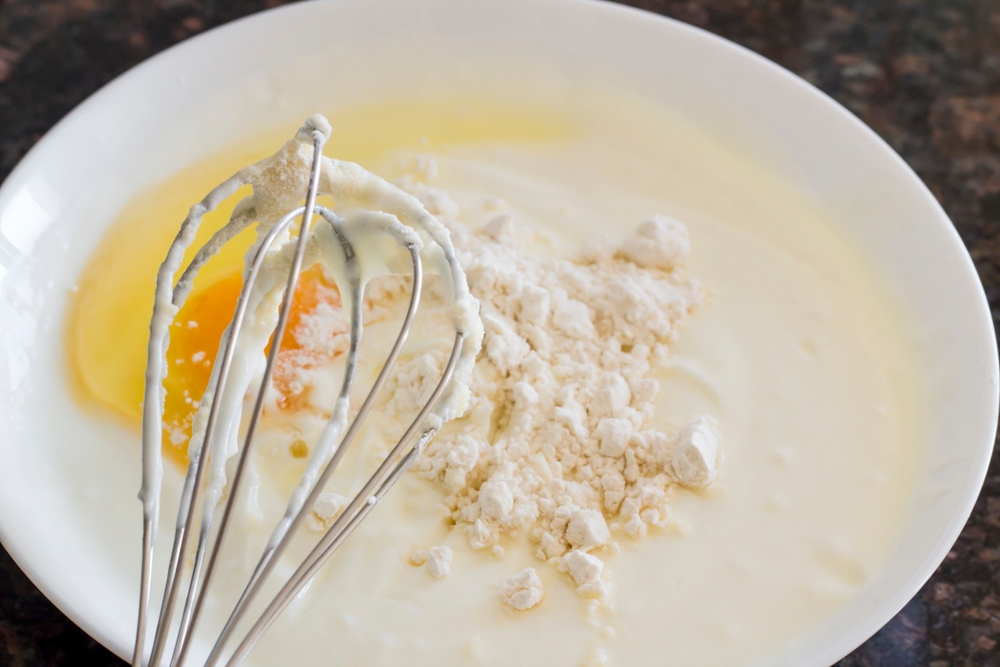
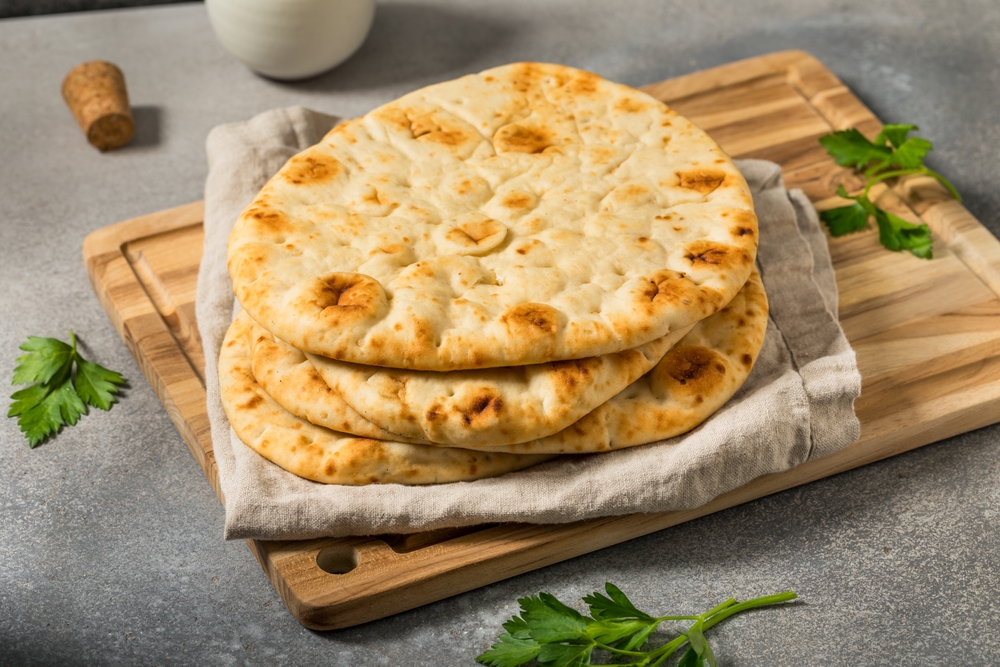
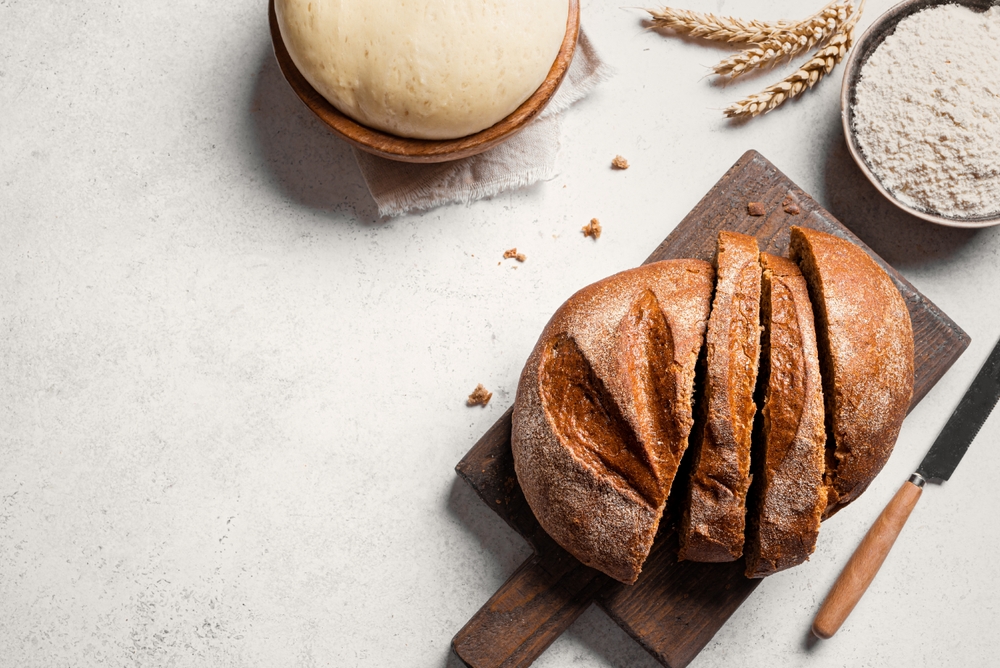
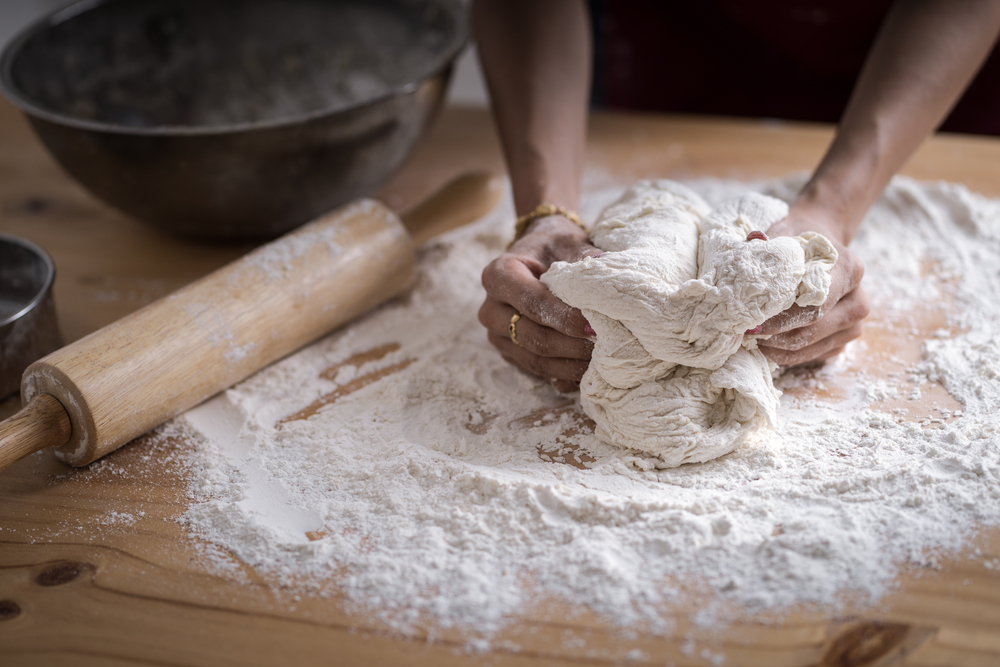
Making bread is a simple way for pupils to learn about the functions of the ingredients used and apply this to a product that is easily made in the practical classroom. Use The science of bread baking information sheet and Bread making – the theory to support your practical demonstration of bread making. Ask the pupils to listen and watch carefully during the demonstration and complete the Bread making – listening activity. Why not give each pupil a small piece of dough you have made to feel, knead lightly, shape and then cook? This will help them understand what the dough should look and feel like when it is ready to prove. Ask the pupils to watch the What went wrong? – bread video before their next practical lesson to consolidate learning and prevent any problems when making their own bread.If you are short on time, use the Quick bread bun recipe which can be made and cooked in an hour.
To further investigate the type and functions of ingredients in bread making, use the Bread making – yeast experiment activity and the Gluten content investigation.
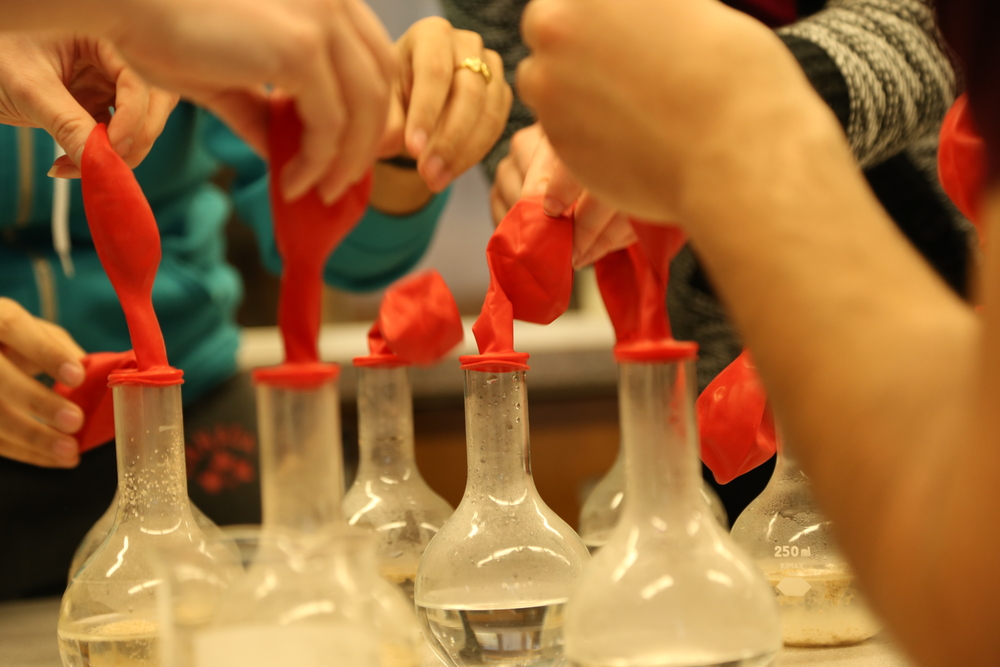
A simple way to visually show that yeast requires food to grow and produce carbon dioxide, place a teaspoon of quick acting yeast in three small glasses, add 1 teaspoon of sugar to one glass, one teaspoon of honey to another and leave one glass as the control. Add a small amount of warm water (ideally 37°C) and leave the glasses in a warm place for 10-15 minutes. Discuss with the pupils the various amounts of ‘froth’ that has been produced in each glass.
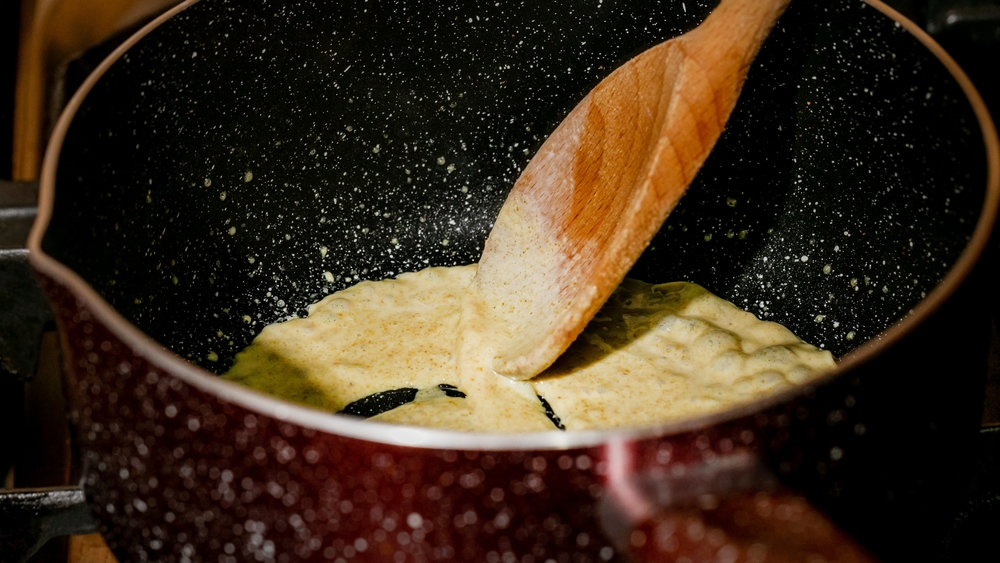
Functions of ingredients can also be investigated and applied through sauce making. Demonstrate how to make a roux sauce (which could then be used to make macaroni cheese) using the What is a roux sauce? information sheet. Challenge the pupils to apply their knowledge of starches used as thickeners by using the Starches worksheet.To challenge pupils further, carry out the Sauce making experiment. This experiment requires the pupils to compare the ingredients, cooking methods and thickness (viscosity) of a number of starch thickened sauces. The experiment can be adapted to suit the needs of your pupils by making the roux sauce as the control and then making and comparing one or more of the other sauces. Use the How to measure thickness or viscosity sheet and Viscosity chart when comparing and evaluating each sauce.
Pastry making is another activity that enables pupils to understand the properties of ingredients and also that how the pastry is handled and cooked will impact the quality of the final product. Demonstrate how to make short crust pastry, explaining the ingredients used, their functions and the general rules for successful pastry making. Also discuss the problems that may occur with the pastry and the final product. Use the Principles of pastry making information sheet to support your demonstration and then check the pupil’s knowledge using the Principles of pastry making worksheet. Ask the pupils to watch the What went wrong? – pastry video before they make their own pastry to consolidate learning and prevent any problems with their final dish.
Use Thinking pot questions to check knowledge. This activity is based on a scone based pizza using the rubbed-in method. However, this style of questioning can be adapted for different recipes.
To demonstrate the effect that dry heat has on starches (dextrinisation), use the Dry heat presentation.
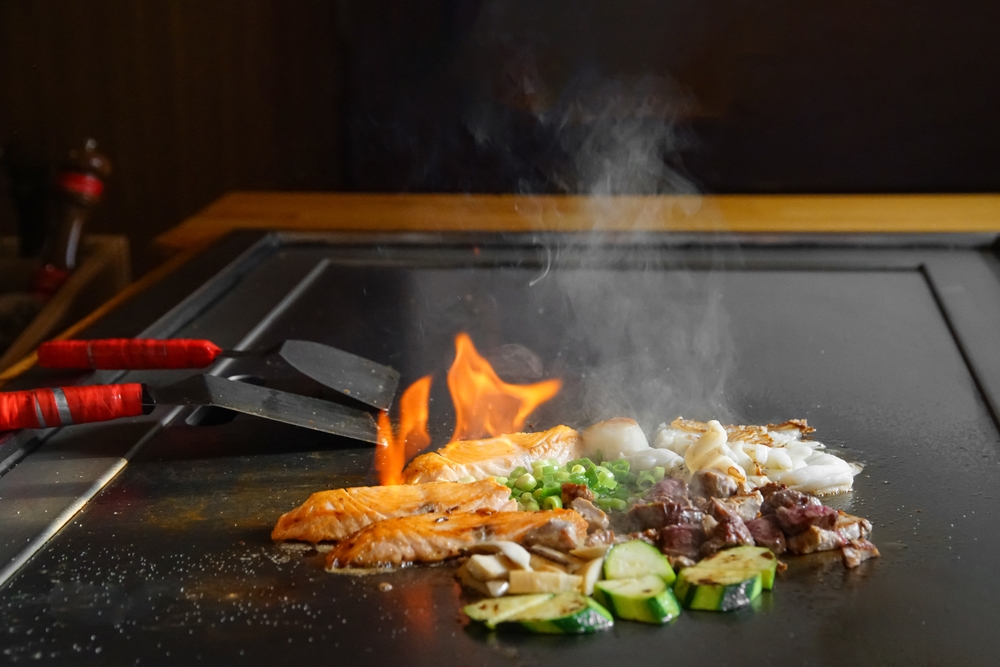
Meat can also be used to demonstrate food science and the changes that take place during cooking. Use the Food science and red meat presentation to demonstrate meat science and facilitate the activities included in the presentation with the pupils. Task the pupils to complete the What happens when meat is cooked? worksheet. The What happens when meat is cooked? Teacher’s notes can be used to support this task. Applying heat to meat affects its texture and pupils can experience these changes by feeling a piece of raw meat before it is cooked and then again once it is cooked. They will be able to feel that the proteins have been denatured and become firmer and that the fibres have shrunk. Task the pupils to complete the What makes meat tender? worksheet and then make a recipe using either mechanical or chemical tenderising methods.
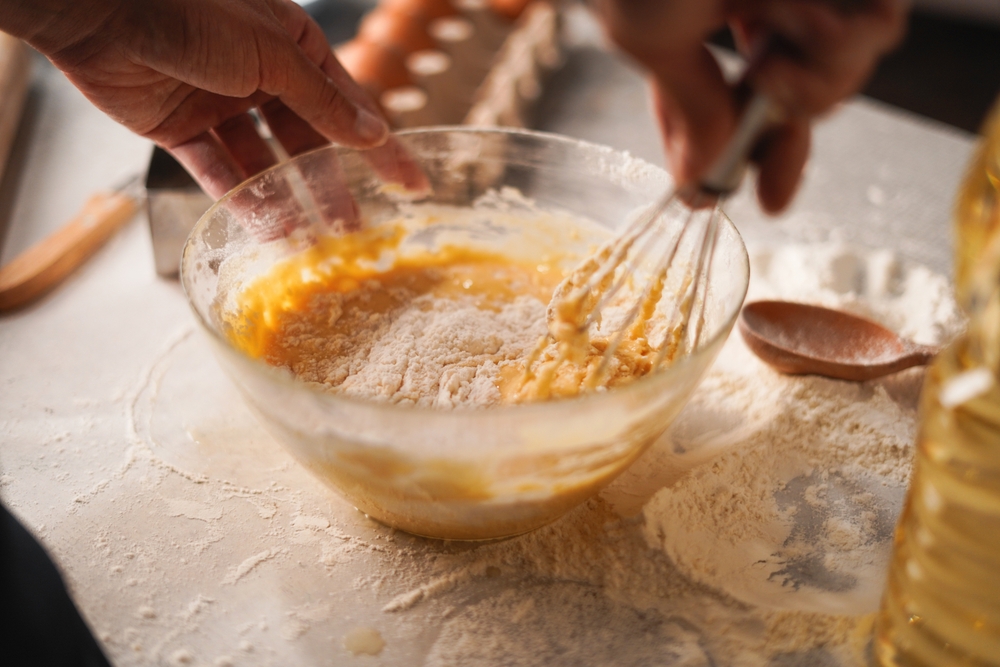
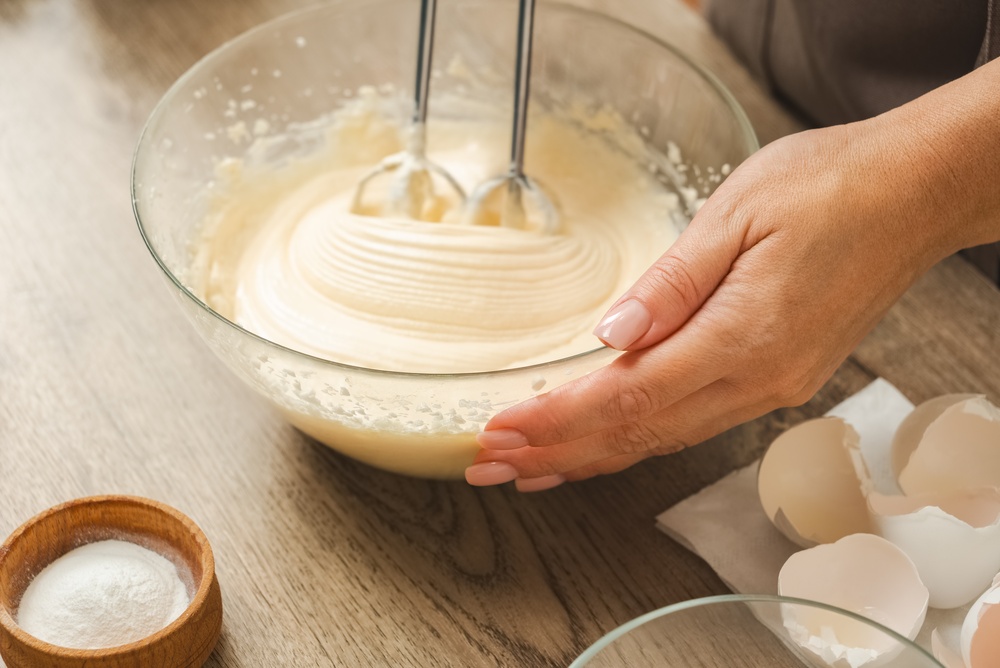
Whilst the recipes made in school should be predominantly savoury, cake making does provide an ideal opportunity to understand the functions of some ingredients. Discuss the four main methods for cake making, and the functions of the various ingredients, and challenge the pupils to make a cake using one of the methods, e.g.:
- creaming or all in one (Victoria sponge or fairy cakes);
- whisking (Swiss roll);
- melting (ginger cake);
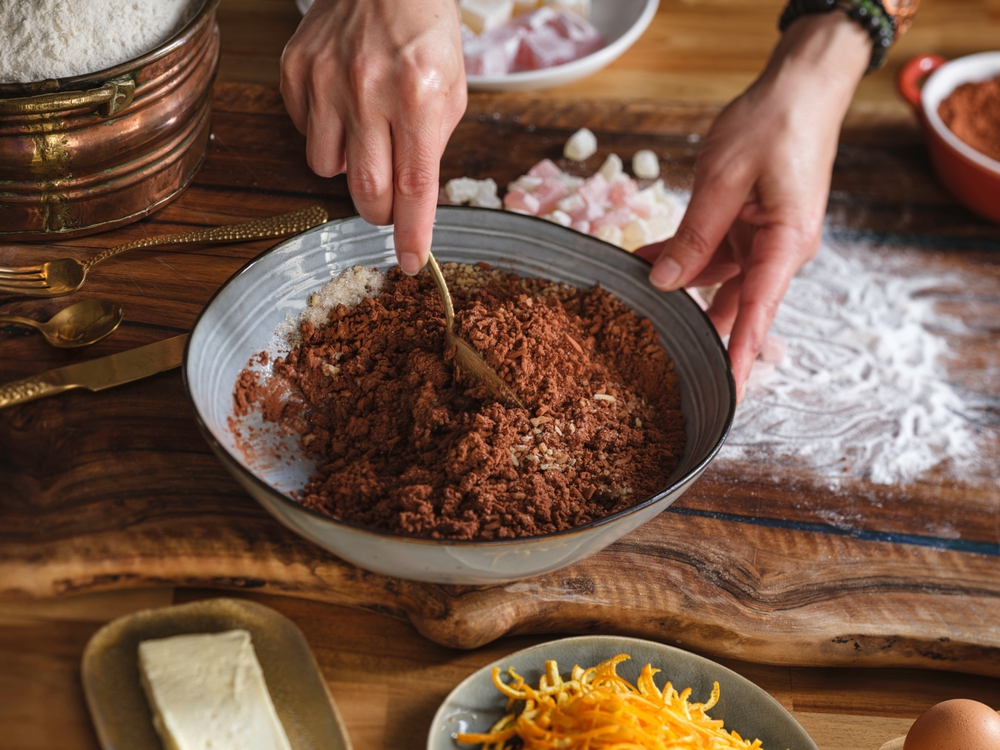
- rubbing in (rock cakes).
Use the Functions of ingredients – cakes information sheet to support the discussion. Ask the pupils to watch the What went wrong – cakes video before the practical lesson to consolidate learning and prevent any problems with their final product.
For more about ingredients, go to the Food commodities area where you will find further information on dairy, grains, meat and potatoes.
Functional properties of food resources for 11-14 years
Functional and chemical properties of food resources for 14-16 years
Food Functions information sheets
Bread making resources
Sensory characteristics
To introduce pupils to the senses that are used when eating food, and the five basic tastes, show the The senses and food presentation. Task the pupils to complete The senses and food worksheet.
To encourage the pupils to use good descriptive vocabulary when carrying our sensory evaluation, use the Odour worksheet to explore different sensory words that could be used.
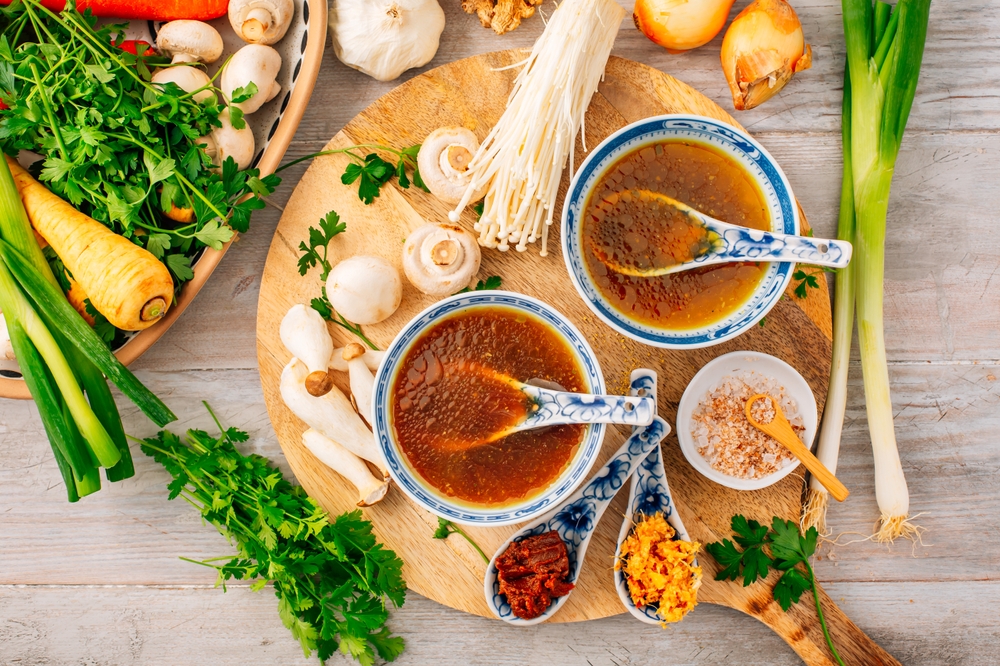
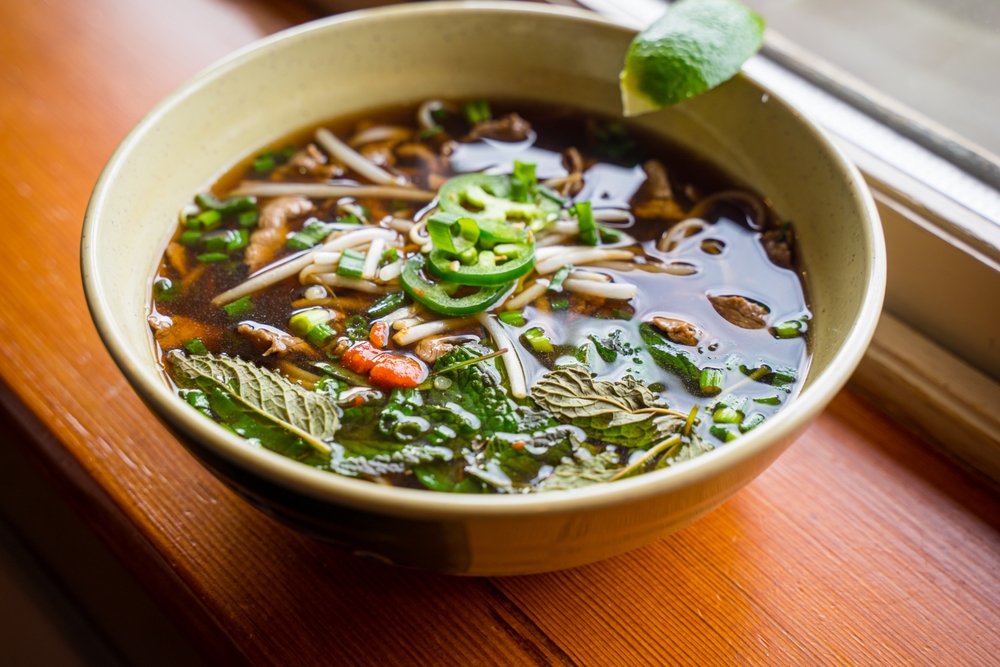
Umami is a savoury taste that most people don’t recognise until their attention is especially drawn to it. Use the Umami presentation to introduce this term and identify familiar and unfamiliar umami rich foods. Challenge the pupils to make a recipe that is rich in the taste of umami.
Check the pupil’s understanding using the Food and the senses quiz and Food, the senses and umami Kahoot Q&A
To outline and explain the scientific discipline of sensory evaluation and the importance of fair testing, show the Sensory evaluation presentation.
Some schools use de Bono’s Thinking Hats to evaluate ready-made products and dishes made in school. The process behind Thinking Hats can be used in a variety of ways to complete sensory evaluation. The Thinking Hats evaluation can be edited to suit different lessons and practical activities but in this case, it is designed to evaluate a range of meat alternatives such as tofu, textured vegetable protein and a myco-protein.
There are many opportunities where sensory evaluation activities can form part of lessons. Use the Classroom activities guide for additional suggestions.
If, as part of your Scheme of Work, you focus on different key food commodities why not use red meat as the main ingredient for sensory evaluation? You will find a number of ideas for sensory activities using red meat in the Sensory activities using red meat information sheet.
Sensory characteristics resources for 11-14 years

Sensory science resources for 14-16 years

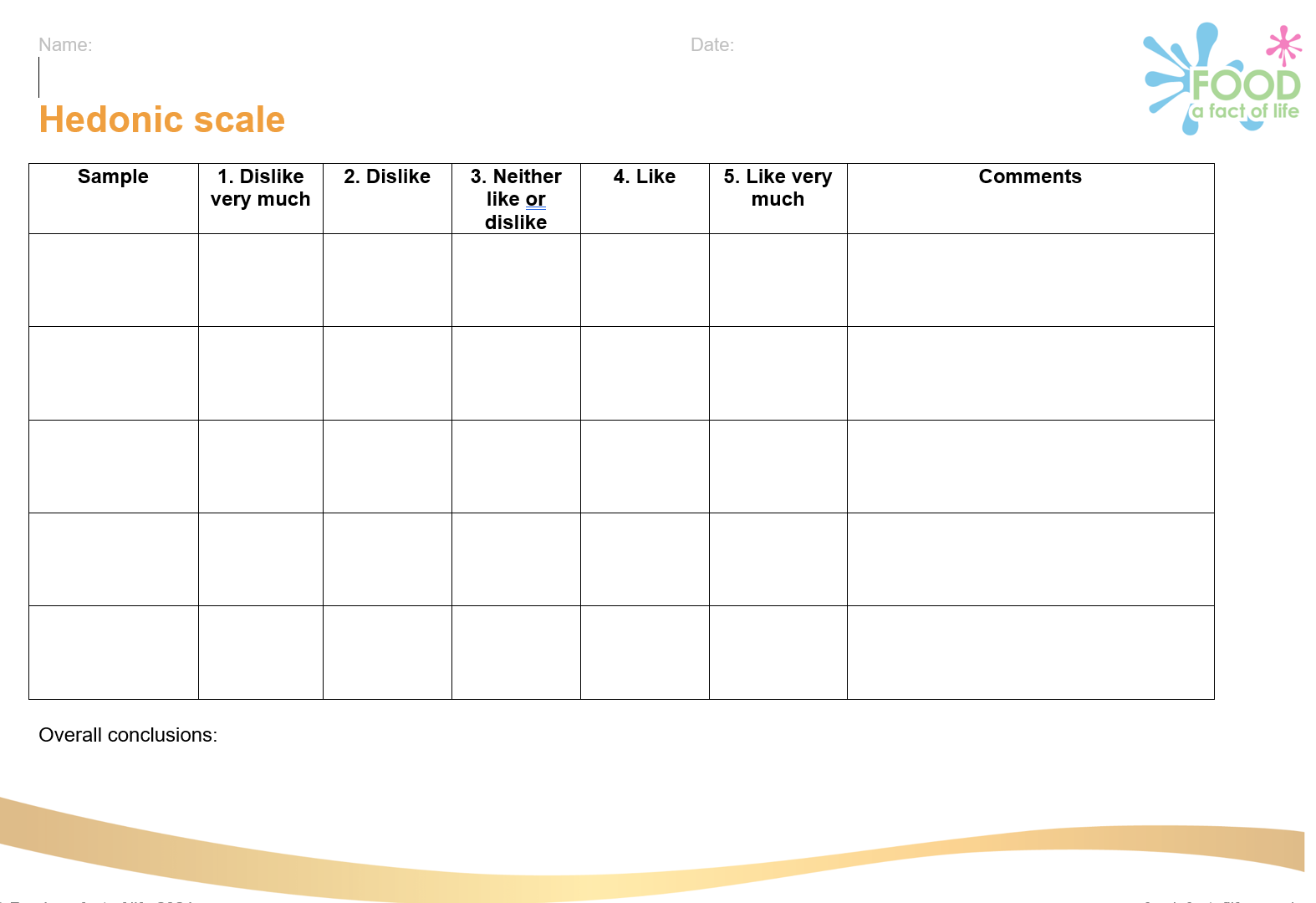
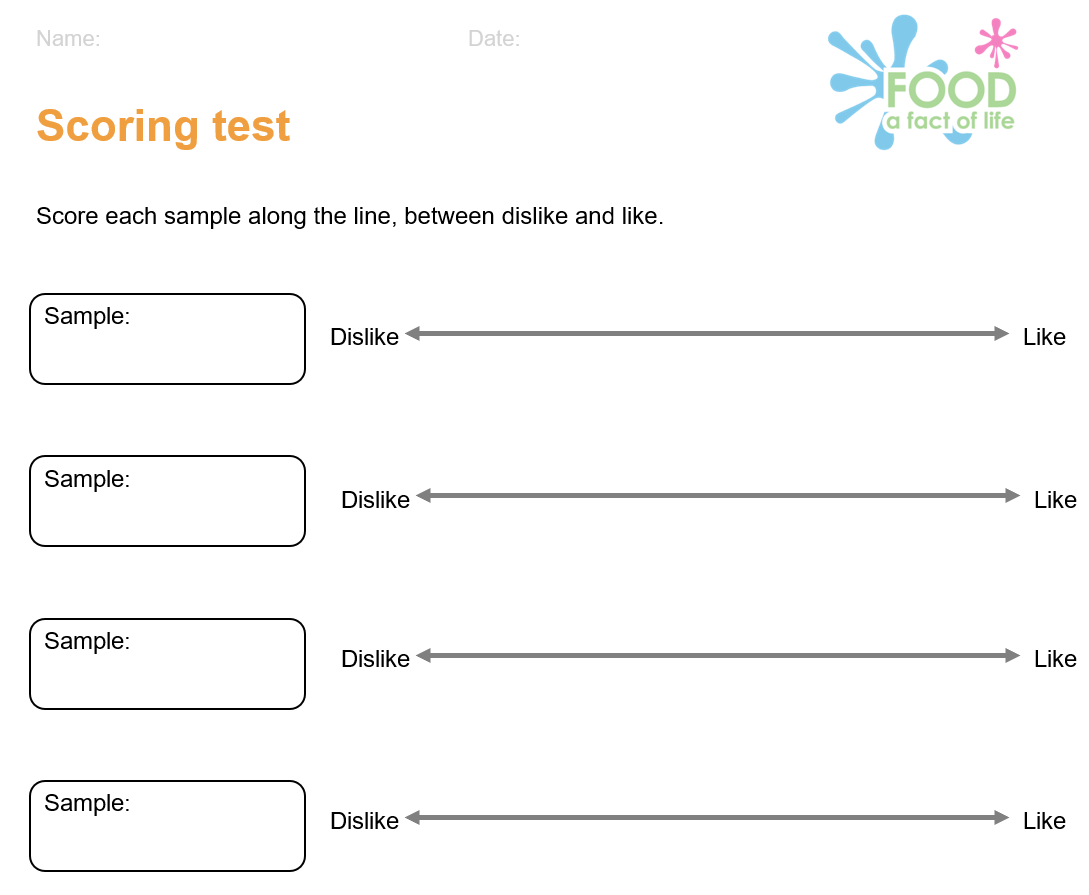
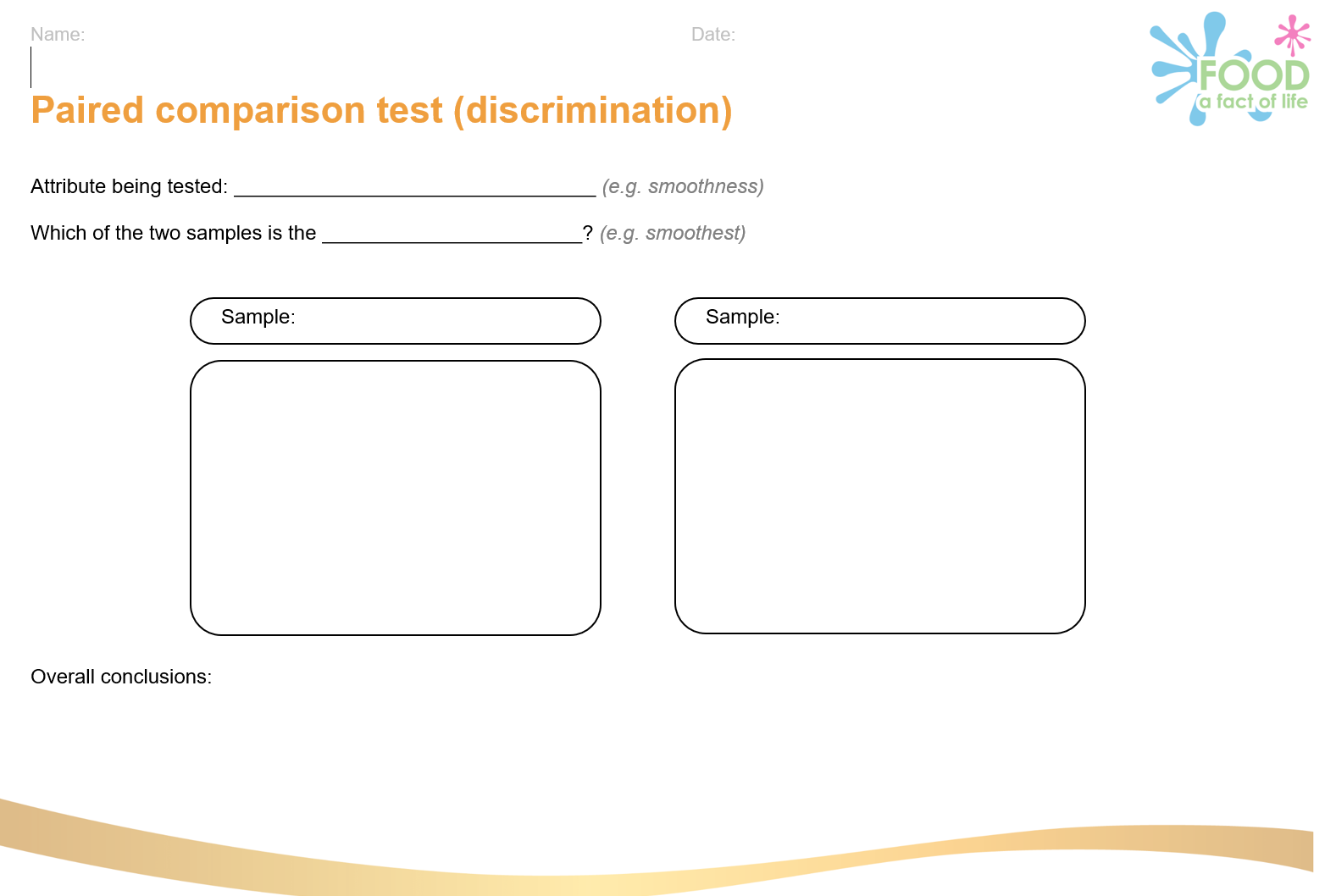
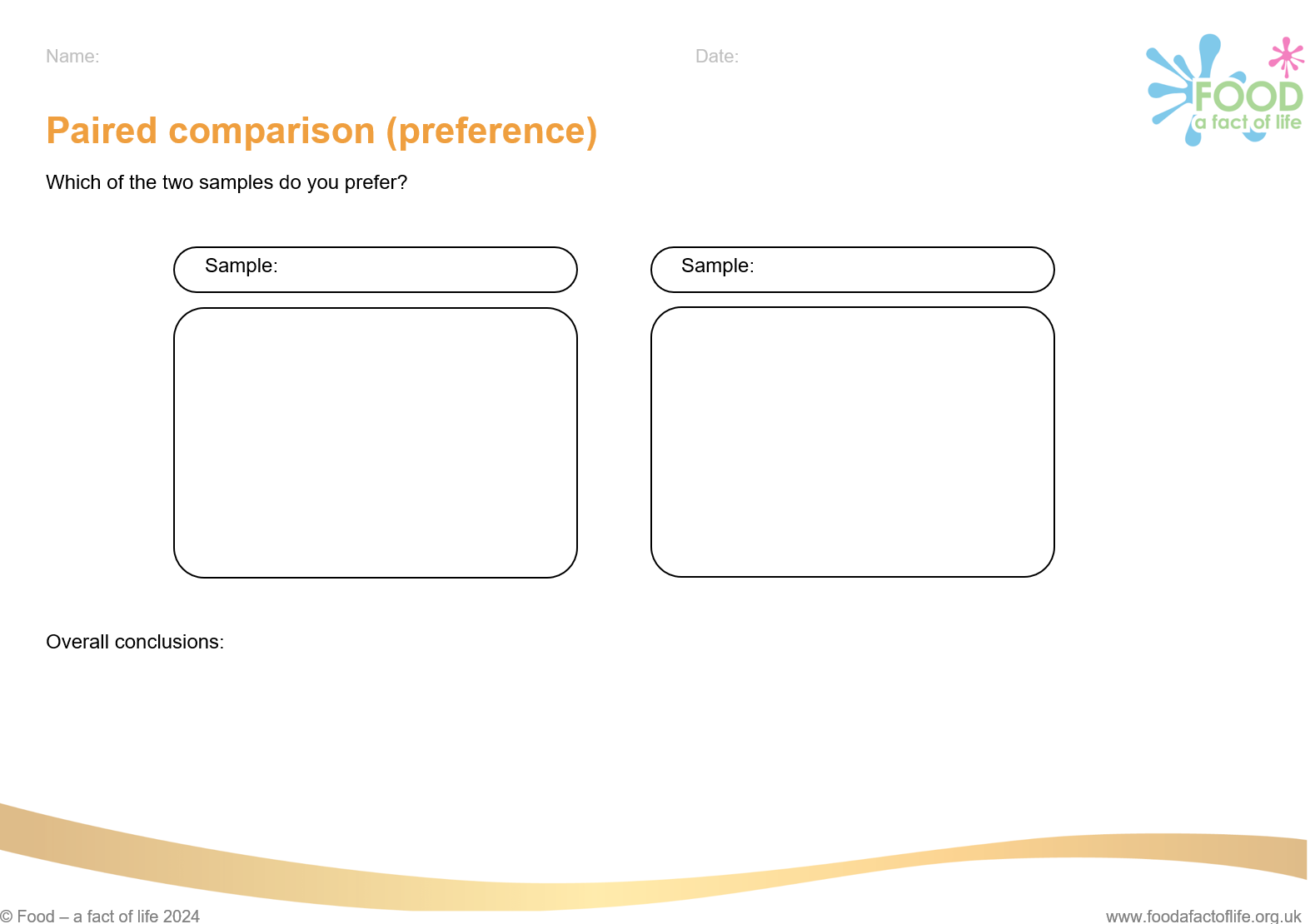
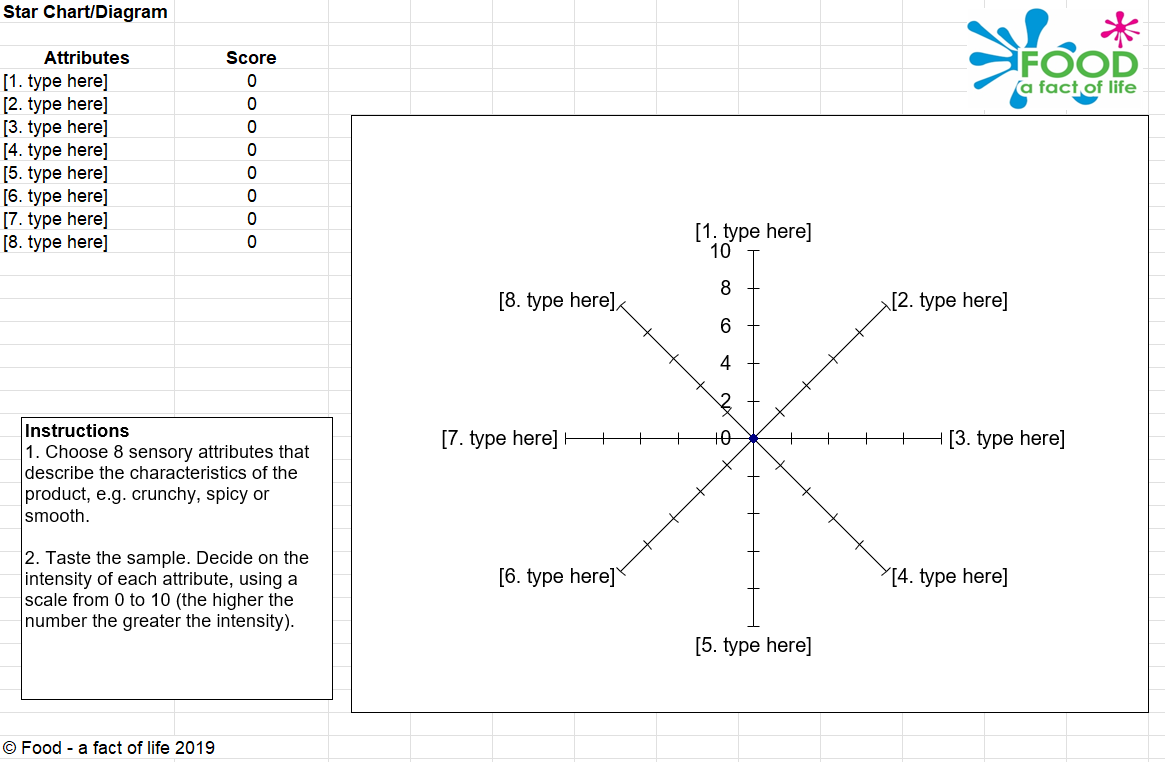
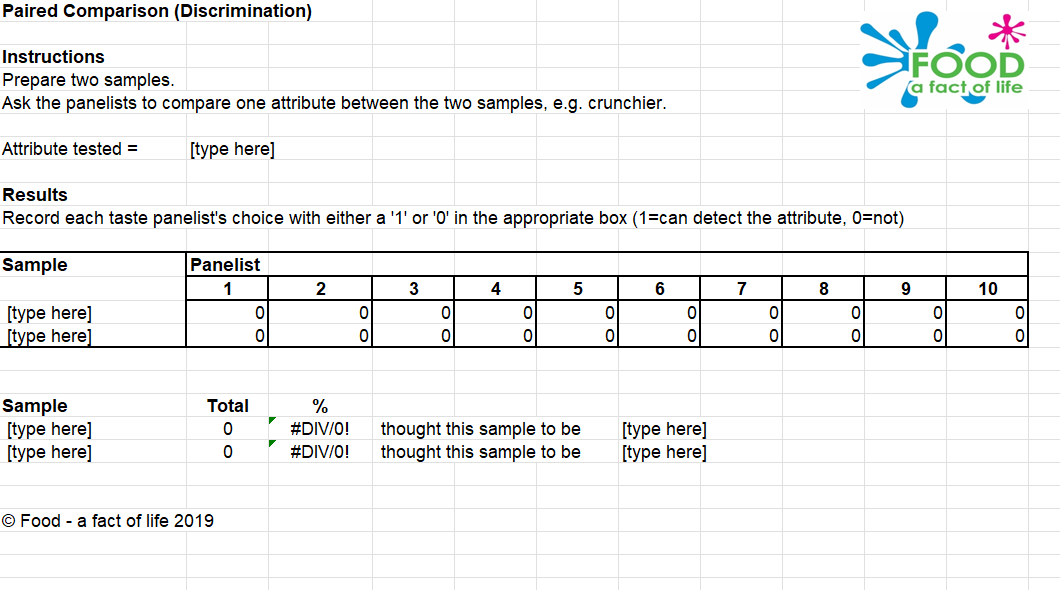
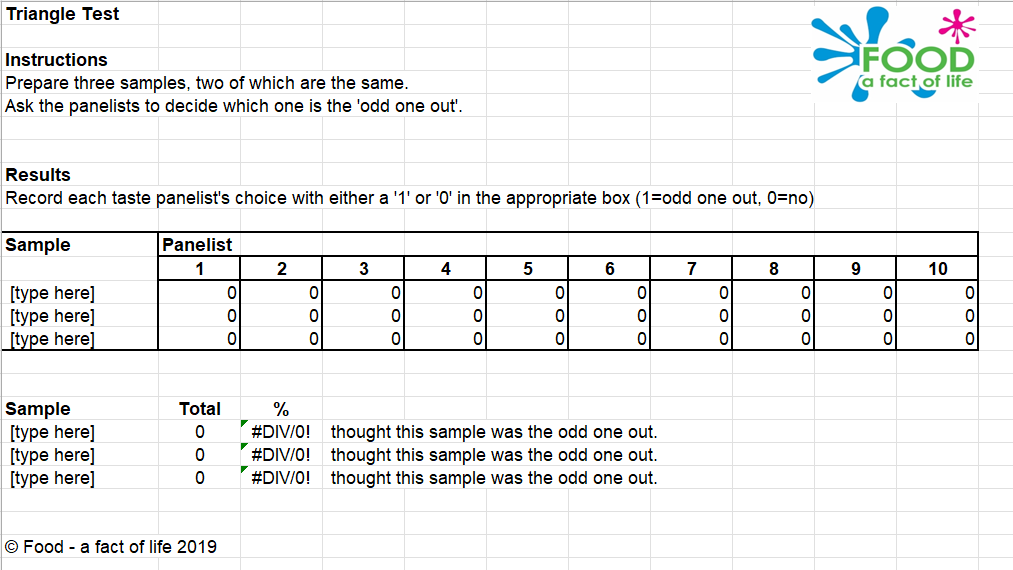
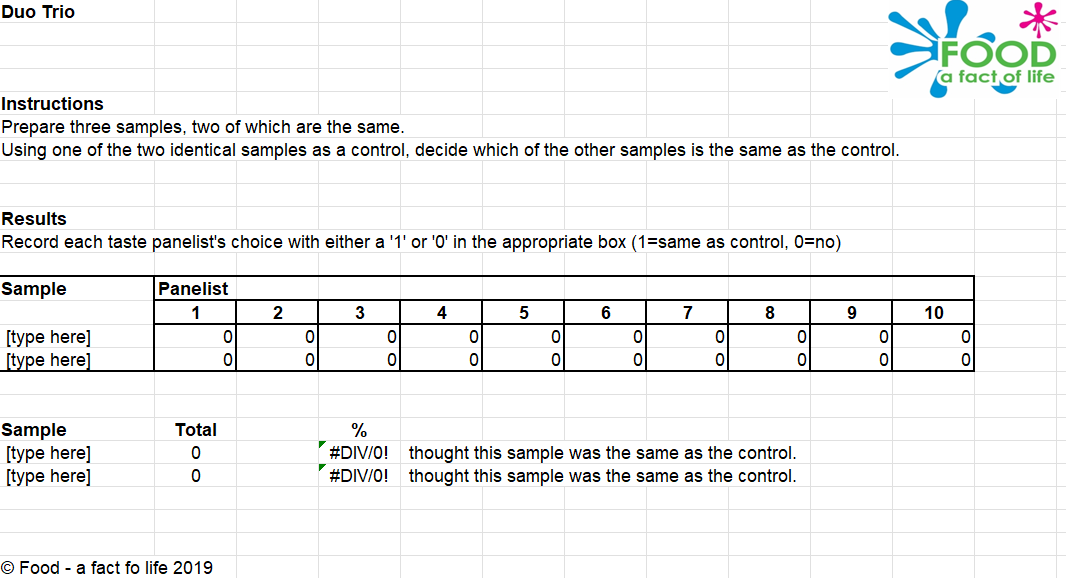
Spreadsheets for undertaking sensory evaluation tests
Investigating food science
Investigate the different functional properties of food ingredients and match each property to examples of foods and food products where it is important.
Explore how carbohydrates behave in food, investigate their different functional properties and explain how these properties affect the final product.
Investigate the functional properties of proteins and explore how changes in preparation and cooking can affect the structure and texture of food.
Investigate the different functions of fat in food products and identify how fat contributes to characteristics such as texture, flavour and appearance.
Investigate different types of colloidal systems in food and identify examples such as emulsions, foams and gels in everyday foods.

Investigate how an emulsion is formed and explore what happens when the ingredients or method are changed. Use the findings to explain why some food products remain stable while others separate.
Explore how different raising agents work, investigate the conditions they need to be effective and explain how they contribute to the texture and volume of baked products.
Investigate how heat is transferred during cooking and identify conduction, convection and radiation in different cooking methods.
Investigate the physical and chemical changes that take place during cooking and explain how these changes affect the colour, texture, flavour and nutritional properties of food.
Compare different methods of making custard, observe and evaluate the results, and explain the food science behind the differences in texture and consistency.
Investigate different ingredients that can be used to thicken vegetable soup, compare the results and explain how the ingredients change the properties of the soup.
Choose a dish or food product and investigate the functional and chemical properties that make it successful. Identify the ingredients involved, explain what each does and use food science knowledge to suggest how the product could be adapted or improved.
Raising agents and colloidal systems
Heat transfer and its effects on food
Food function fact sheets
Experiments and investigations
Investigate enzymic browning by testing different treatments and comparing how effectively they slow down the browning process.
Investigate what happens when sugar is heated, observe changes in colour, aroma, texture and flavour, and explain the science behind caramelisation.
Investigate how emulsions are formed and compare different ingredients or methods to see which produces the most stable emulsion.
Explore how air can be incorporated into fat and investigate how different methods of aeration affect the volume and texture of a food product.

Food science experiments and investigations
Investigate the role of fat in pastry by comparing different approaches or ingredients and evaluating their effect on the finished product.
Investigate how proteins respond to different conditions, exploring processes such as acid denaturation and coagulation and explaining the changes observed.
Investigate how protein foams are created and explore factors that affect their stability, volume and texture.
Compare biological and chemical raising agents, investigate how they work and use the results to explain differences in the rise and texture of food products.
Investigate the effects of flour and fat in pastry, make predictions, compare results and use food science to explain differences in texture and structure.
Investigate different ingredients that can be used to thicken vegetable soup, compare the results and explain how each ingredient affects the final product.
Investigate how changing the amount of sugar affects a cake, compare the results and explain the functions of sugar in the finished product.
Choose a food or food product and design an investigation into one of its key ingredients or properties. Make a prediction, carry out a fair test, collect evidence and use food science knowledge to explain your findings.